Future needs origin. The JUNG founder's villa.
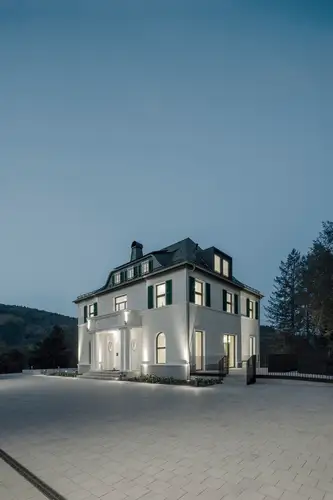
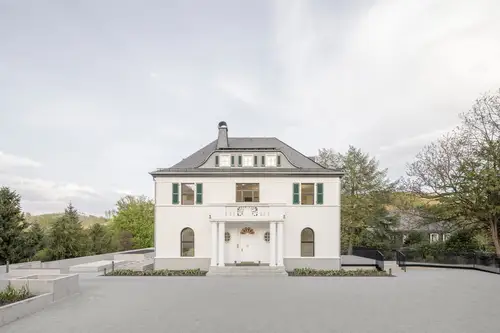
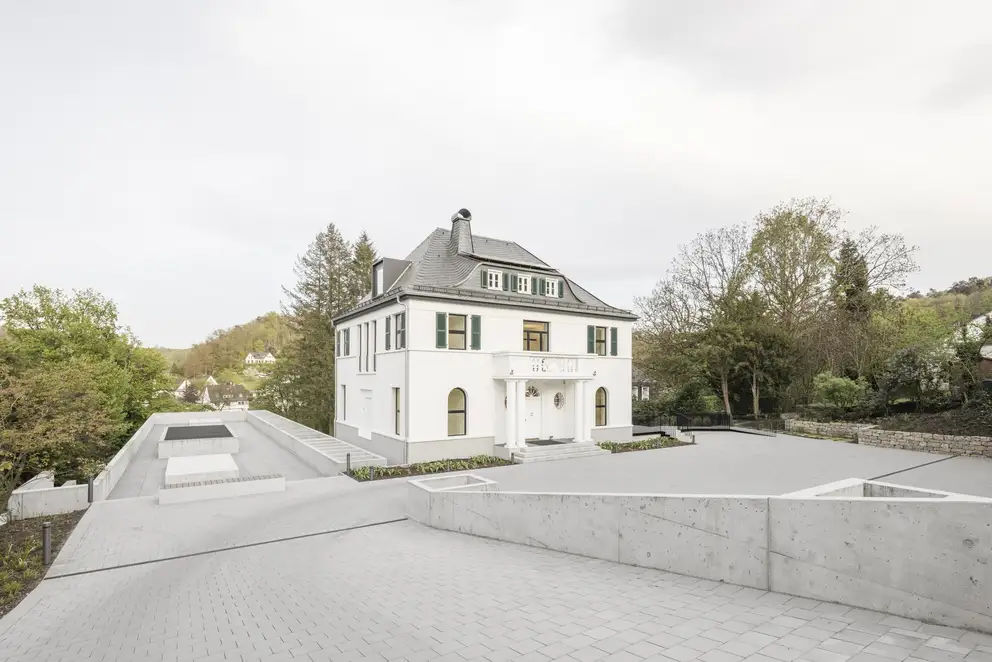
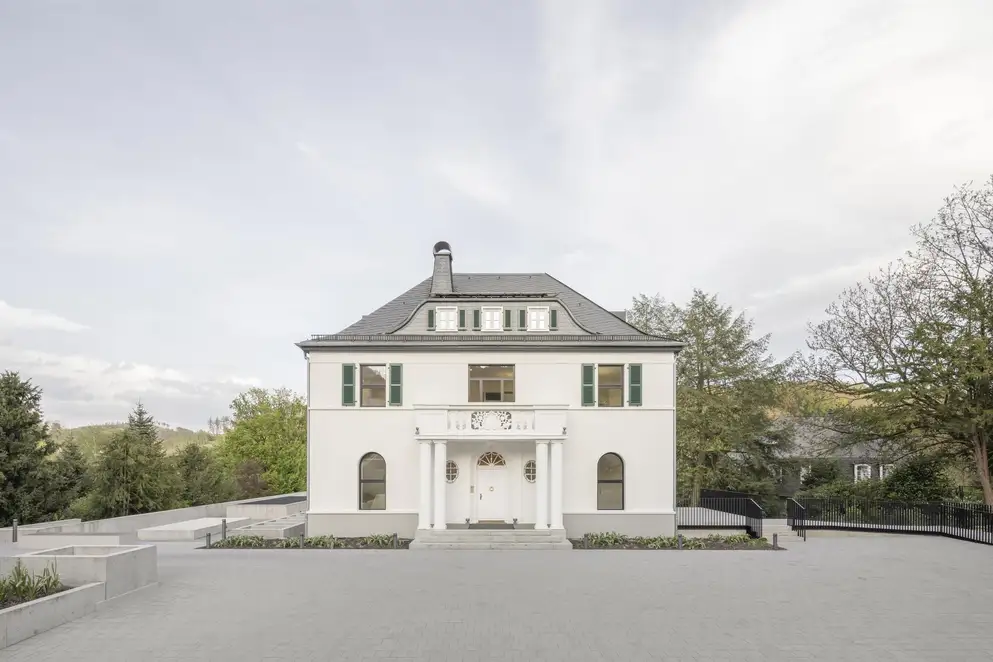
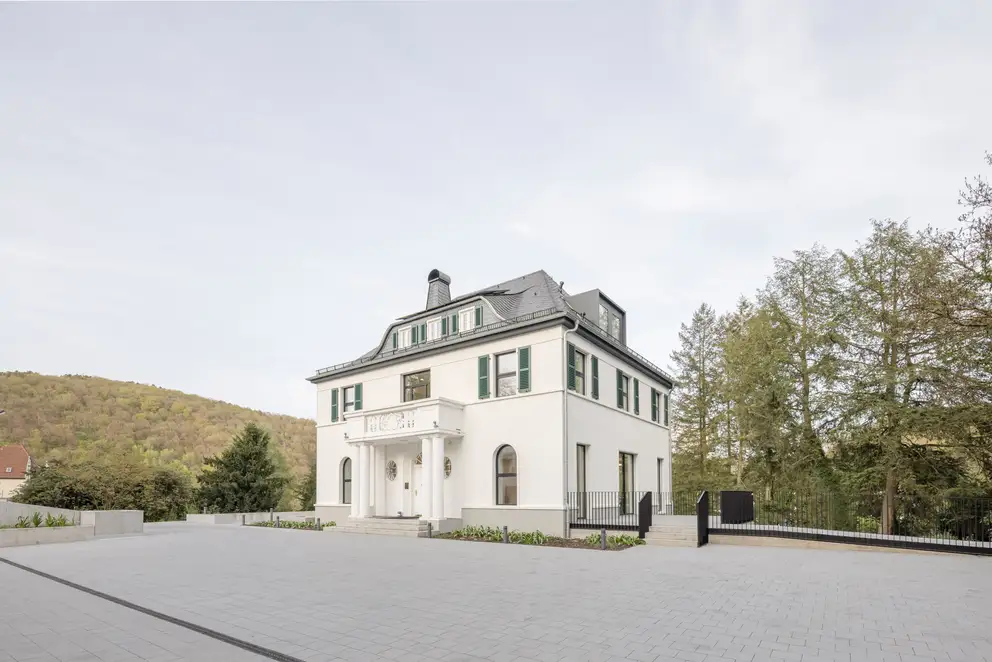
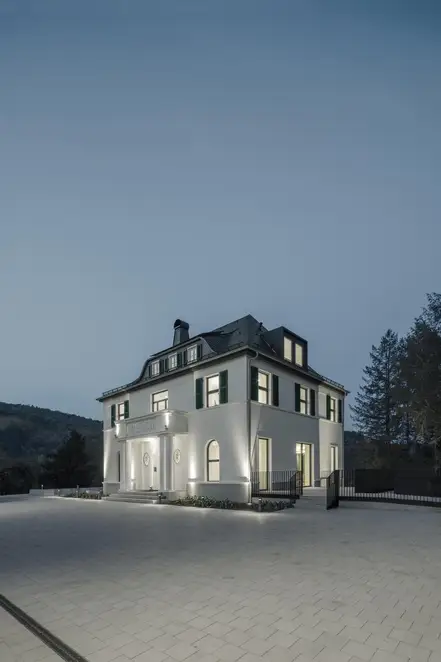
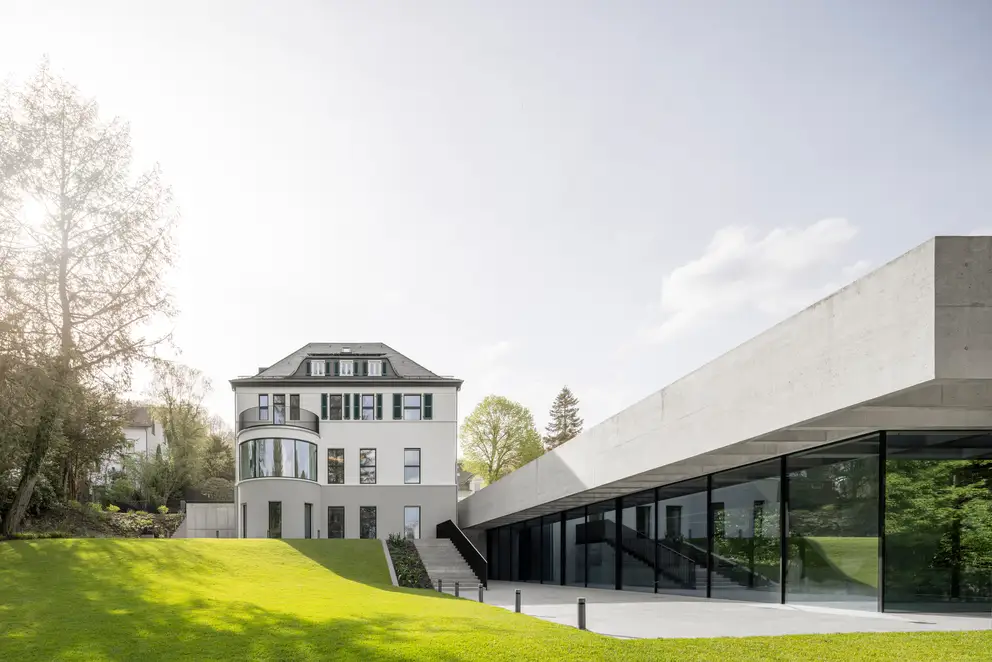
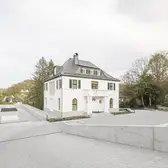
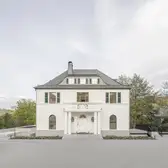
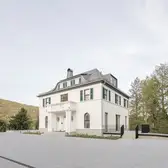
The villa in Schalksmühle, built in 1928 for the company founder Albrecht Jung
was reopened in spring 2024 as a meeting and service centre.
The building technology of the refurbished JUNG founder's villa with
building relies on renewable energies,
on a responsible use of resources and - unlike what you would expect
from an electrical manufacturer - on the use of technology that is
reduced to the bare essentials.
The JUNG founder's villa is not a showroom.
It is a multifunctional office, event and residential building. The issues of responsibility, attitude and efficiency will play an important role in the refurbishment and operation.

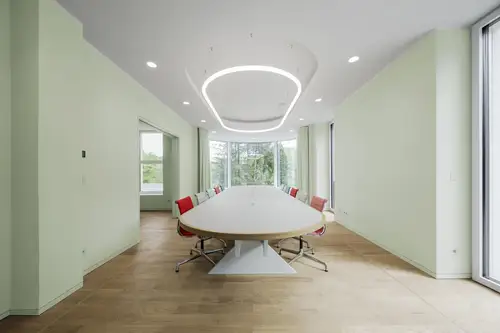
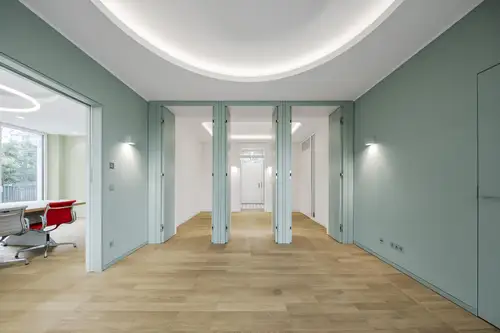
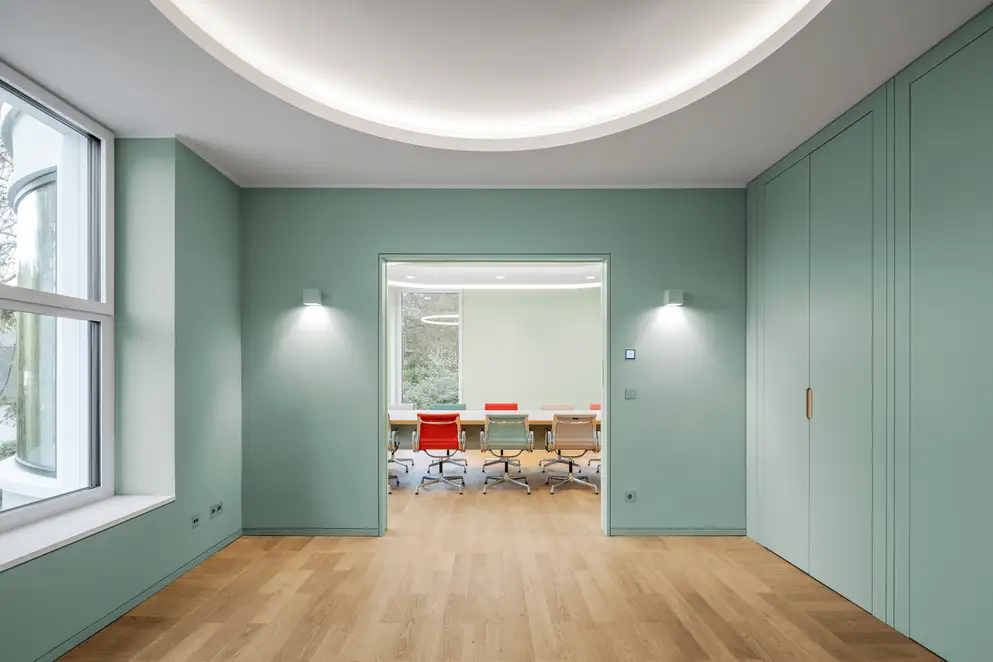
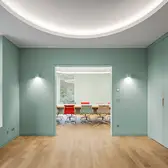
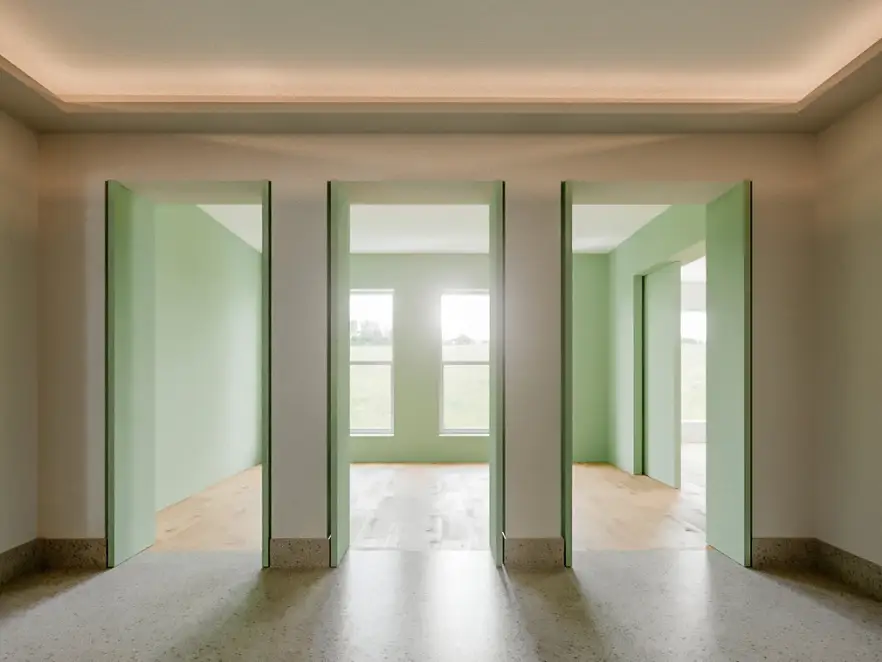
Open room sequences in the old building allow a variety of views.
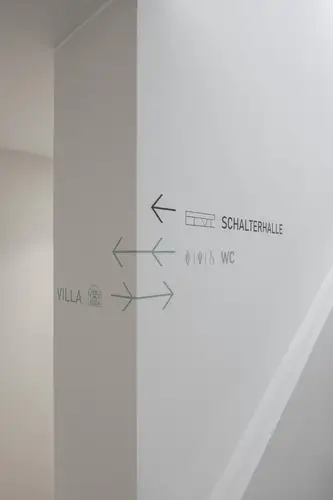
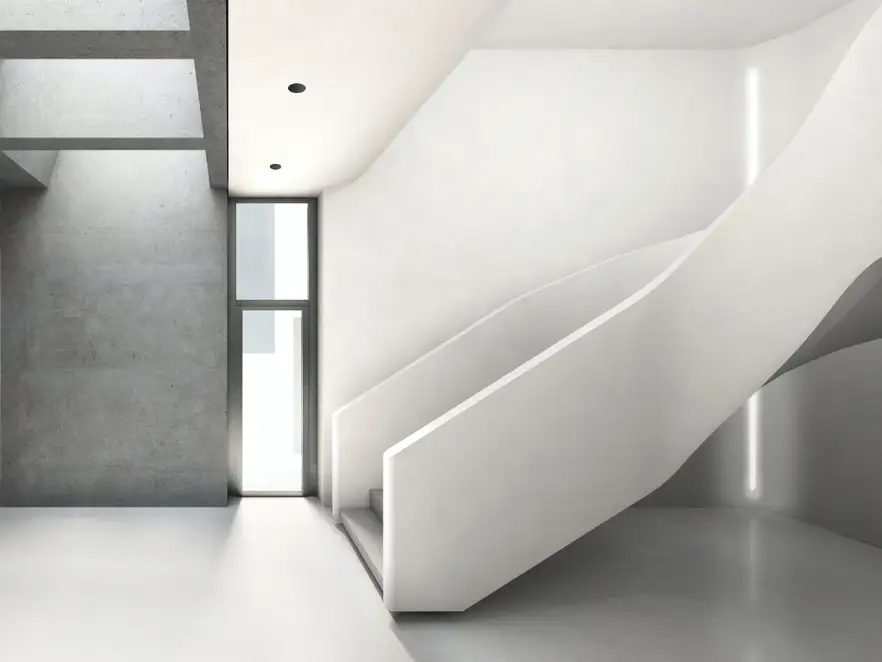
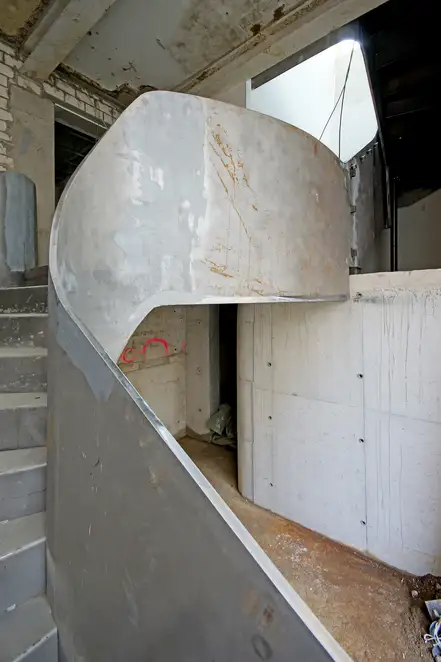
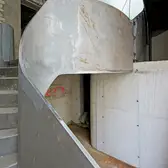
The new building, the "counter hall", is accessed via a sculptural, curved staircase construction made from white lacquered steel, which monolithically
handrails and steps.
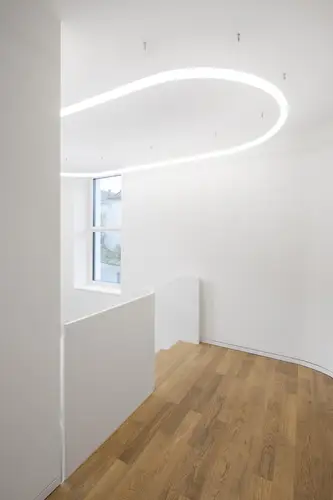
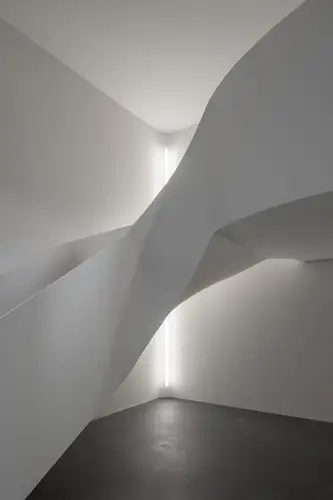
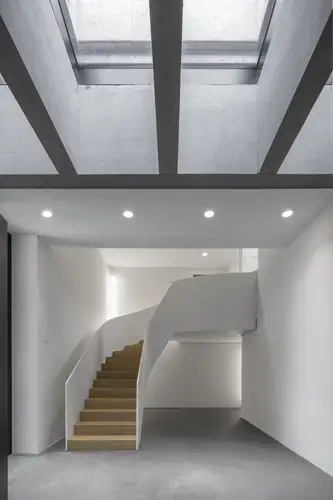
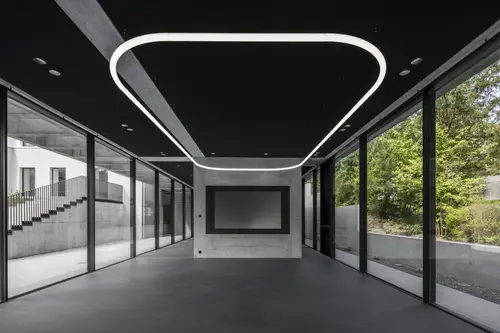
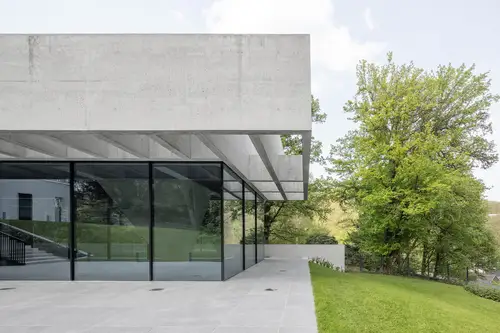
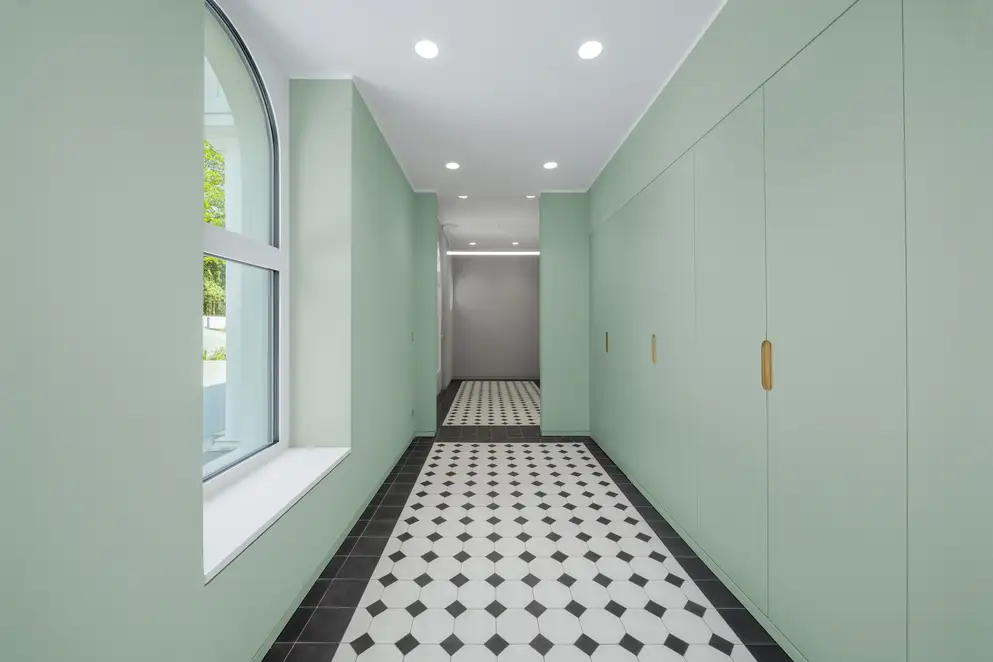
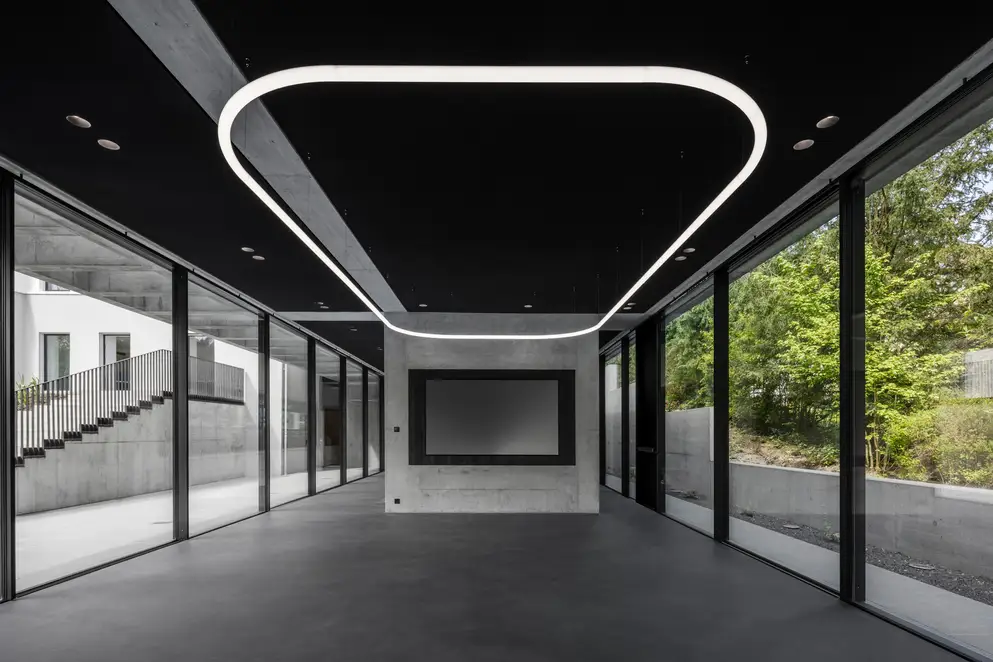
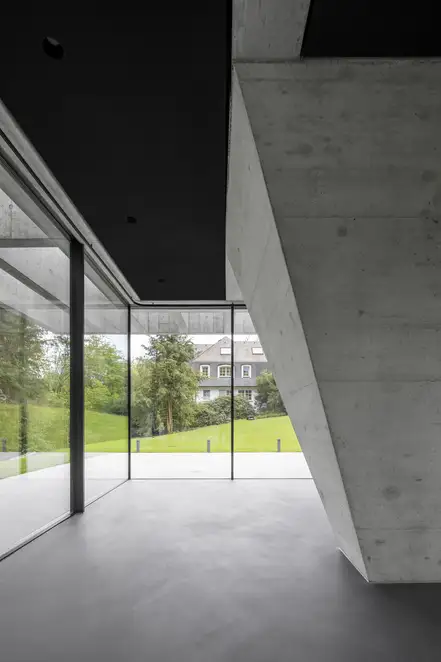
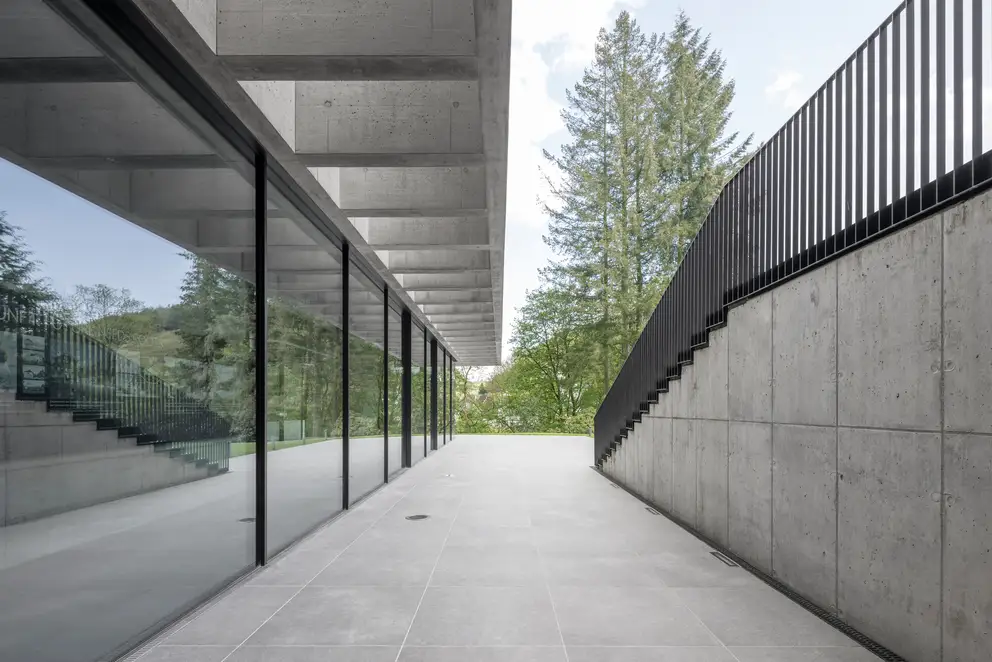
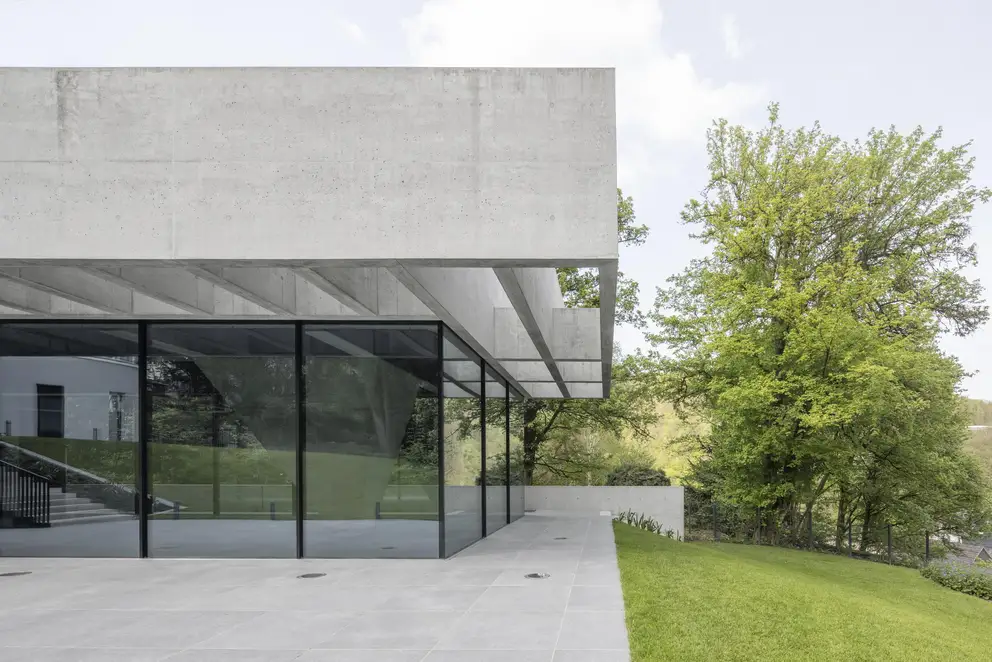
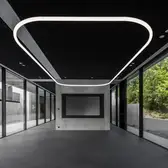
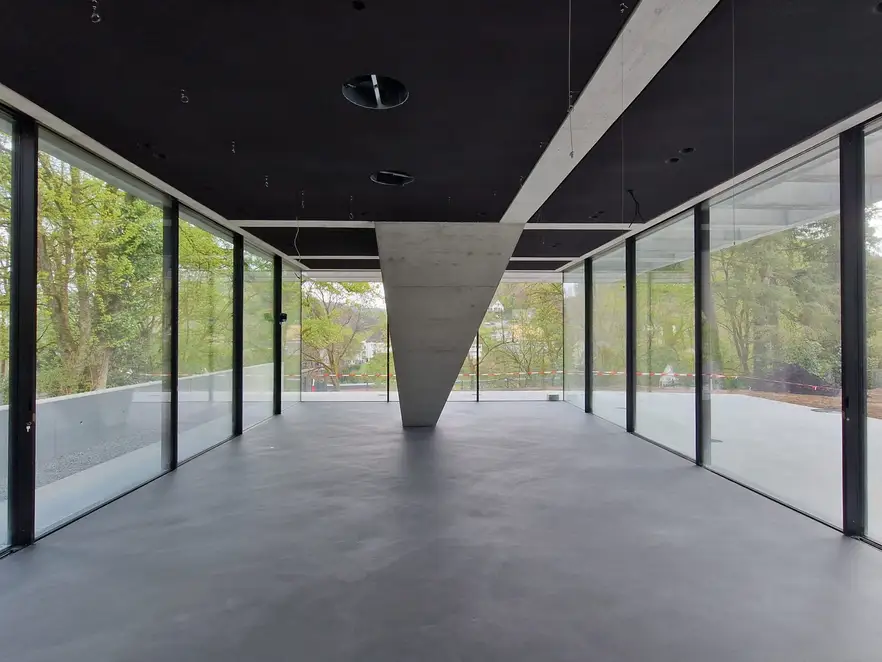
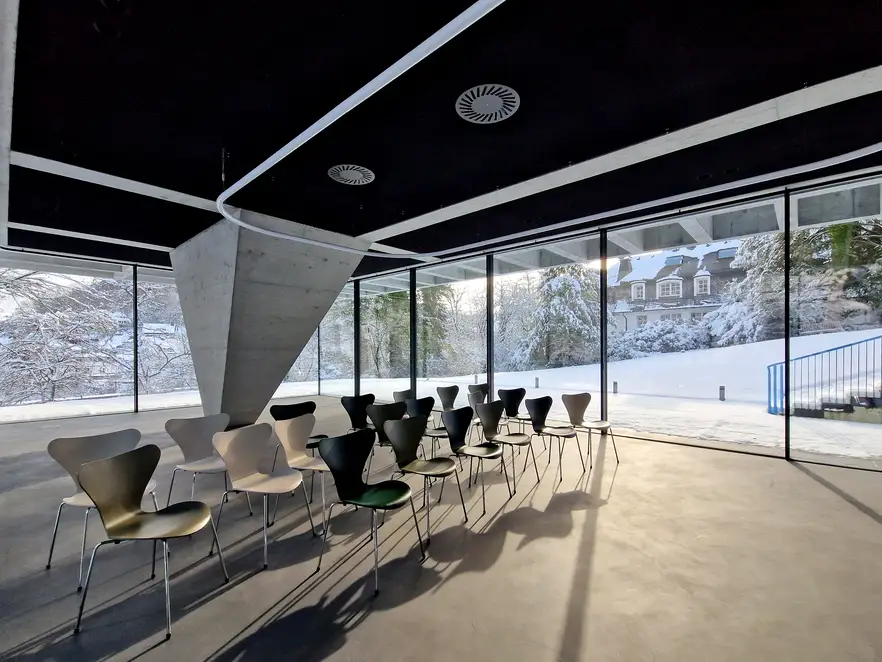
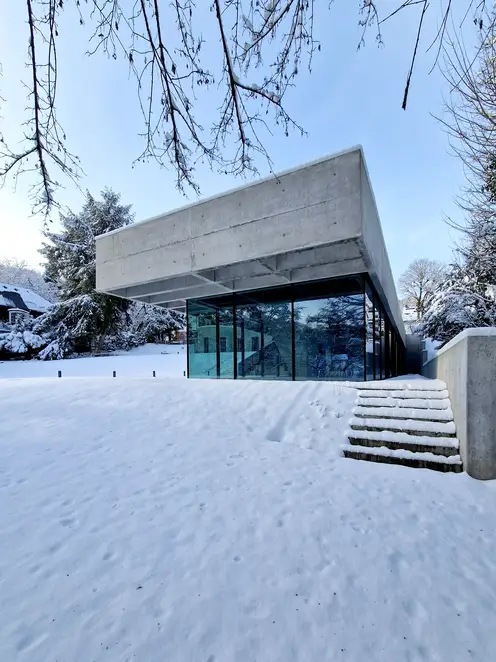
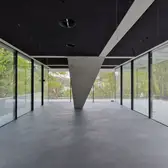
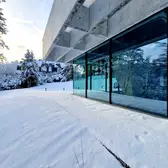
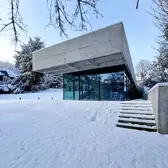
In the lowered new building, the entrance, cloakroom and gallery lead into the main room with its striking pillar, which opens the garden level.
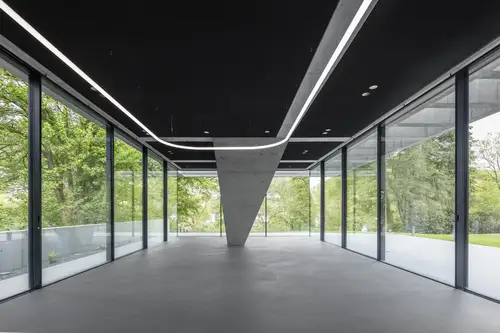
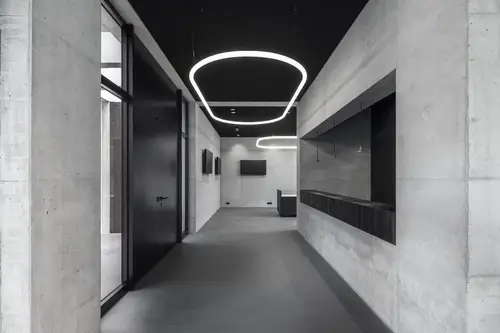
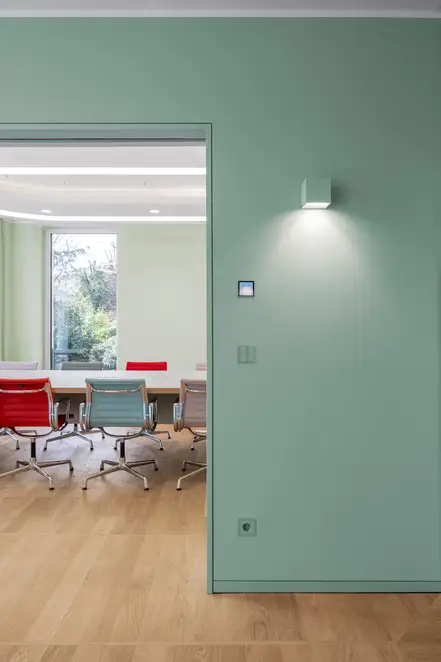
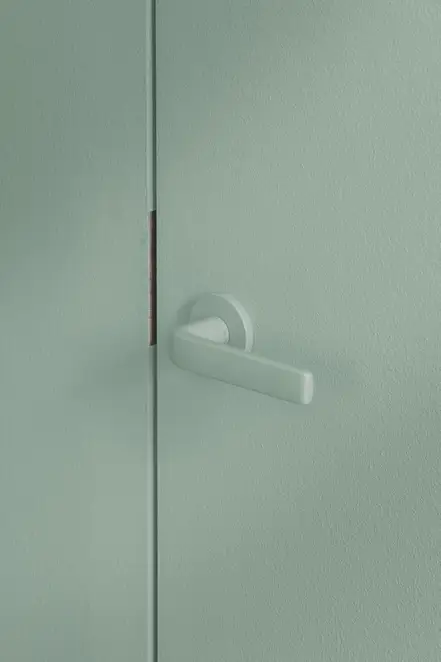
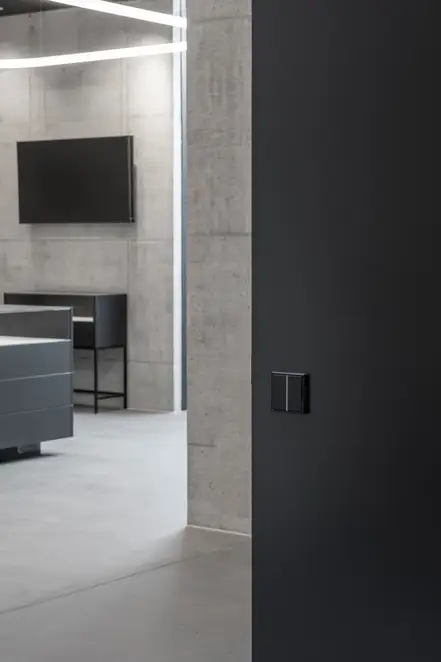
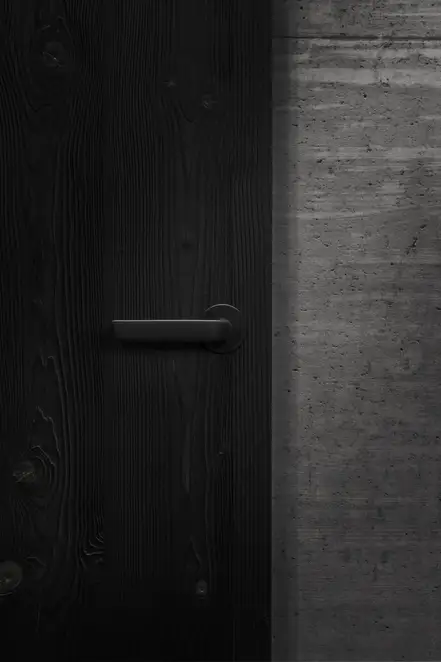
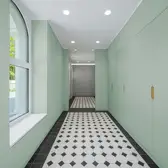
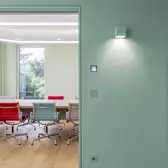
In interiors, great importance was
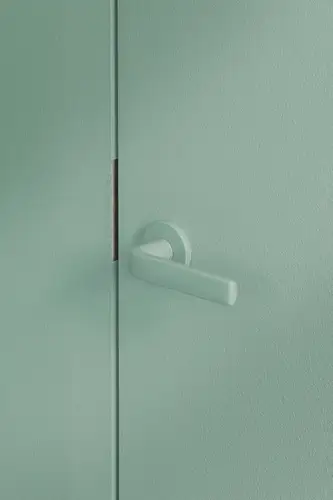
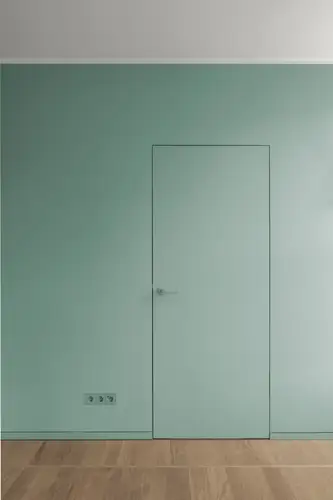
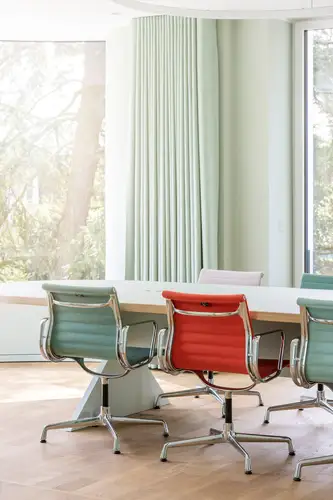
haptic surfaces and a harmonious interplay of materiality
and colour.
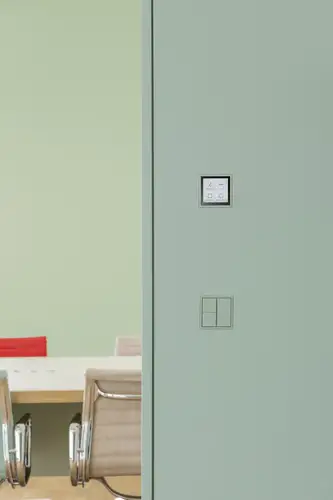

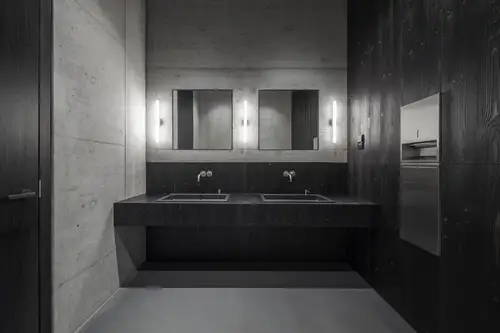
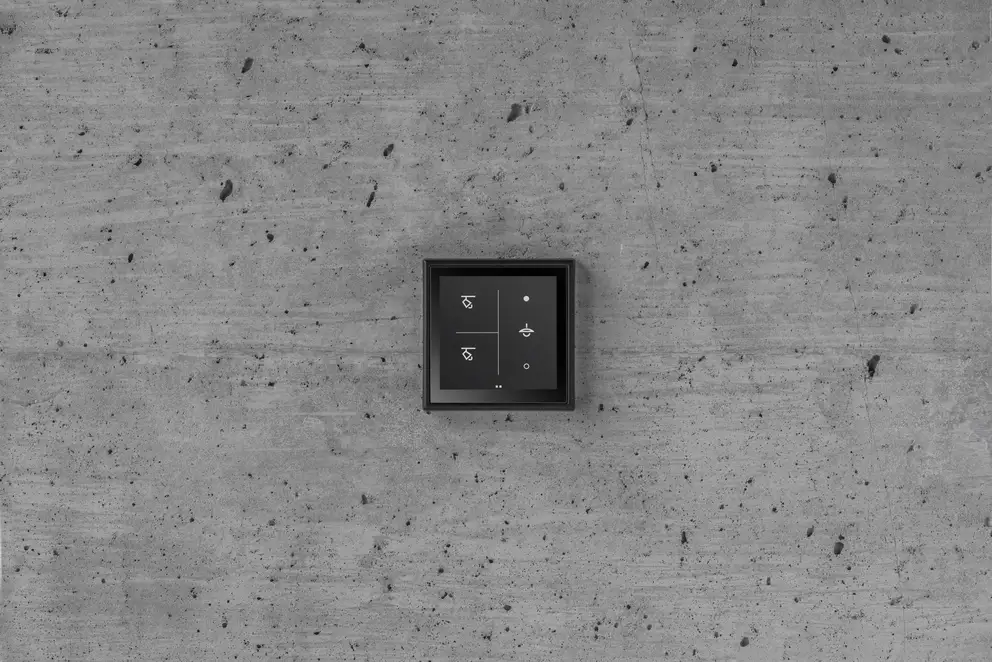
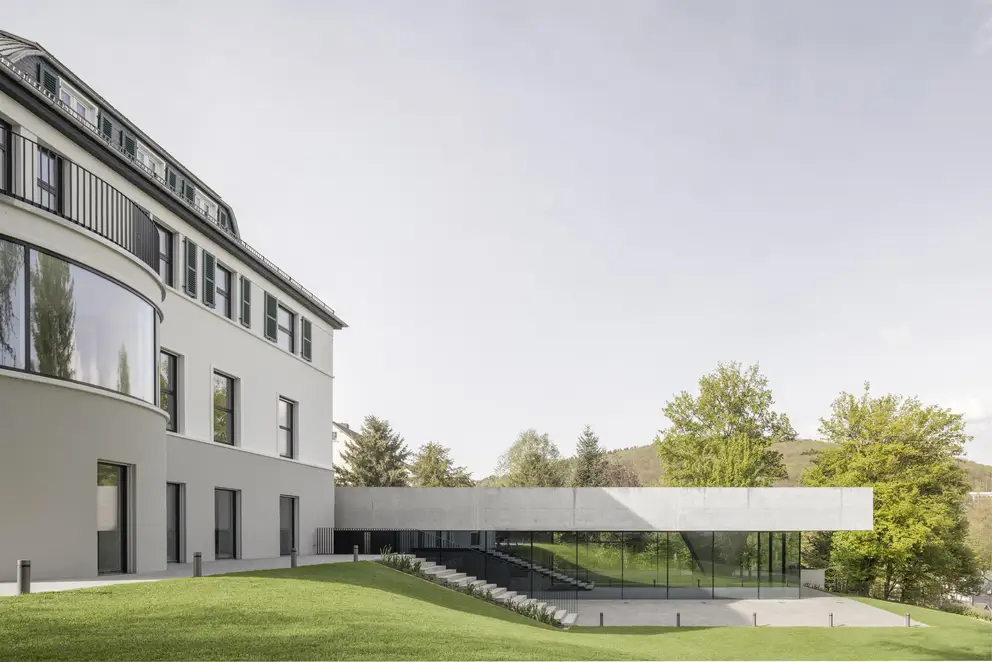
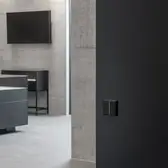
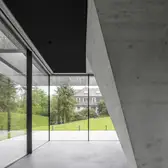
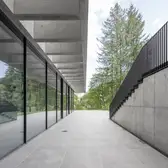
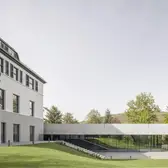
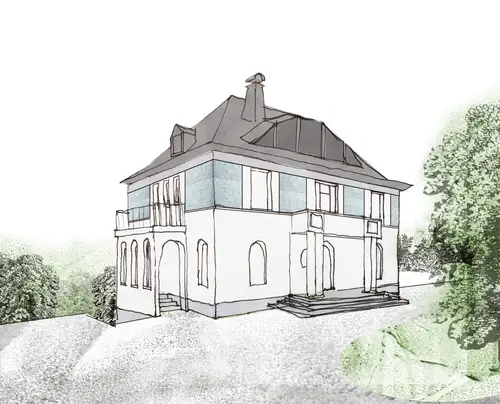
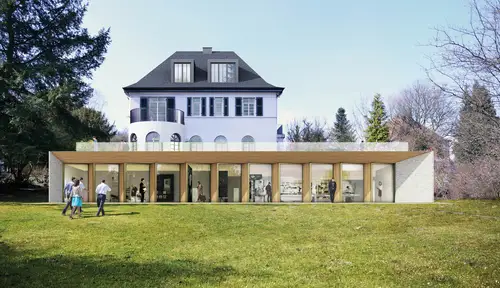
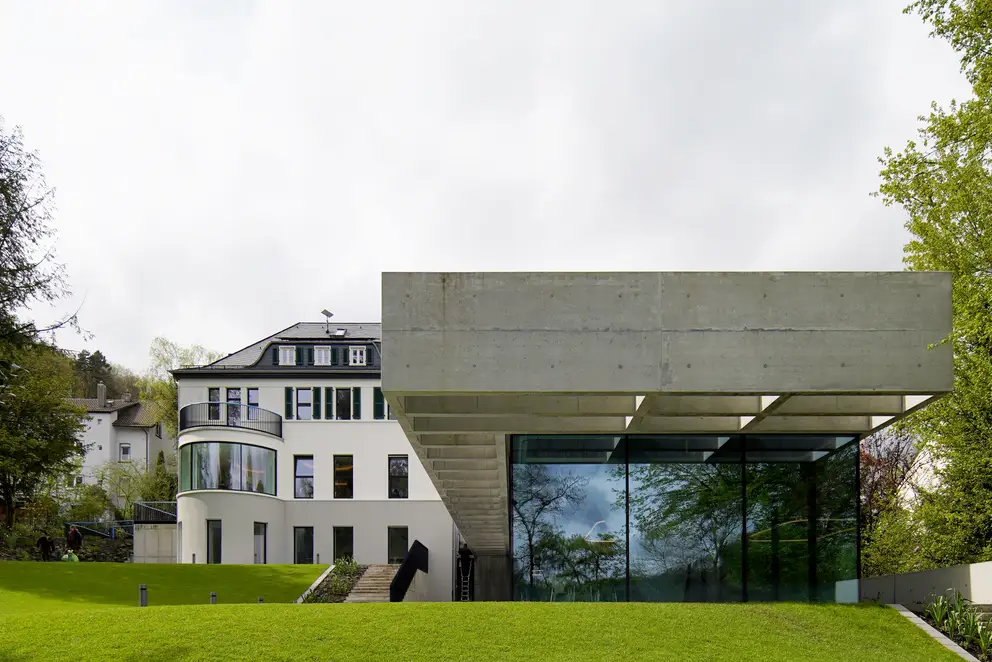
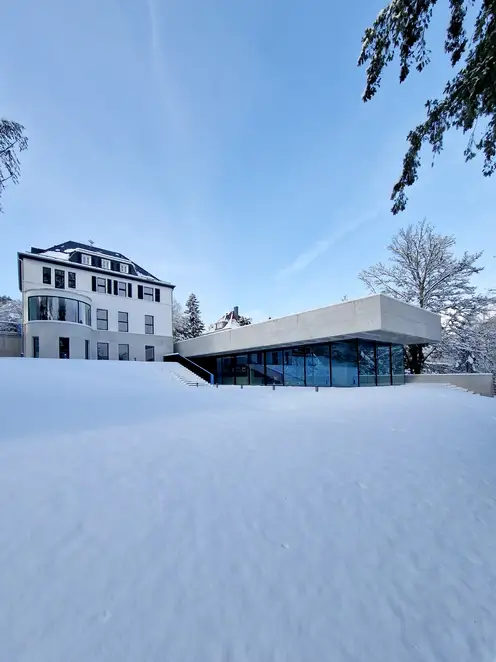
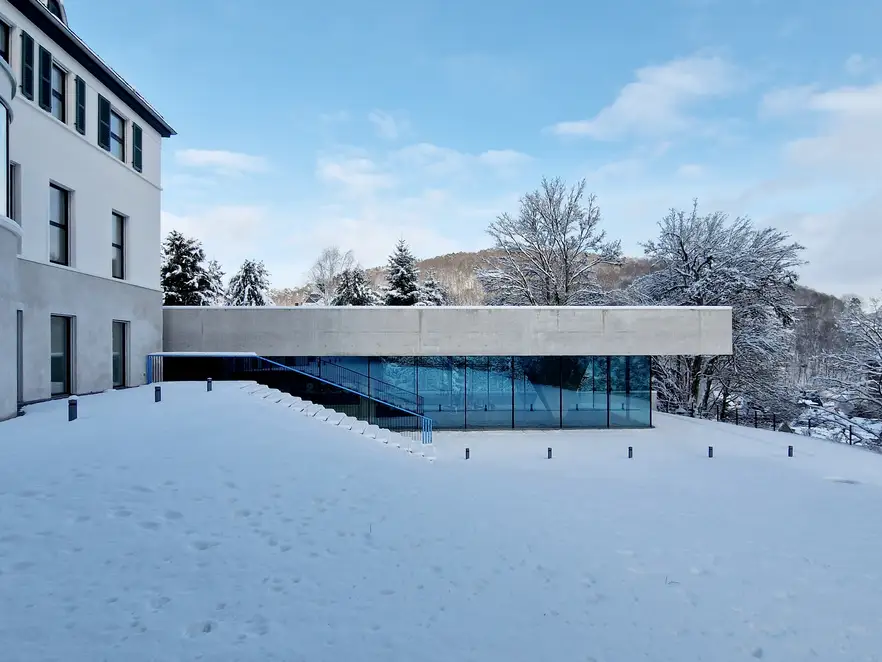
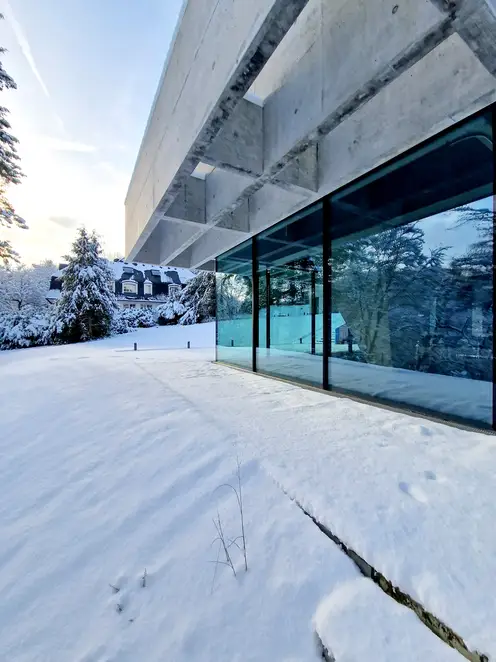
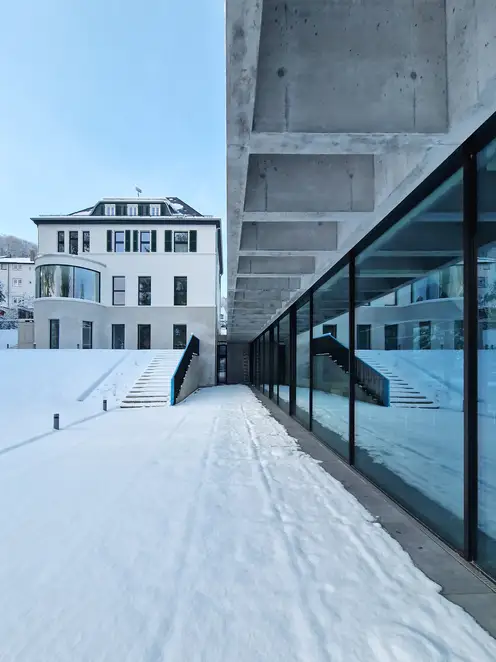
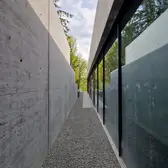
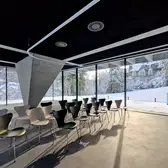
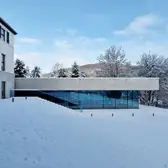
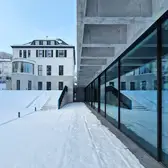
Here you can vision further insights into the impressive architecture of the founding villa and the newly built pavilion. The pictures capture the special atmosphere and the harmonious interplay of old and new that characterise the building ensemble. Discover details of the historic building fabric as well as modern accents that emphasise the contemporary design and bring the unique transformation of the villa to life.



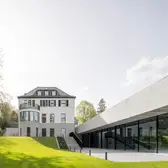
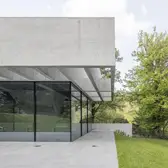


Young, dynamic, creative
The competition placed particular emphasis on the expertise of young architectural companies. it was a requirement that the company was founded 2011 or later in order to take part. In contrast to most procedures in the German competition system, a conscious decision was made to focus on the ideas and expertise of young architects.
In addition to the four-member expert jury from JUNG, the jury consisted of Peter Cachola Schmal from the German Architecture Museum and the architects Sabine Keggenhoff, Jan Kleihues, Elke Reichel, Roger Riewe and Michael Schumacher. They had to judge a total of 33 works from Germany, Switzerland, the Netherlands, Austria and Luxembourg.


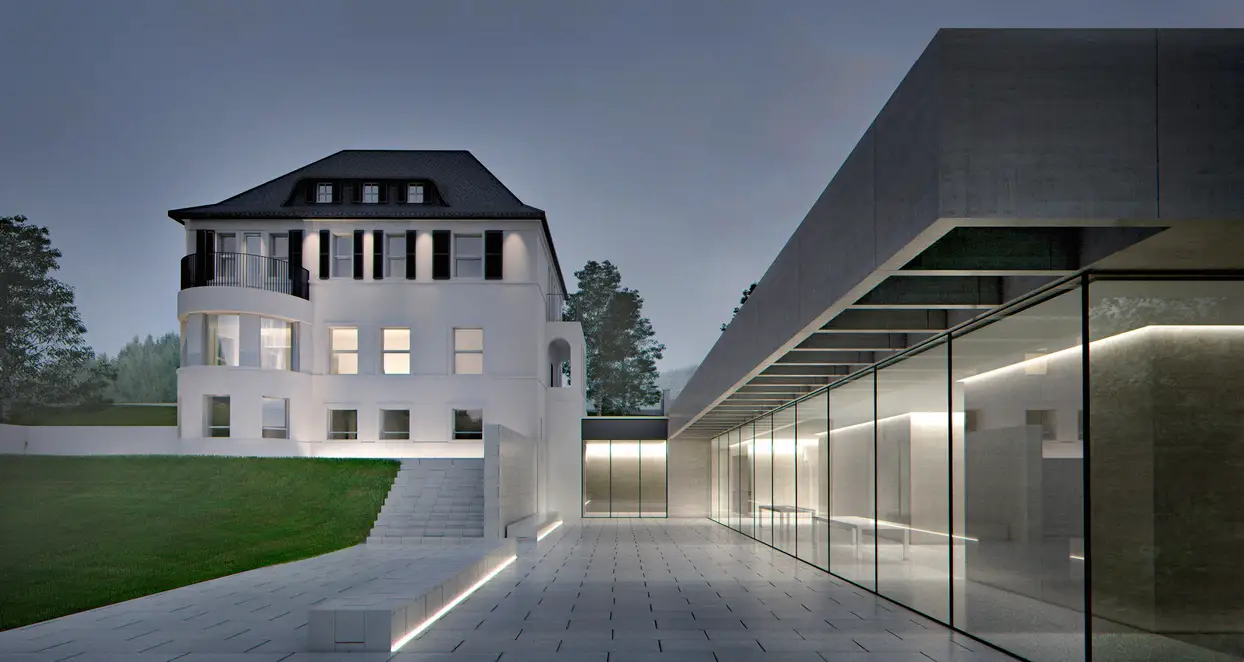
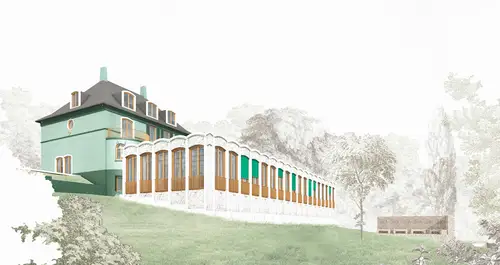
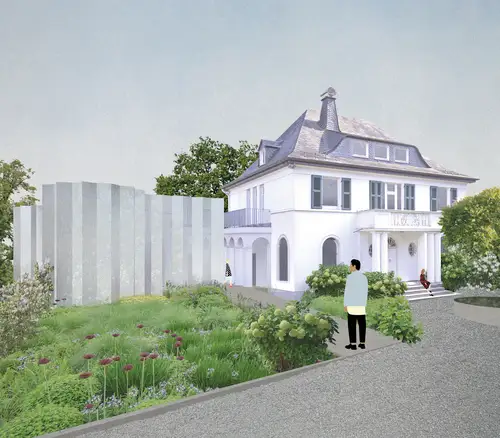
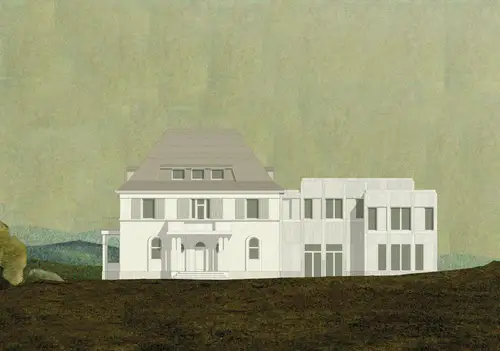
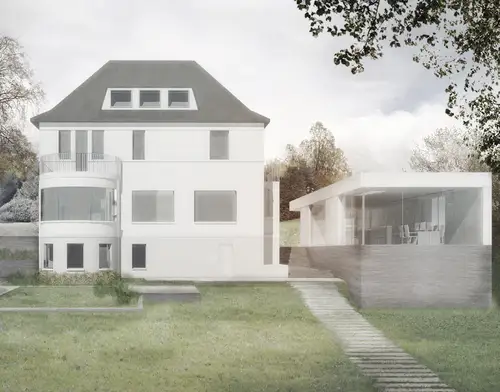
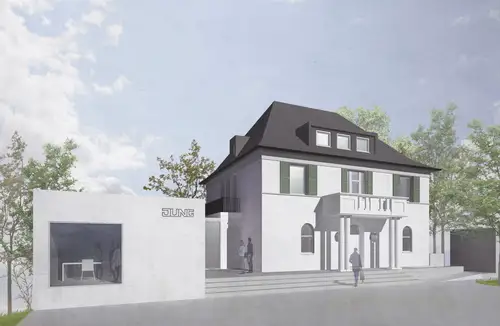
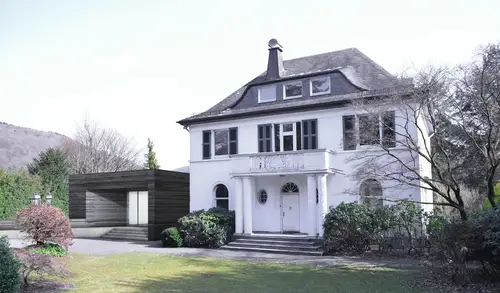
The winning design nga Nehse & Gerstein Architects BDA, Hanover
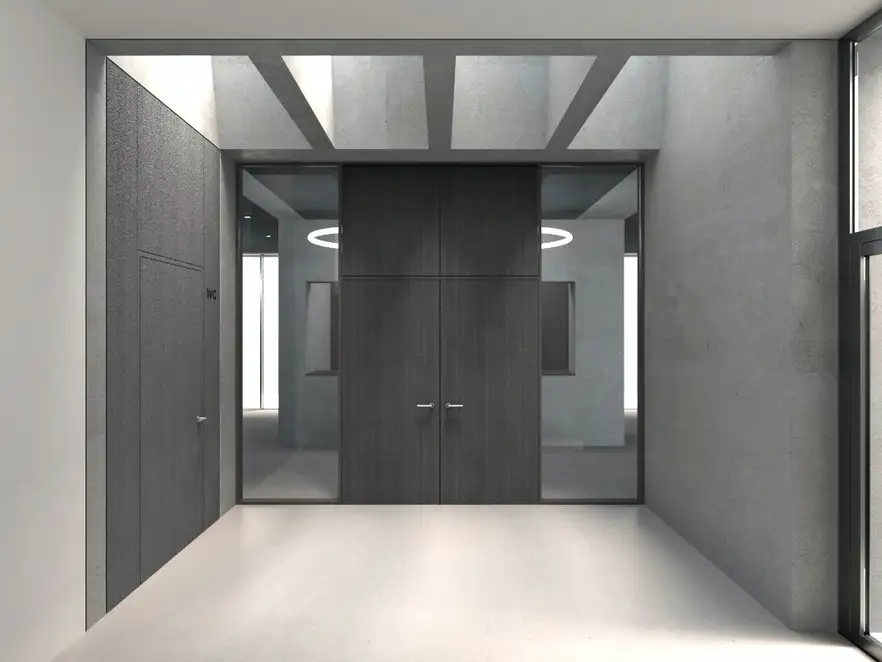
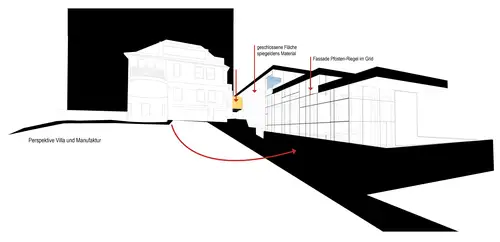
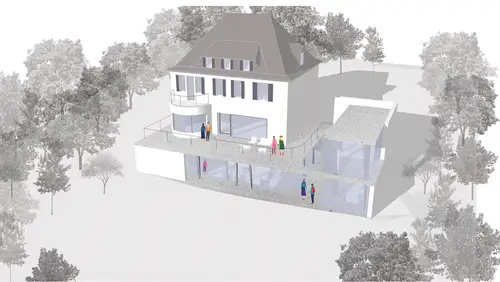
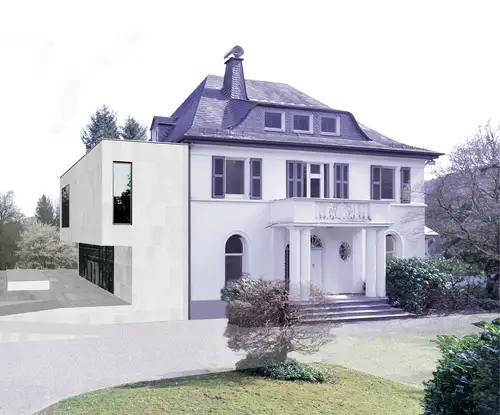
The design impresses with "its architectural qualities, the positioning and proportions of the new building and the respectful treatment of the existing villa" (jury). It strengthens the identity of the site by freeing up the existing villa, generating new visual references and perspectives and significantly enhancing the gardens through the resulting spatial setting.
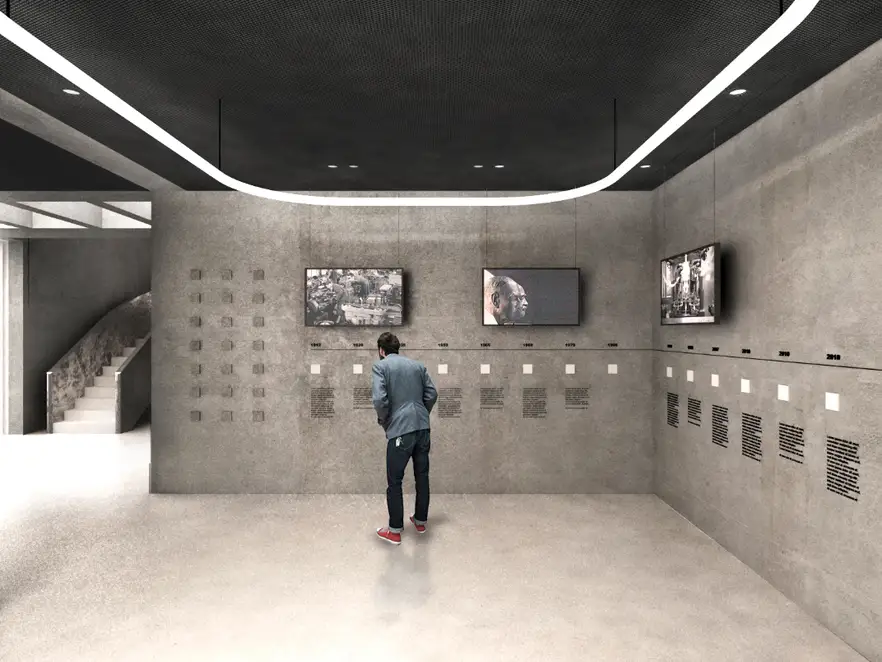
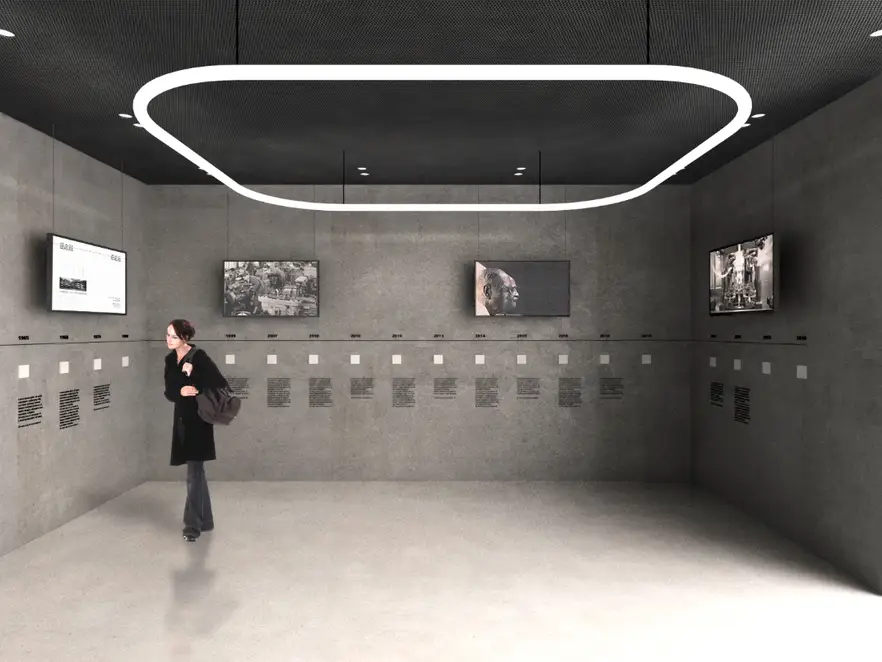
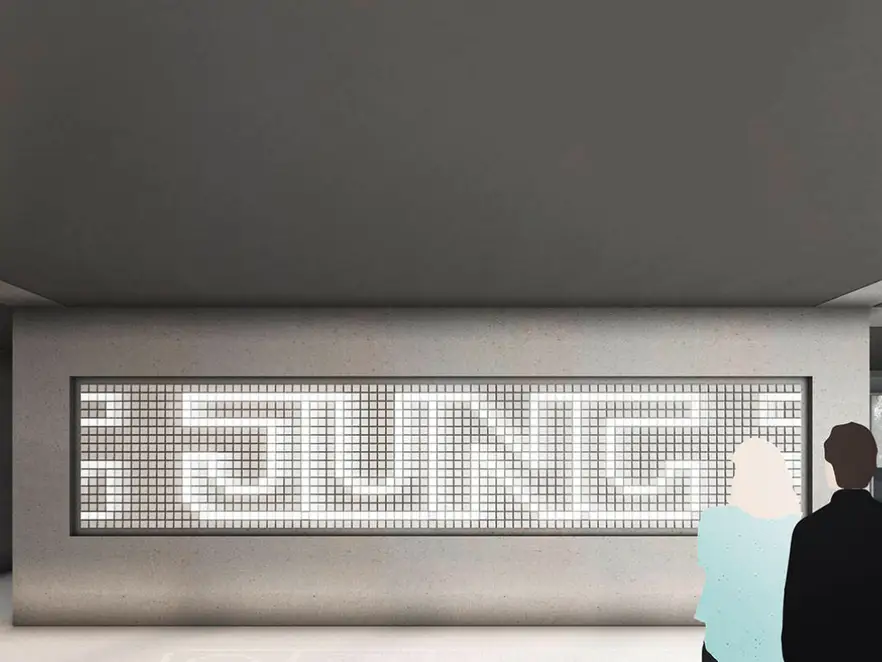
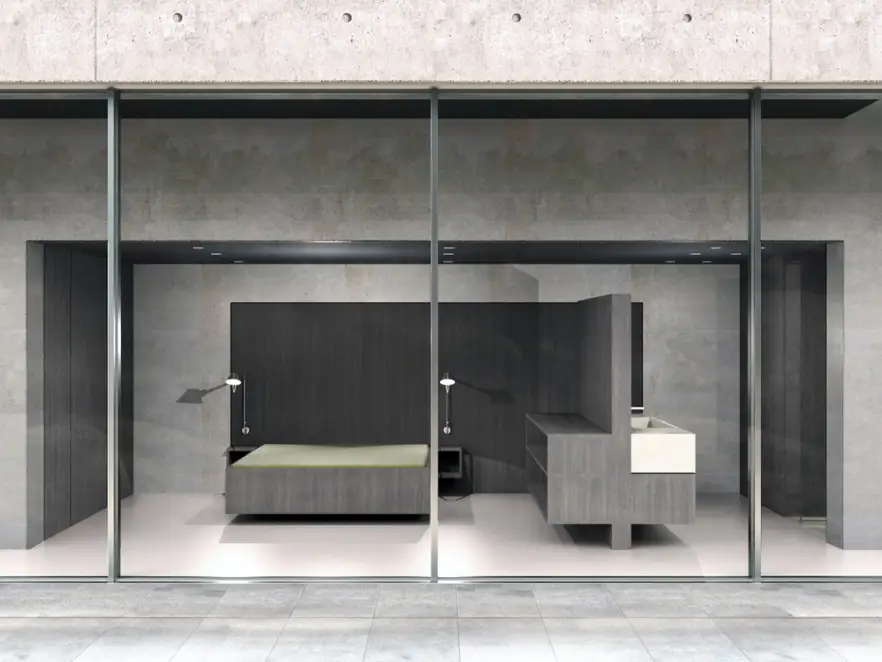
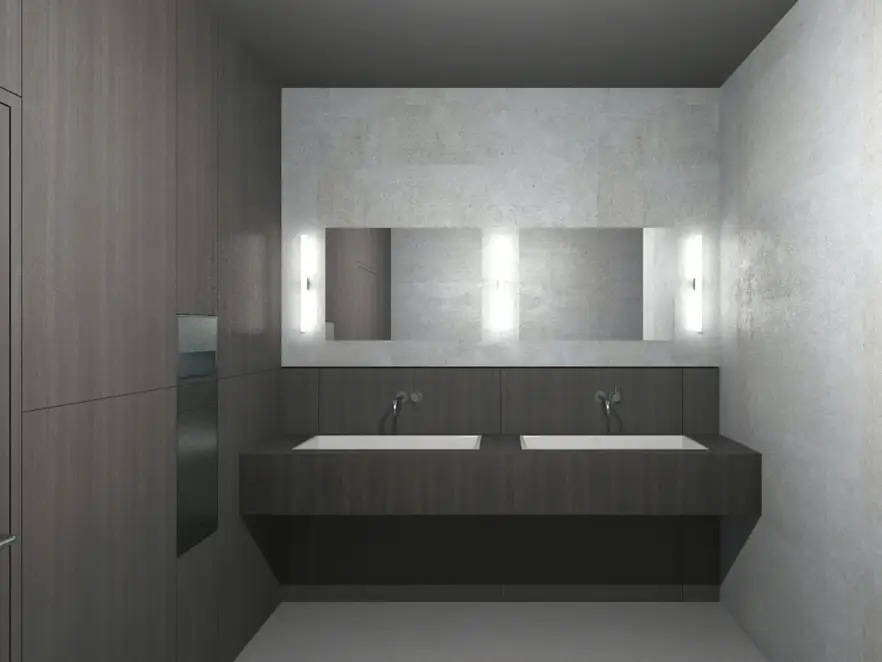
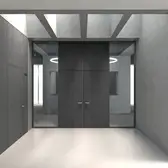
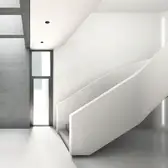
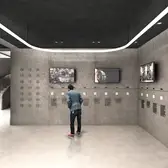
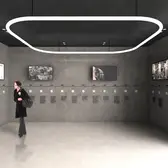

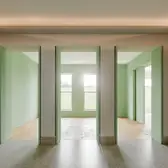
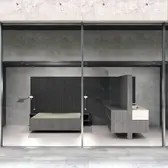
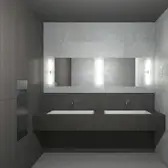


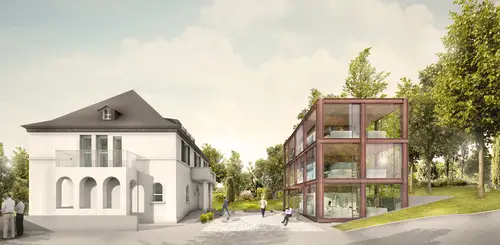
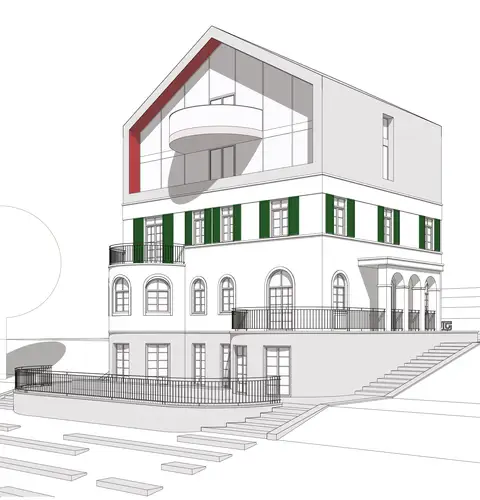
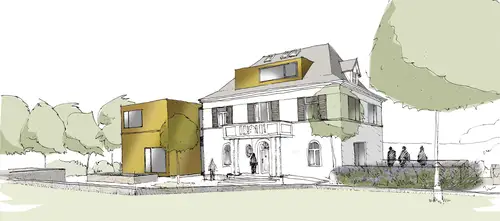
A second prize was awarded to the collaboration between architects Feyyaz Berber and Timo Steinmann from Cologne with their "formally independent design concept, which represents a thickness and surprising attitude" (jury). Another second prize went to Studio Yonder from Stuttgart with their design of a "free pavilion that positions itself as a vertically fanned and structured building in an independent, playful and light manner" (jury).
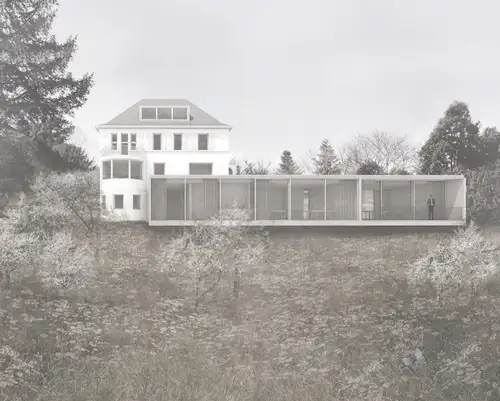
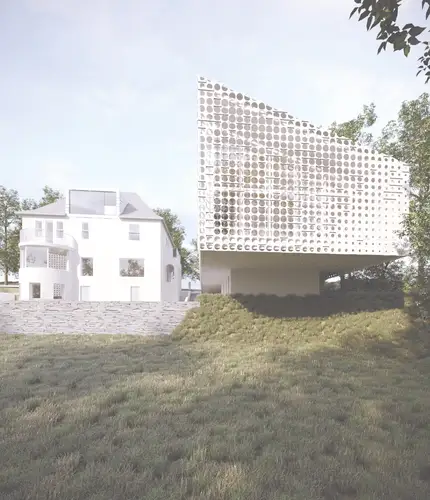
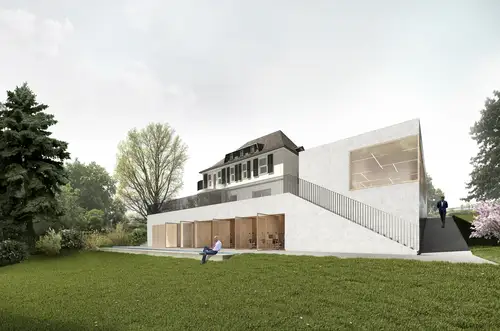
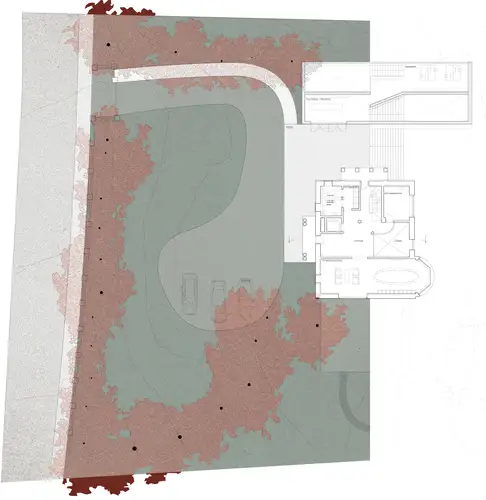
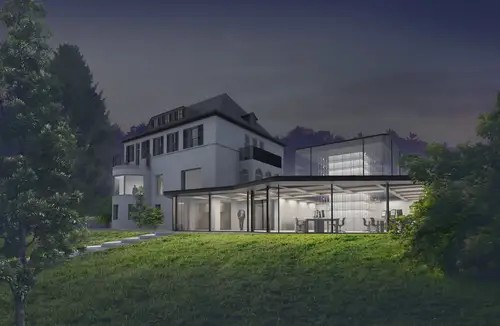
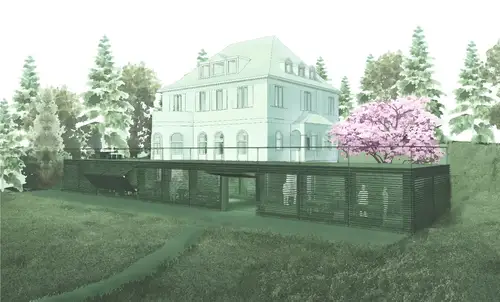
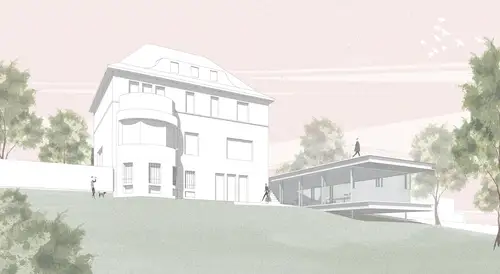
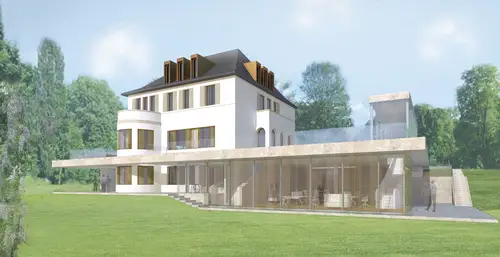
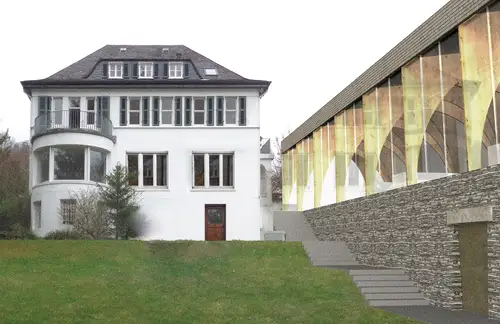
The works of Studio 2XK from Münster and BURUCKERBARNIKOL from Dresden were each honoured with a purchase as special recognition.
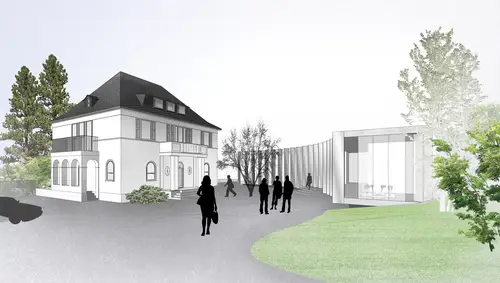
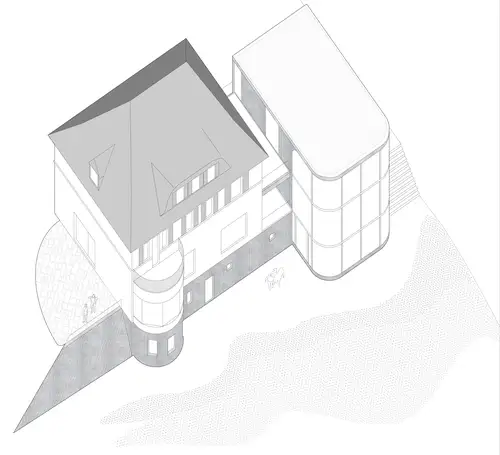
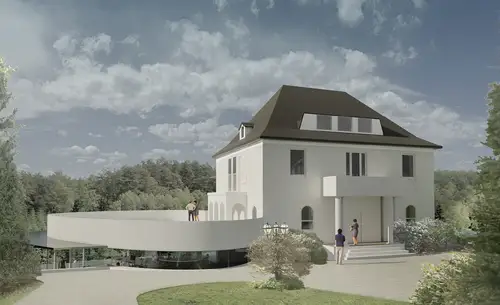
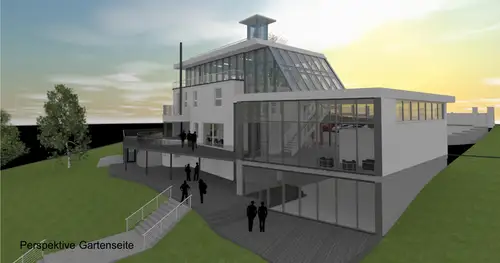
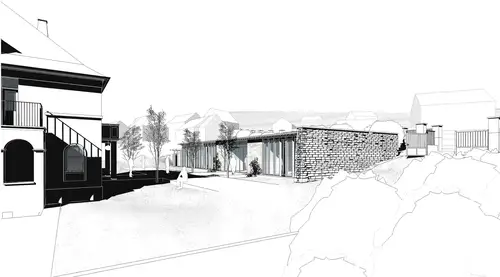
Other noteworthy submissions
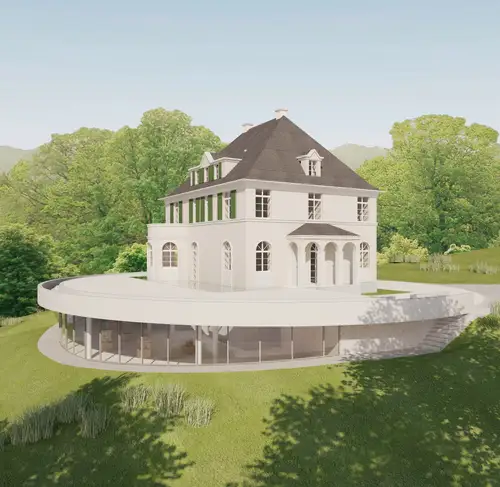
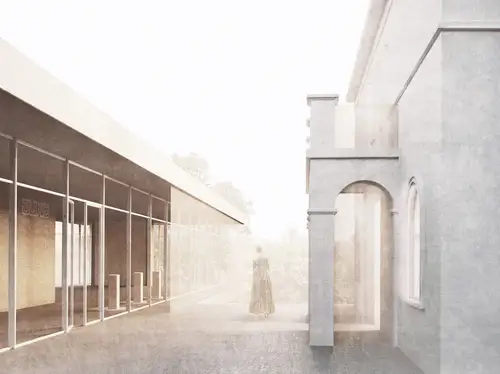
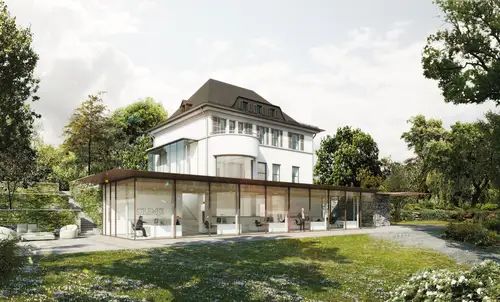
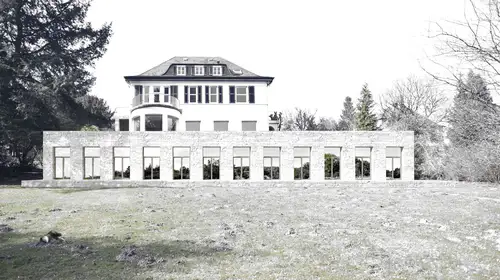
Start of construction and construction phase
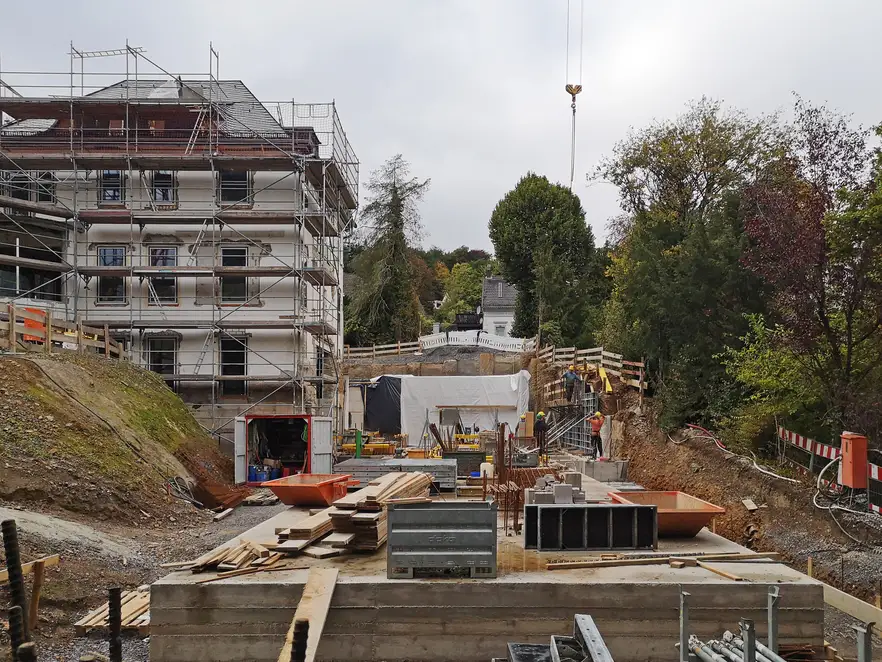
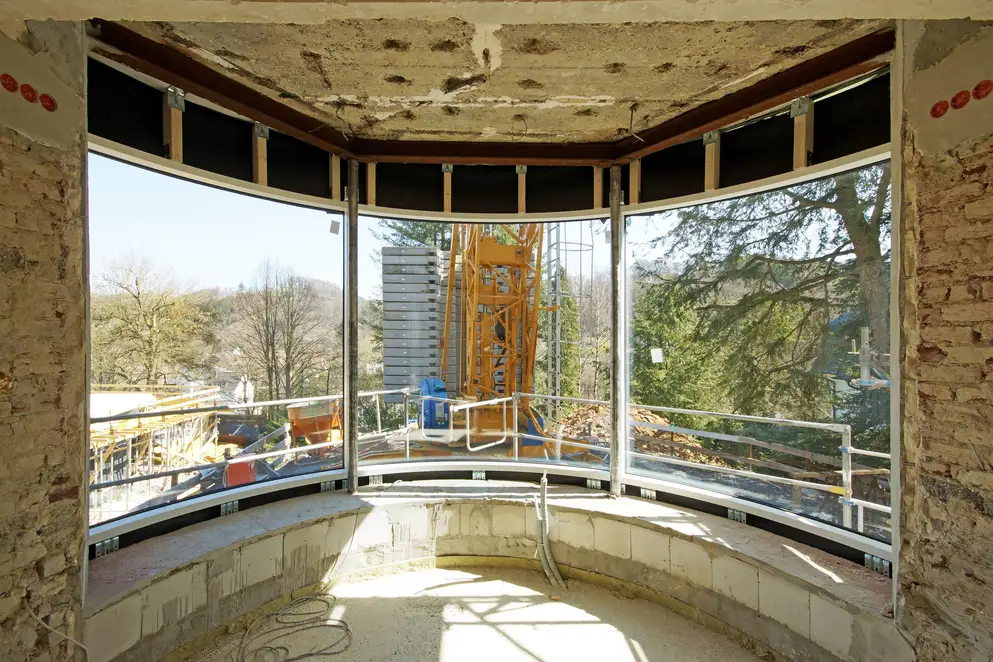
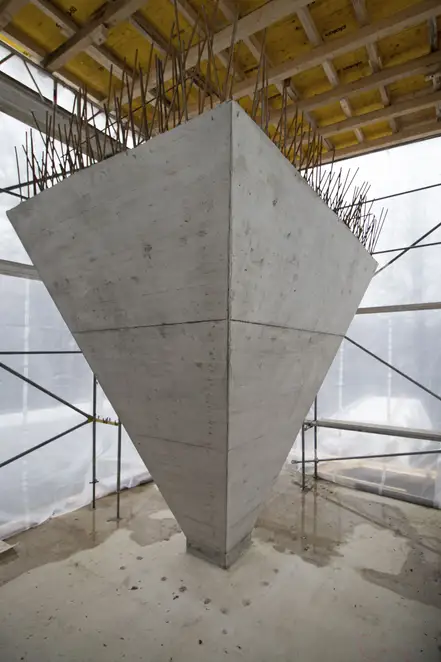
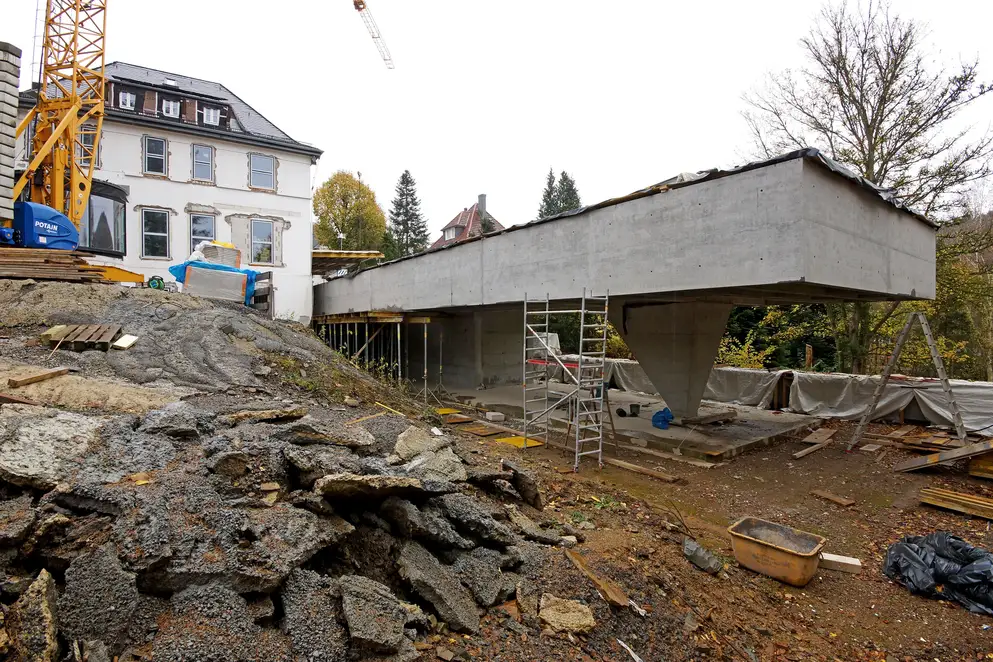
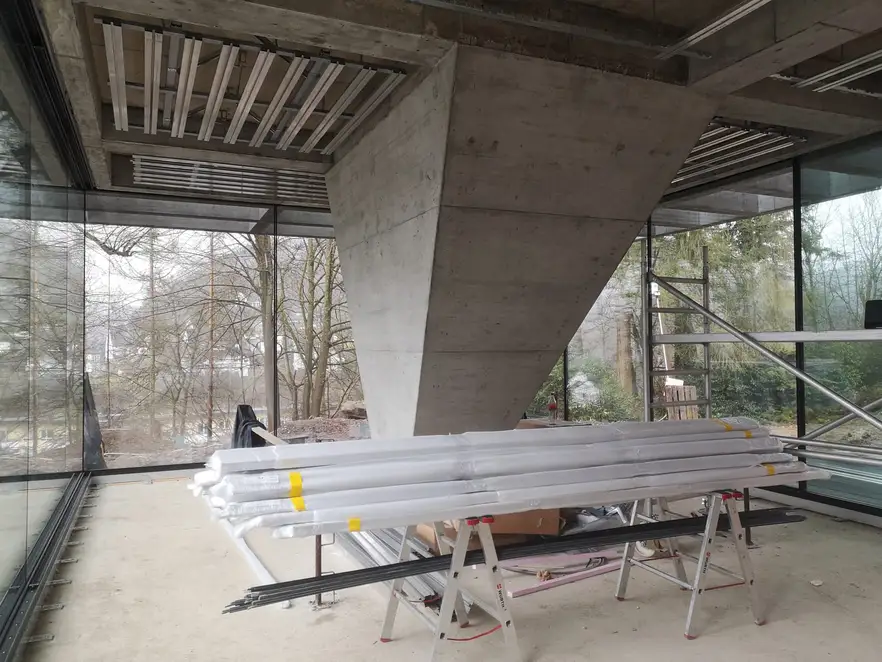
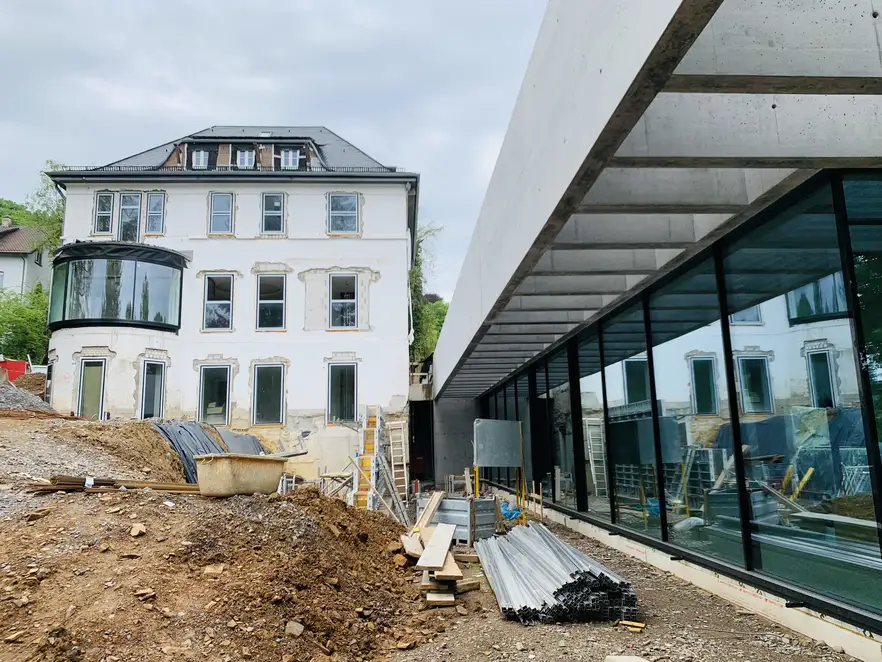
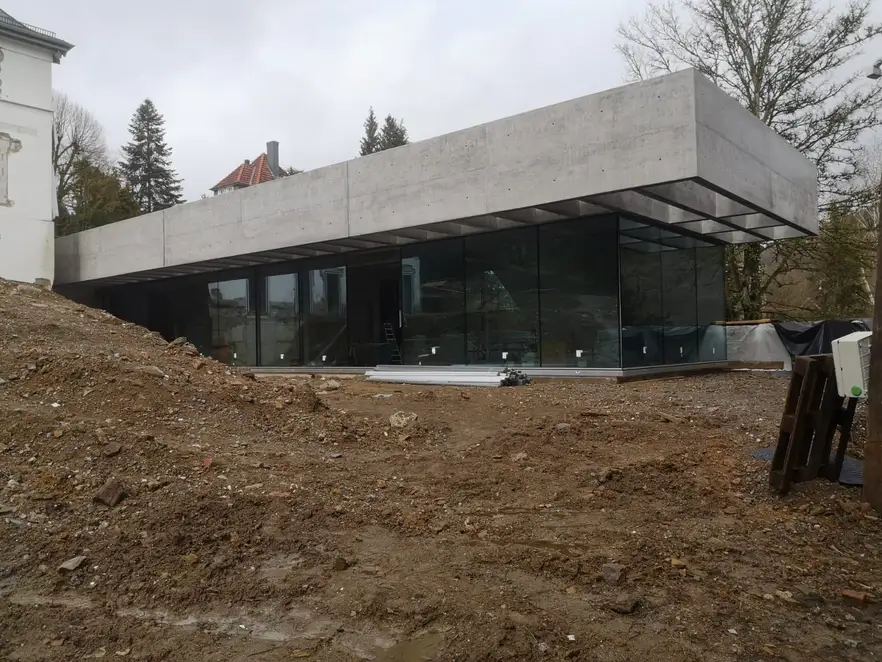
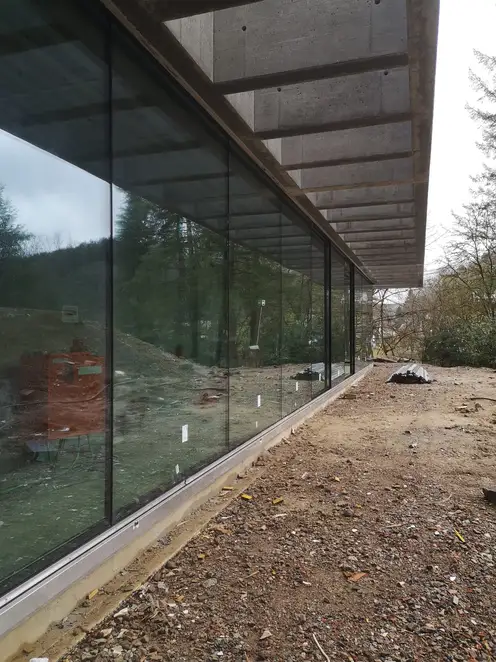
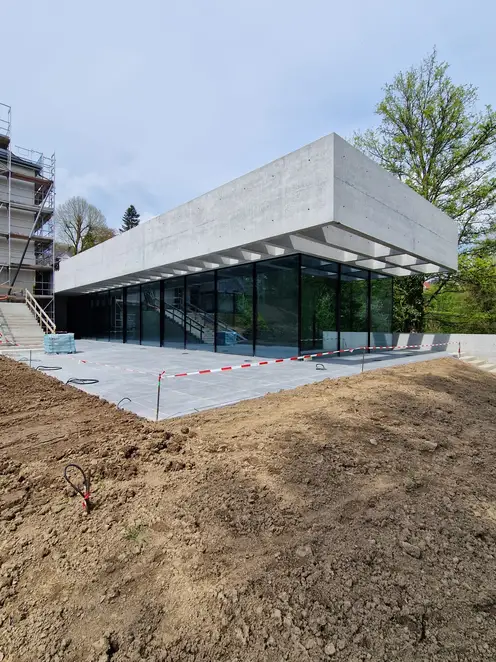
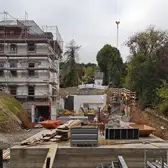
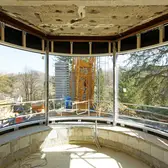
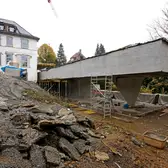
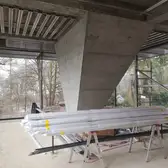
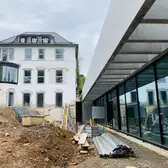
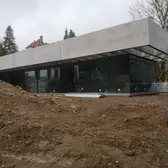
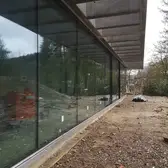
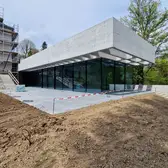
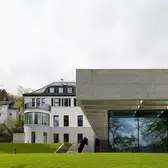
The construction phase of the JUNG founder's villa, which began in 2019, is a carefully realised project that preserves the historic character of the building while integrating state-of-the-art technology. The building was extensively renovated and remodelled in close cooperation with the architects from NG Architekten. The aim was to preserve the historic fabric of the building and at the same time create a modern, prestigious company headquarters.
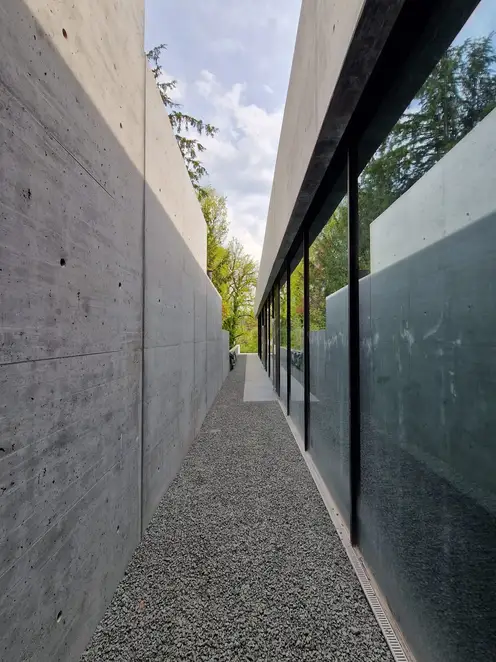
This photo gallery documents the remodelling and extension of the founder's villa. Here you can experience the architectural changes that have transformed the historic residence of the company founder into a modern, functional and prestigious building.




Products and materials
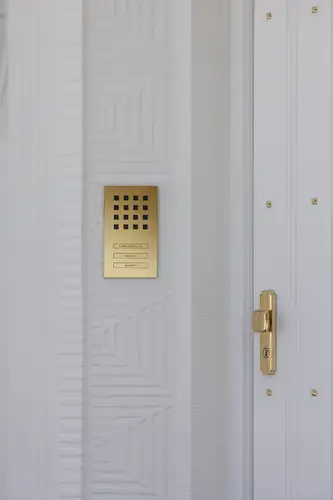
The JUNG founder's villa is not only an architectural masterpiece, but also a testimony to sustainable building and the highest quality standards. When selecting the materials and products, particular emphasis was placed on durability, functionality and environmental compatibility.