
Potato Head Studios, Bali | Indonesia
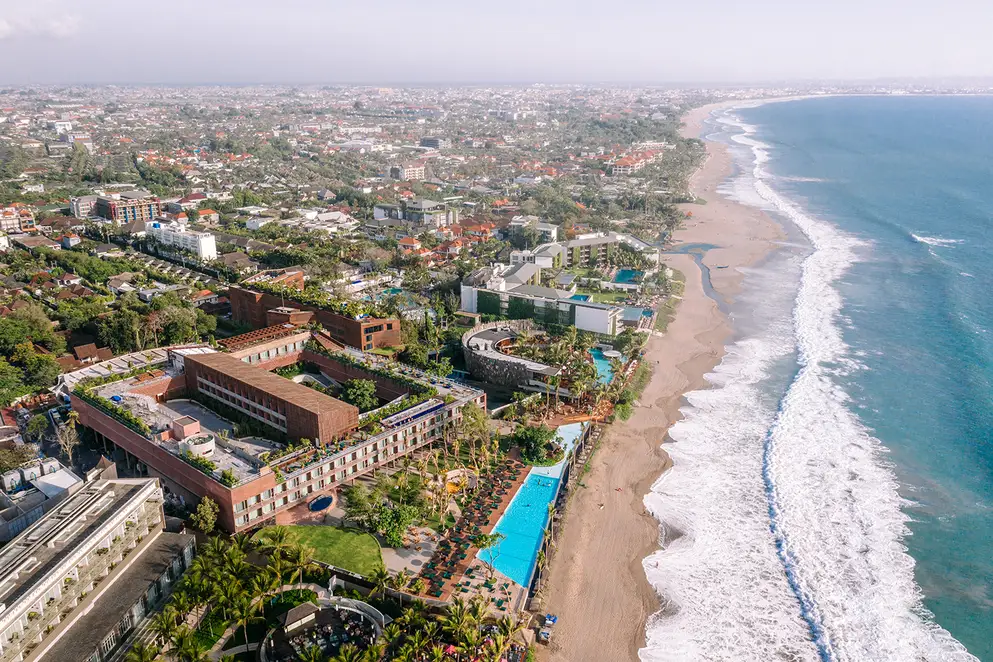
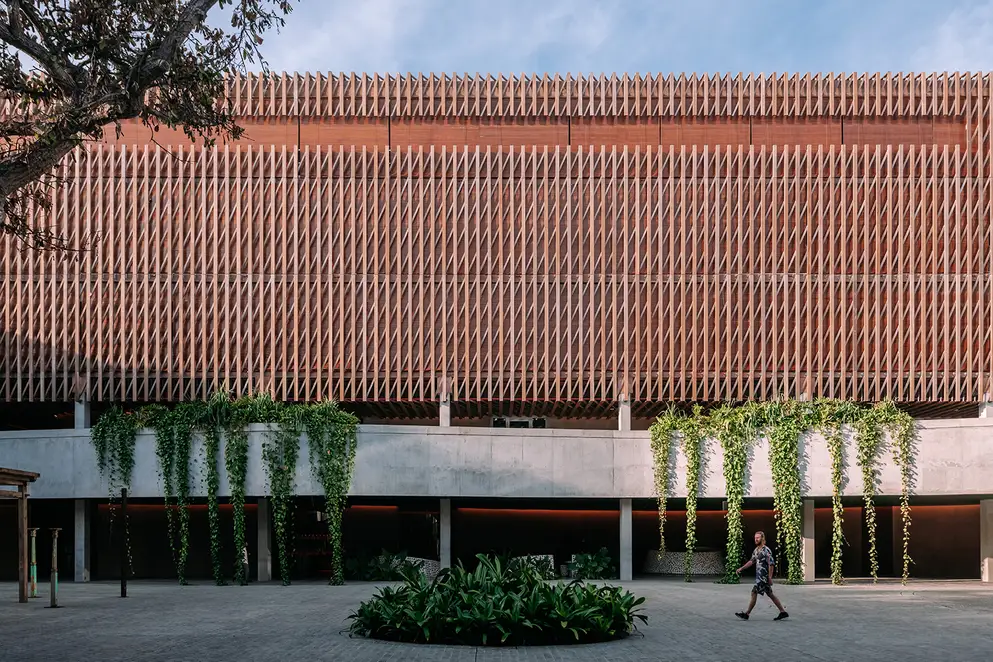
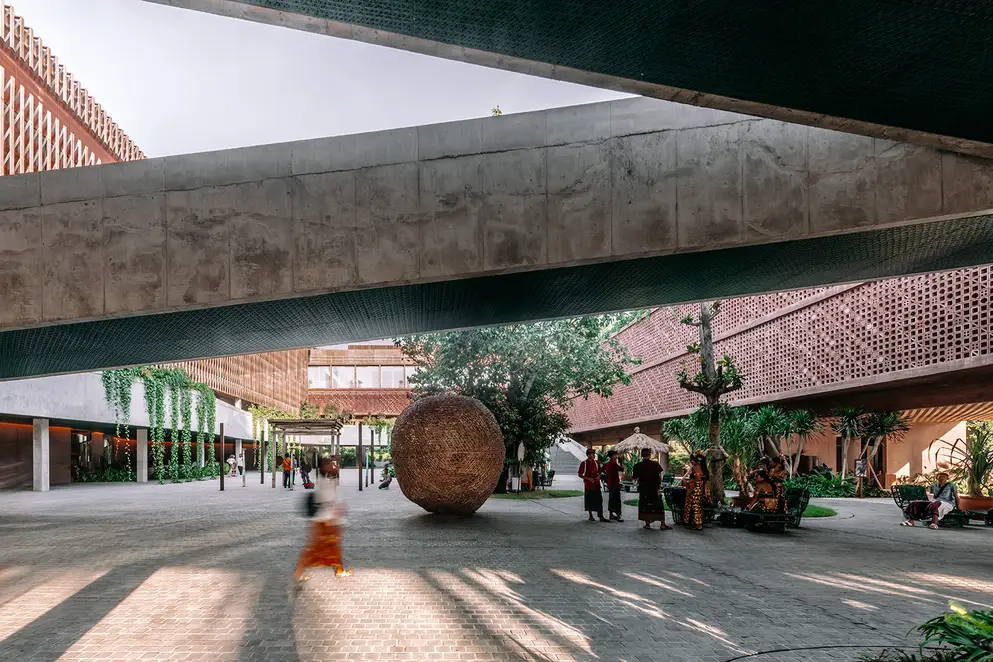
The Rotterdam architectural studio OMA is well-known for its buildings that are intended as public spaces but which question their own role and purpose. The architects from this renowned studio created a point of exchange between hotel guests and local people with Potato Head Studios, the Dutch architects’ first hotel on Bali. Potato Head Studios along with the Katamama Hotel and the Beach Club form ‘Desa Potato Head’, a ‘creative village’ where the borders between the public and the private sphere are blurred, as well as those between future-oriented thinking and traditional craftsmanship. The typical style of Balinese resorts is challenged, and emphasis is placed more on community than the usual exclusivity.
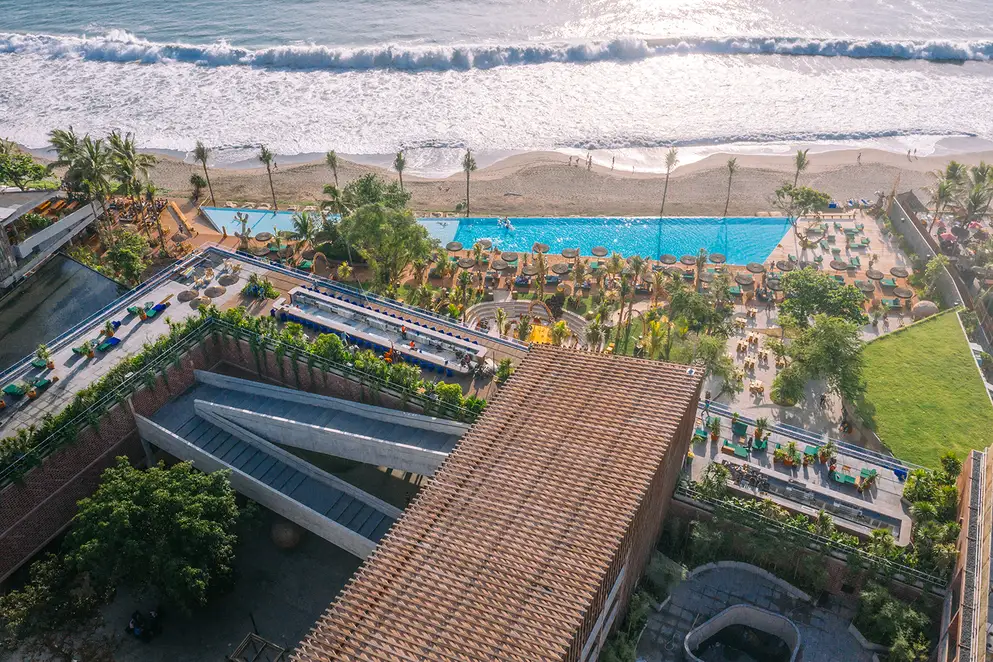
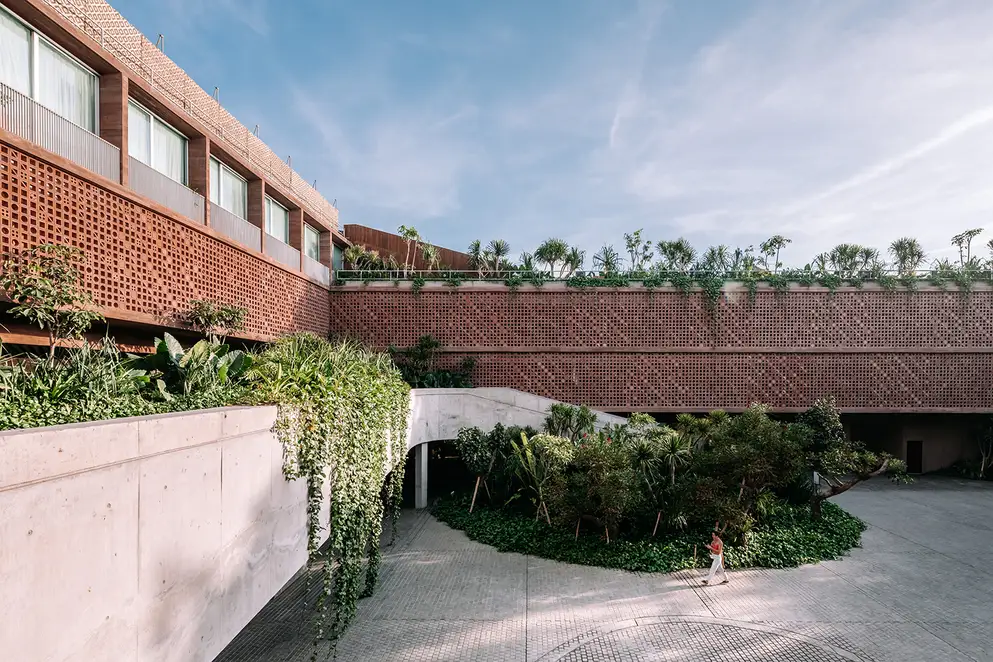
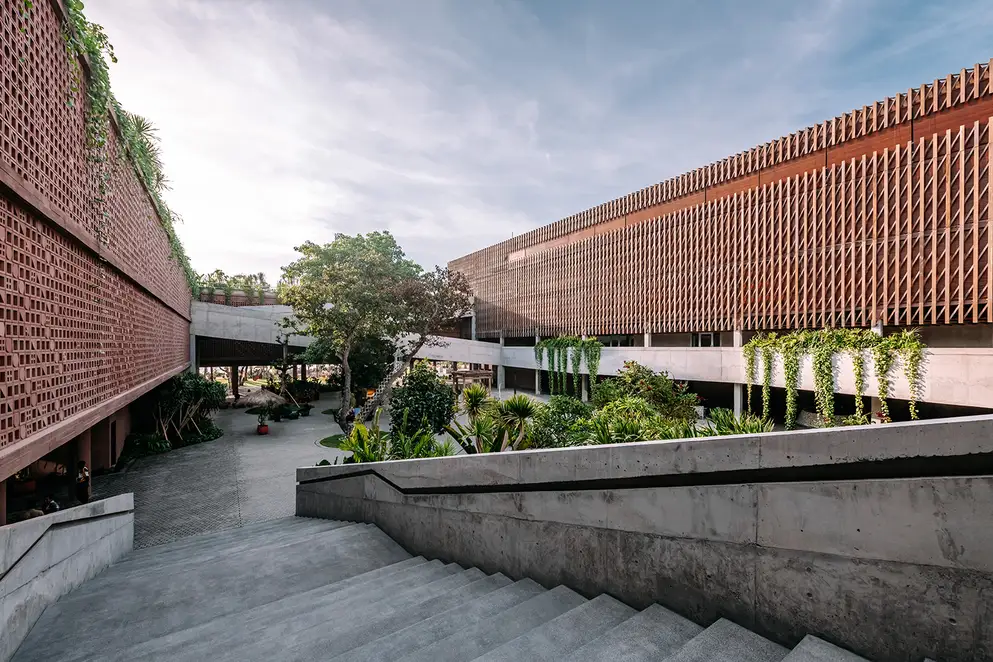
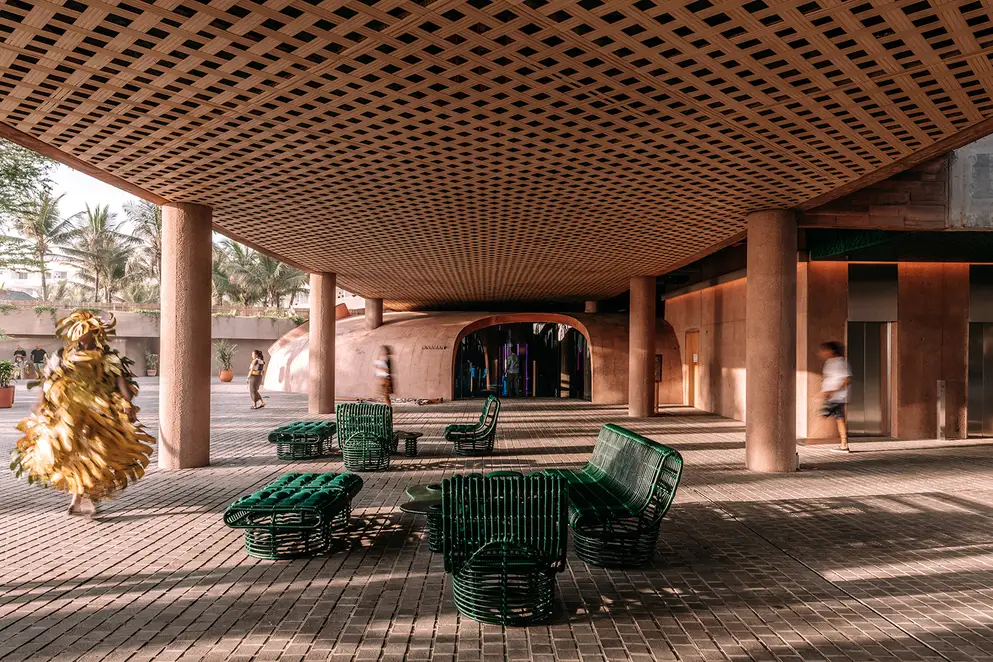
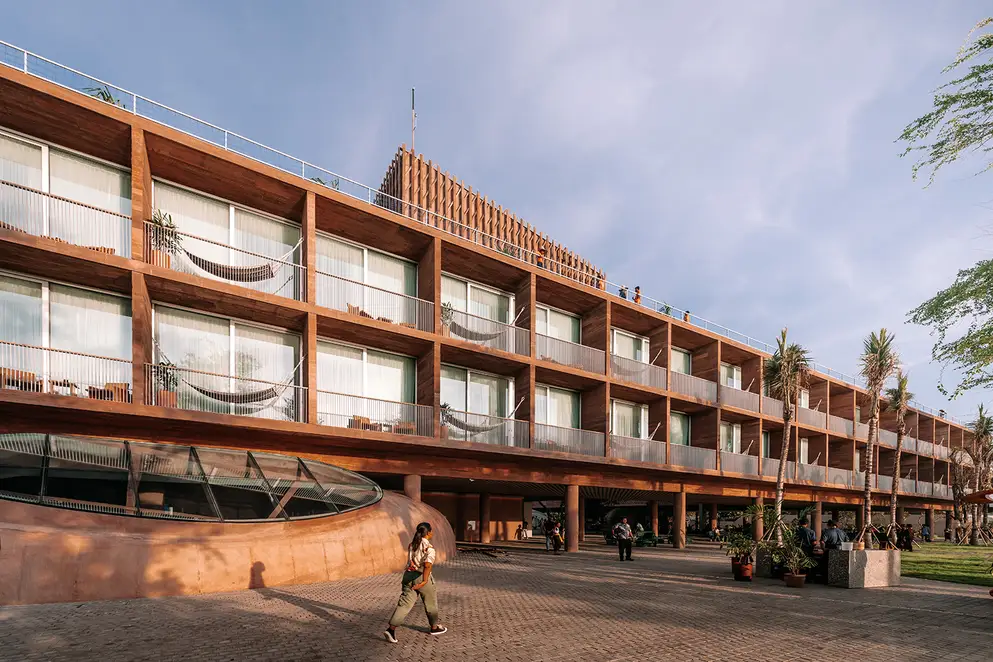
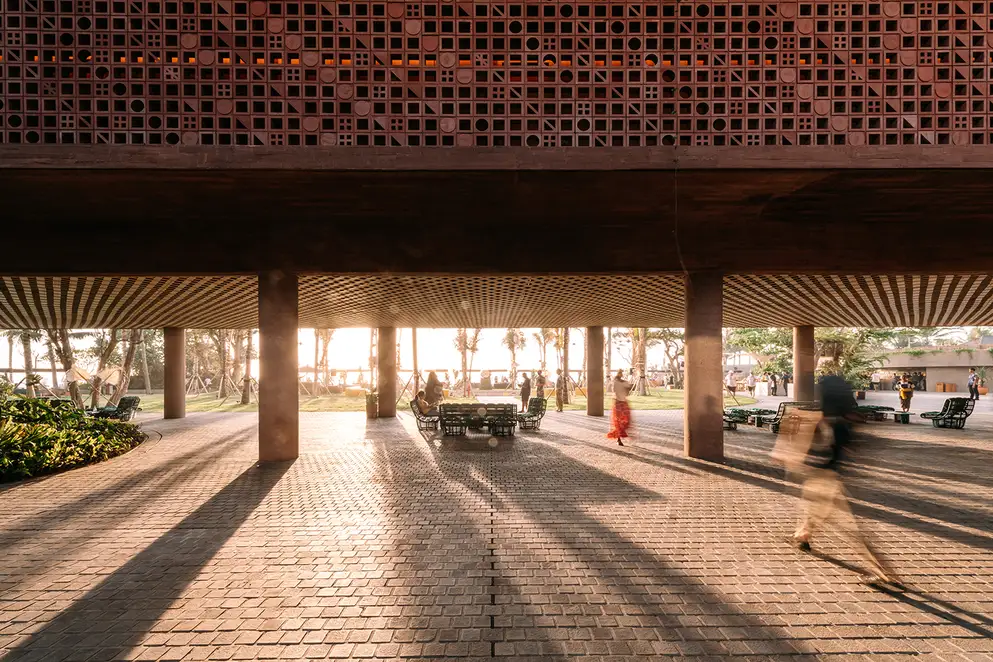
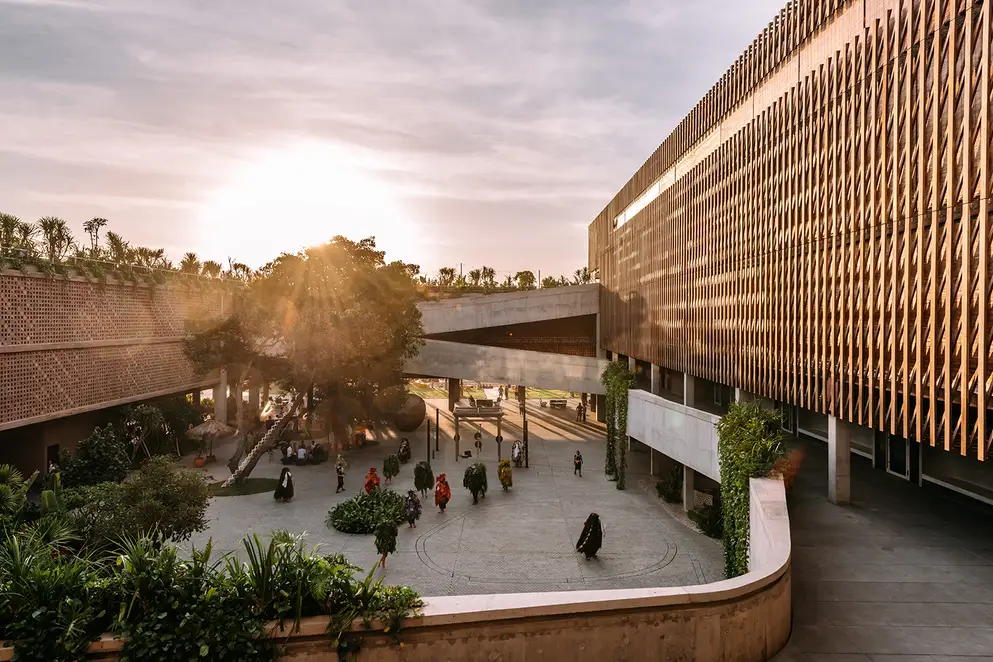
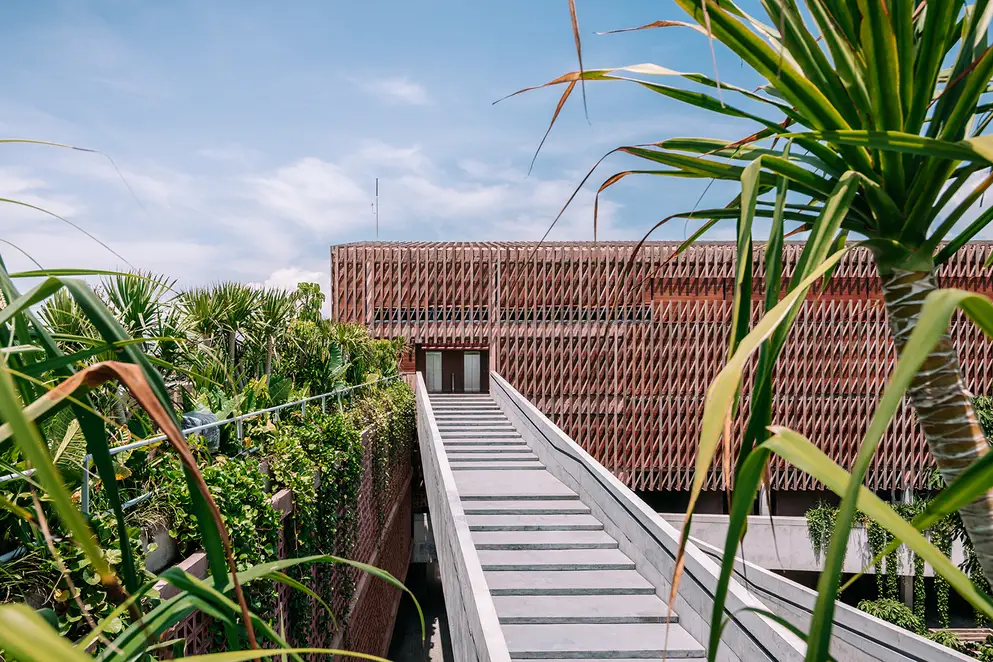
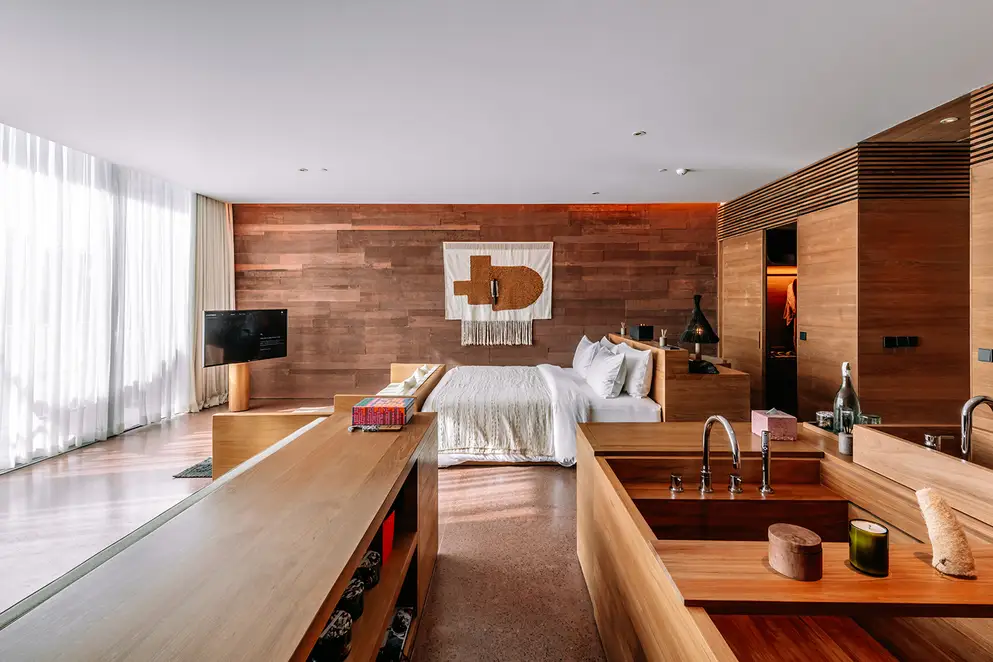
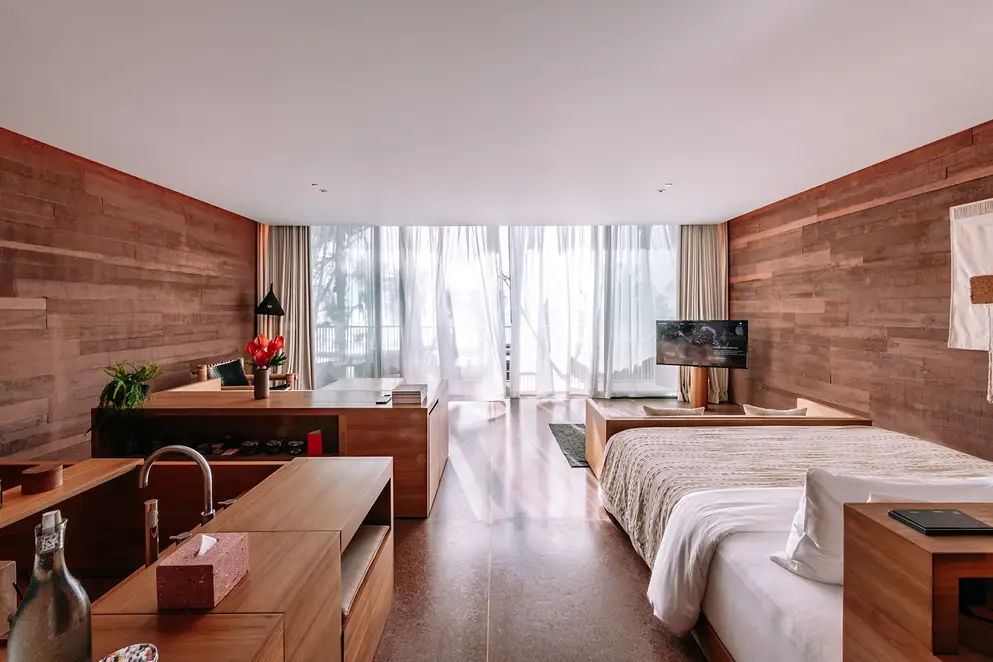
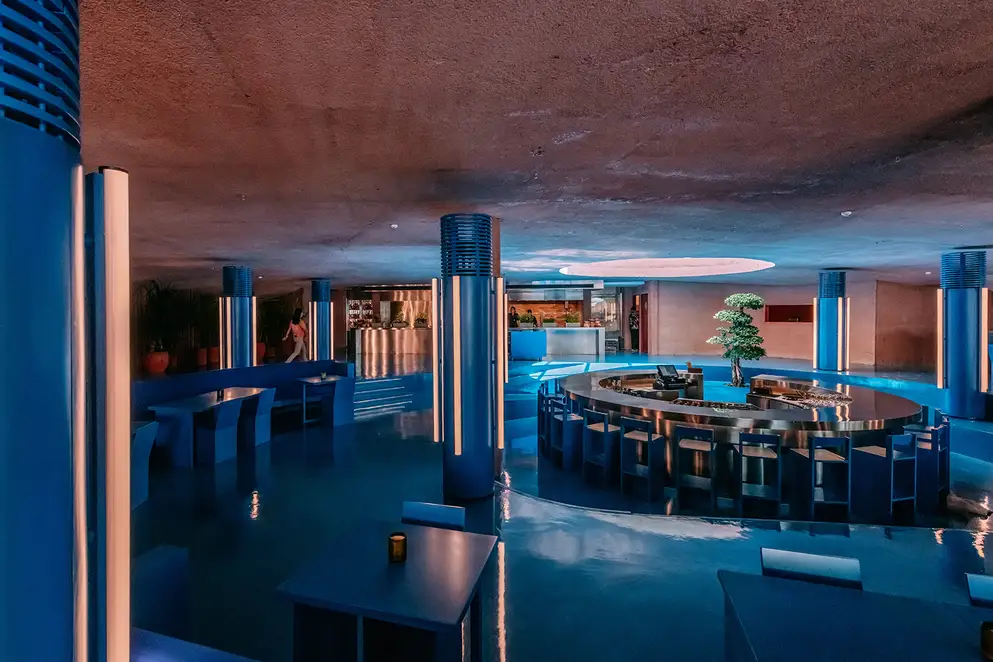
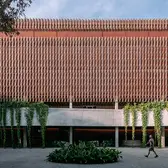
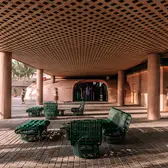
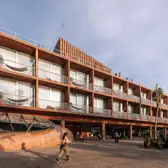
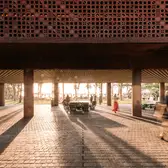
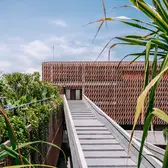
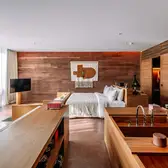
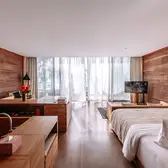
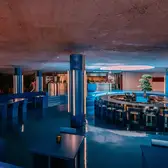
Potato Head Studios came into being in Seminyak, in the south of the island, a hotel not only dedicated to the guests in its 168 rooms, but also to the local community. Indonesian traditions – both sociocultural and architectural – served as the foundation for planning the hotel: the result is an open cultural outline including a typical Balinese inner courtyard and, above them, a floating ring lifted by pilotis. This floor houses the guest rooms and the elevated private gardens that are famous in Indonesia, as well as public spaces like an exhibition room and a bar. The space is a very versatile stage, hosting festivals, cultural events and everyday leisure activities. Every visitor, whether a hotel guest or a local, is welcome to come and experience contemporary Balinese culture. The roof of Potato Head Studios features a sculpture park that is open to the public and brings together restaurants, pools and spas.
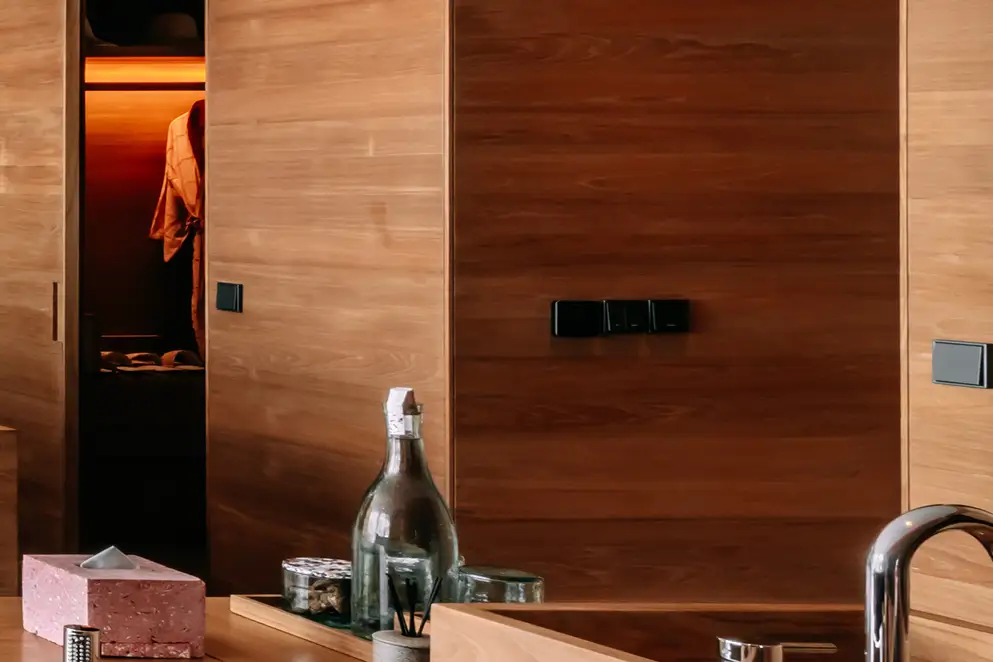
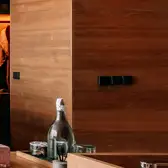
The textures of some of the concrete walls were fashioned by local craftspeople, while the facade design of the corridors in the guest area is inspired by the Tika, the Balinese divination calendar. The JUNG design classic LS 990 in anthracite underscores the top-quality craftsmanship: For decades JUNG has employed its expertise in material processing to produce its puristic switches.
Place |
Bali, Indonesia |
|---|---|
Technology |
|
Design |
|
Architektur |
OMA |







Used designs und technologies
KNX system

Smart building automation combines convenience, security and energy efficiency. For this reason KNX has already become the standard worldwide for high-class private and commercial construction. The smart JUNG KNX solutions combine function, design and intuitive ease of operation.
LS 990 in Anthracite

The design switches in high-grade metal versions satisfy this standard outstandingly well. Cool stainless steel, aluminium or attractive anthracite, chrome or precious gold plating – they lend a special touch wherever the emphasis is on the extra-special. Two variations of genuine brass complement the portfolio: Classic with a bright, softly polished finish, antique suitable for traditional interiors.