
plug + go – the plug-in electrical installation
plug + go is the pre-assembled solution for simple, fast and clean installation in cavity wall systems and furniture. The system is ideally suited to building projects where the equipment of rooms is repeated, such as hotels, hospitals, schools or offices.
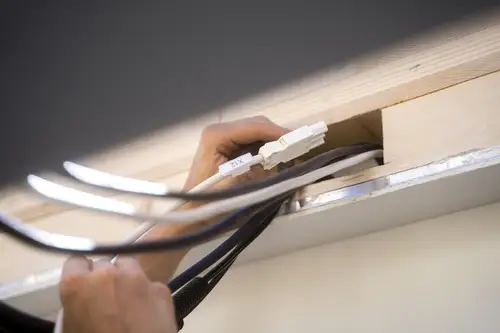
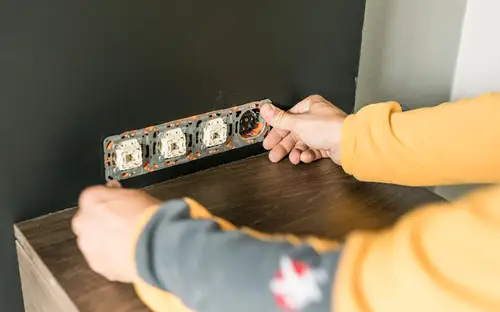
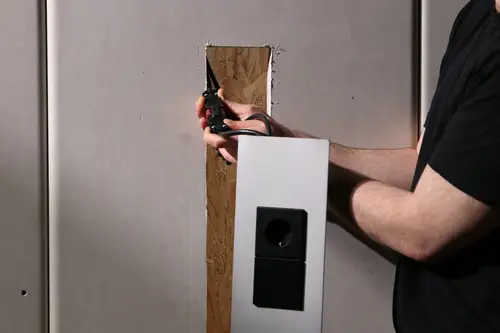
In this way, the electrical installation can be implemented quickly and economically or adapted or changed where required: with the pre-connected sockets, distributors and supply cables of the basic installation. For plug + go, our partners Wieland Electric and Wago prepare everything. Our precisely fitting, flush-mounted device sockets with the inserts and covers for switches, sockets and other functions in the switch design complete the electrical installation: the installer on site only has to plug in with no need to use screws.
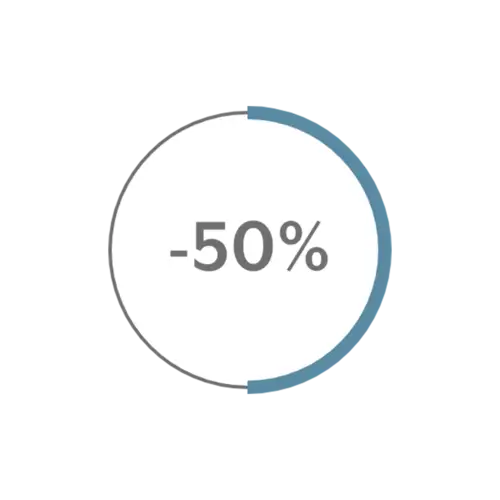
plug + go simplifies the electrical installation with modular building. Time requirement and defect rates for mounting sink.

This is how you profit from plug + go
Modular components make the work on site easier. Industrial prefabrication of the electrical installation is the solution for cost-efficient projects. More time, lower costs or extra safety: plug + go offers enormous potential.



plug + go in use
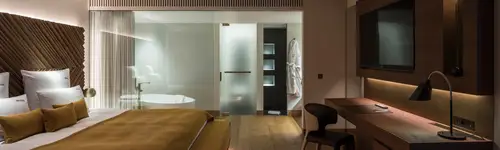
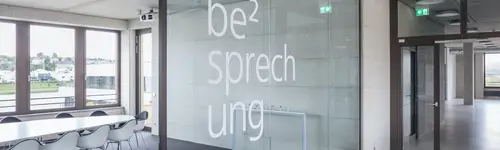
Office and administration buildings, hotels, hospitals or schools: plug + go is mainly used in buildings where the room layout is frequently repeated. The plug-in electrical installation impresses with its flexibility.
The application areas of plug + go
Once planned in advance, the electrical installation in the property is carried out quickly with plug + go – the building time is reduced considerably. From hotels to kindergarten: in these usage areas, the modular construction of plug + go shows its strengths.


Application examples in detail





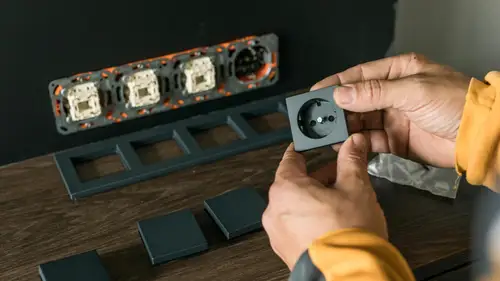
Building with prefabricated room systems
Mobility and flexibility are two important elements of our time. Prefabricated room systems are helpful here. Due to industrial series fabrication, they fulfil the highest quality standard and guarantee short project times.
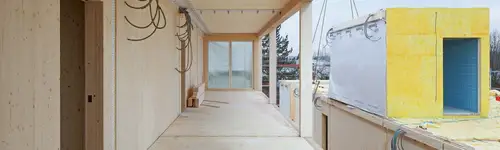
Prefabrication: this is how it is done
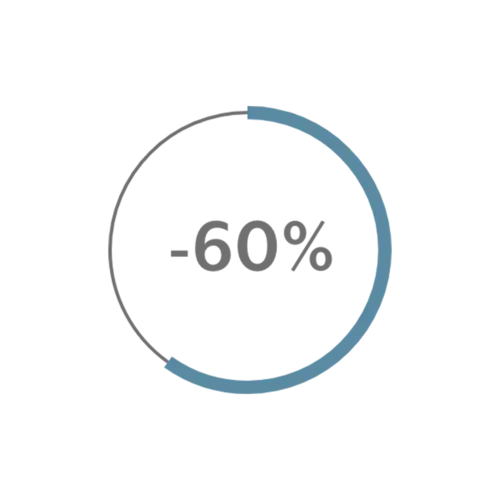
The demand for the renovation of buildings is high. However, the appraisal, planning and execution are time-intensive. The solution: renovations with the help of prefabricated elements with technical building equipment in order to keep building and total costs economical. The detailed preparation in the workshop shortens the mounting time on the site by up to 70 %, with significantly reduced production of dust and dirt. With this building method, more building projects can be implemented with fewer installers.
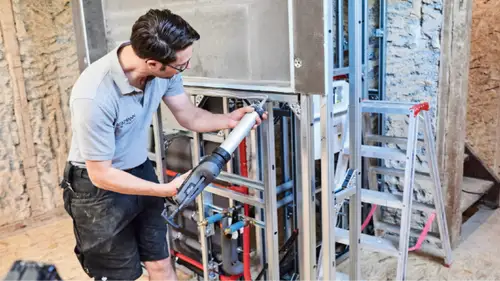
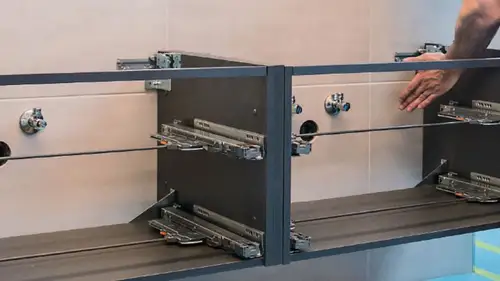
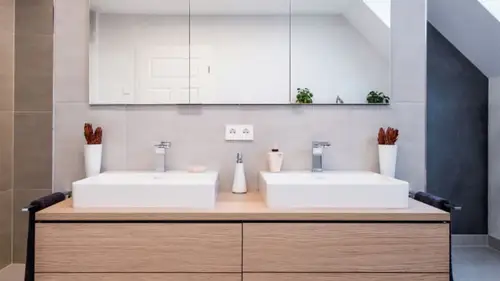
An example is the BADnet network with the "complete bathroom" working group. Using wall-mounted modules, BADnet developed renovation projects in such a way that the implementation with water, heating and electricity is feasible in a short time. For the tiler, the tiles are prepared in the workshop with all openings using the CNC milling cutter. All holes are pre-drilled. Even the electricity is already cabled. The result: the modules and sanitary objects allow simple mounting and are mounted cleanly and quickly at the site.
An example is the BADnet network with the "complete bathroom" working group. Using wall-mounted modules, BADnet developed renovation projects in such a way that the implementation with water, heating and electricity is feasible in a short time. For the tiler, the tiles are prepared in the workshop with all openings using the CNC milling cutter. All holes are pre-drilled. Even the electricity is already cabled. The result: the modules and sanitary objects allow simple mounting and are mounted cleanly and quickly at the site.
Standardised quality
The standard for installation connectors for permanent connection in fixed installations (DIN EN 61535, VDE 0606-200) describes components for a conforming and pluggable connection when installing electrical systems in interiors. The advantage: these components are maintenance-free.
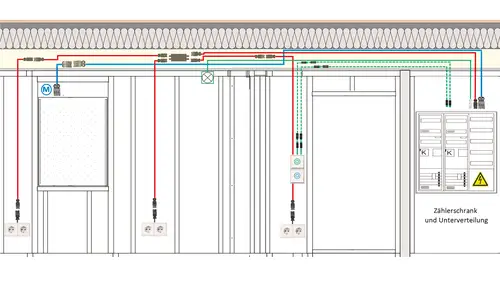
This standard is part of the installation requirement DIN VDE 0100 part 520. In this way, by using installation couplers in accordance with DIN EN 61535 (VDE 0606-200), the requirements of the standard for the construction of electrical installations are adhered to. For an installation and correct selection of equipment in accordance with DIN VDE 0100, the transfer point from the fixed installation to the non-fixed installation must be defined. A few examples make it clear how, at a wall socket, for example, it forms the transfer point. Up to this point, the electrician is responsible for adherence to the installation requirements. This is because the fusing is up to that point, in Germany normally 16 A, as well as the measurement of a voltage reduction. The cable cross-section must be at least 1.5 mm²: larger sizes depend on how they are laid, among other reasons.
Always choose the correct plug connector
Installation couplers in accordance with DIN EN 61535 (VDE 0606-200):2013-08 for permanent connections in fixed installations (by electrician or electrically trained person).
Appliance couplers in accordance with DIN EN 60320-1 (VDE 0625):2016-04 for household and similar general purposes (operation generally by non-experts).
Plugs and sockets in accordance with DIN VDE 0620-1:2016 for household and similar general uses (operation generally by non-experts).
Plug connectors in accordance with DIN EN 61984 (VDE 0627):2009-11 for safety requirements and tests (depending on the intended application, the requirements for the plug connectors are determined according to this standard).
Appliance couplers in accordance with DIN EN 60320-1 (VDE 0625):2016-04 for household and similar general purposes (operation generally by non-experts).
Plugs and sockets in accordance with DIN VDE 0620-1:2016 for household and similar general uses (operation generally by non-experts).
Plug connectors in accordance with DIN EN 61984 (VDE 0627):2009-11 for safety requirements and tests (depending on the intended application, the requirements for the plug connectors are determined according to this standard).
Decentralised installation with plug + go
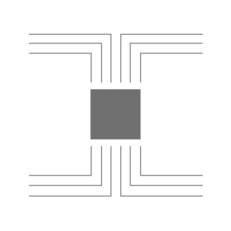
In conventional building automation, all cables are laid from a control centre. With plug + go, the distribution is decentralised. This saves cabling, time and money.
Sadalījums
-
![Decentralizētas]() Decentralizētas
Decentralizētas -
![Centralizēts]() Centralizēts
Centralizēts

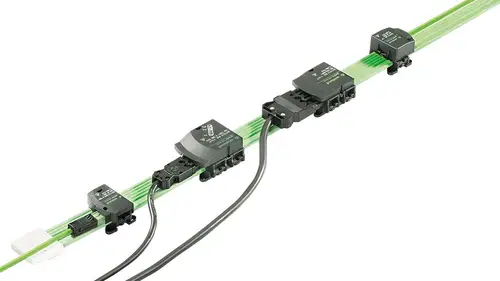
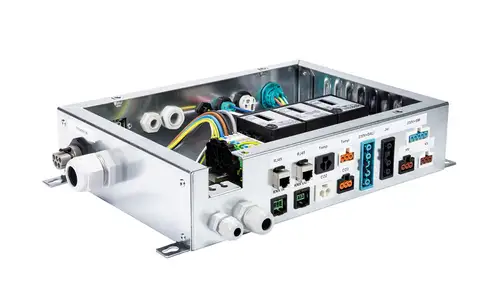
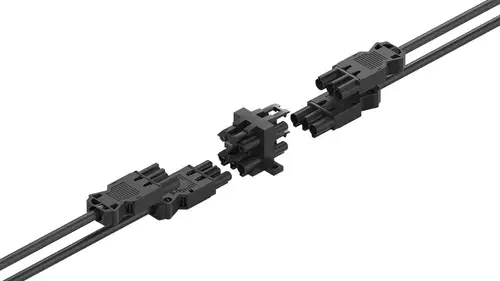
Due to industrial prefabrication, the installation time can be significantly reduced. Electrical equipment and luminaires with a pluggable integration are clearly faster to install than conventional cabling. In addition, changes and extensions can be made very quickly to a pluggable system. That makes the installation future-proof and reduces any downtime to a minimum. Cabling based on the concept of plug-in installations makes clear installation structures possible. This results in a system that is fast and safe to install. The consistent three-phase alternating current until shortly before the electrical load reduces the voltage drop and increases energy efficiency in addition.




Wieland PREFAB® for modular buildings

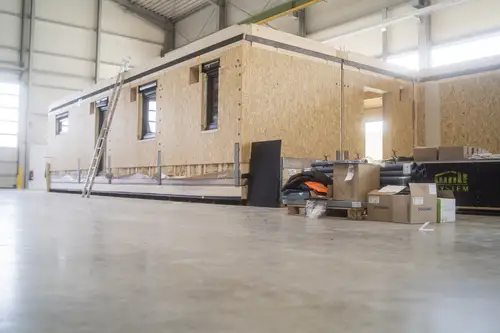
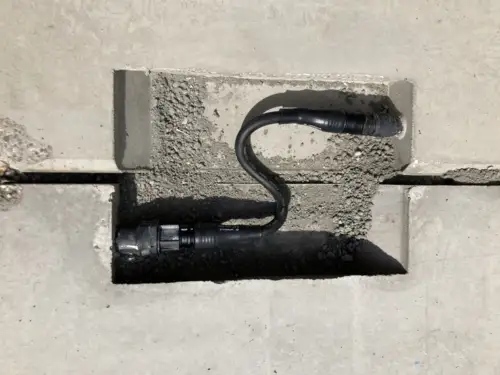
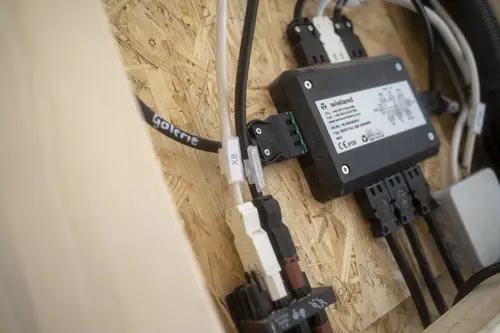
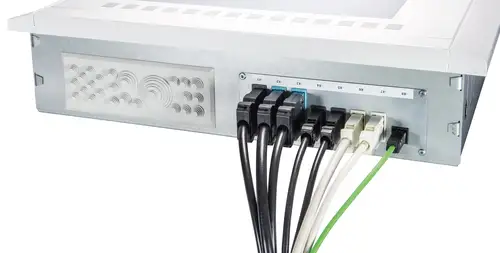
The pluggable Wieland PREFAB® electrical installation system – ideally suited for building modular buildings in series – can be integrated in the industrial prefabrication process to avoid costly and time-consuming work in the factory and on the building site.

WAGO
The WAGO group is one of the internationally pioneering suppliers of connection and automation technology and the interface electronics. In the field of spring terminal technology, the family-led company has been the world leader since 1951.
WAGO products can be found around the globe in industry, energy, process and building technology as well as in mechanical and plant engineering and traffic technology. They are used everywhere that electrical cables are connected to each other or complex automation systems have to be controlled. Here they contribute to safe and reliably working devices and systems.
Adherence to the highest quality standards is not just something we promise you – it is provided black and white in the form of internationally recognised certificates such as DIN ISO 9001, ISO 14001 and IRIS or the maritime approvals.
The WINSTA® MIDI system from Wago guarantees and optimises safe electrical installations in the area of energy management, lighting control, heating, ventilation and air conditioning.

