
Can a plastic switch be sustainable?
JUNG publishes a sustainability report for the first time – and thus takes the next logical step
And to answer the question in advance: Yes, a switch can be sustainable – in several respects: through resource- and climate-friendly manufacturing, through recyclable materials, and ideally through durability. Wondering why all this is relevant? Because architecture is the sum of many individual parts and every manufacturer – but also every planner – needs to ask themselves how they can contribute to sustainable architecture, including through the choice of light switch.
A seemingly unspectacular piece of news: JUNG has published its first sustainability report. It has done this on a voluntary basis and in line with the GRI standard (Global Reporting Initiative), meaning that the switch manufacturer is being completely transparent about is company-wide processes. And this is by no means a matter of course, because even with a great deal of commitment and positive will towards environmentally-friendly products, manufacturers are subject to a wide variety of constraints that first have to be overcome.
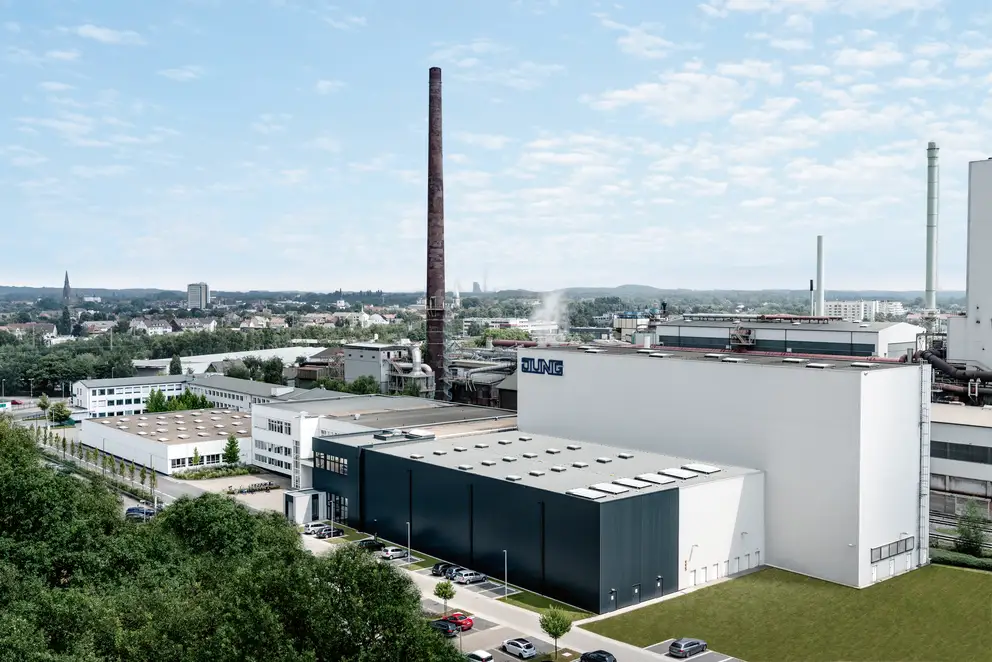
In total, around 28.5 million products were manufactured in the JUNG plants in Schalksmühle and Lünen in 2021. When it comes to material procurement, electrotechnical inserts take the largest share, and these – even in the case of plastic switches and sockets – are primarily made of metals, including steel with a zinc-magnesium coating, brass, stainless steel and silver wire.
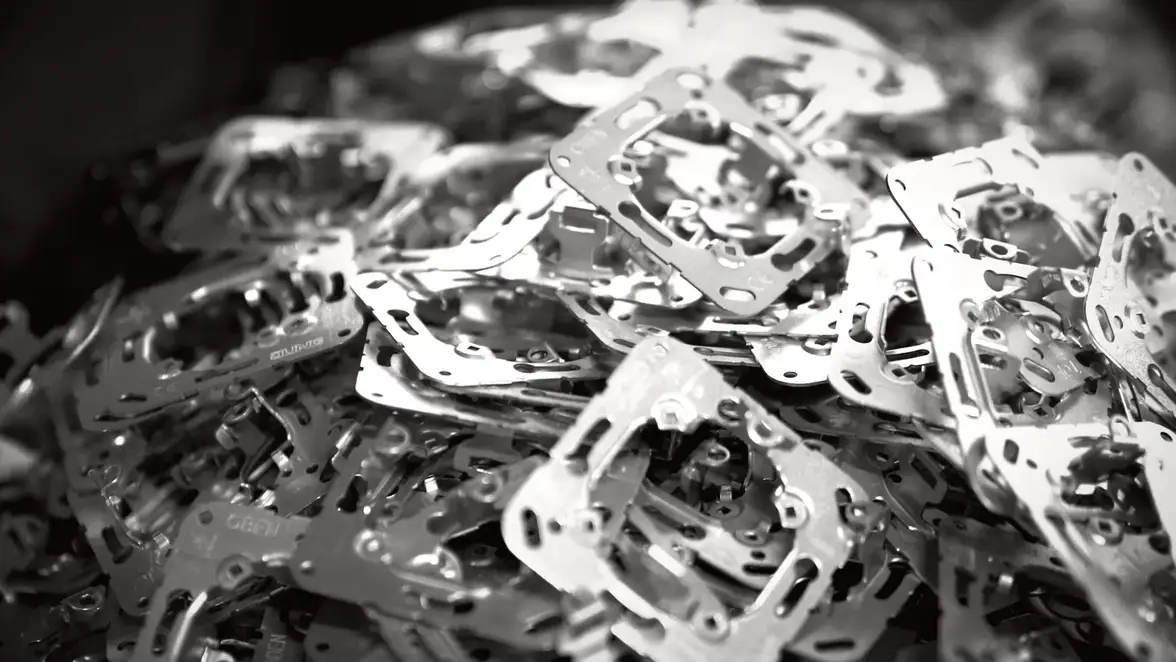
Compared to conventional zinc coatings, the zinc-magnesium coating of the supporting ring structures from JUNG offers significantly improved corrosion behaviour. Due to its good formability, the material contributes to lower tool wear and less downtime of the equipment during processing, which leads to an increase in efficiency and thus energy savings during production. The material can be recycled as often as required, so that all the production waste can be recycled. For technical components such as grounding brackets, contact springs or ground bars, tinned brass is used instead of valuable copper. Stainless steel is used for some internal components. Both metals are fully recyclable. The switching contacts are made of silver wire due to its very good electrical conductivity.
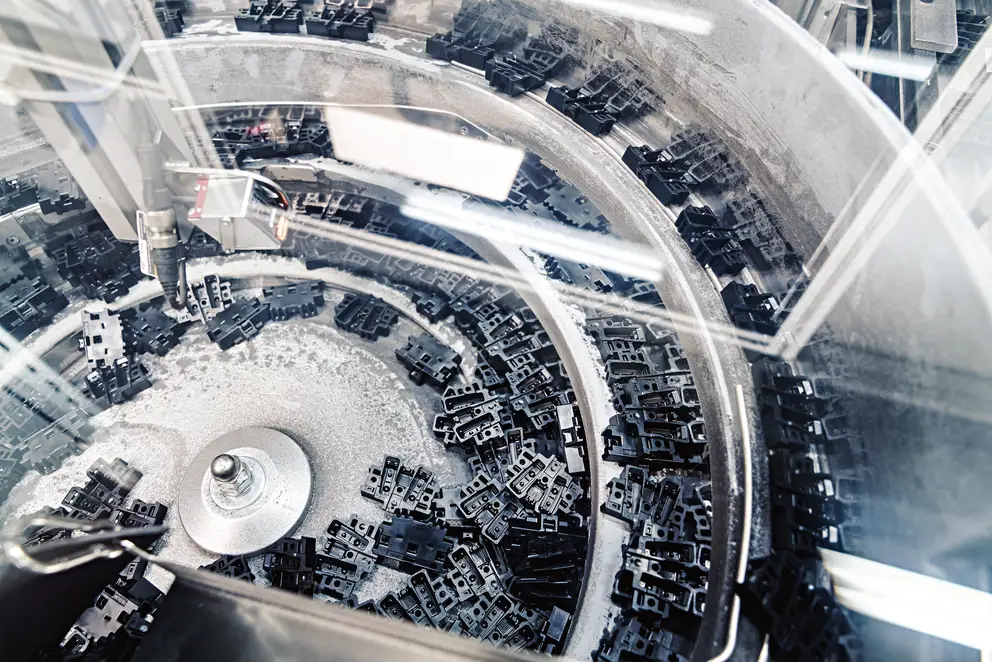
JUNG primarily manufactures the visible frames and inserts of the plastic switches out of thermoset. Not many manufacturers offer building technology with components made of thermoset, although the material has several decisive advantages: Thermosets are plastics that cannot be deformed after curing and are therefore particularly robust. The scratch resistance is so good that protective transport packaging can be reduced or even eliminated. Thermoset is produced using urea-formaldehyde (UF), natural gas-based formaldehyde, urea, methanol and cellulose. It requires no petroleum-based raw materials, and the required formaldehyde is almost completely bound during the manufacturing process. Thermoset is an ideal insulating material, flame retardant and self-extinguishing, so that no additional flame retardants are required. Compared to thermoplastics, less CO2 and volatile components (VOC) are emitted during production, and less energy and water are consumed. At the end of its life cycle, thermoset in granulated form can be used as a filler or blasting material. No toxic substances are released during thermal recycling or landfilling, and no microplastics are produced during decomposition.
Due to their break resistance, JUNG also offers products made of thermoplastics, which are preferred in public buildings where increased impact resistance is required. Thermoplastics are plastics that can be remelted. They are produced from petroleum-, natural gas- or coal-based derivatives. Polycarbonate (PC) and polyamide (PA) are the main materials used at JUNG. Polycarbonate (PC) is partly used with regrind contents from post-industrial waste. Thermoplastic waste can be fully recycled as a valuable material by simple mechanical shredding.
About the JUNG Sustainability Report 2021/2022
JUNG is aware of its responsibility as a manufacturer and employer for the environment and people, and wants to contribute to the preservation of living spaces today, tomorrow and for future generations. This is the reason why the JUNG Sustainability Report 2021/2022 has been published, in which the company transparently discloses its ESG strategy. It will be used to assess sustainability in the three areas of Environment, Social affairs and Governance (ESG).
The report was professionally prepared according to GRI UNIVERSAL STANDARDS 2021 and on the basis of the concept drawn up by Andrea Herold, Consulting & Sustainability Reporting (GRI), InteriorPark, as well as in close cooperation with the management. It provides insight into the company's principles and history, clearly explains the sustainability strategy as well as all aspects of production and distribution of JUNG solutions including all environmental impacts such as energy consumption and emissions, logistics and supply chains, water consumption and waste disposal. The chapter "People and Society" is dedicated to employees and their working conditions, JUNG's social commitment as well as international cooperations and own event formats. Facts and figures are bundled in the appendix.
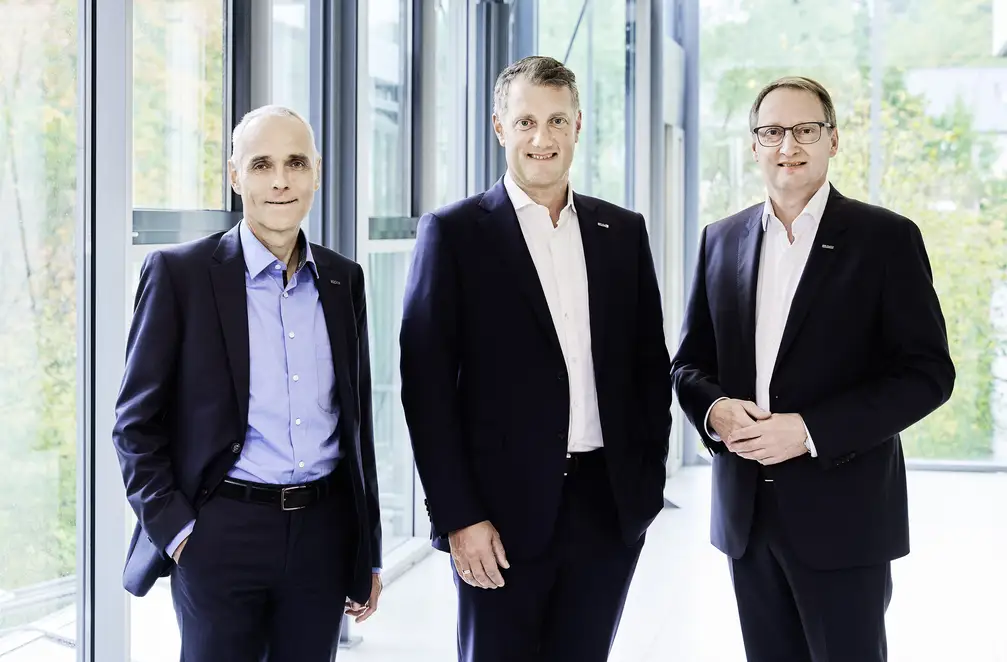
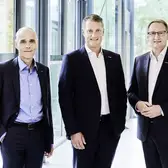
"Sustainability and energy efficiency" are not do-gooder topics for JUNG, but rather a means of focusing on tangible and relevant sustainability measures. It's important to get started, and that's why we're integrating ESG into JUNG's strategy. Decisions at JUNG have never been made on the basis of pure profit maximisation. The Jung family still attaches great importance to this to this day." Michael Eyrich-Ravens and Martin Herms, Directors of JUNG
Downloads
Contactpersoon
Heeft u een vraag voor de pers? U kunt terecht bij:
E-mail versturen






Gallerij


