
60 Years LS – An idea lives on.
How a construction principle from 1966 became a design classic, and a system family that remains open to this day.
Sixty years can be recounted in various ways. As the history of a product. As the history of a company. Or as the history of an idea. The history of the JUNG LS range began in 1966 with a design that has lost none of its relevance to this day. However, its actual roots go further back. LS did not arise from the desire for a new form, but from a design philosophy that JUNG has pursued since 1912 to develop long-lasting solutions. The range is celebrating its 60th anniversary, but the idea behind it is even older.
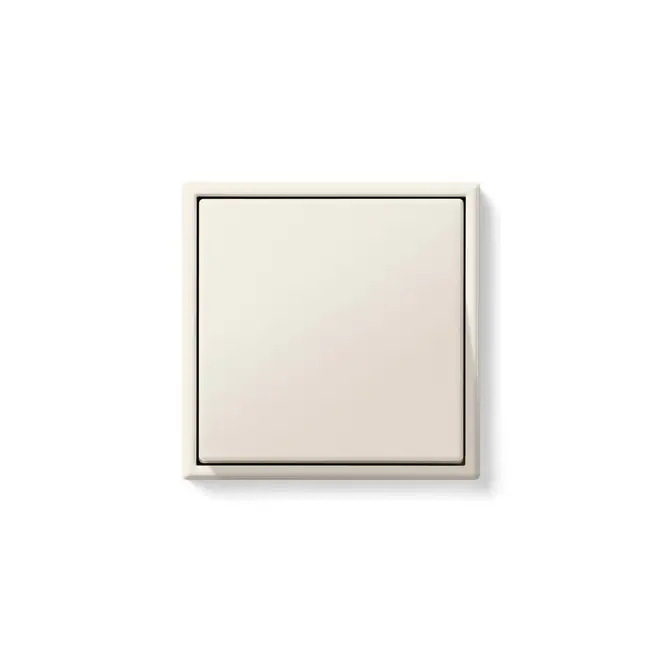
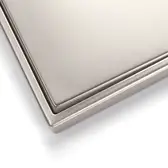
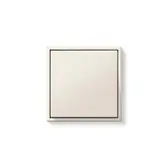
1966 did not simply see the creation of a new switch. A design principle emerged. The designer, Herbert W. Richter, later described the design process in remarkably matter-of-fact terms: “In principle, the basic shape as the basis emerged almost by itself.” In fact, form was not the starting point of the design, but its result. It developed from the technical possibilities of the system. A structural idea became a design icon. While many designs at the time focused on maximising the surface area, JUNG took a different approach. It was not the surface size that was important, but its structure. The insert was not designed as a free-floating element but was enclosed by a narrow frame. This frame protects the insert, ensuring stability and defining precise transitions – an inconspicuous detail that is also the basis for the range’s exceptional longevity.
Equally formative was the precisely developed dimensional system. The frame, insert and pitch were coordinated so that several inserts could be combined without visible centre bars. This seemingly self-evident result is the product of careful engineering work, and to this day, this design principle enables calm, clear switch combinations that blend seamlessly into the architecture. This is precisely why LS is more than a design classic. The range proves that good design arises not only from form, but also from the interplay of construction, function and proportion. The design is the visible expression of a technical idea. “LS was never designed to become a design classic. LS was designed to be a system that would function reliably over the long term. It became a design classic precisely for this reason”, explains Deniz Turgut, Head of Marketing at JUNG.
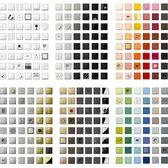
This explains the longevity of the range. After all, almost everything has changed in the past six decades: materials, surfaces, colours, applications and technologies. From the classic switch range, a comprehensive family of systems has evolved – from thermoset to metal, from the socket to the KNX control device, and from surface-mounted solutions to flush integration. With 63 colours from Les Couleurs® Le Corbusier®, the LS range opened up a new dimension in architectural colour design.
The latest metal finishes, developed in cooperation with Dornbracht, systematically take this idea further, transferring the materiality of high-quality fittings to electrical installations. The possibilities are growing, but the design principle remains. Harald Jung, Chairman of the Supervisory Board of JUNG, once expressed this idea in a simple yet defining statement: “We won’t change the basic design.” Not because standing still is a goal, but because a good idea does not have to be reinvented to keep up with the times.
The LS range is growing through continuous exchange with architects, building owners, designers and planners. New materials, functions and applications are created where people listen to each other, meet, discuss and think ahead together. Not every generation needs a new switch. But every generation places new demands on architecture. For 60 years, the LS range has responded to this with the same attitude: not to be as different as possible, but to stand the test of time. The range endures, and the possibilities are growing.
Discover it online now and download the brochure for free: jung.group/60yearsLS
Switches as a system: 60 years in historical context
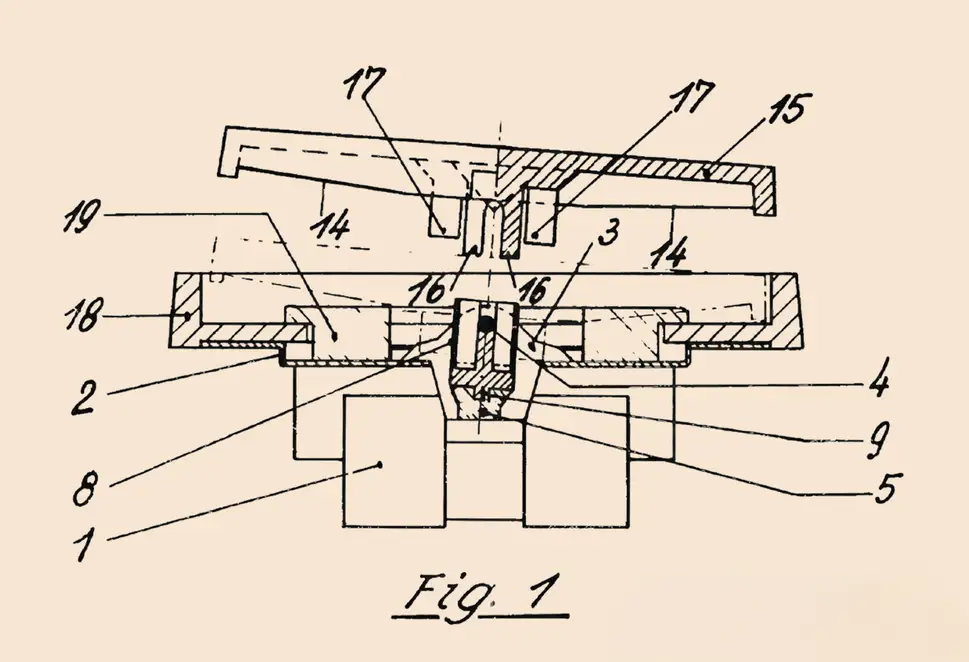
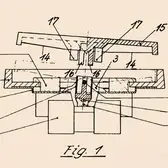
In the mid-1960s a new chapter in electrical installation begins. For the first time, a range of switches is based on a modular principle: a technical insert forms the common basis for different functions and designs. This separation of the underlying technology from the visible surface creates the prerequisites for a system that could continue to evolve over decades without changing its underlying design principle. The first design of the LS range is developed on this basis in 1966, and with the filing of LS 90 in 1967, this new generation also becomes outwardly visible. The patent marks the moment when the system acquires its name and identity. Since then, LS has continued to move forward in line with the trends of the time.
To the timeline: https://www.jung-group.com/en-DE/Products/Switch-Ranges/60-years-LS/
The subtle difference
Great ideas often reveal themselves in the details. Frames, edges, materials, surfaces, or the characteristic clicking sound – many features of the LS range seem self-evident. In fact, they are the result of 60 years of continuous development and continue to shape its distinctive character today.
The frame: Why are the inserts enclosed in a frame?
Since its inception, the LS range has followed a fundamental design principle: the frame protects and holds the inserts. This creates clean transitions and ensures robustness and durability in everyday use. It’s a solution that remains a defining feature of the range to this day.
The precision: Why is there no central web between the inserts?
The LS range was designed as a system from the outset. The ratio of frame to insert, precisely matched to the standardised pitch, allows for seamless combinations. The frame provides the stability – not a central web between the inserts. This design solution made JUNG the inventor of the web-free surface switch and continues to define the clarity of the LS range to this day.
The 2-mm corner: Why is a good edge more than just a design feature?
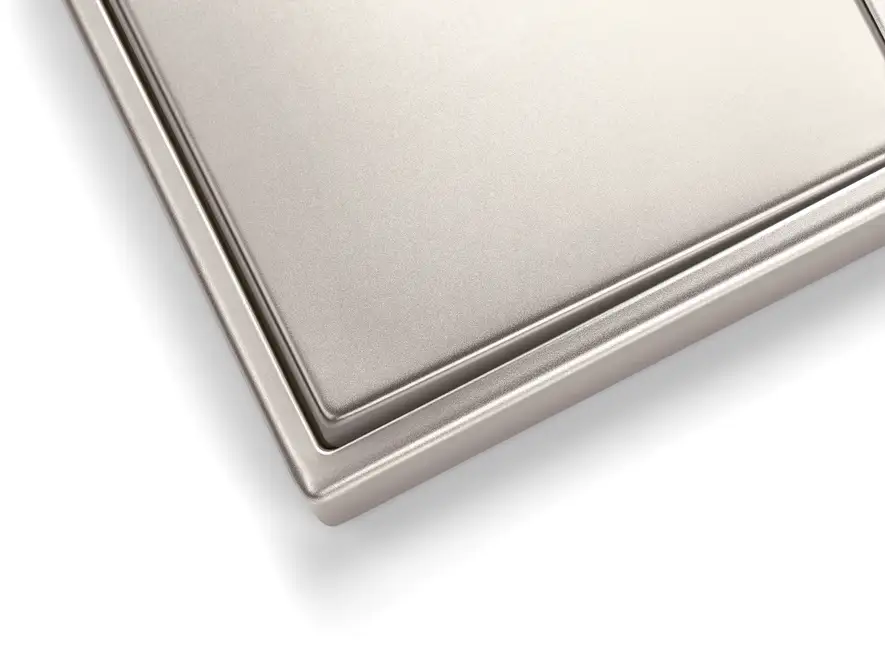
The characteristic corner radius of the LS range is no accidental design choice. Originally much sharper, it was further developed in response to safety requirements. With its 2 mm edge radius, the LS range already met the requirements in 1974 that were later stipulated in the DGUV regulations for schools and common areas. The now-standard 2-mm corner reduces the risk of injury while simultaneously giving the range its balanced proportions. A detail of just two millimetres with a significant impact on safety, feel, and design.
The sliding guide: How are the contact pins guided precisely?
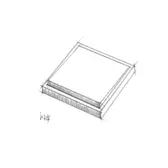
Barely visible, but crucial for precise function. The movable guide element of the earthing brackets ensures precise, controlled insertion and is part of the durable design of the JUNG SCHUKO® socket.
The material: Why has JUNG relied on duroplastic for decades?
Duroplastic has been a defining feature of all visible plastic surfaces in the LS range for generations. The material impresses with its resistance, colour brilliance, and durability. Its properties ensure that products retain their quality and appearance even after many years. Duroplastic is scratch-resistant, UV-resistant, heat-resistant, and antistatic. The closed, non-porous surface remains permanently colourfast and is easy to clean – ideal pre-requisites for products used daily for decades. With its high resistance and long service life, duroplastic provides important properties for products that can be used for decades.
The production: Why are good switches a team effort?
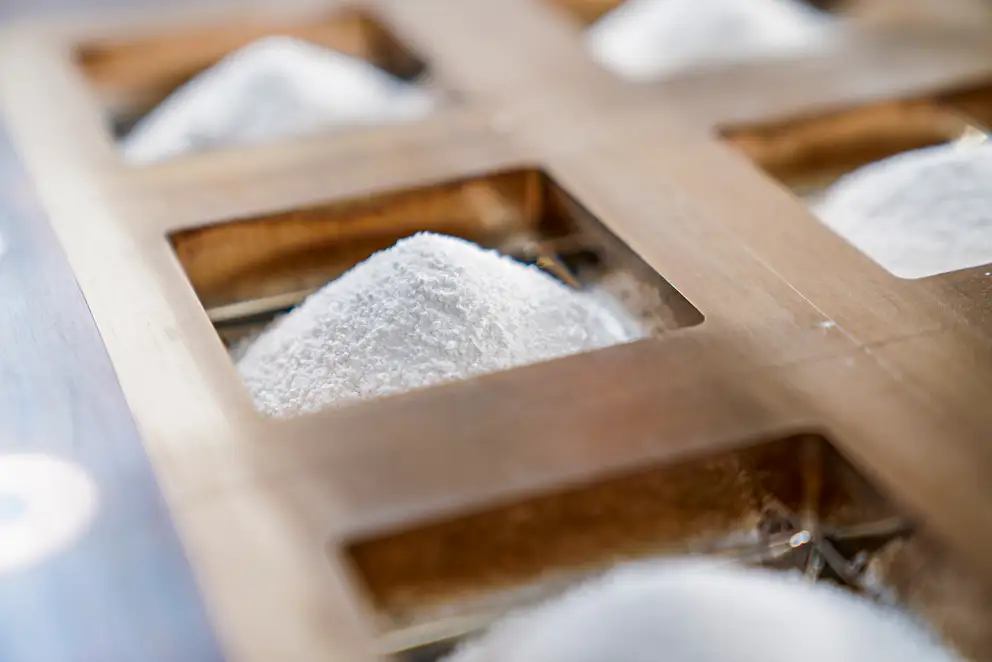
The LS range is produced within a closely integrated production network. More than 90 per cent of the value is created in Germany, and many suppliers have been working with JUNG for generations. In-house tooling, automated manufacturing, and long-term partnerships ensure consistent quality and a high level of supply capability. At the same time, suppliers are bound by mandatory quality and sustainability standards – because quality begins long before a switch is even assembled.
The components: Why does everything fit together perfectly in LS?
The LS range appears simple. In reality, behind its clean lines lies a precisely engineered interplay of frames, inserts, support rings, mechanisms, and covers. Many of these components remain invisible – and that is precisely their purpose. Only their perfect interaction makes the precision, robustness, and versatility of the range possible.
The finish: Why does every finish feel different?
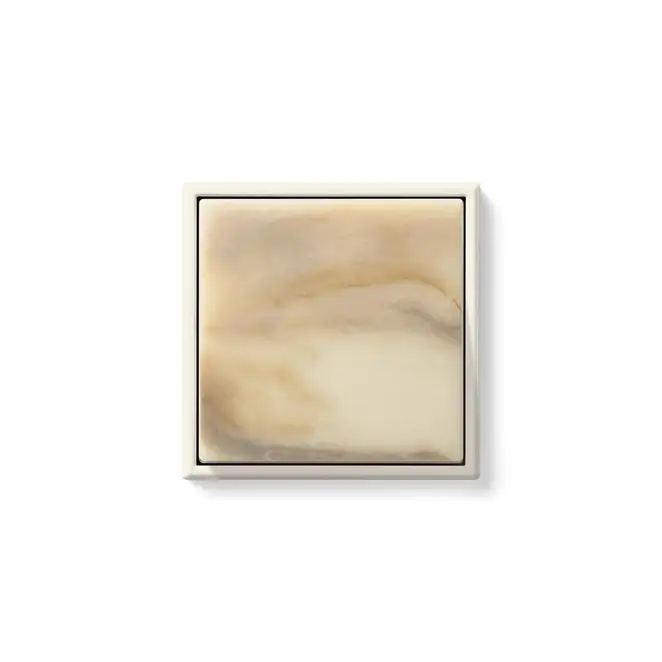
Materials appeal not only to the eye but also to the hand. Whether thermoset plastic, aluminium, stainless steel, or hand-finished metal surfaces – each material possesses its own unique temperature, structure, and feel. Velvety matt finishes, finely brushed metals, or the high surface hardness of duroplastic materials shape the tactile experience as well as the architectural impact. In this way, each surface becomes a distinctive expression of the material itself.
The craftsmanship: How does material become a product?
JUNG’s story begins in craftsmanship – and this commitment continues to shape its manufacturing today. High-precision tools and automated processes ensure consistent quality, while experienced hands give the materials their characteristic expression. Whether brushed brass or hand-lacquered Les Couleurs® Le Corbusier® colours, the combination of industrial production and craftsmanship has defined the LS range for 60 years, giving it its exceptional material quality, premium character, and an authentic feel.
The emotion: Why can you recognise an LS switch with your eyes closed?
The precise feel when switching, the characteristic pressure point, and the familiar click often accompany architects, planners, and users for decades. Countless daily interactions create a quiet familiarity. This is precisely the secret of this classic: LS remains memorable because good design is not only visible, but also engages all the senses through its materials, feel, switching action, and sound.
Download the brochure: https://cms-assets.jung.de/shop/media/44/444456/JUNG_60_Years_LS_EN.pdf
Love at first click
For 60 years, the LS range has accompanied architects, designers, planners and the electrical trade all over the world. The LS range owes its development not only to the engineers in JUNG’s development department, but also to the ongoing dialogue with architects. New materials, functions and applications have repeatedly emerged from the specific requirements of planning practice.
The online campaign “60 Years LS – An idea lives on” tells the exciting stories, voices and milestones from six decades of LS. The accompanying anniversary brochure is available to download there free of charge.
Discover the stories and voices online now:
https://www.jung-group.com/en-DE/For-architects/Featured-by-JUNG/60-years-of-LS-An-idea-lives-on/
Press images:
All images shown, as well as many other historical and current product photographs, may be used free of charge for editorial purposes, provided the copyright is acknowledged. All images may only be used freely in the context of reporting on the company JUNG. Any other forms of use (such as on covers or in articles not relating to JUNG) require separate agreement with the rights holders.
Download: https://jung.canto.de/b/RROBM
Image credits: Credits are either private or as stated on the download portal; general images: © JUNG









Gallery


