LS – a true classic
A true classic is a product from another era that effortlessly outlasts every trend. With ease and only minimal changes, it adapts to new circumstances and challenges. A genuine classic sets standards for decades. It is universal and timeless.
An idea lives on
Sixty years can be recounted in various ways. As the story of a product. As the story of a company. Or as the story of an idea. The story of JUNG’s LS range began in 1966 with a design that has lost none of its relevance to this day. Its true roots, however, go back further. LS did not arise from a desire for a new form, but from a design philosophy that has characterised JUNG since 1912: to develop solutions that work for the long term. The switch range is celebrating its 60th anniversary. The idea on which it is based is even older.
Love at first click
The LS range owes its development not only to the engineers in JUNG’s development department, but also to the ongoing dialogue with architects. New materials, functions and applications have repeatedly emerged from the specific requirements of practical planning. JUNG would like to thank everyone who has supported the LS range over the past 60 years with their projects, ideas and trust. Six decades of joint architectural and product development – hand in hand. The anniversary brochure ‘60 Years of LS – an idea lives on’ tells even more stories, features more voices and highlights more milestones from six decades of the LS range.
Sixty years can be recounted in various ways. As the story of a product. As the story of a company. Or as the story of an idea. The story of JUNG’s LS range began in 1966 with a design that has lost none of its relevance to this day. Its true roots, however, go back further. LS did not arise from a desire for a new form, but from a design philosophy that has characterised JUNG since 1912: to develop solutions that work for the long term. The switch range is celebrating its 60th anniversary. The idea on which it is based is even older.
Love at first click
The LS range owes its development not only to the engineers in JUNG’s development department, but also to the ongoing dialogue with architects. New materials, functions and applications have repeatedly emerged from the specific requirements of practical planning. JUNG would like to thank everyone who has supported the LS range over the past 60 years with their projects, ideas and trust. Six decades of joint architectural and product development – hand in hand. The anniversary brochure ‘60 Years of LS – an idea lives on’ tells even more stories, features more voices and highlights more milestones from six decades of the LS range.



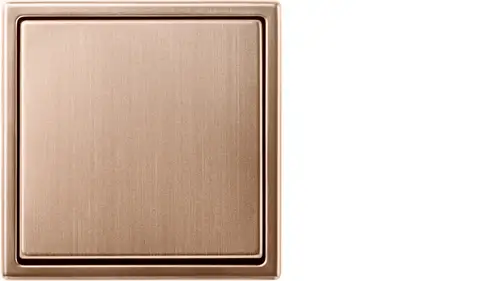
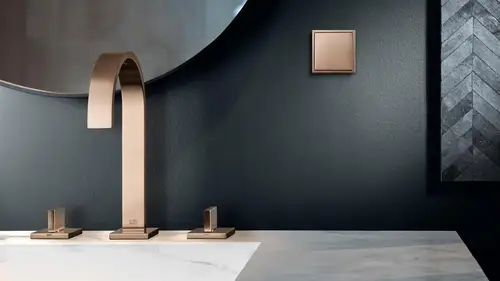

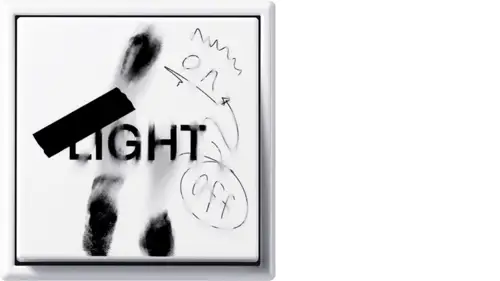
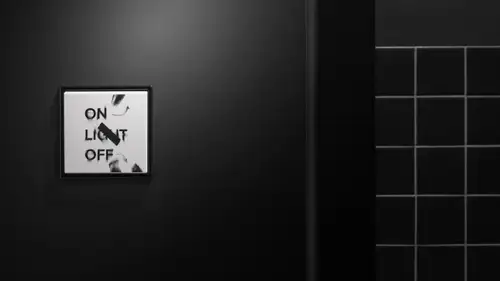




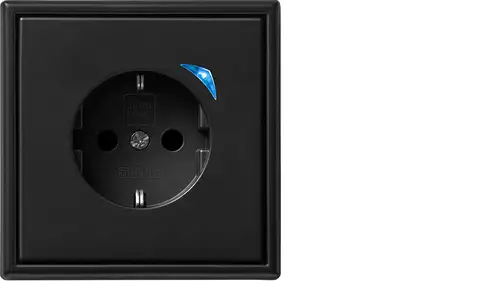


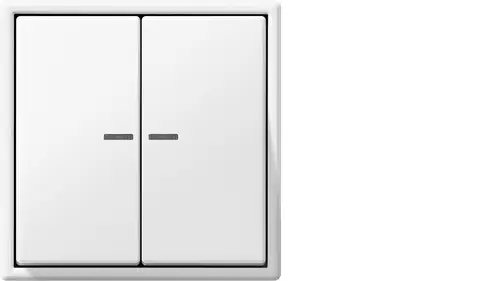
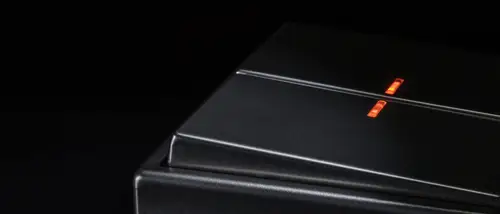





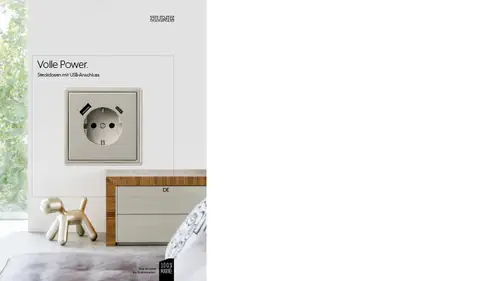






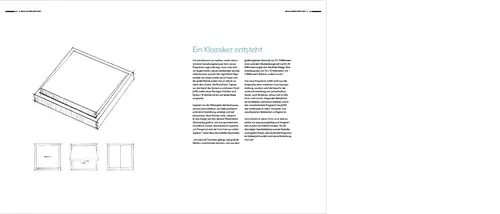



































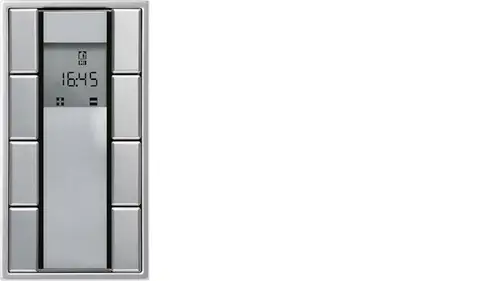


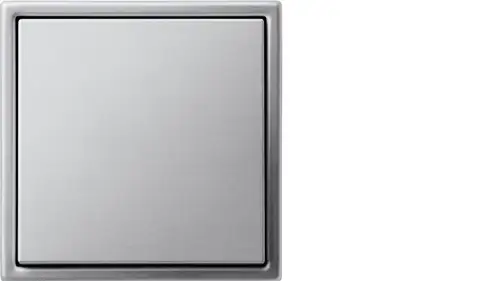


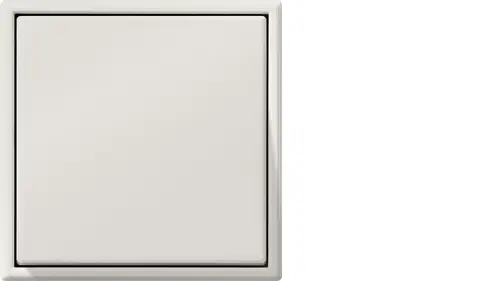






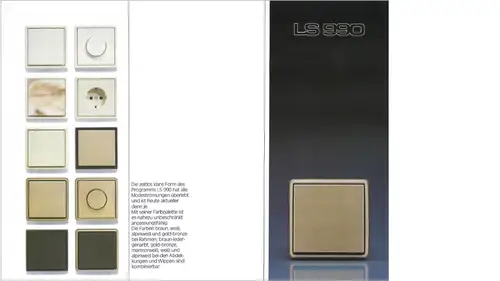

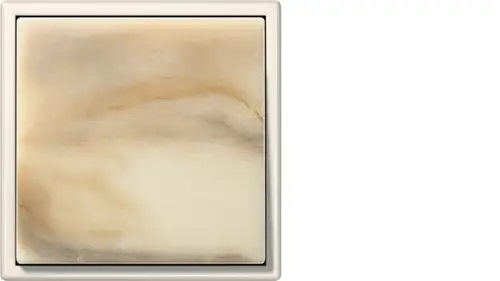




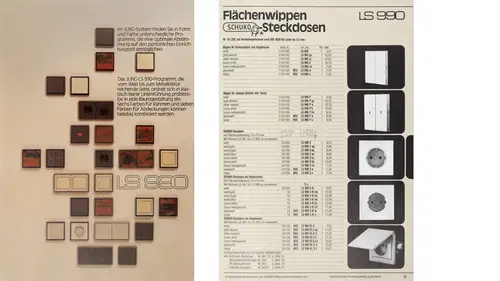







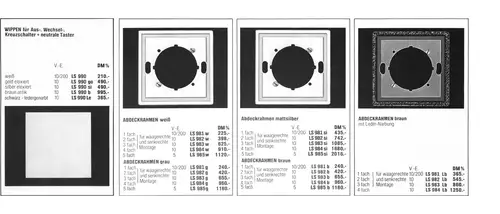


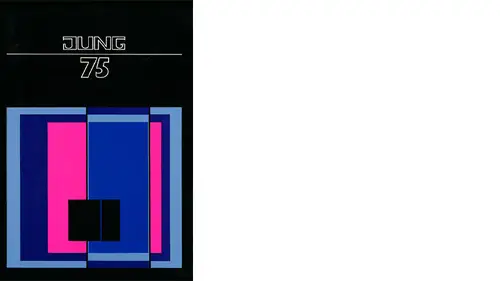
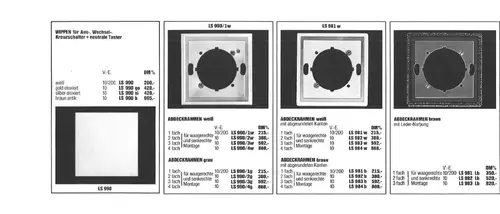
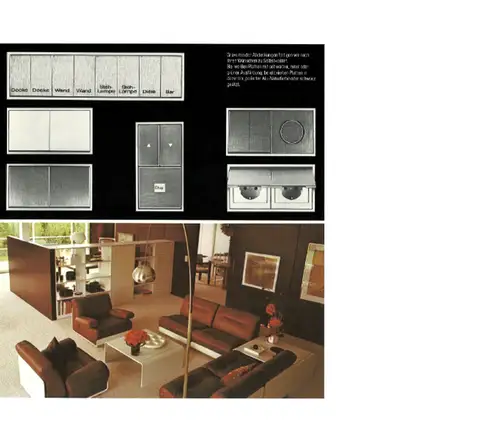
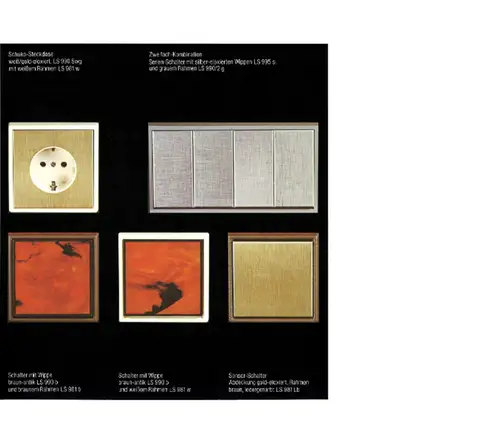

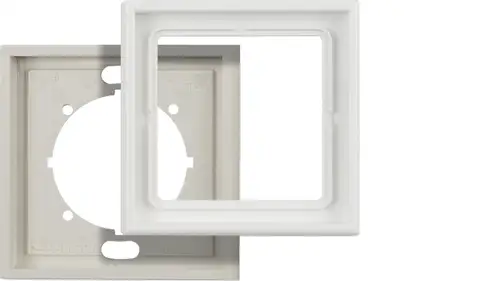


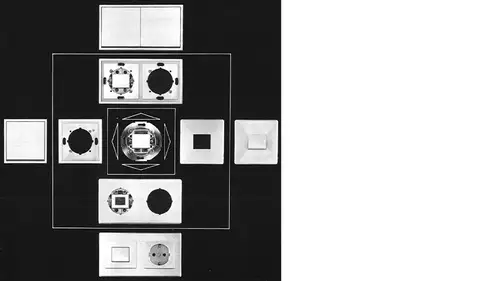




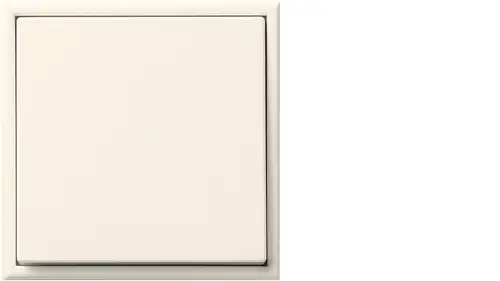




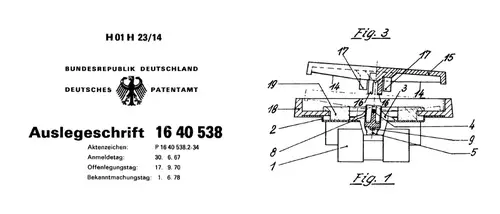

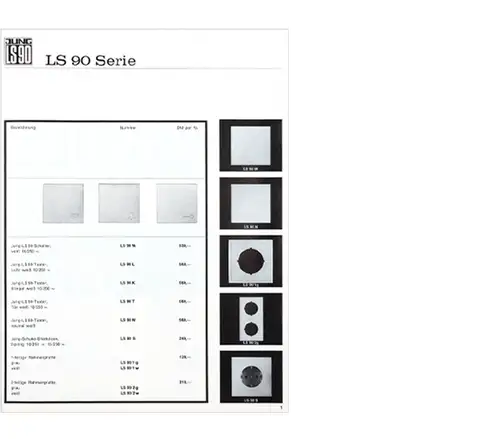
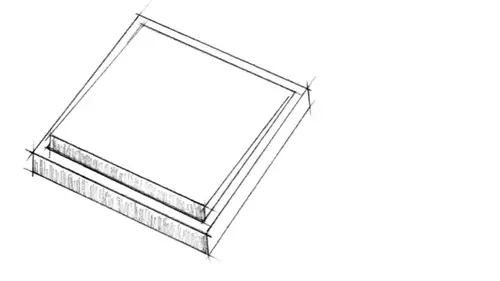
On 30 June 1967, the patent for the construction of the modular LS system was filed – a step that is now regarded as a milestone in switch architecture. At the time of the application, however, the significance of this design principle was not yet foreseeable. The idea of a clearly structured, modular construction created the basis for a system architecture that combines design freedom with technical precision. The underlying construction principle enables the consistent separation of function and design. This approach increases planning flexibility and ensures long-term system continuity.
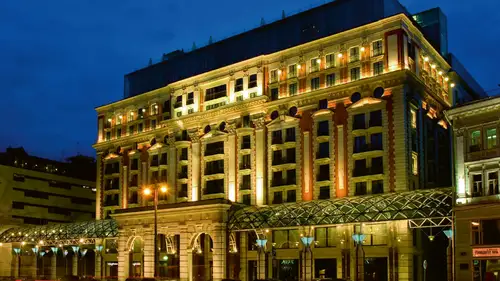
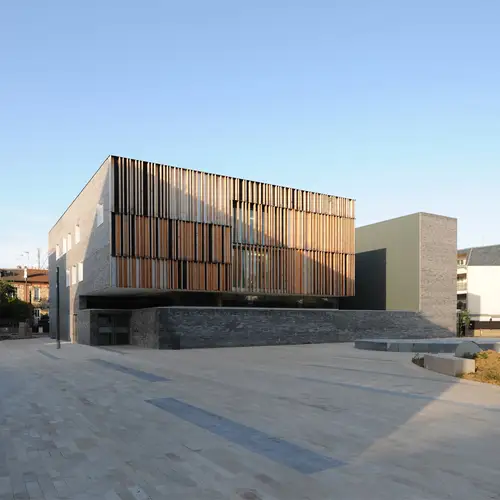
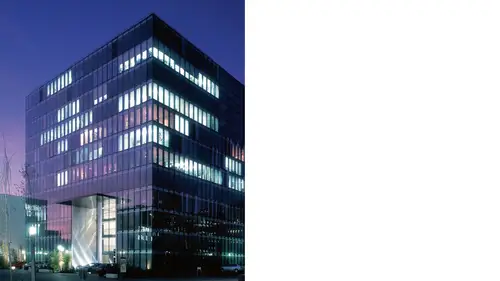
For architects, this principle means above all one thing: reliability in design. The modular LS system stands for dimensional accuracy, reduction and a formally clear design language that can be integrated into a wide range of architectural contexts – from listed heritage buildings to contemporary new constructions. What began in 1967 as a structural innovation developed into a lasting system concept. The patent application therefore marks not only the origin of a technical solution, but also the beginning of an architectural continuity that continues to this day.
For architects, this principle means above all one thing: reliability in design. The modular LS system stands for dimensional accuracy, reduction and a formally clear design language that can be integrated into a wide range of architectural contexts – from listed heritage buildings to contemporary new constructions. What began in 1967 as a structural innovation developed into a lasting system concept. The patent application therefore marks not only the origin of a technical solution, but also the beginning of an architectural continuity that continues to this day.