Metal in the interior
Material aesthetics, structure and character with JUNG
Metal is back, and is now more than ever part of interior design language. Hardly any other material conveys value, durability and precision so directly. In architecture that is increasingly characterised by material honesty and tactile quality, metals are playing an ever-increasing role in surfaces, structures and expression. JUNG switch surfaces with real metal finishes, such as Stainless Steel, Aluminium, Aluminium Dark and Anthracite, Classic Brass, Antique Brass, Glossy Chrome and Gold, combine authentic materials with precision craftsmanship.
While earlier design trends primarily used metallic accents for decorative purposes, today the focus is on the effect of the material itself. Brushed, satin-finished or patinated surfaces reveal the metal's character, emphasise the craftsmanship and create a calm, high-quality atmosphere. At the same time, there is a trend towards combining different metals to create a curated dialogue between materials. The combination of warm and cool metals creates tension, depth and individuality, and JUNG's variety of metal surfaces offers everything needed for this trend.
True craftsmanship
Many are unaware that JUNG, a premium supplier of modern building technology, has its origins in metal processing. With its high-quality switches and sockets made of real metals, the company continues to demonstrate its expertise in this field, thus upholding the company's tradition of over one hundred years. Manufactured with the highest precision in Germany, the products are also design objects that, with their aesthetic appeal, exceed purely functional expectations. In this respect, they enrich the interiors of various styles, from minimalist through elegant to expressive. The manufacturing process in the in-house metal processing department is complex, requiring manual dexterity and a precise feel for the material in question. The frame and inserts are made of the same metal, and the manufacturing processes are precisely matched to the material properties. Aluminium is matt-stained or painted, stainless steel is blasted with glass beads, brass is brushed, and metal is chrome-plated or finished with almost 24-carat gold plating. Many important work steps, such as brass brushing, are carried out by hand.
Metal variety with LS 990
The LS series from JUNG is a clear example of the fact that all this effort is worth it. The high-quality metal finishes give the linear LS 990 design, in particular, a material depth and feel. The LS ZERO, on the other hand, has a more subtle appearance. The multi-award-winning version of the classic LS 990, with its flush-installed frame, also impresses with its sleek metallic design. The LS 1912 switch, a nod to the traditional toggle switch, is also given a style upgrade with the real-metal version. Here, the attractive contrast between the switch's functional appearance and the refined materials represents an aesthetic enrichment. The same applies to the LS CUBE surface-mounted switch, which, in the metal versions, makes a striking statement.
Go to LS 990 in Metal
https://www.jung-group.com/en-DE/Products/Switch-Ranges/LS-990-in-metal/
Warm-toned metals – Classic Brass and Antique Brass
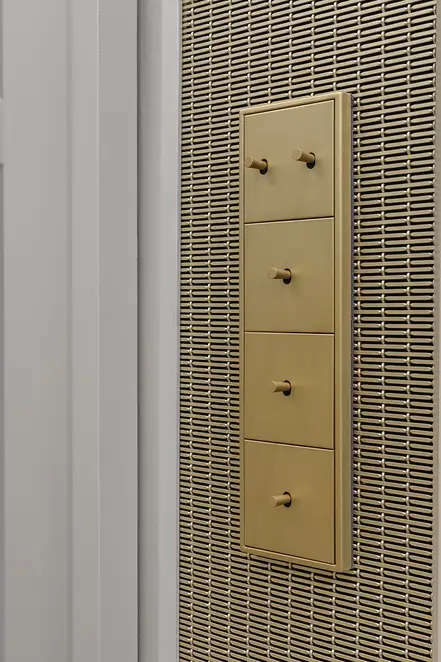
Warm metal tones are experiencing a renaissance. They give rooms depth, structure, and a pleasant warmth. In the LS series, the Classic Brass and Antique Brass variants represent this trend. Classic Brass showcases the material's natural shine with subtle brushing, offering a sophisticated yet unobtrusive look. Its surface plays with light reflections and blends particularly well with dark wood, earth-toned textiles and natural stone. Antique Brass, on the other hand, has a characterful patina. The slightly aged surface evokes classic craftsmanship and lends modern spaces a timeless, sensual depth. Both variants deliberately provide warm accents without taking centre stage.
Classic Brass: Stiftung Schulz, Amorbach | Germany
Ecker Architekten PartG mbB, Heidelberg | Germany
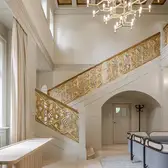
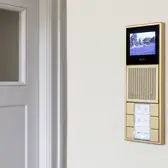
The Joachim and Susanne Schulz Foundation, located in Amorbach in the region of Lower Franconia, is one of the largest private foundations in Germany. It is dedicated to supporting the local community, as well as the arts, science, and education. The new headquarters of the foundation is the 'Villa Schulz', an impressive residential building dating from around 1910 with a high mansard roof. Ecker Architekten, based in Heidelberg, has in recent years extensively renovated the building, fundamentally redesigning it for its new purpose. The result is a patchwork that has grown over decades, creating a consistently coherent new overall picture that extends even to the furniture. The entire interior design creates a cheerful and bright atmosphere. All the interior details – with the exception of the carved railing and the foyer ceiling – were redesigned for this purpose, including the wainscoting, wall panelling, door casings, stucco mouldings and mirrors. To complement this, light switches from JUNG’s LS 1912 range in Classic Brass were used. Matching the toggle switches, sockets, motion detectors and door communication systems in Classic Brass from JUNG were also selected.
Go to the reference Stiftung Schulz
https://www.jung-group.com/en-DE/Stiftung-Schulz-Amorbach-Germany/20166
Classic Brass: Copper Gal, Gdansk | Poland
KOMPLEMENTI, Gdansk | Poland
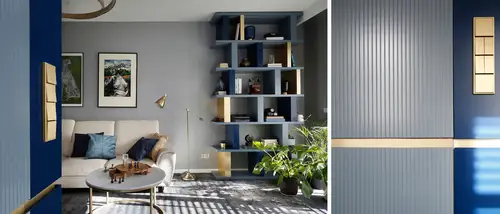
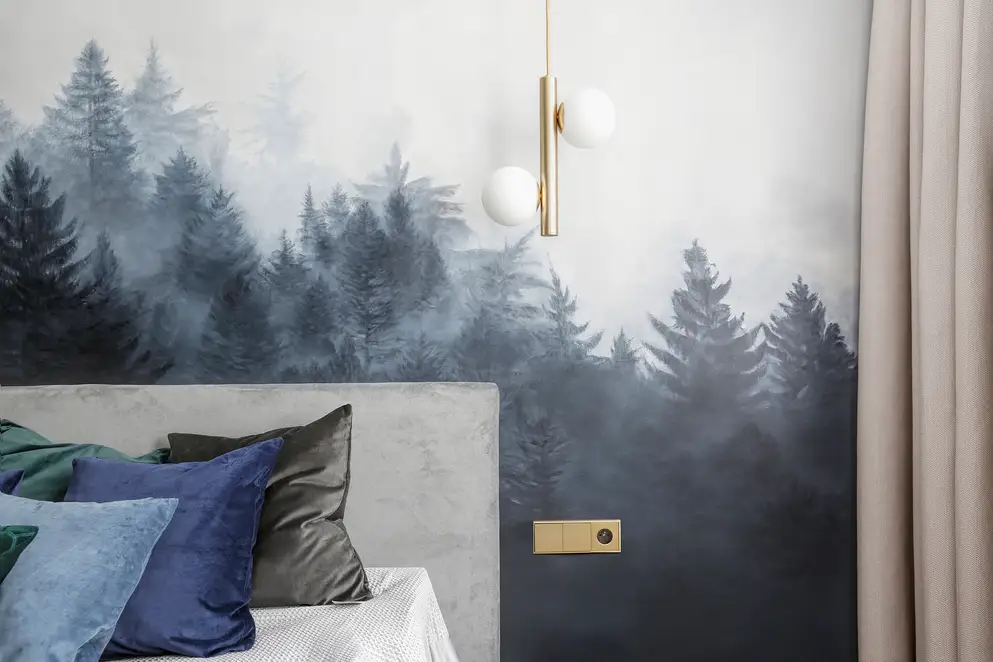
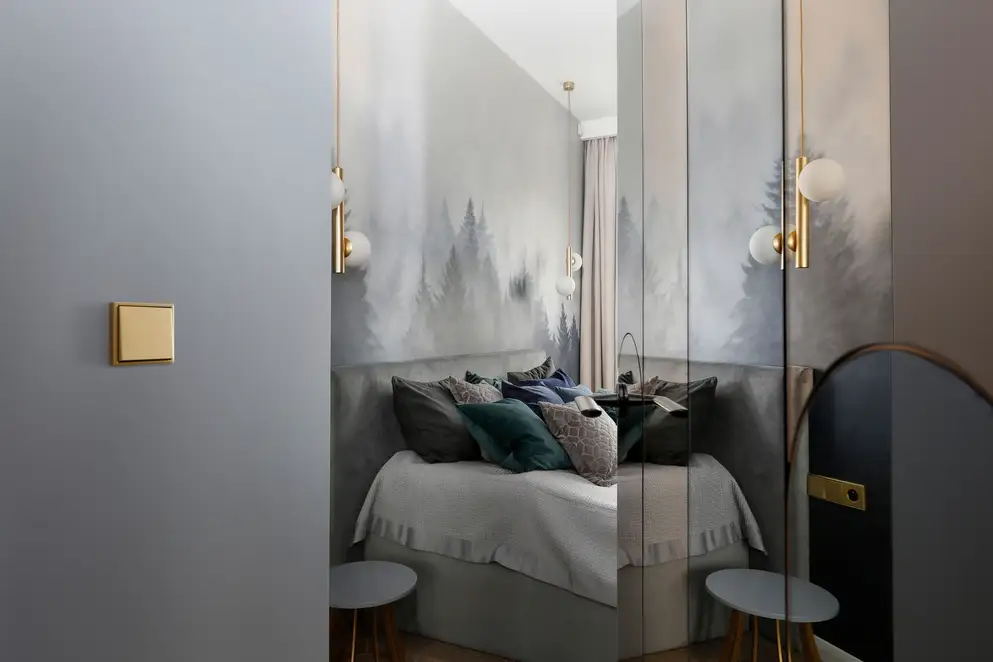
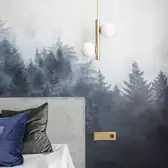
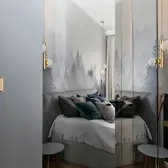
Anyone who’s afraid of colour and opulence probably won’t feel at home in the Copper Gal apartment in Gdańsk. But for those who expect more than soft shades of grey and beige, this interior design will be just right. A passion for life, music and art is evident in the living and dining area. Like a theatre stage, the kitchen opens up to the living room. Gold oak and ash, and elegant navy blue contrasted with anthracite, run through all the rooms. The bedrooms are wrapped in a soothing shade of grey, interwoven with gold. A painting behind the bed's headboard hints at a touch of mysticism and romance, depicting as it does a mysterious forest in the fog. The bathroom also elegantly borrows from the Art Deco period. Fine marble, copper accessories, and a geometric pattern from an Italian manufacturer's collection create a subtle, timeless space. To meet the interior's high-quality, exquisite standards, the residents opted for equipment with switches, push-buttons and sockets from JUNG's LS 990 range in the brass real-metal version and LS 990 in black. The perfect design blends harmoniously into the overall picture, creating a modern and harmonious interior with narrow frames.
Go to the reference Copper Gal
https://www.jung-group.com/en-DE/Copper-Gal-Danzig-Poland/23753
A cool sheen with chrome, aluminium and stainless steel
Cool metals bring a sense of technical elegance and clarity to an interior. Precise and reflective, they emphasise the architectural structure of a room. Chrome represents clear modernity. Its high-gloss surface reflects light, creating an almost sculptural presence that is ideal for minimalist rooms, bathrooms or kitchens with clean design lines. The aluminium variant impresses with its brushed surface and silky matt finish. It has an objective and calm appearance, emphasises material authenticity, and goes perfectly with concrete, glass, or white surfaces. Stainless steel is perhaps the most classic interpretation. This surface conveys the precision and technical aesthetics appreciated in architecture and high-quality interior design. Each of these surfaces creates highlights in its own way, but always in a reduced, precise and durable manner.
Aluminium: Casino Futur, Bremen | Germany
GME Architekten BDA with GME Design, Achim | Germany
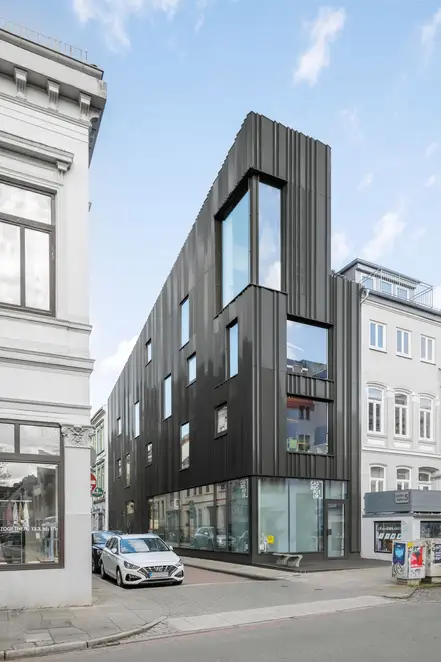
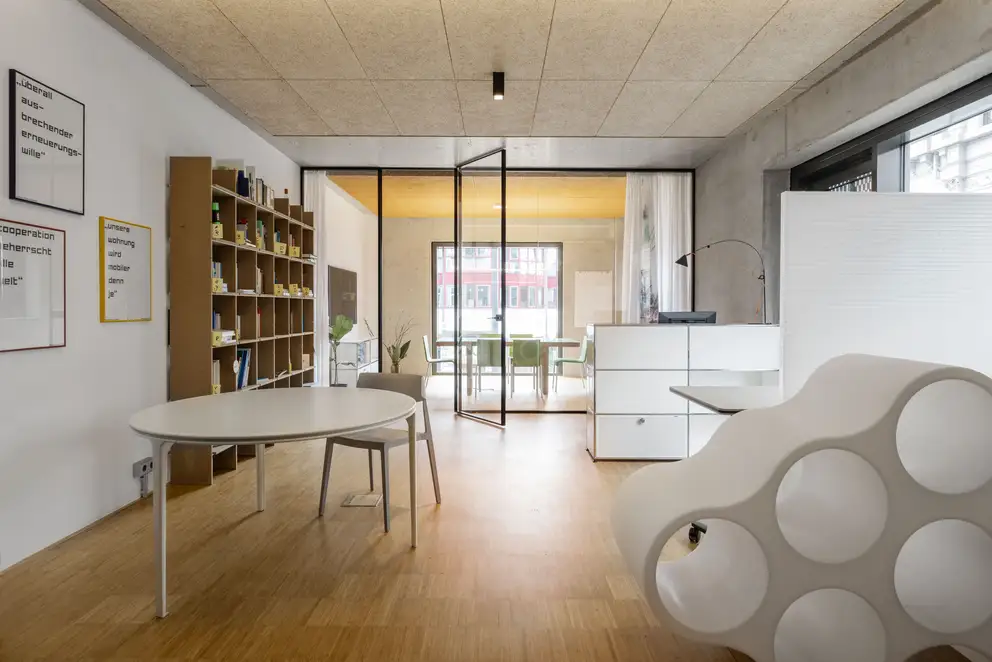
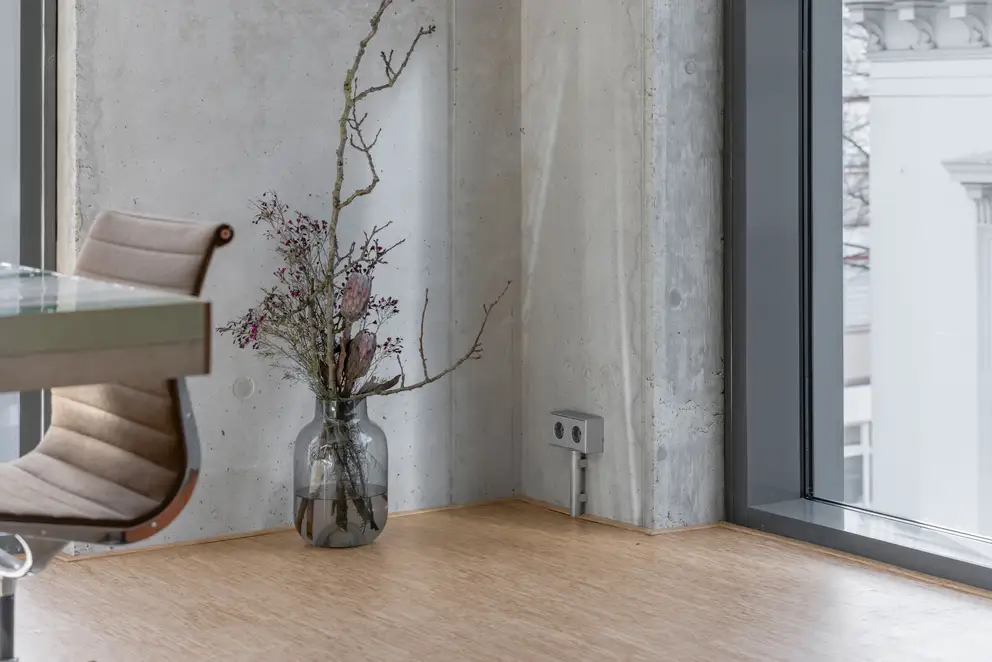
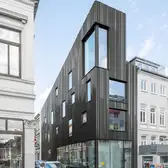
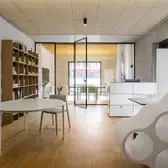
Designed and built by GME Architekten BDA with GME Design, the Casino Futur in Bremen is an innovative residential, commercial and event building located at a prominent intersection in Bremen's Ostertorviertel district. This four-storey sculptural building replaces a structure that could not be renovated, and it represents a modern interpretation of the urban planning ideas of the Wilhelminian period, which emphasised the importance of corners through special architecture and elevations. The facade consists of aluminium panels in a bespoke colour for this location, creating a fascinating interplay of light and shadow within the building. The ground floor opens onto the quarter with a large ribbon of windows and a terrace extending the lounge area into the urban space. This design gives the small building maximum visibility, while the interiors are designed to be flexible and inspiring. The furniture is a combination of collectibles and mobile office furniture from international designers. Exposed concrete walls meet parquet flooring and differently designed acoustic ceilings made of natural materials, all of which are left unclad and visible. The same applies to cabling and electrical engineering. Aluminium switches and sockets from the LS CUBE range have simply been surface-mounted on the concrete walls. On the residential floor, they are supplemented with multiple frames with switches and temperature controllers from the LS 990 range. Overall, the building sets a contemporary standard with its visible and invisible technology, such as an air source heat pump, rainwater harvesting and a green roof.
Go to the reference Casino Futur:
https://www.jung-group.com/en-DE/Casino-Futur-Bremen-Germany/47137
Matte and dark surfaces create an understated depth
Darker metals embody a new form of luxury in a restrained way. They bring calmness, depth and a sense of craftsmanship to a room. With Aluminium Dark and Aluminium Anthracite, JUNG offers two surfaces that embody this trend perfectly. Both have a semi-gloss, deep-tinted metal structure, but differ in nuance: Aluminium Dark has a slightly warmer, bronzed undertone, while Aluminium Anthracite has a cooler, more graphic appearance. Both finishes accentuate architectural lines without dominating, and are particularly effective when combined with dark woods, textured walls, or textile surfaces. The result is a restrained yet concise material expression, making them ideal for interiors that combine reduction with sensuality.
Aluminium Dark: Private suites at the Hotel & Spa Suiten FreiWerk in Stolberg | Germany
Architekturbüro Klima, Nordhausen | Germany
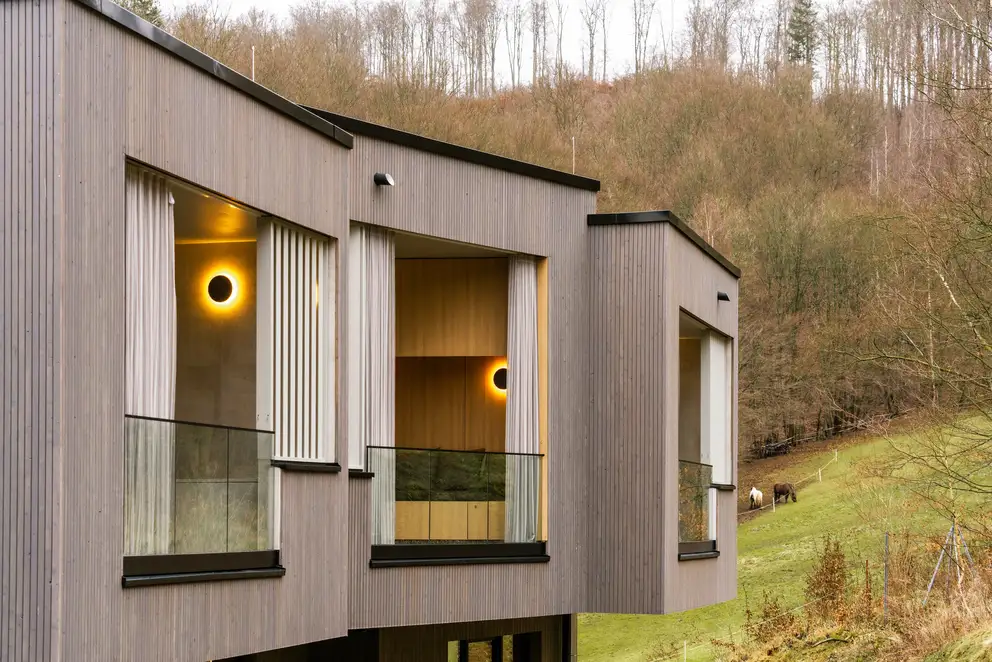
The traditional Hotel & Spa Suiten FreiWerk has been expanded by seven exclusive private spa suites designed by Nordhausen-based Architekturbüro Klima. The new building blends sensitively with the listed ensemble of half-timbered villa and coach house, setting a contemporary accent in the midst of nature. The suites are built on a reinforced concrete structure above an existing car park, offering a resource-saving solution that avoids additional surface sealing. Above this rises a two-storey timber-frame building with board-stacked ceilings. Clad in pre-greyed local larch, the building's projections and recesses provide guests with a high degree of privacy. Set into the hillside, the architecture appears to grow naturally out of the terrain, creating a sense of calm and lightness. The interior design is characterised by restrained elegance. Light beige and grey tones, natural materials such as wood and stone, and individually curated furniture create a high-quality atmosphere. Standard solutions were deliberately avoided. For the suites' furnishings, switches and sockets from JUNG in aluminium dark were chosen. The surface is made of anodised aluminium, refined in an elaborate process. This gives the material its distinctive deep dark appearance and a high level of resistance to everyday wear and tear. With their clear design language and elegant feel, the switches set discreet yet effective accents in the interior.
Go to the reference FreiWerk Hotel & Spa Suiten
https://www.jung-group.com/en-DE/Private-suites-in-the-FreiWerk-Hotel-Spa-Suites-Stolberg-Germany/100023
Aluminium Anthracite: House Lia, Frohsdorf l Austria
STEINBAUER architektur+design, Wiener Neustadt l Austria
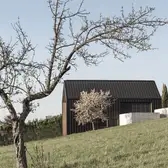
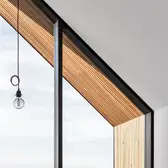
The special quality of Haus Lia, located in a diverse settlement landscape at the foot of the Rosalia Mountains in Lower Austria, lies in the interplay of transparency and coherence. The deliberate sequence of in, out, and through views creates a building that draws its architectural power from this composition. Or, as architect Oliver Steinbauer puts it: "From the outset, the concept was defined by its simple floor plan design, concrete gable roof construction, two glazed gables, and a zoning box for ancillary rooms – nothing more. The space in between allows residents to freely design the building." The vertical, matt black metal cladding extends over not only the outer walls, but also the entire roof surface. Deliberately placed incisions in the facade provide views of nature and allow additional lighting to enter the introverted rooms. Inside, strong contrasts dominate. White concrete walls alternate with black-grey fixtures, and the floor is made of oiled oak. It is therefore only logical that the switches and sockets of the LS 990 design classic were chosen in Anthracite, the darkest aluminium surface in JUNG's metal portfolio.
Go to the reference House Lia
https://www.jung-group.com/en-DE/House-Lia-Frohsdorf-l-Austria/46334
Download:
All the images may be used free of charge for editorial purposes provided the copyright is acknowledged.
Stiftung Schulz:
© Architecture: Ecker-Architekten, Photo: Henrik Schipper
Copper Gal:
© Architecture: KOMPLEMENTI, Photo: KOMPLEMENTI, Photo: Magdalena Lojewska VEY Photography
Casino Futur:
© Architecture: Gruppe GME Architekten BDA with GME Design, Photo: Henrik Schipper
FreiWerk Hotel & Spa Suiten:
© Architecture: Architekturbüro Klima, Nordhausen, Photo: Ritter von Kempski Privathotels
House Lia:
© Architecture: STEINBAUER architektur+design, Photo: Oliver Steinbauer
Download link: https://jung.canto.de/b/IJH60








Gallery


