New opening: ERCO x JUNG Showroom in the Ledigenheim, Munich
A place where architecture, light and technology converge: Where Theodor Fischer with the Ledigenheim once realised a social architectural project, ERCO and JUNG have now, with the opening of their first joint showroom, established a dialogue and inspiration platform. Surrounded by historic brick architecture in Munich, visitors can experience how high-quality lighting and intelligent controls can transform spaces and create atmosphere.
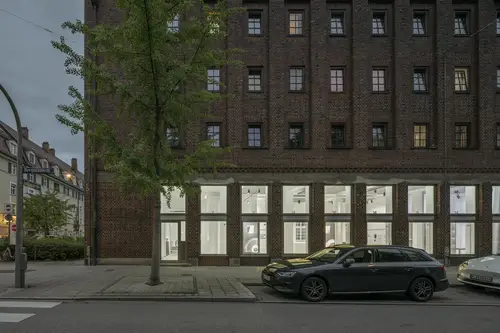
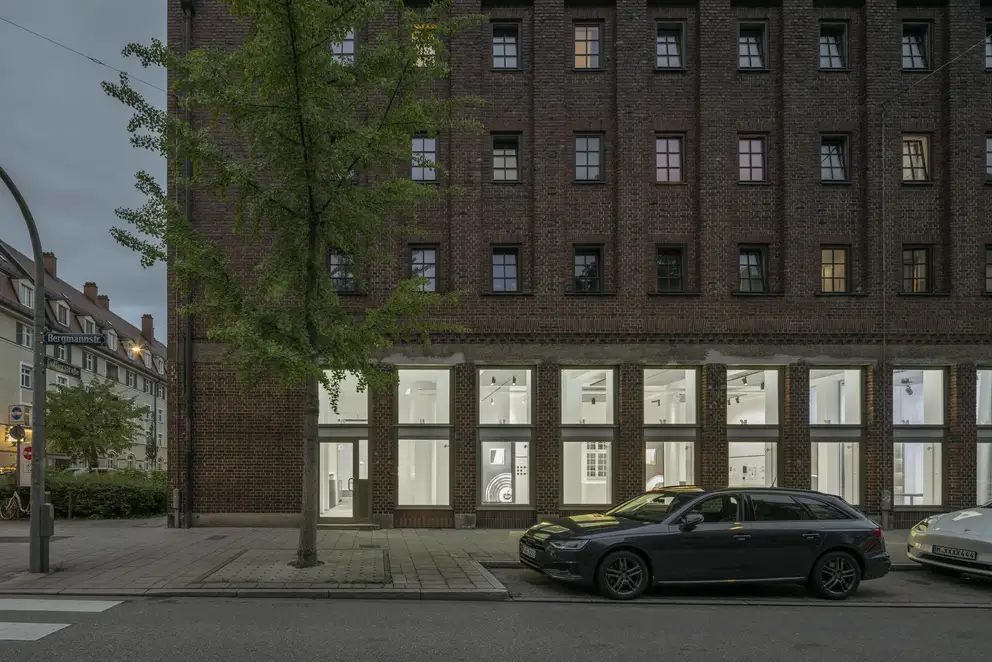
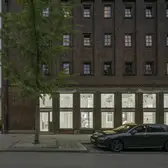
In Munich's Westend district, on the ground floor of Theodor Fischer's listed Ledigenheim, lighting manufacturer ERCO and building technology specialist JUNG have opened their first joint showroom. The historic brick building, dating from 1927, is considered a rare example of Munich Modernism. The complex was originally built as a residence for unmarried men. The building continues to fulfil this social function to this day, whilst also being a living piece of architectural heritage.
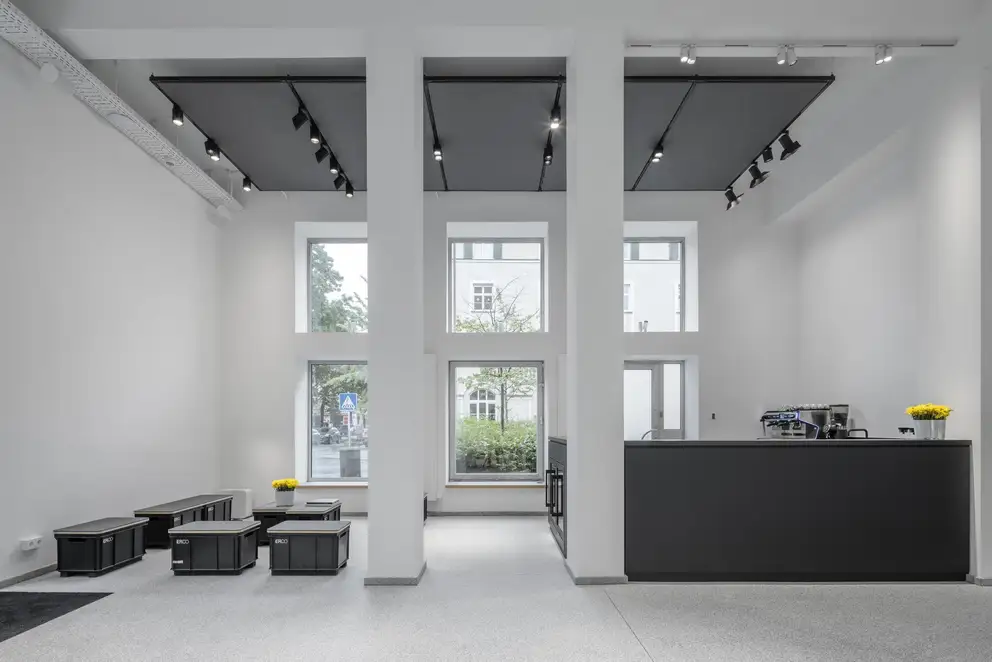
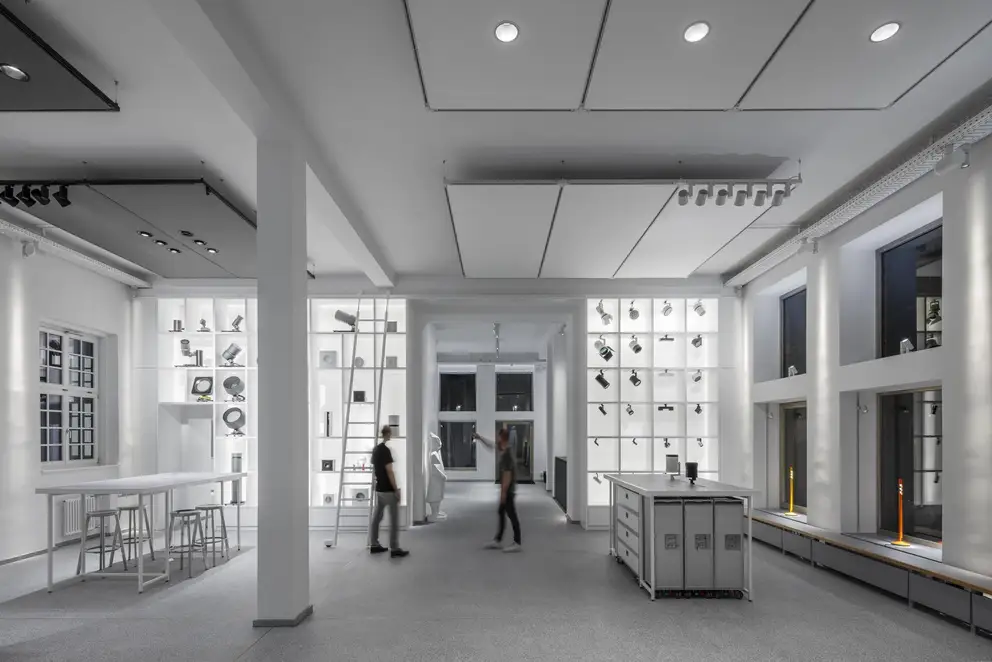
ERCO, a leading international specialist in architectural lighting, and JUNG, a building technology specialist, have seized the opportunity to open a cooperative showroom spanning approximately 450 square metres on the ground floor and basement of this special ensemble, spaces previously occupied by a bank. ERCO as a leading international specialist in architectural lighting demonstrates here how thoughtful use of light can effectively model rooms, promote activity, and create atmosphere. JUNG alongside exhibits a variety of intelligent switch and control systems, ranging from classic designs to smart building solutions that combine comfort, aesthetics and functionality.
ERCO x JUNG: modern design and intelligent technology
Against this architectural backdrop, the two companies have created spaces that clearly demonstrate their respective core competencies: smart switching and control, and efficient architectural lighting. This is because it is only through the interplay of intelligent control and perception-oriented lighting that the quality of rooms can be vividly experienced.
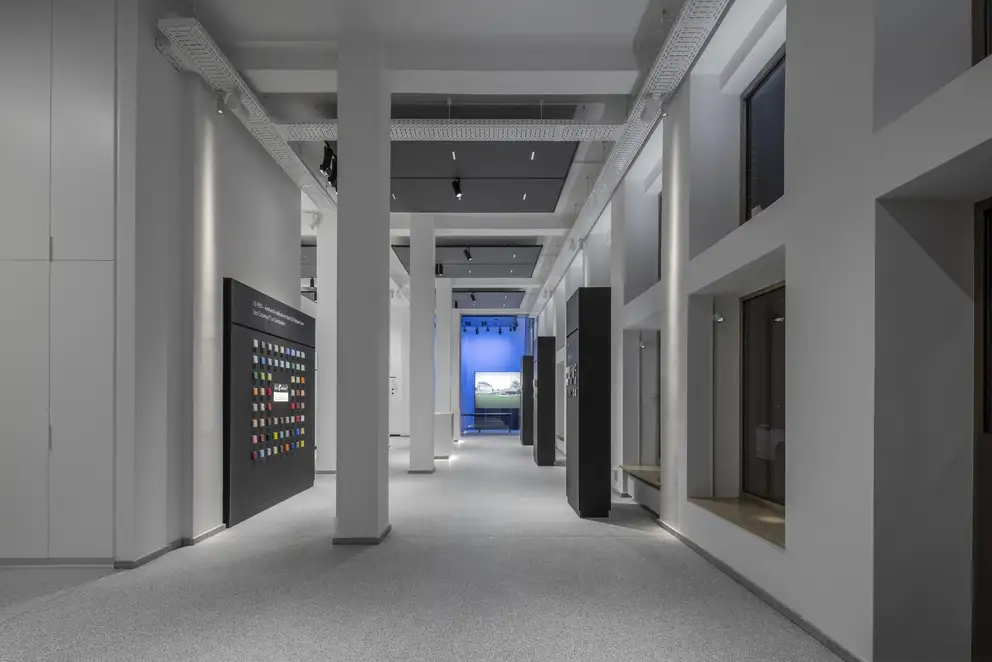
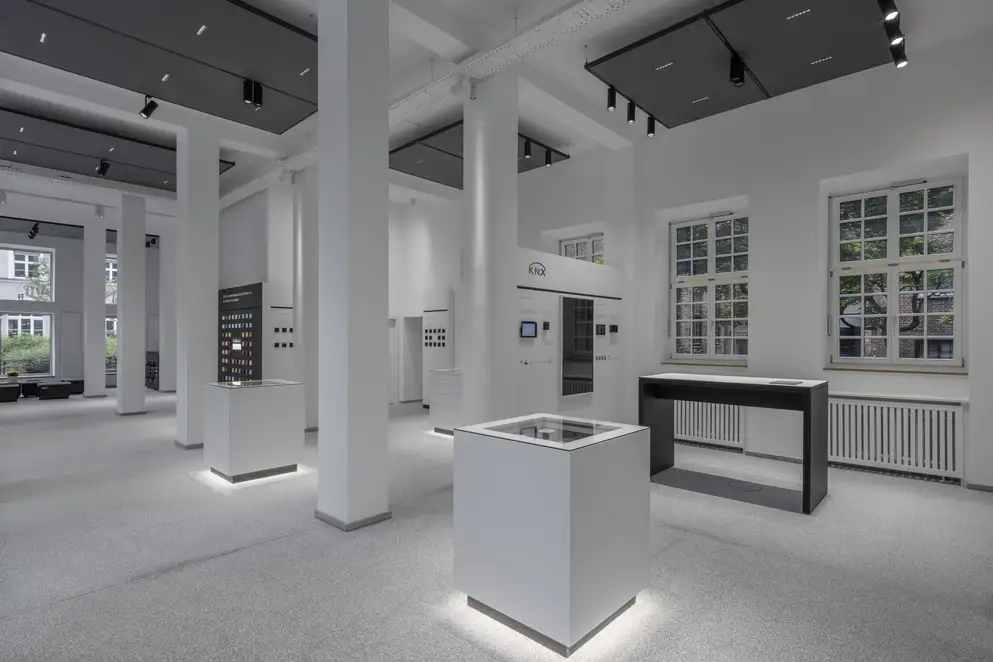
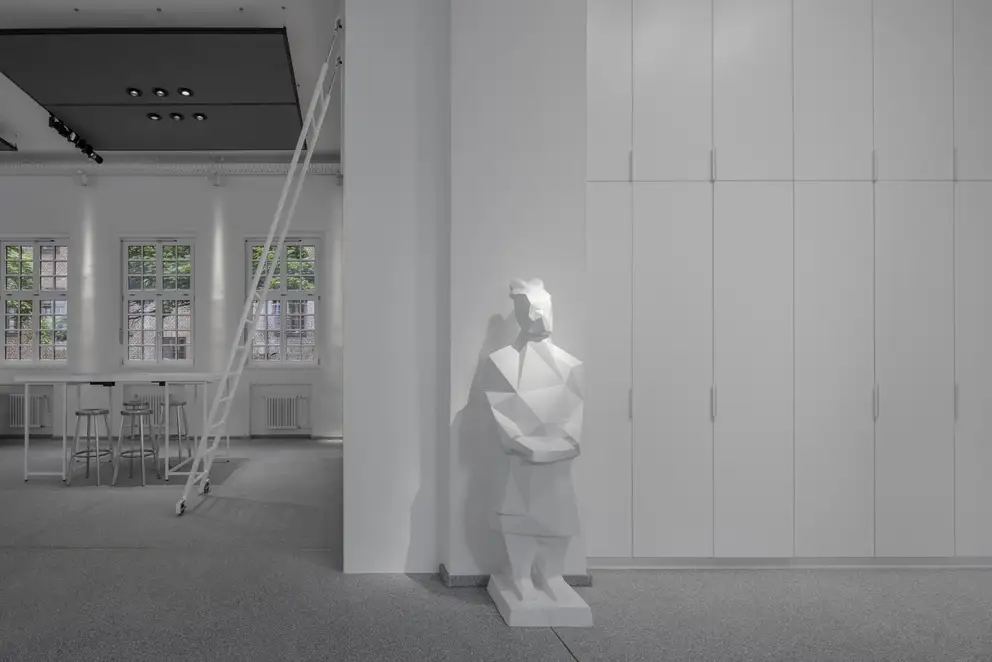
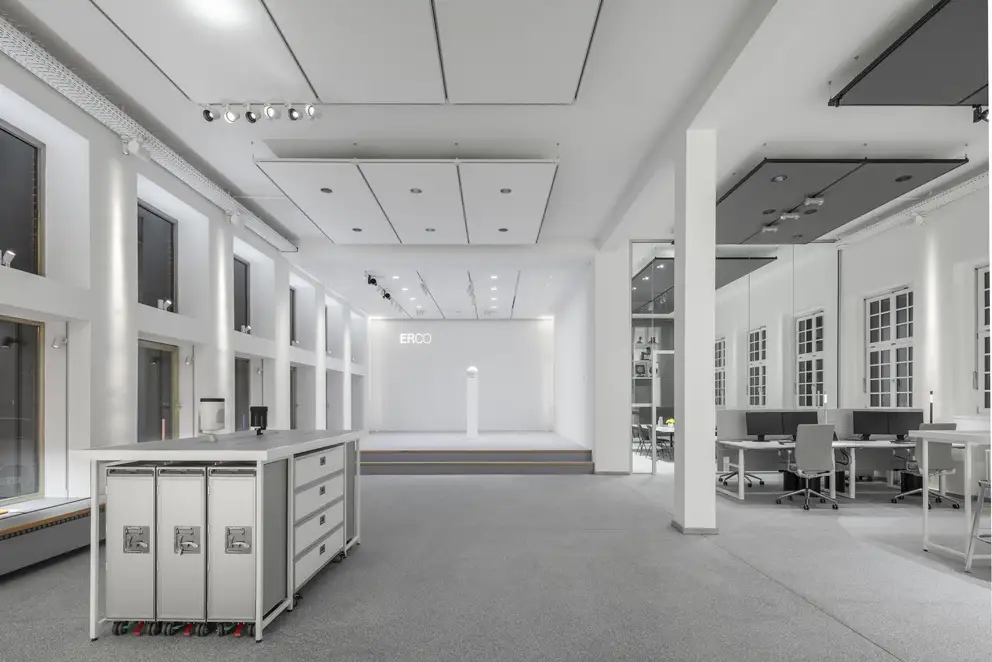
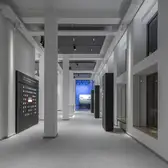
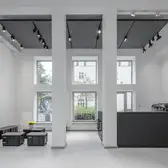
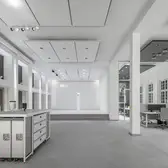
In close cooperation with the listed buildings department, architect Felicia Lehmann of Lehmann, Tabillion & Castorph Architektur Stadtplanung Gesellschaft mbH in Munich has developed a design concept that respectfully continues the character of the existing building. Major conversions and expansions have been deliberately avoided. Instead, the original room size has been restored. Simple white walls, restrained fixtures, and a newly laid terrazzo floor reference the architecture of the building's original design. The communal entrance area with lounge and café forms a connecting element between the two brand areas, while the showrooms are arranged independently in the wings of the floor plan. The striking facade of the Ledigenheim remains untouched, though the inner courtyard lighting has been reinterpreted to allow for different scenarios.
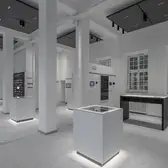
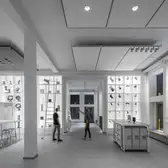
ERCO's area adheres to the principle of 'light instead of luminaires', with the showroom divided into various light zones comprising presentation areas, experience zones and meeting areas. A museum-like display case showcases an atmospheric product world. In the middle of a slightly raised séparée, which can be separated by curtains and also used as a stage, stands the striking, hallmark ERCO stele and sphere. In this mock-up area, interested parties can experience the effect of different lighting moods first-hand.
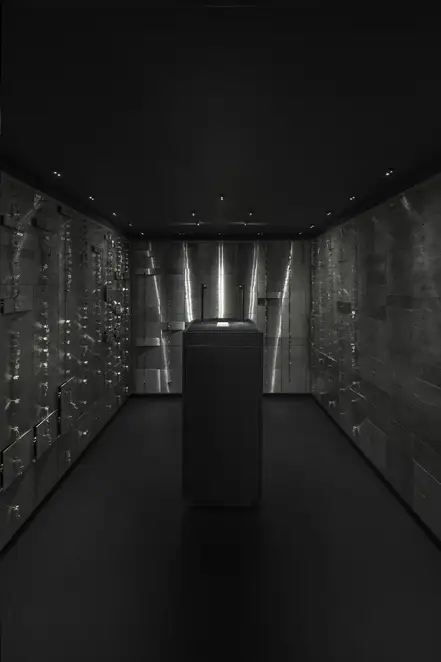
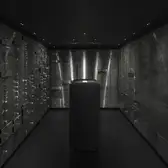
The JUNG Showroom, on the other hand, looks clean and tidy at first glance, offering consultation and sampling zones. There, JUNG demonstrates the variety and functionality of its switch series and control systems, including KNX, JUNG HOME, JUNG UNIQUE and Les Couleurs® Le Corbusier®. The real highlight is located in the shared basement in the bank's former vault. Preserved in their original condition, the deposit boxes will in future safely store switches in all 63 Les Couleurs® Le Corbusier® colours. In the middle of the dark room stands a velvet platform on which the 'valuables' can be examined, perfectly illuminated by ERCO with either soft artificial light or bright daylight.
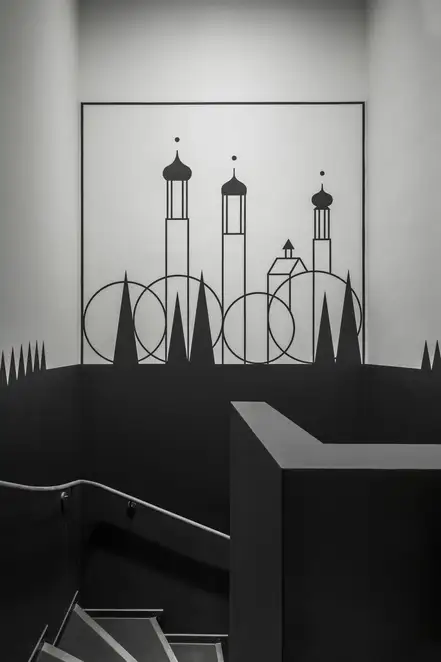
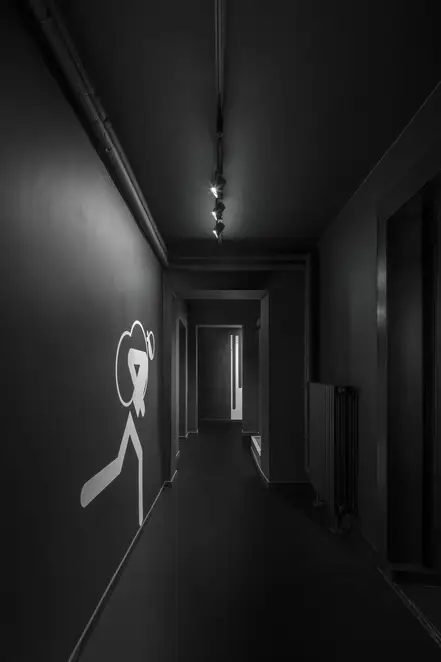
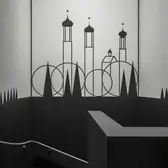
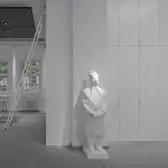
While the ground floor is bright and open, the basement, with its vault and ancillary rooms, focuses on darkness and dramatic staging. Even the stairwell is designed to create a transition from the Bavarian landscape to the 'underground', with graphical support including Otl Aicher's pictograms for Isny and other iconic graphics. Otl Aicher (1922–1991) played a key role in the corporate design of numerous institutions and companies, including the 1972 Olympic Games, the cities of Munich and Isny, and ERCO's brand identity. The showroom therefore contains many echoes of his design approach. The combination of historical features with contemporary graphic design creates a special atmosphere that links history and the present.
"At ERCO, the focus is not on the product, but on the interplay of light and space, entirely in keeping with the principle of 'light instead of luminaires'. This approach can be experienced first-hand in the new showroom, where architectural lighting and building technology come together to open up new design possibilities. We envisage this space as an active forum, which we intend to fill with workshops, events, and unique experiences in the future." Frank Busch, ERCO's Managing Director
Cooperation as a guiding principle
The showroom is the result of a collaboration between ERCO and JUNG. ERCO and JUNG, two leading brands, have joined forces to demonstrate the potential of architectural lighting and building technology in a shared space. Each brand remains present independently, while added value is created through interaction.
The space also thrives on dialogue in terms of design, too. Felicia Lehmann, the architect responsible for expanding the showroom area and renovating the Ledigenheim in accordance with the listed building requirements, worked alongside the ERCO (Wilken Behrens and Marc Hartings) and JUNG (André Klauke) in-house teams to design the exhibition areas. The showroom is also a joint project with other partners: JAB ANSTOETZ Acoustics provides high-quality acoustic solutions, FSB precisely-manufactured fittings and door handles, and Sonos a sound dimension that brings the rooms to life.
These diverse collaborations demonstrate the importance of an integrated approach to planning and construction. Architecture, lighting, technology, acoustics and material design only intertwine harmoniously when manufacturers and planners focus on collaboration, supported by a commitment to finding the best solution together.
"The Ledigenheim is an extraordinary setting in which to combine architectural history with contemporary building technology. Here, we demonstrate how intelligent control solutions function in real-life scenarios and how our guiding principle of 'Progress as Tradition' engages with the existing architecture. However, what is even more important to us is that the showroom becomes a meeting place for joint projects, inspiring formats, and open exchange with architects and planners." Deniz Turgut, Head of Marketing at JUNG
A showroom that sends a signal for cooperation and building culture.
The showroom is not only a presentation area, but also a meeting place. It opens up a space for dialogue and exchange, and gives architects, planners and builders the chance to discover both brands in all their diversity and experience the interplay of light, control and architecture. By choosing this location, ERCO and JUNG are combining their innovative strength with an important building in the city's history, thus sending a clear signal of cooperation, design quality, and responsible use of architectural heritage.
Any questions? The ERCO and JUNG local contacts will be happy to provide advice and support. Contact them to arrange an appointment.
ERCO x JUNG Showroom
Bergmannstraße 35
80339 Munich-Schwanthalerhöhe
Opening hours: By appointment only.
Contact ERCO: Mariusz Furtak
Tel: +49 172 6393744
E-mail: [email protected]
Contact JUNG: Wiebke Becker
Tel: +49 172 234 9702
E-mail: [email protected]
The Ledigenheim Munich
History, Renovation and Use
The Ledigenheim at Bergmannstraße 35 was designed by Theodor Fischer in the New Objectivity style and built between 1926 and 1927. Commissioned by the Ledigenheim München e.V. association, it was intended as a residence for unmarried men, offering rooms with washing facilities at an affordable price. Originally comprising 510 furnished units, communal kitchens and lounges, the four-storey, H-shaped complex with a higher central wing connecting the two wings and an open portico facing the courtyard set new standards for the integration of social commitment and modern architecture. It is the only surviving residence of its kind in Europe to this day. Since the 1950s, the building has been successively modernised, with rooms being merged, heating systems being installed, and furnishings being adapted to reflect the times. To secure the building's integrity and meet the requirements of monument protection, several comprehensive renovation stages have been carried out in recent decades. The restoration in accordance with the listed building requirements, which began in 2014 and is still ongoing, has been particularly formative. Between 2016 and 2019, the building underwent technical modernisation and structural upgrades. The Munich-based office of Lehmann, Tabillion & Castorph Architektur Stadtplanung Gesellschaft mbH is currently responsible for renewing key areas, including renovating the residents' corridors, implementing fire protection measures, creating a new lighting concept, and redesigning communal areas such as the kitchen and dining room. In 2025, the office took over the planning and construction management for redesigning the showroom areas for ERCO and JUNG.
Today, the Ledigenheim continues to fulfil its original purpose of offering affordable housing in a central location to those on low incomes. Around 380 furnished rooms are available to residents, supplemented by communal kitchens, sanitary areas and lounges. Financing is primarily provided through rental income, with additional support from commercial space on the ground floor and subsidies from the City of Munich. This not only makes the Ledigenheim an architectural monument of national importance, but also a place where social responsibility and building culture remain inextricably linked to this day.

Gallery


