LS – a true classic
A true classic is a product from another era that effortlessly outlasts every trend. With ease and only minimal changes, it adapts to new circumstances and challenges. A genuine classic sets standards for decades. It is universal and timeless.

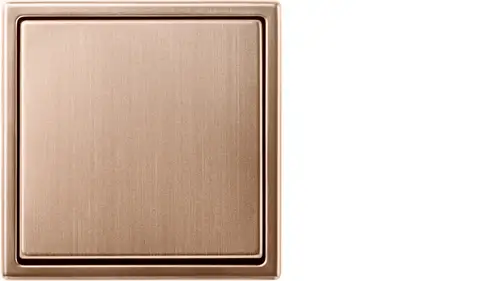




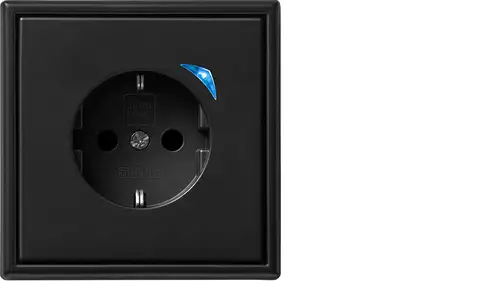


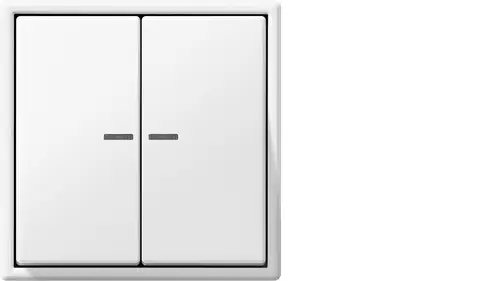






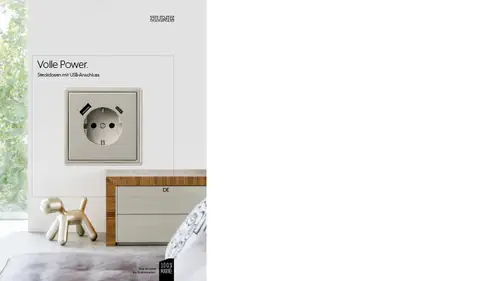






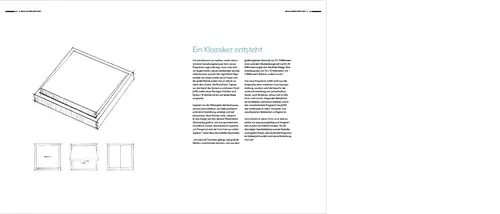





























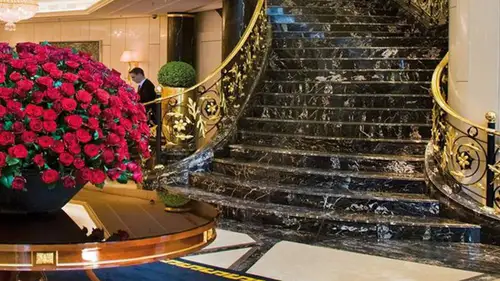


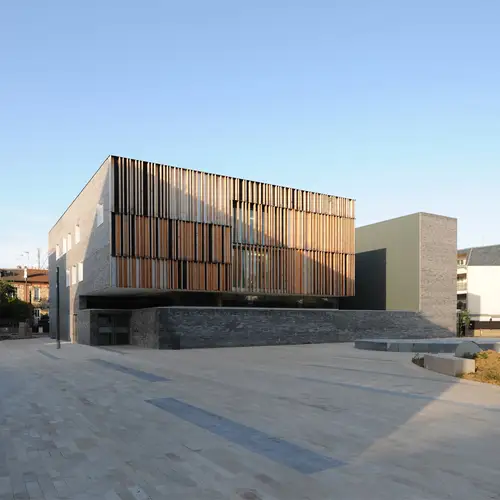




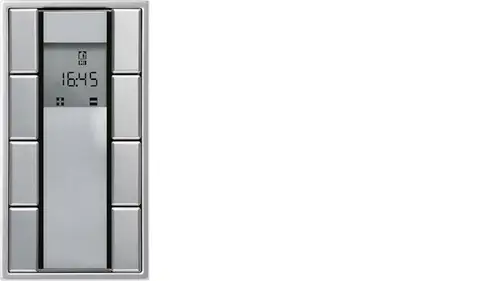











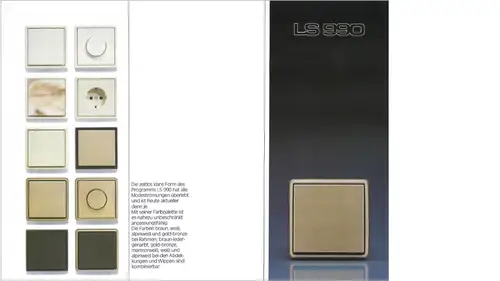

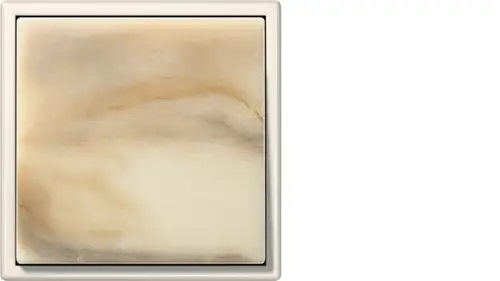




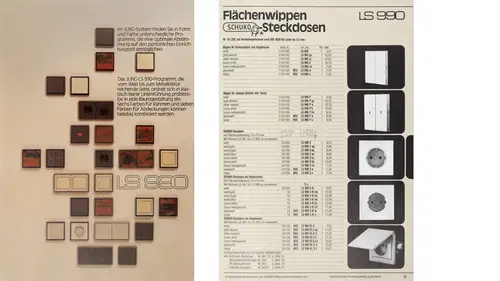







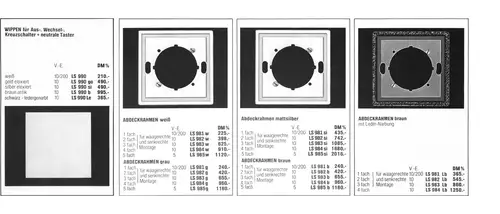



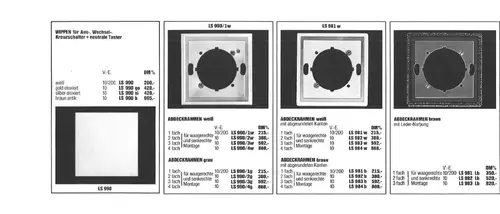
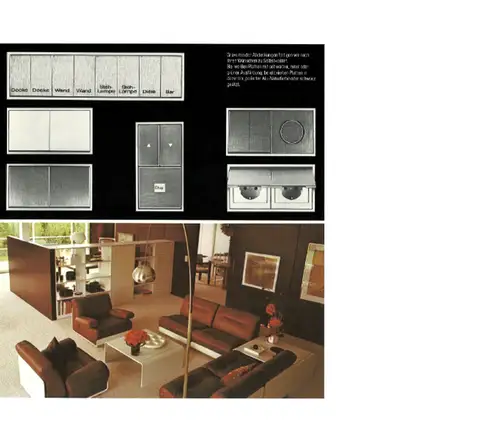
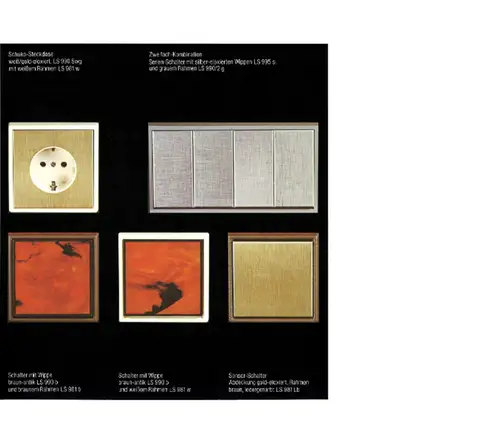

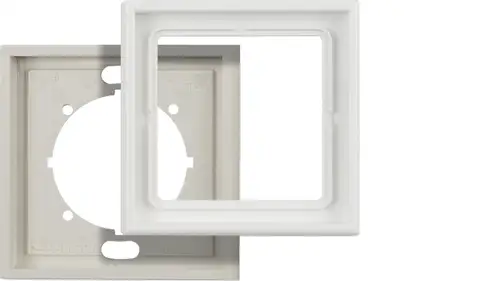


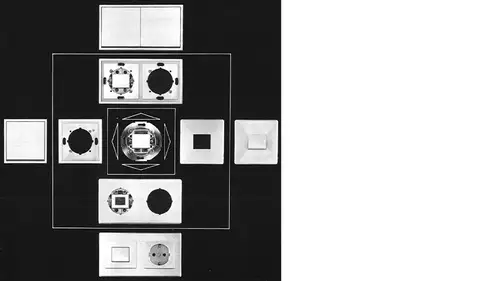





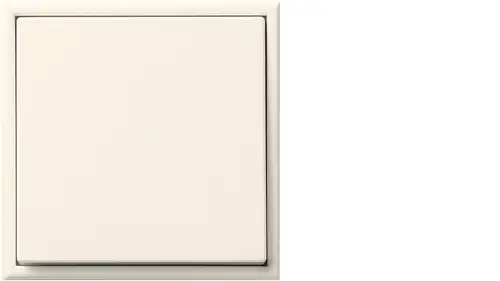




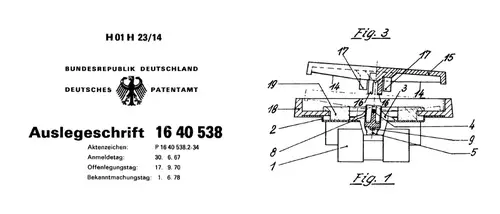

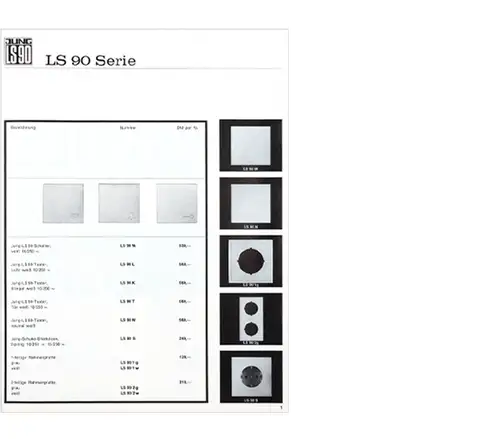
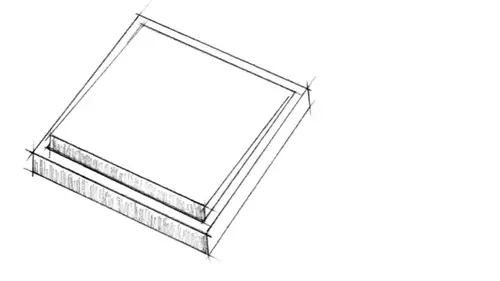
On 30 June 1967, the patent for the construction of the modular LS system was filed – a step that is now regarded as a milestone in switch architecture. At the time of the application, however, the significance of this design principle was not yet foreseeable. The idea of a clearly structured, modular construction created the basis for a system architecture that combines design freedom with technical precision. The underlying construction principle enables the consistent separation of function and design. This approach increases planning flexibility and ensures long-term system continuity.
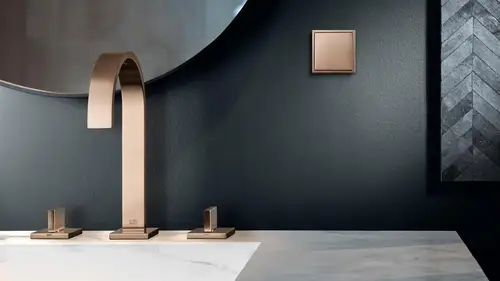
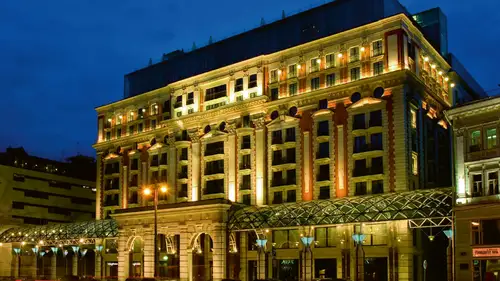
For architects, this principle means above all one thing: reliability in design. The modular LS system stands for dimensional accuracy, reduction and a formally clear design language that can be integrated into a wide range of architectural contexts – from listed heritage buildings to contemporary new constructions. What began in 1967 as a structural innovation developed into a lasting system concept. The patent application therefore marks not only the origin of a technical solution, but also the beginning of an architectural continuity that continues to this day.
For architects, this principle means above all one thing: reliability in design. The modular LS system stands for dimensional accuracy, reduction and a formally clear design language that can be integrated into a wide range of architectural contexts – from listed heritage buildings to contemporary new constructions. What began in 1967 as a structural innovation developed into a lasting system concept. The patent application therefore marks not only the origin of a technical solution, but also the beginning of an architectural continuity that continues to this day.