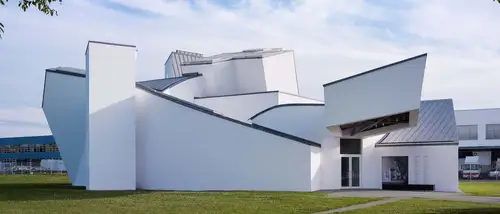
Vitra Design Museum/ VitraHaus/ Vitra factory building, Weil am Rhein
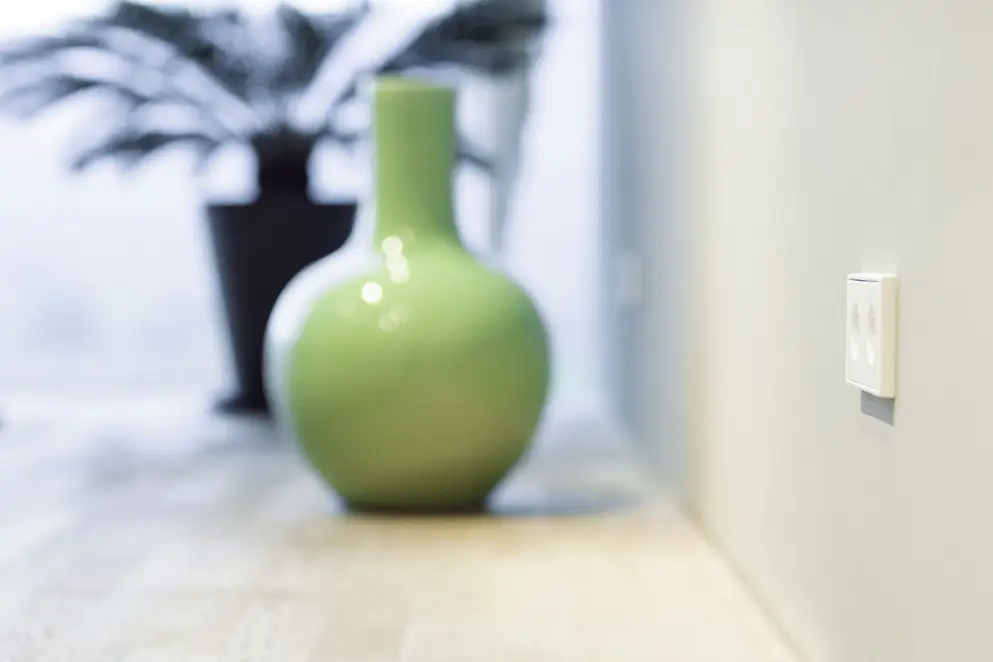
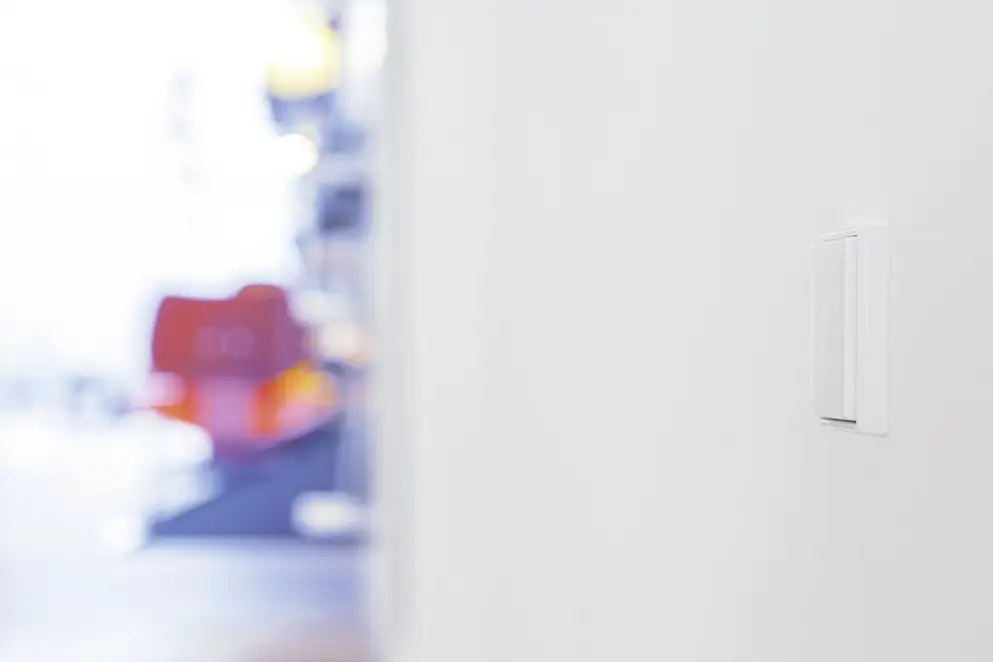
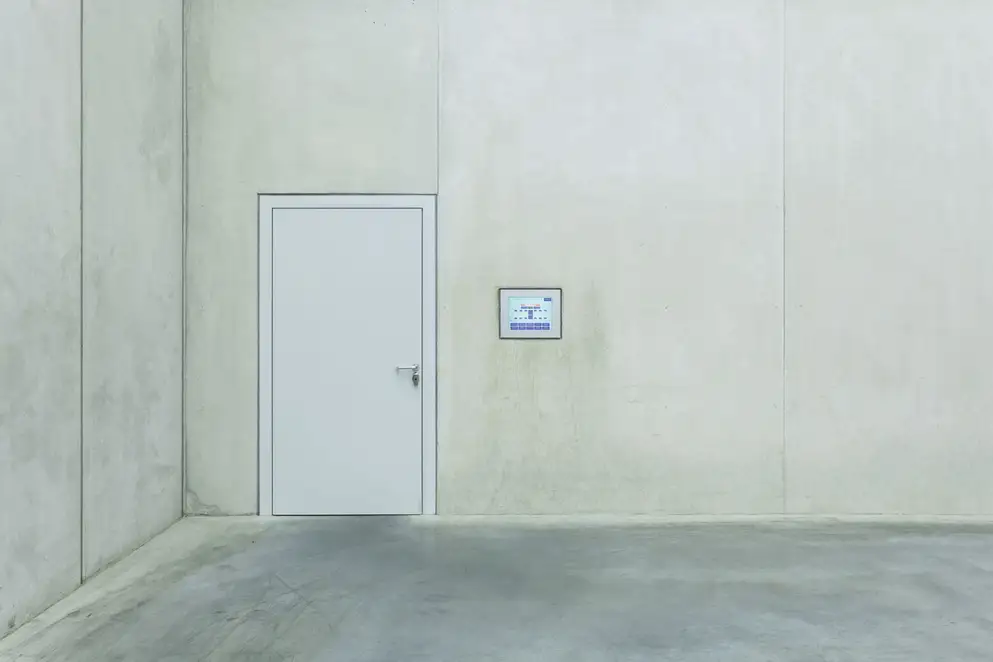
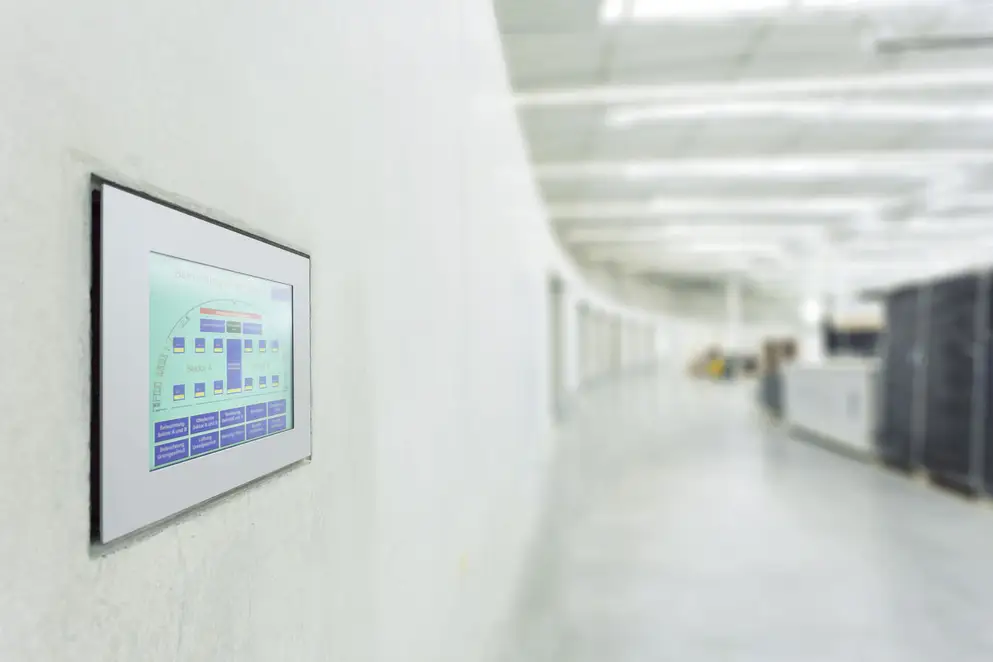
Equipped with the JUNG KNX system and classic LS 990 switches in white.
Vitra AG, a Swiss company, develops designer furniture and interior design concepts, seeking to improve quality at home and in the office. A love of forms is also evident in the Vitra Design Museum in Weil am Rhein, one of the world’s most famous design museums. Furniture and interior design by industrial designers such as Charles and Ray Eames, Alvar Aalto, Verner Panton and Dieter Rams are shown here in alternating exhibitions. The exclusivity of the exhibits is also reflected in the architecture of each of the company’s individual buildings.
The list of designers represented on the Vitra Campus, including Japanese architects Tadao Ando and SANAA, the firm of Herzog & de Meuron from Switzerland, Iraqi architect Zaha Hadid and American Frank Gehry, is like a Who’s Who of modern architecture. The Vitra Campus has grown into a modern architecture park of the very highest quality, without the buildings looking out of balance with the surrounding nature and buildings.
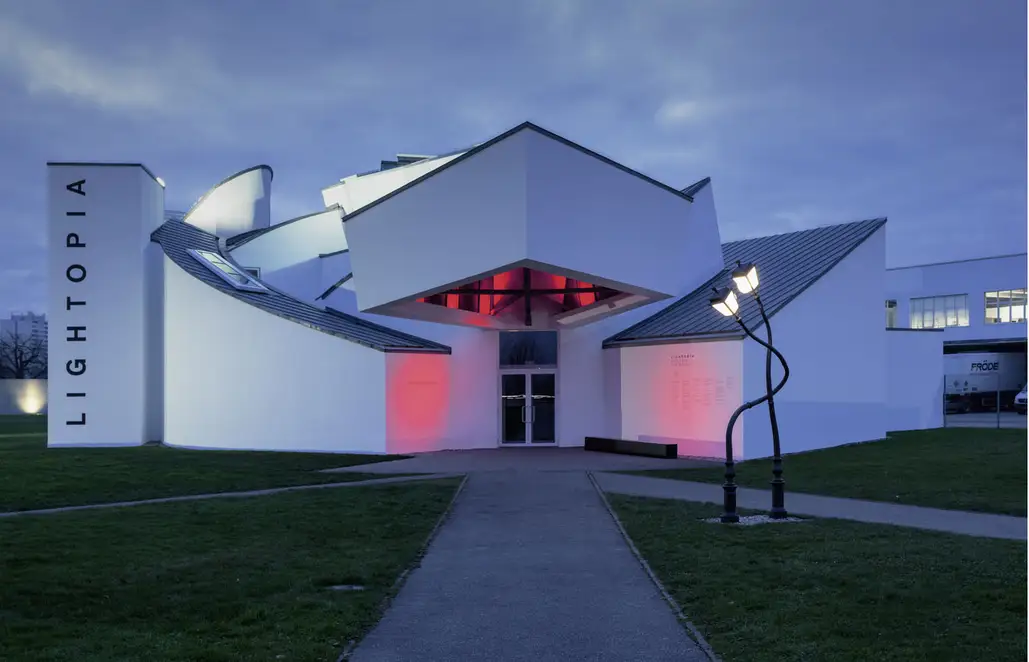
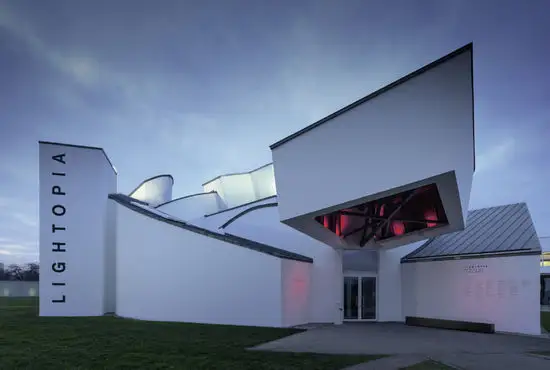
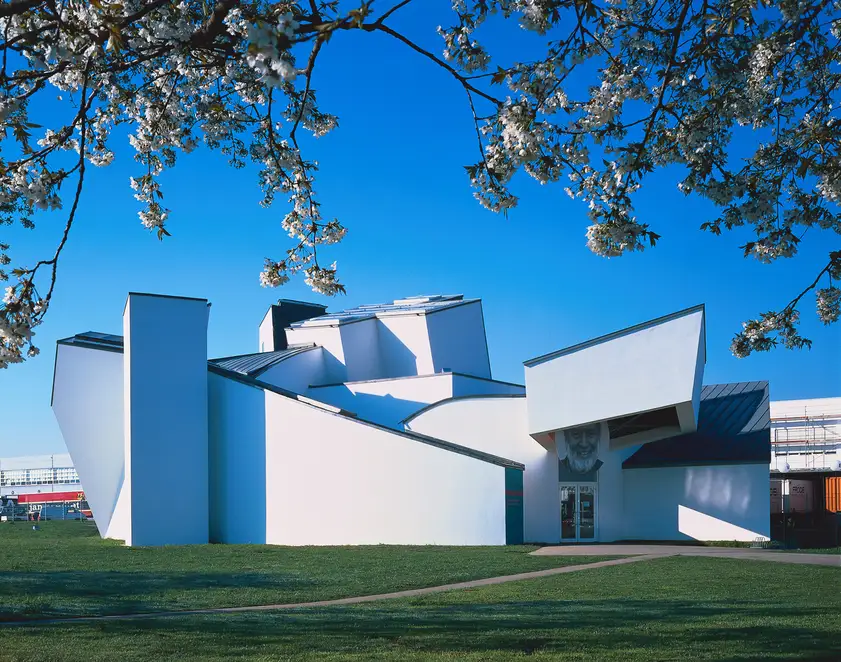
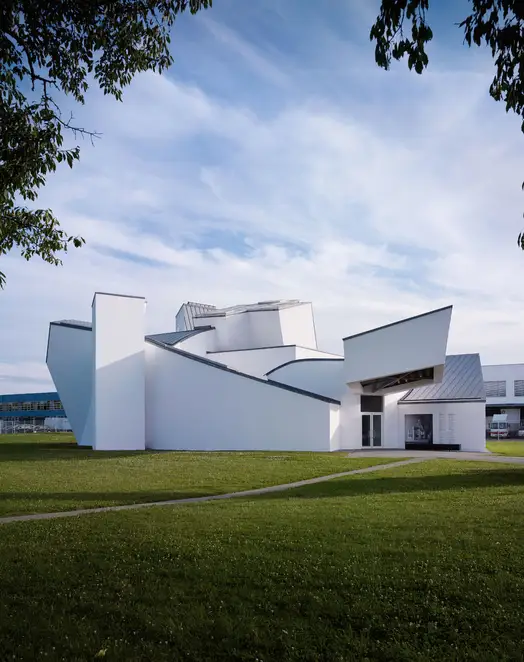
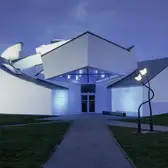
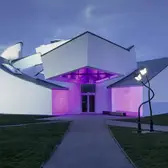
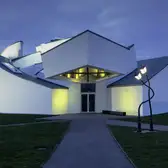
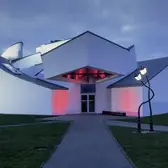
The Vitra Design Museum – A vibrant building sculpture
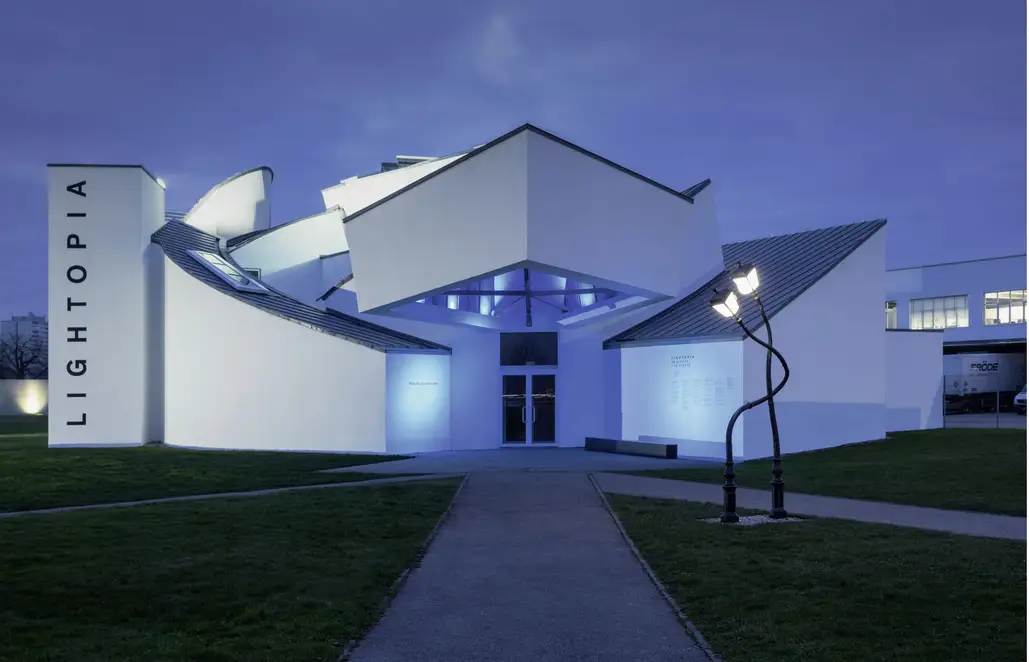
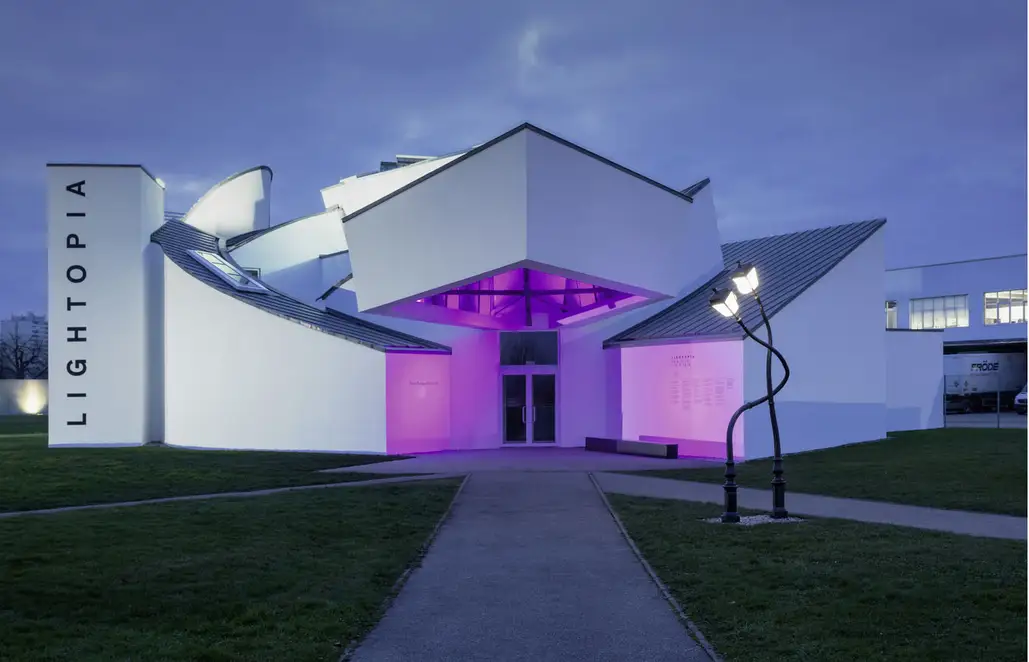
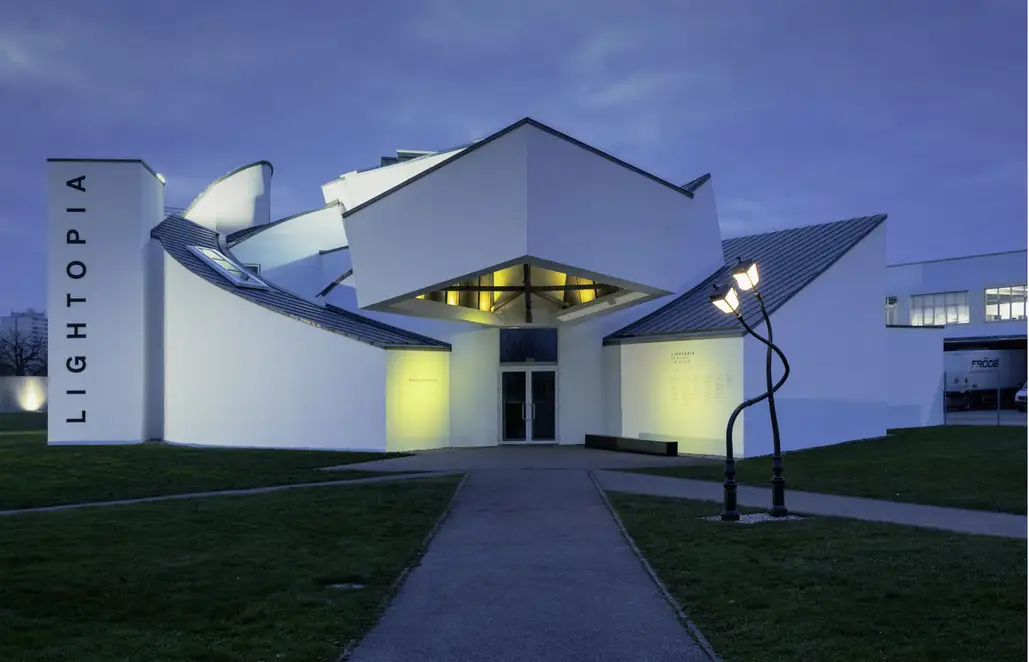
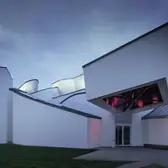
Founded as an independent foundation, the Vitra Design Museum is dedicated to researching and disseminating design and architecture. Frank Gehry designed the Vitra Design Museum’s main building in a Deconstructivist style in 1989. The building’s basic geometrical, cubic forms, which seem to dissolve and burst apart, are characteristic of this style. With its white plastered walls, the Museum is like a sculpture. It is also a re-interpretation of the “white cube”. The idea behind it was to showcase the works of art but keep the exhibition architecture in the background, avoiding an interaction between the two.
Inside, the zinc-clad building has an exhibition area of over 700 m². Its main source of light is a cross-shaped skylight, easily identifiable from the outside as a central element of the museum.
The VitraHaus – Campus showpiece
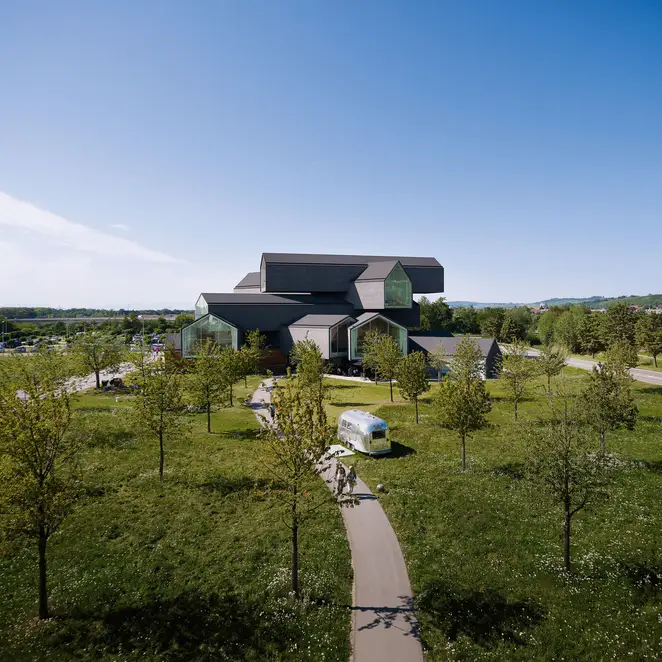
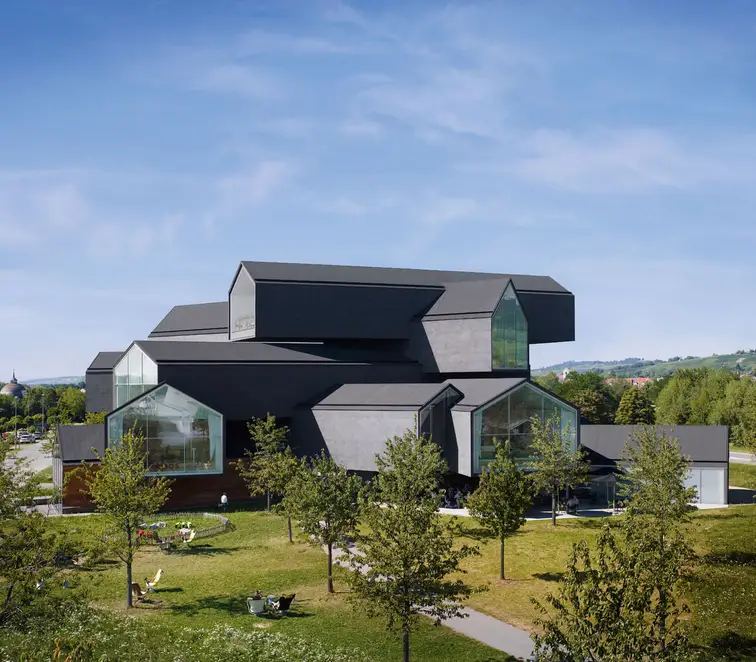
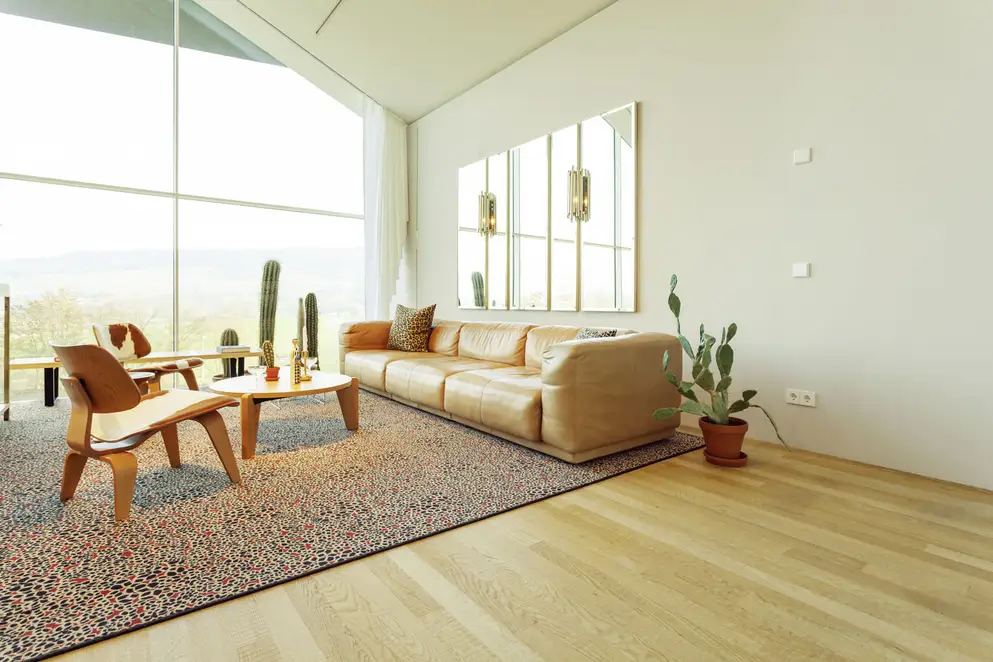
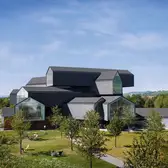
The VitraHaus and Vitra flagship store were completed in 2012. The building also houses the VitraHaus Café, Museum Shop and consultation rooms. Visitors can find inspiration for their own private interior design here. From the outside, the VitraHaus with its twelve gables, designed by the Swiss architecture firm of Herzog & de Meuron, looks like an archetypal house. Its pentagonal gabled roofs vary in size and – following the concept of “domestic sale” – evoke a way of living familiar to visitors.
Stacked up to five storeys, the gables hover in the air at a height of up to 15 metres and look almost like a confused heap of houses. At around 22 metres high, the VitraHaus towers over other buildings on the Campus, allowing its frameless windows to open up views into neighbouring vineyards and Basel’s industrial facilities. A lift takes visitors to the fourth floor of the 21 metre-high building, where their circuit through the exhibitions begins.
Vitra factory building – Expedience meets lightness
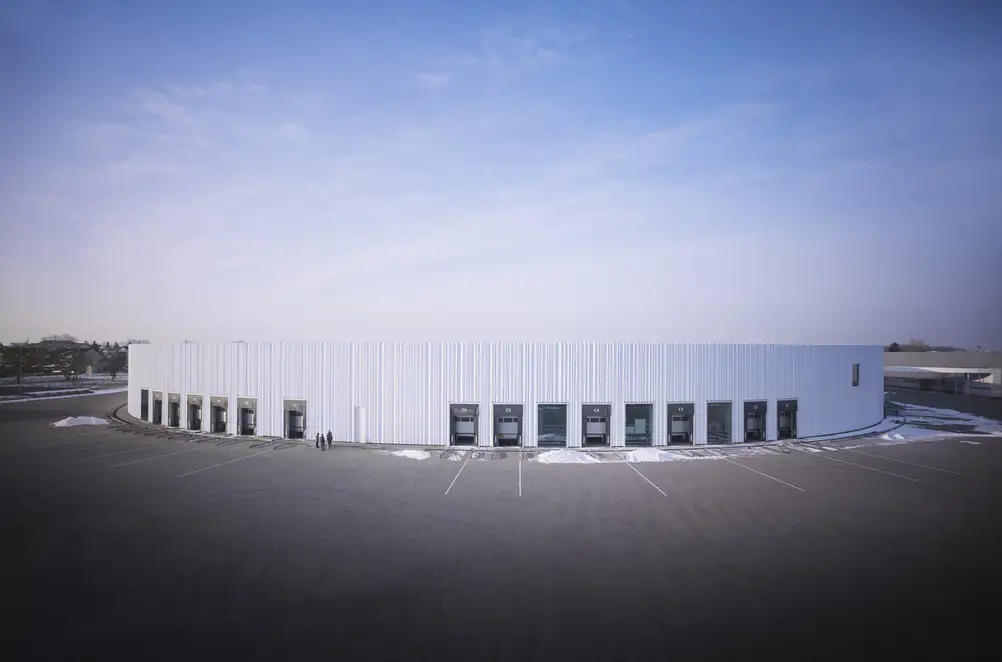
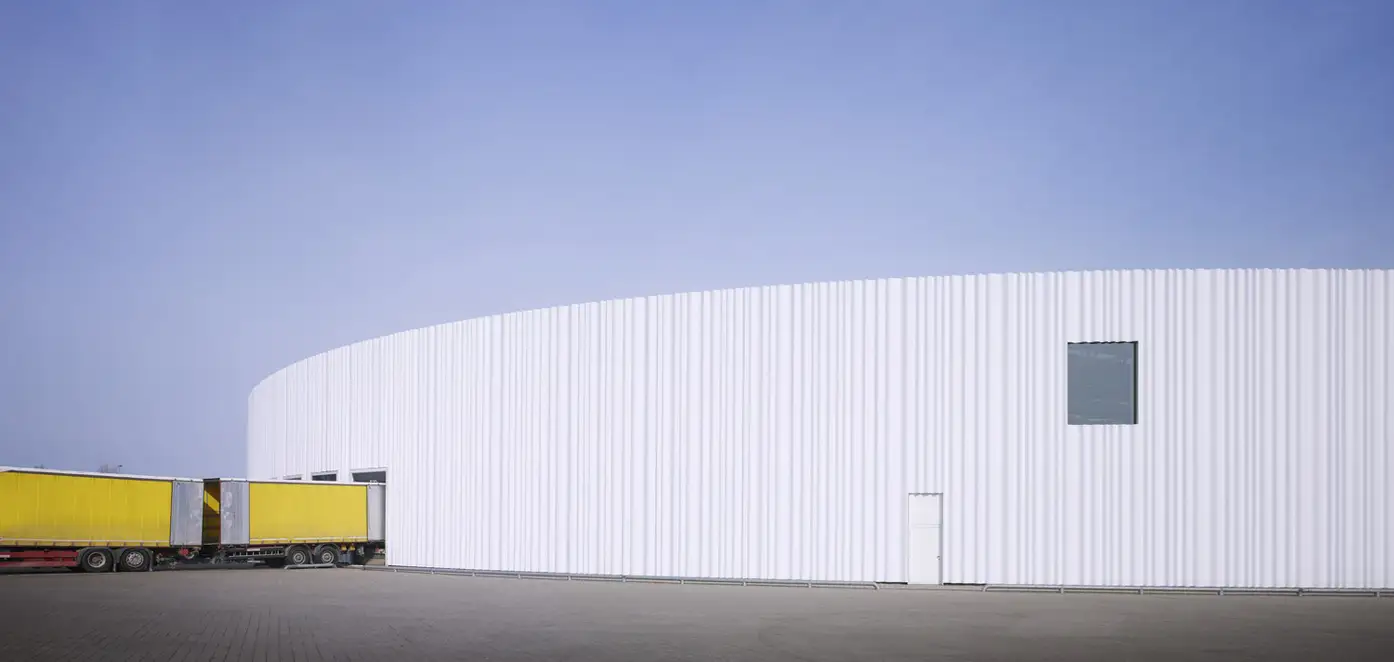
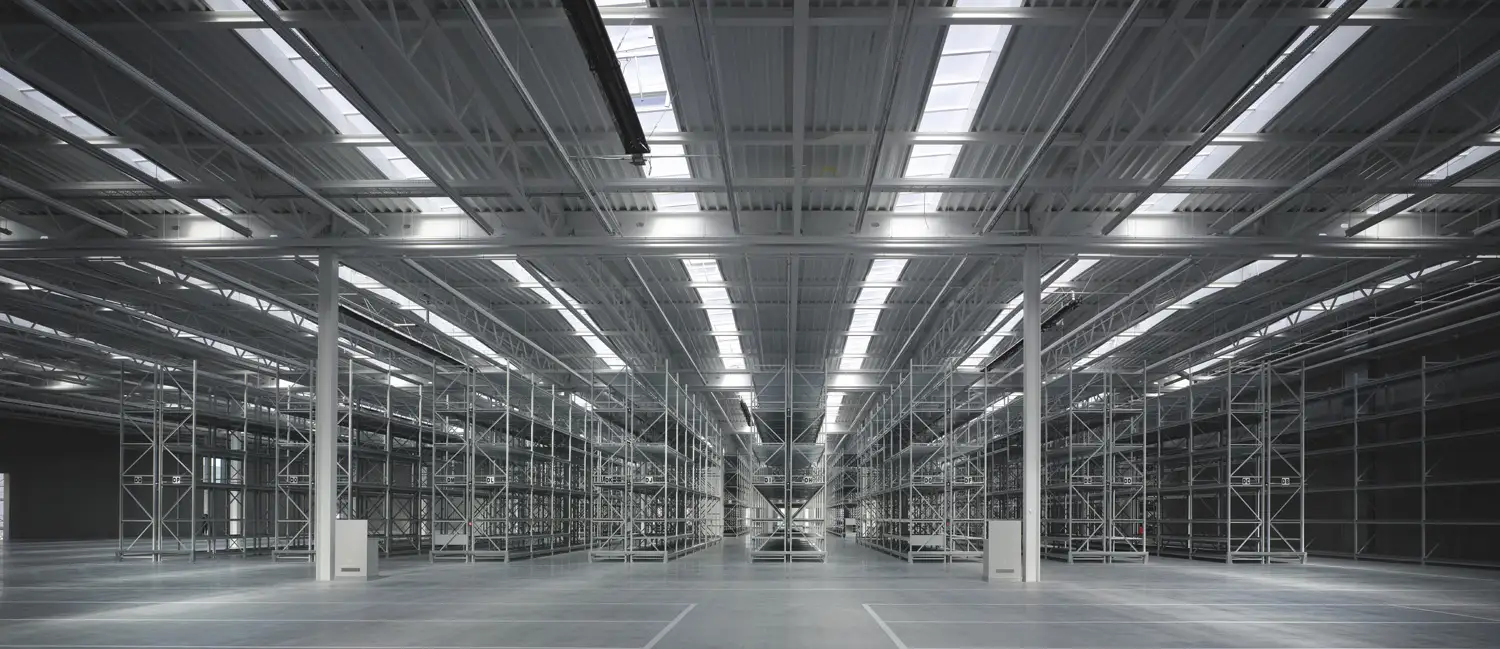
Despite its impressive area of around 22,000 m², the new factory building, completed in 2012, seems to float above the ground. This is due in part to the corrugated acrylic panel façade of the building, which was designed by the Japanese architecture firm SANAA. Its special Perspex cladding gives it its fluid form. The factory building’s facade is made up of 150 square metres of individual plates stuck to aluminium frames and hung on the concrete wall. The panels are heated to corrugate them.
The factory building’s floor plan is based on two semi-circular, interconnected concrete shells. Its oval form accommodates over 100 employees and goods and provides incoming trucks with enough room to drive in and turn around in. Its special, elliptical form optimises its logistic capacity, offering greater capacity than ordinary long buildings. Skylights in the roof light the factory building.
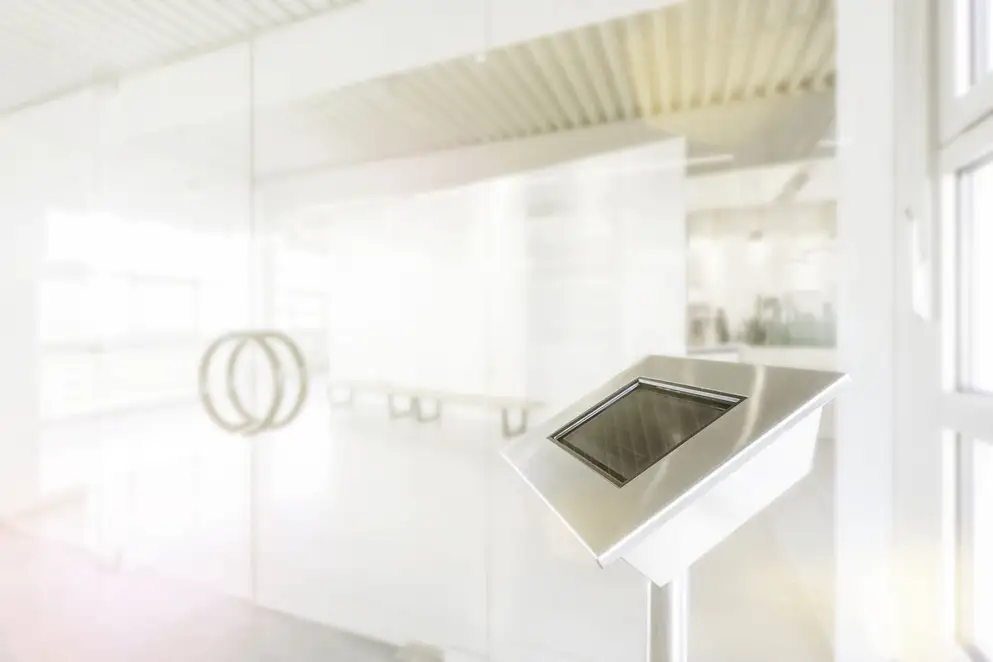
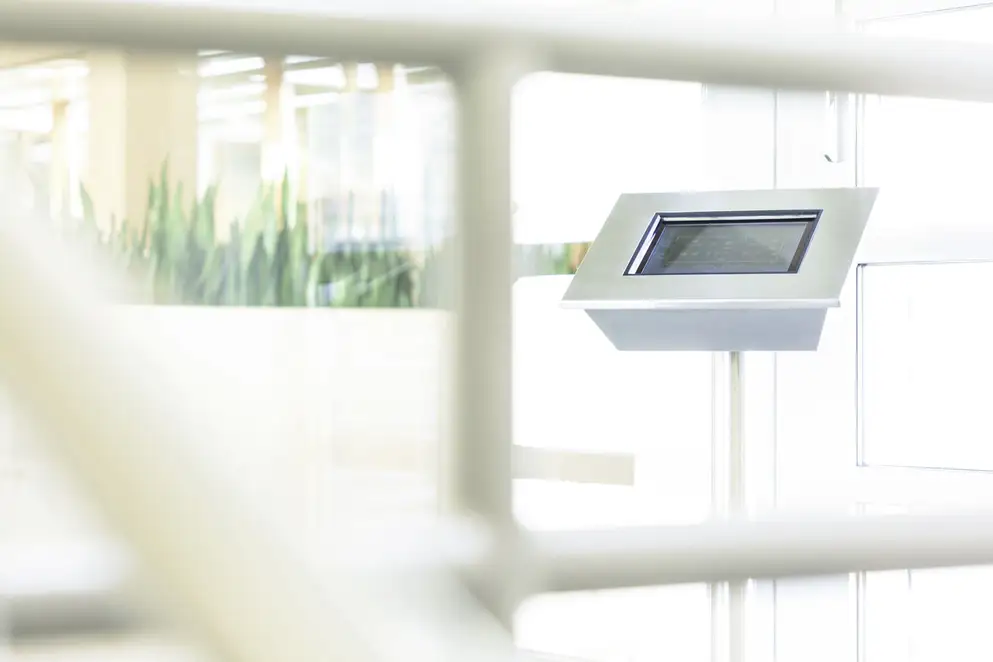
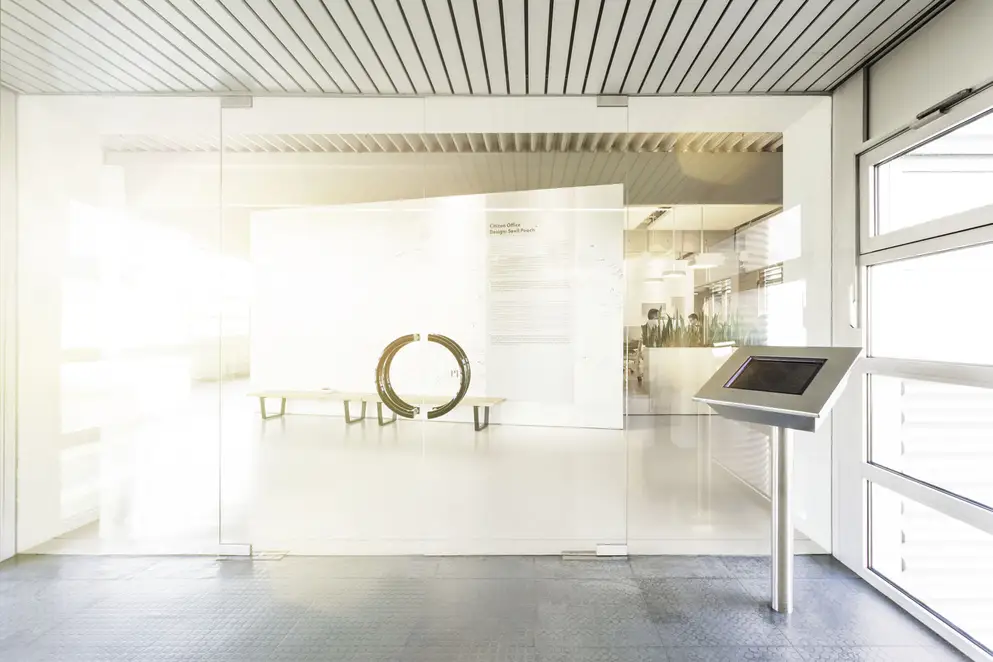
The Vitra Design Museum, VitraHaus and Vitra factory building are all equipped with JUNG’s KNX technology. The Facility Pilot Server is the central unit for controlling and visualising the building’s technology. The central KNX server, with its completely integrated Facility Pilot version, can network the functions of individual rooms and the door communication system, among other things. Users can control the building’s technology at any time, wherever they are, through the monitor, a laptop or by using the Facility Pilot app on a smartphone or tablet. Vitra’s very high design standards are also reflected in its decision to install JUNG’s classic LS 990 switches in white. Their clean lines have represented pure elegance and timeless design for over forty years.
Place |
Weil am Rhein, Germany |
|---|---|
Technology |
|
Design |
|
Architecture |
Vitra Design Museum: Frank Gehry Gehry Partners, LLP |
Architecture |
VitraHaus: Herzog & de Meuron Basel Ltd. |
Architecture |
Vitra Produktionshalle: S A N A A Ltd. Kazuyo Sejima, Ryue Nishizawa & Associates |


Inspiration












Used designs und technologies
KNX system
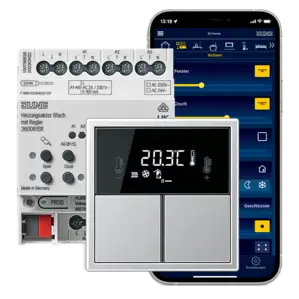
Smart building automation combines convenience, security and energy efficiency. For this reason KNX has already become the standard worldwide for high-class private and commercial construction. The smart JUNG KNX solutions combine function, design and intuitive ease of operation.
LS 990 in white

Thanks to its high quality and clear shape, the LS 990 switch range has already proved its worth for about 50 years. The classic form of this switch with its narrow frame fits harmoniously into any surroundings. Purist elegance in thermosetting plastic or genuine metal lend this series a touch of class. A wide variety of applications are possible thanks to the wide functional spectrum. Thus, architecturally demanding visions can be consistently put into practice. The single to fivefold frames can be fitted horizontally or vertically.