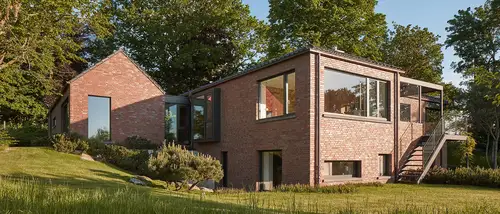
Haus am Niederrhein, Germany
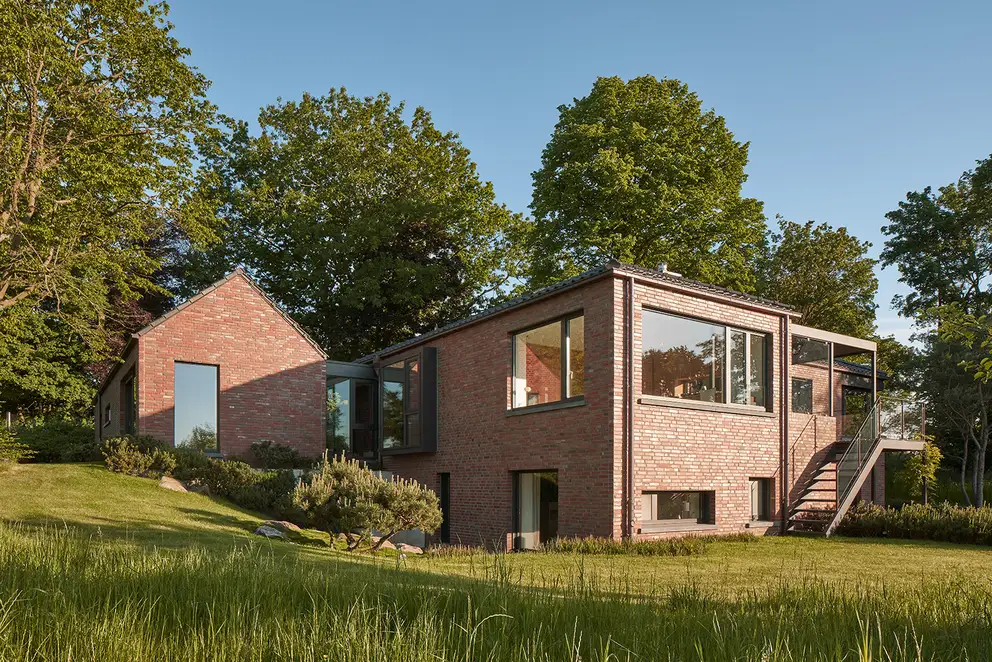
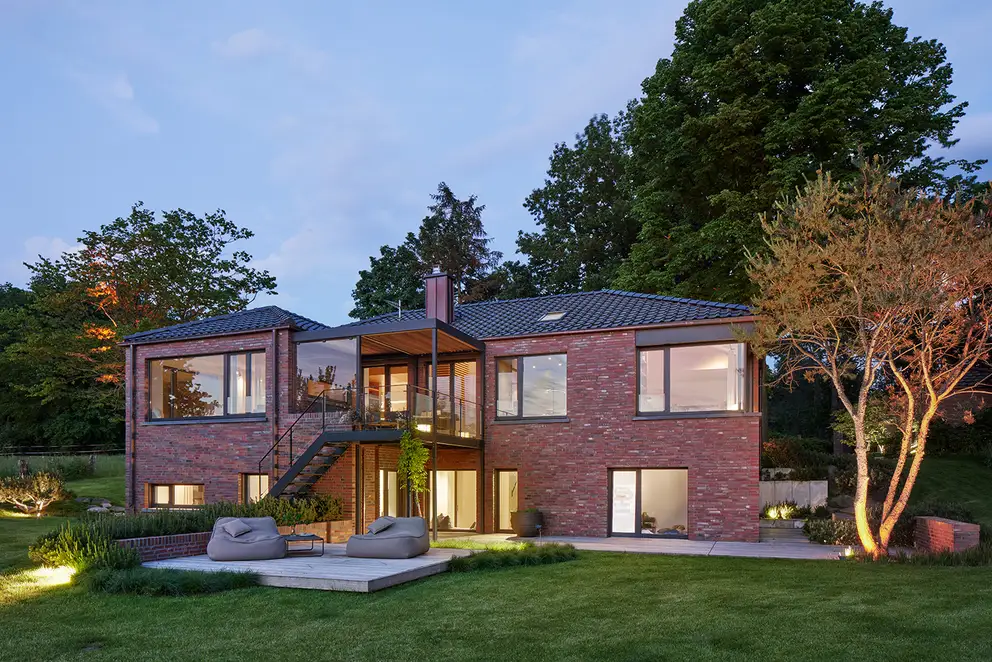
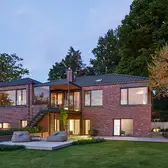
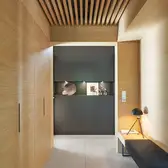
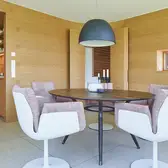
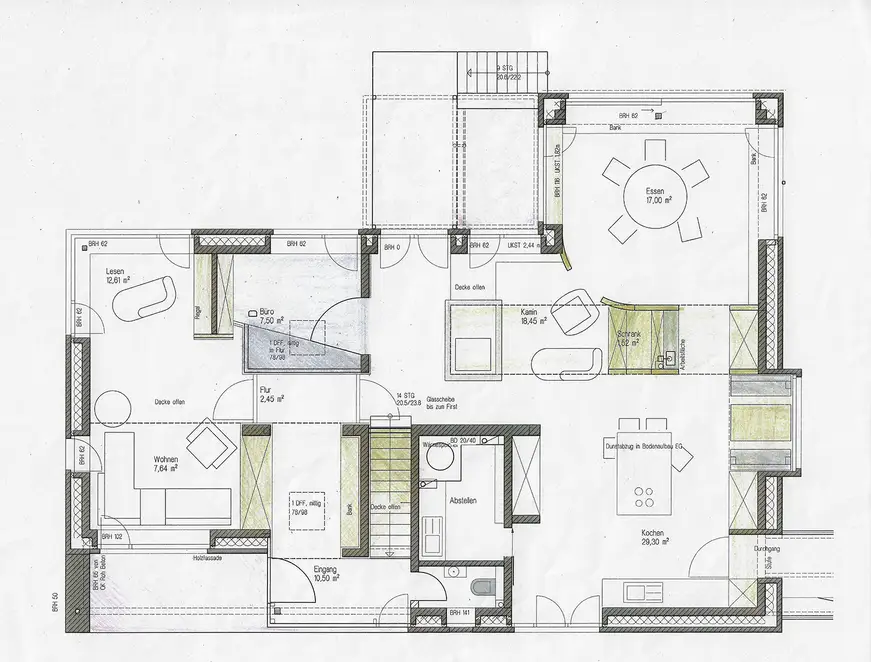
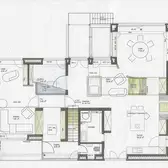
On the lower Rhine, the architect Susann Schürmann created a modern home for a family of four. The existing building found there was built by the owner themself in various phases after the war. Demolition and rebuilding was prohibited due to the location in a landscape conservation area. As a result, the existing buildings were extensively renovated. The main building was given a new roof structure, the outer skin was insulated and covered in peat-fired bricks and the previously unused basement lowered by a good metre and upgraded into a full storey to create extra living space. A new glass corridor connects the main house to the adjacent building, which can be divided off as a separate living unit and is currently used as guest accommodation.
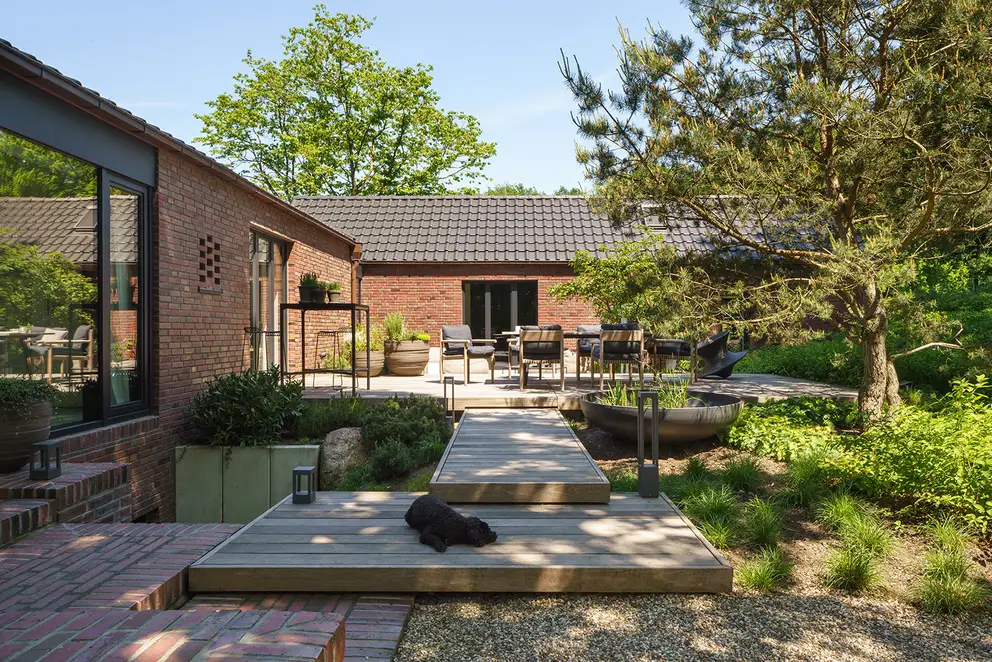
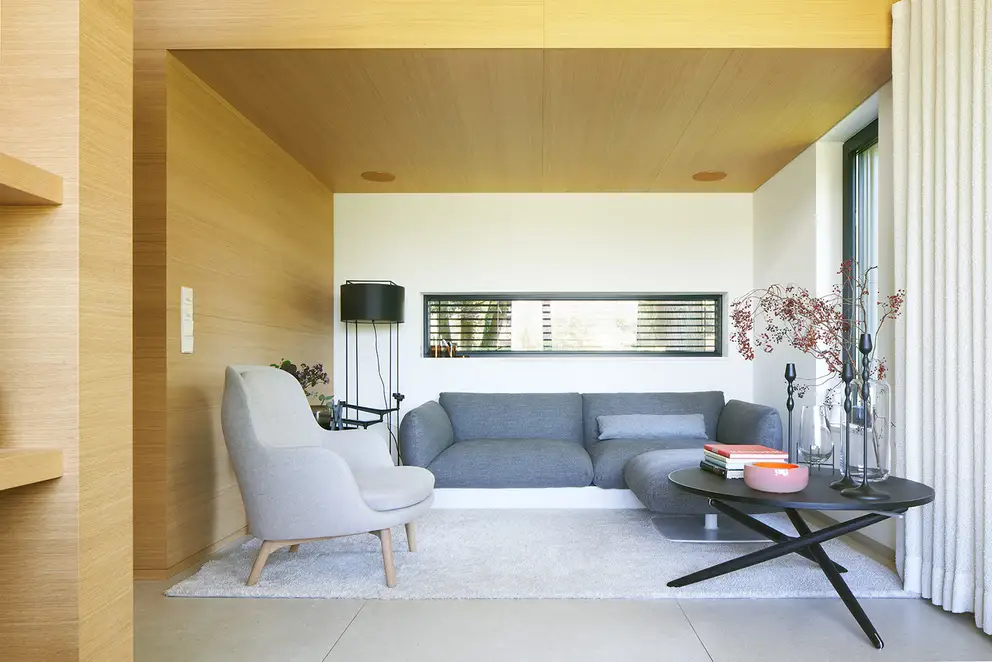
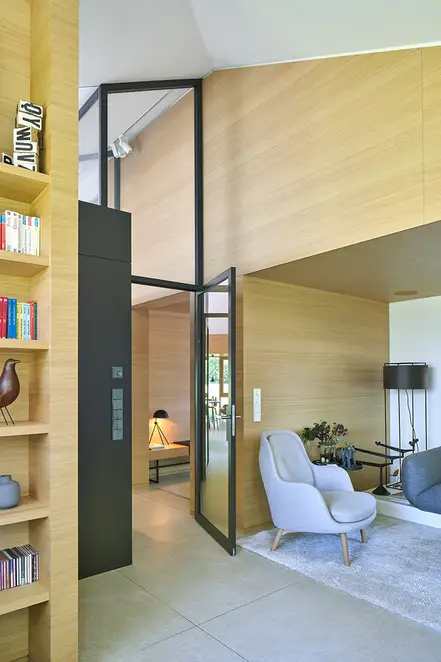
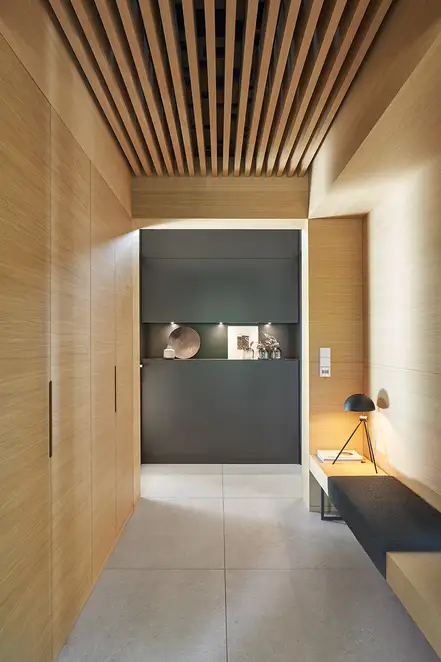
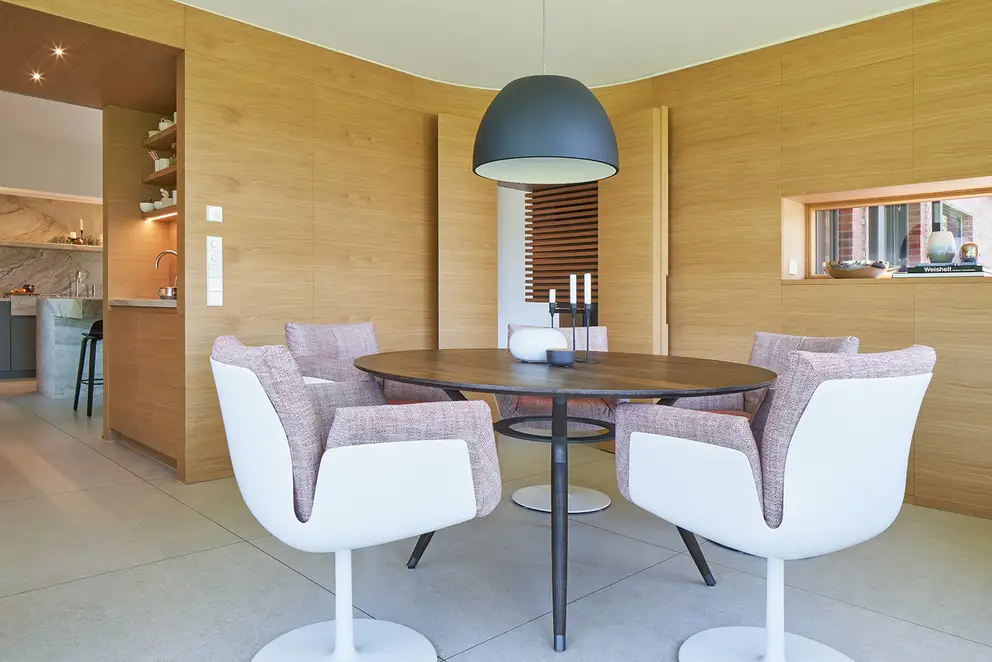
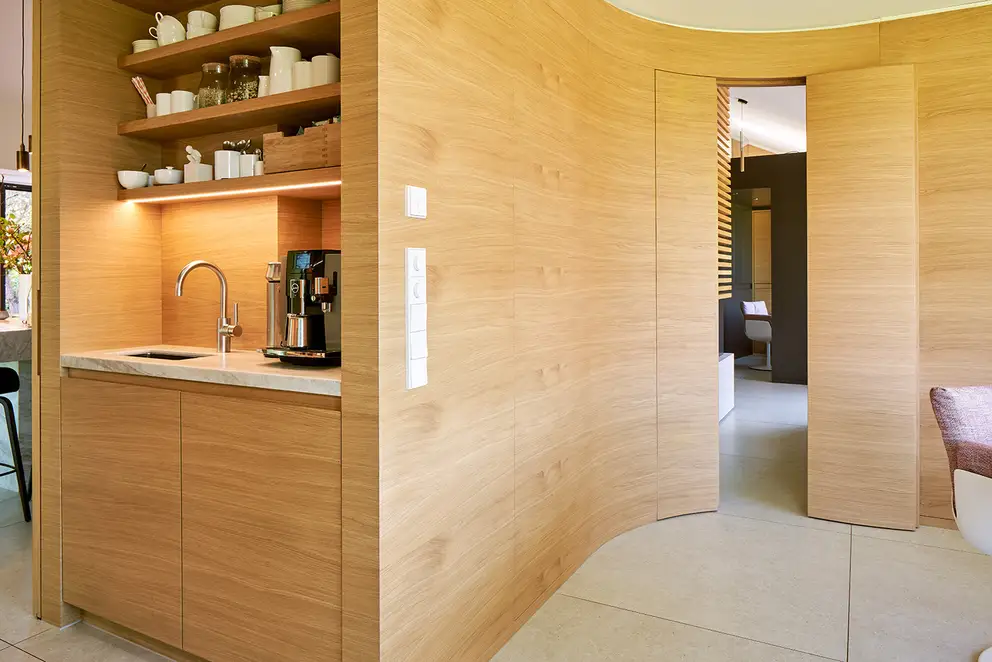
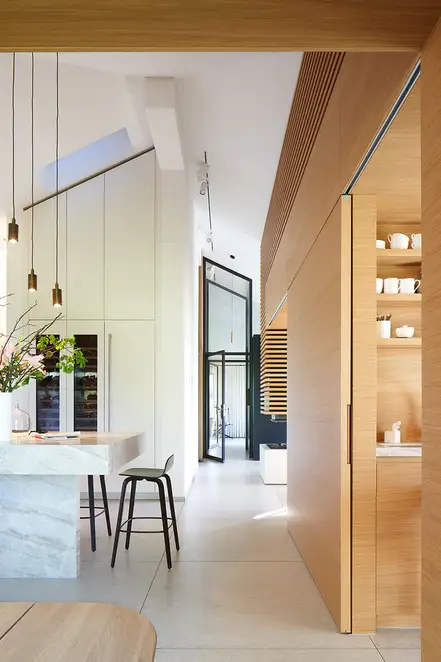
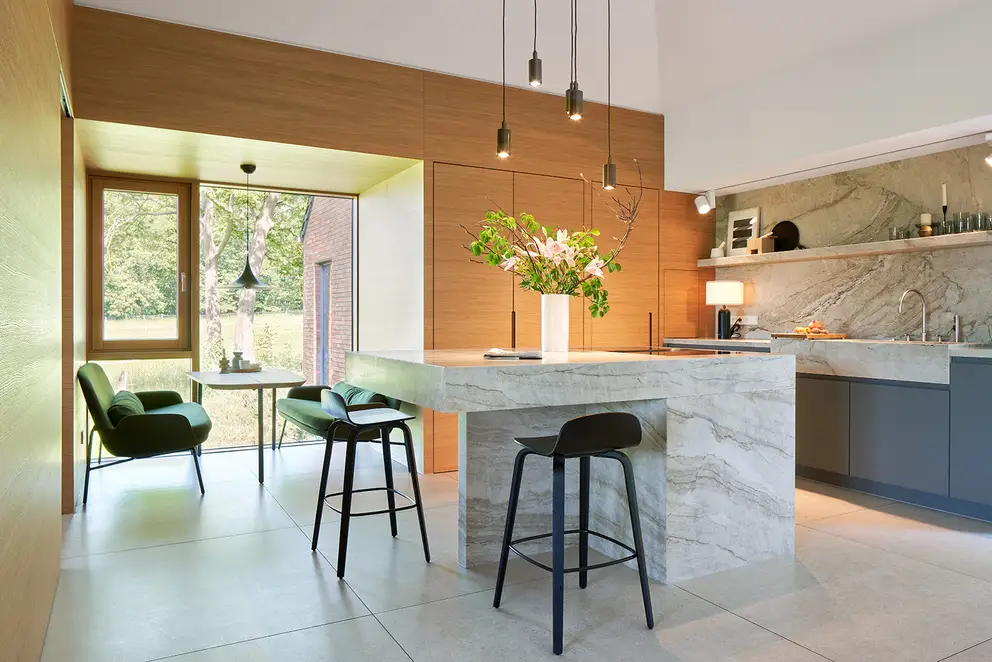
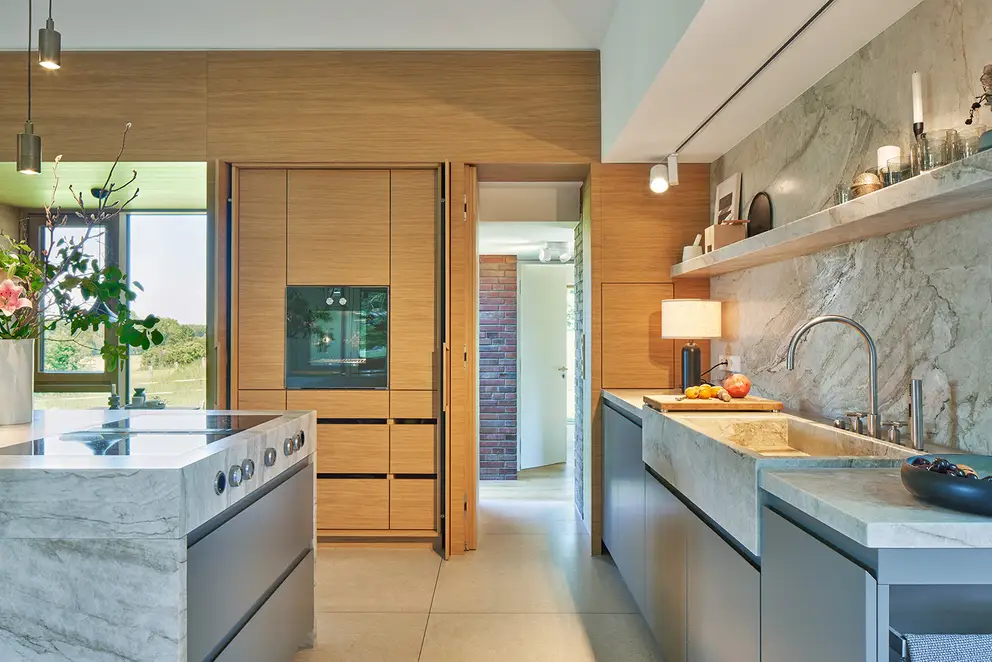
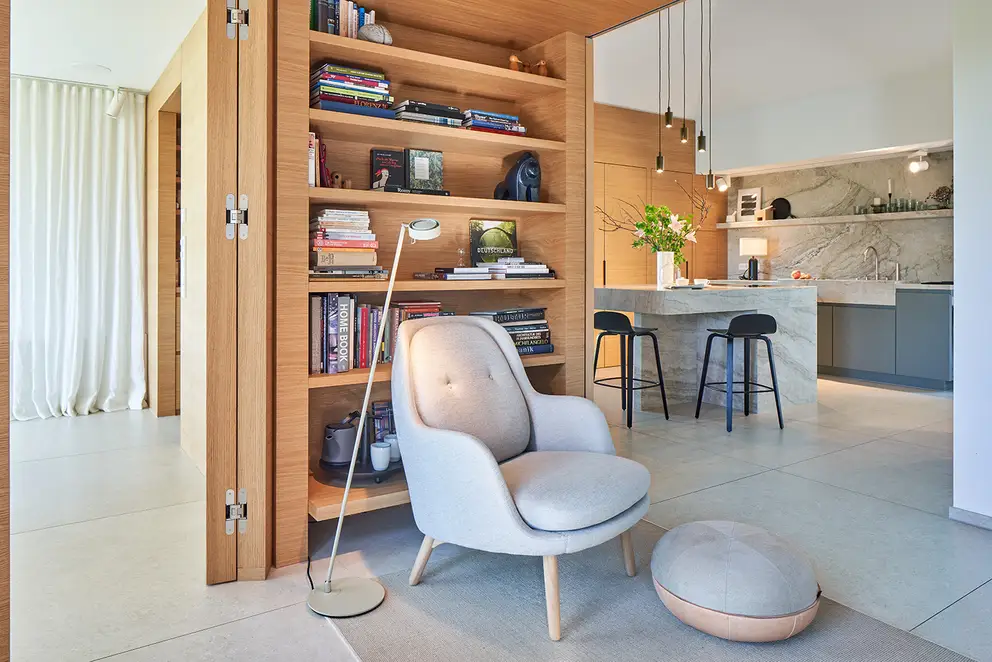
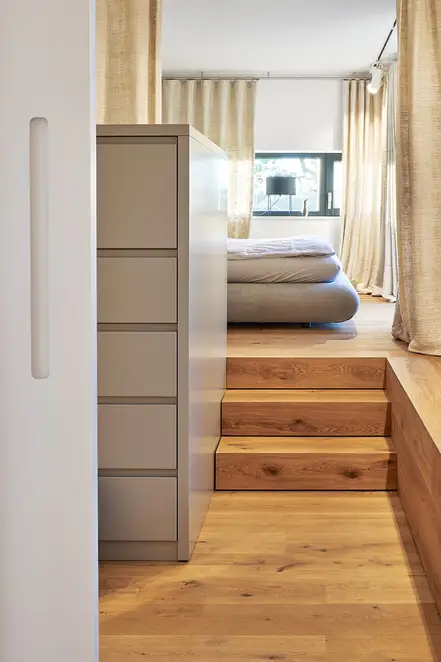
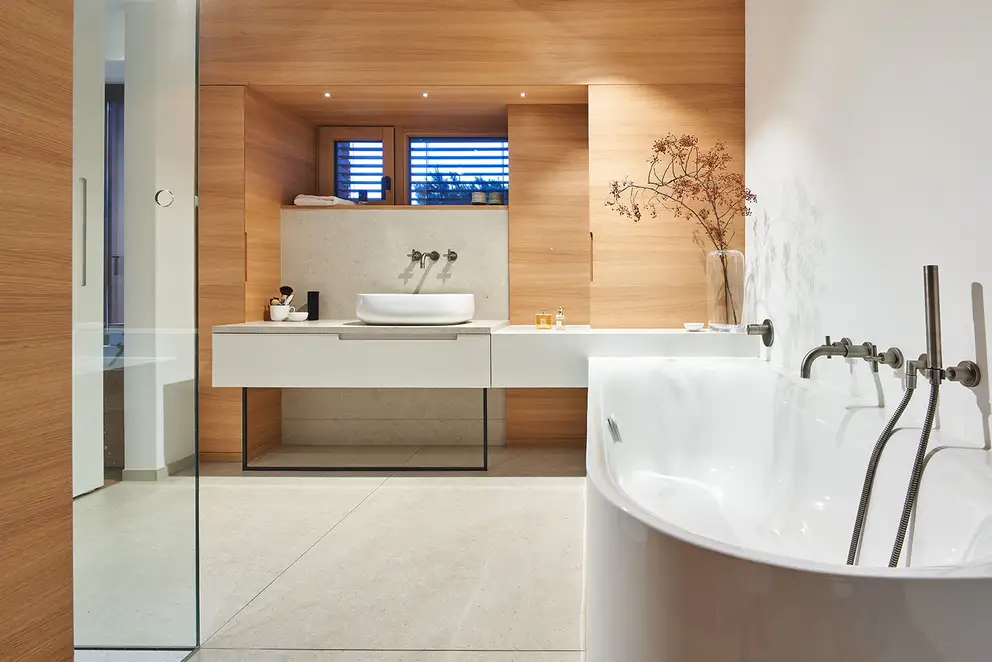
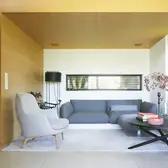
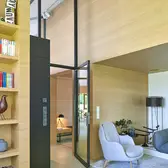
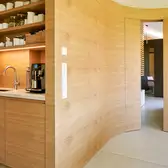
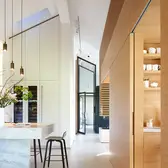
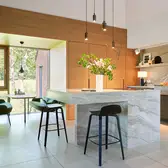
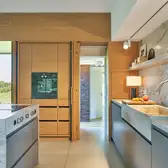
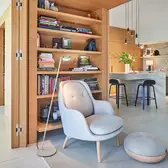
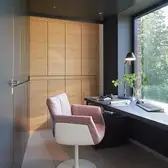
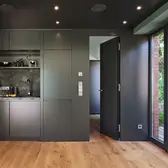
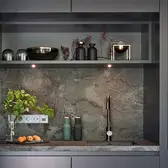
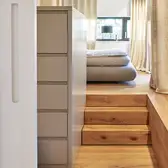
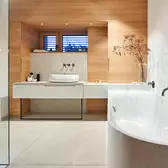
The goal of the whole conversion was to create many different space experiences and in the process to meet the different needs of the residents. The different external qualities of the group, including on the one side the wide view of the lower Rhine and on the other the complete contrast of the intimacy of the interior courtyard on the south side, were the inspiration for this. As a result, today there is a variety inside with light and bright rooms with generous ceiling heights and low, more intimate small rooms. Large, room-height glazing and narrow ribbon windows provide different light situations and showcase views. All fixtures on the residential levels were made from local oak. They structure the rooms and define the atmosphere in the house with its warm materiality. All woodworking was carried out by the local company Fingerhut with great love and detail quality. Calls for proposals and site management were in the hands of the architect Beate Kempkens from Xanten.
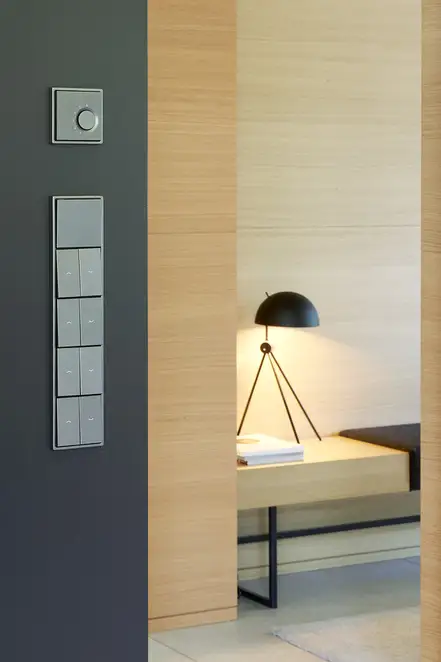
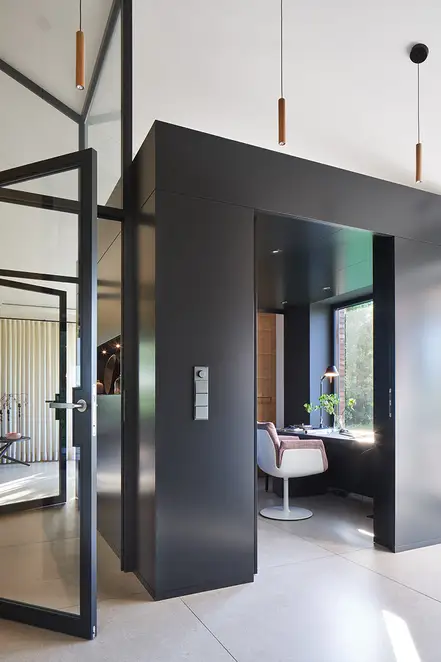
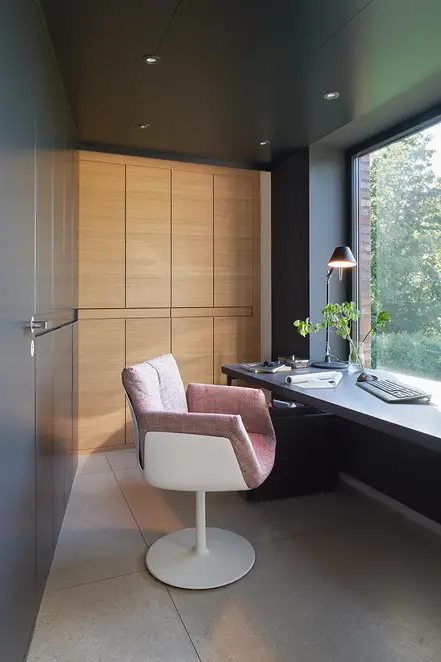
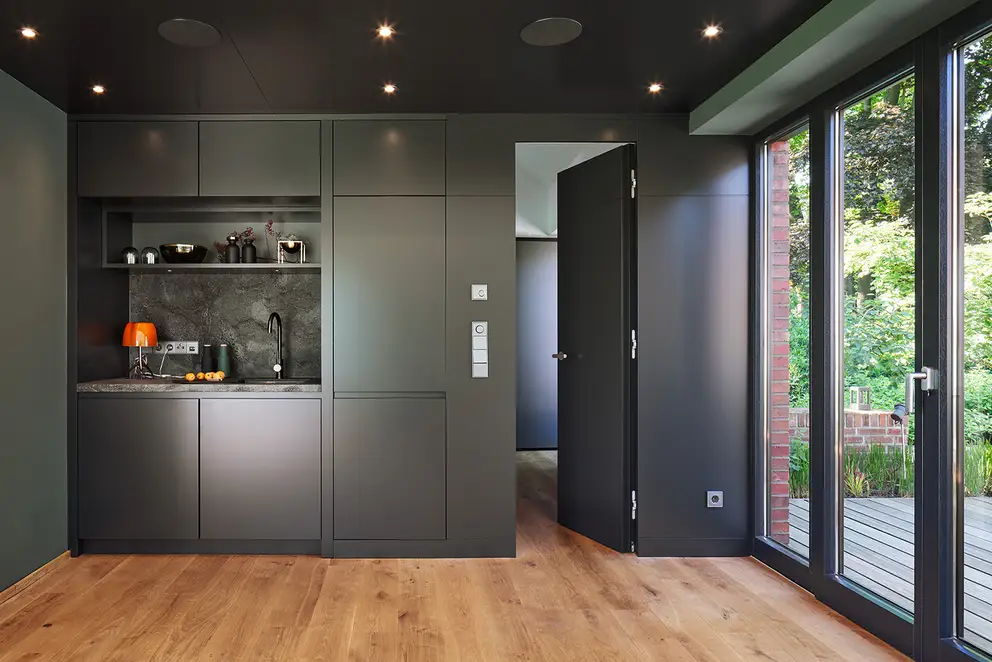
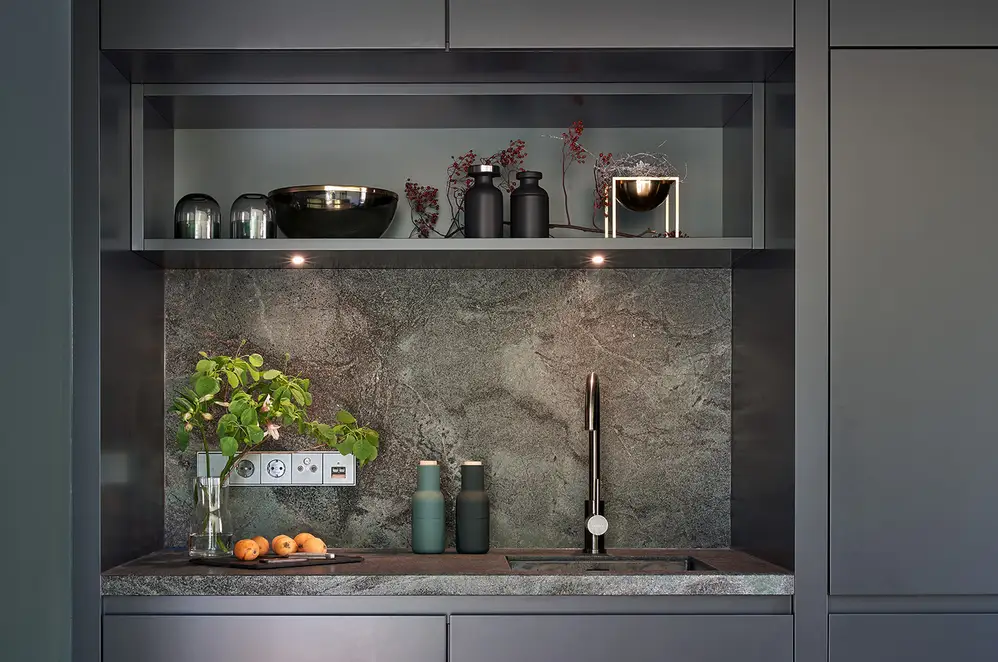
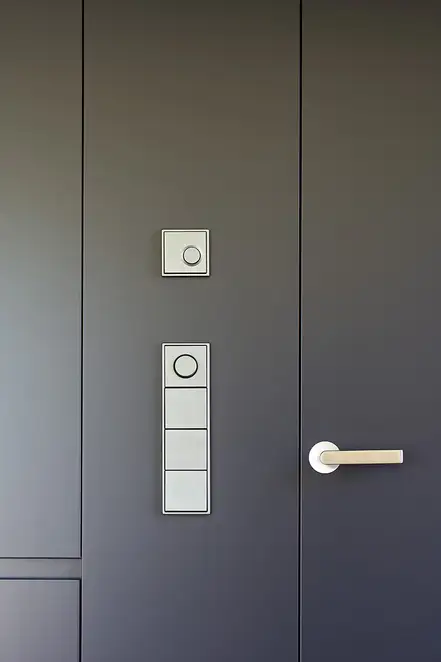
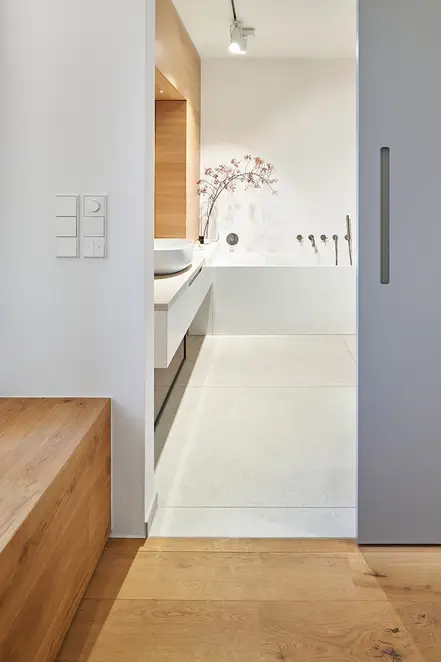
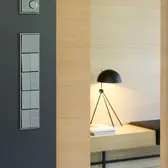
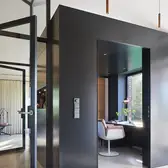
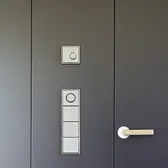
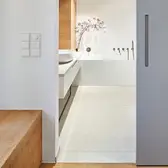
The high-quality and timeless interior design also applies to the operating elements for the electrical installation chosen by architect Susanne Schürmann. All light switches, rotary dimmers, movement detectors, blinds push-buttons, room temperature controllers and sockets are from the LS 990 range from JUNG. On wooden and plaster surfaces, the classic plastic version in white was used. The elegant aluminium version of the LS 990 was in turn used on all anthracite-coloured fronts such as in the guest accommodation and in the integrated office cube. With its simple, timeless form, the LS 990 range fits perfectly into the interior of the house – sometimes as a restrained functional element, other times as a functional accent on the wall.
Ville |
Niederrhein, Allemagne |
|---|---|
Design |
|
Architecture |
Architekturbüro Susanne Schürmann, Wesel |



Designs et technologies utilisés
LS 990, blanc
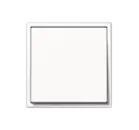
Le LS 990 dans un blanc pur apporte une touche de clarté et de pureté. La qualité et la forme claire du LS 990 sont éprouvées depuis plus de 40 ans. Le modèle classique de l’interrupteur avec son cadre tout en finesse s’adapte en parfaite harmonie à chaque environnement.
LS 990, aluminium
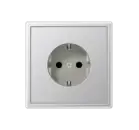
Le LS 990 original en aluminium véritable confère une élégance froide dans une forme carrée classique. Dans cette version, l’installation électronique moderne offre un esthétisme particulièrement clair et pur.
LS 990, anthracite
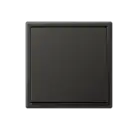
Le LS 990 anthracite complète élégamment les modèles en métal de ce grand classique. La version classique de l’interrupteur avec son cadre étroit s'intègre de manière harmonieuse à tous les types d'environnement.