DRESDEN, 17 March 2026
BUILDING INFRASTRUCTURE | How can functionality and aesthetics be combined?
In 2026, the JUNG Architecture Talks are celebrating their 20th anniversary. Building networks, gaining insights, enjoying inspiring talks and engaging in professional dialogue in a relaxed atmosphere – this is what our format continues to stand for.
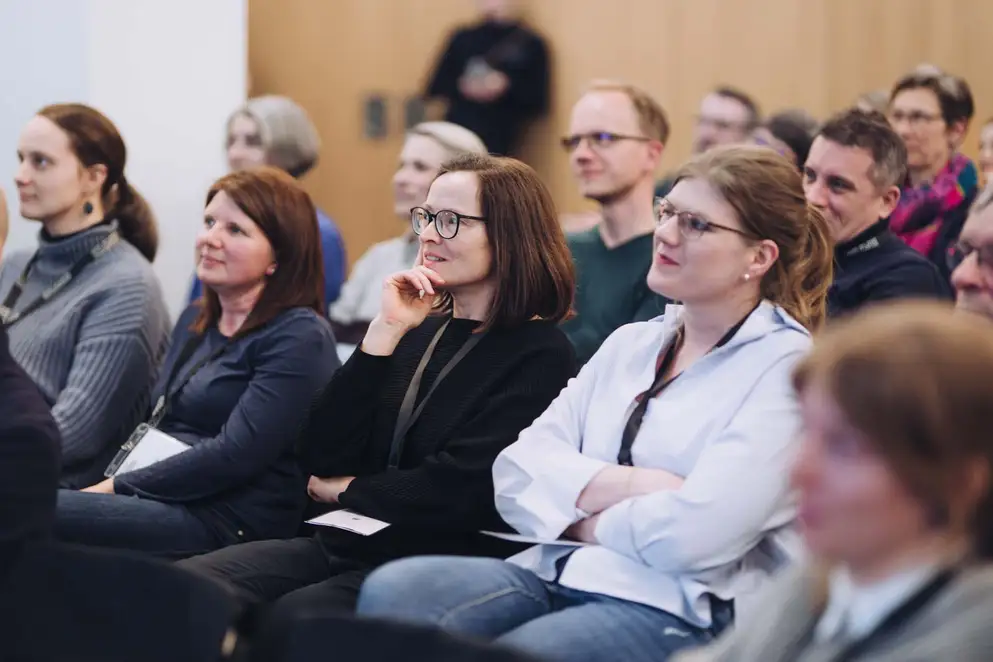
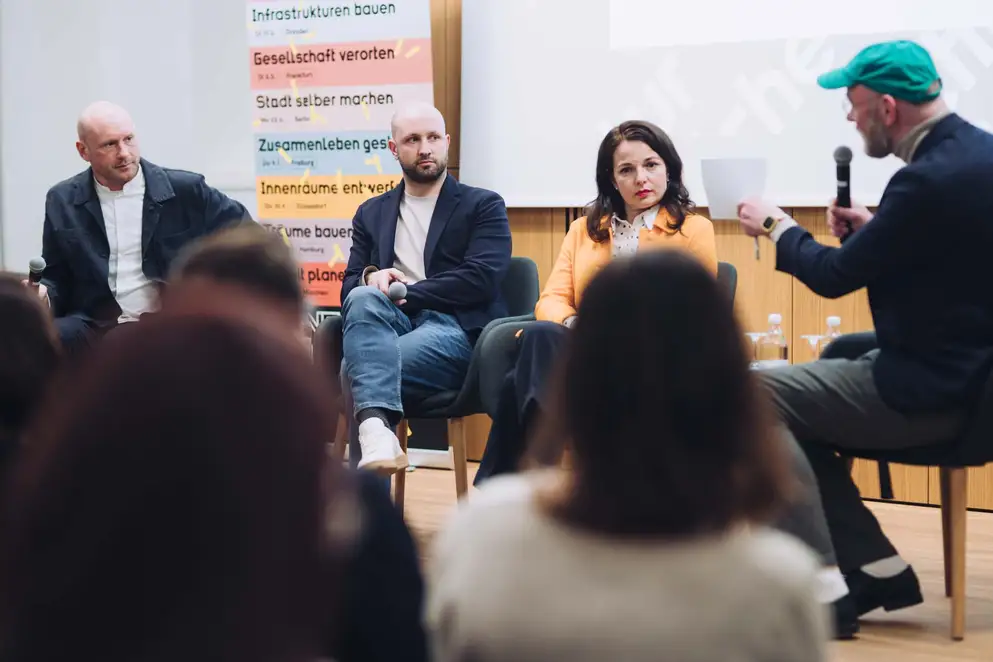
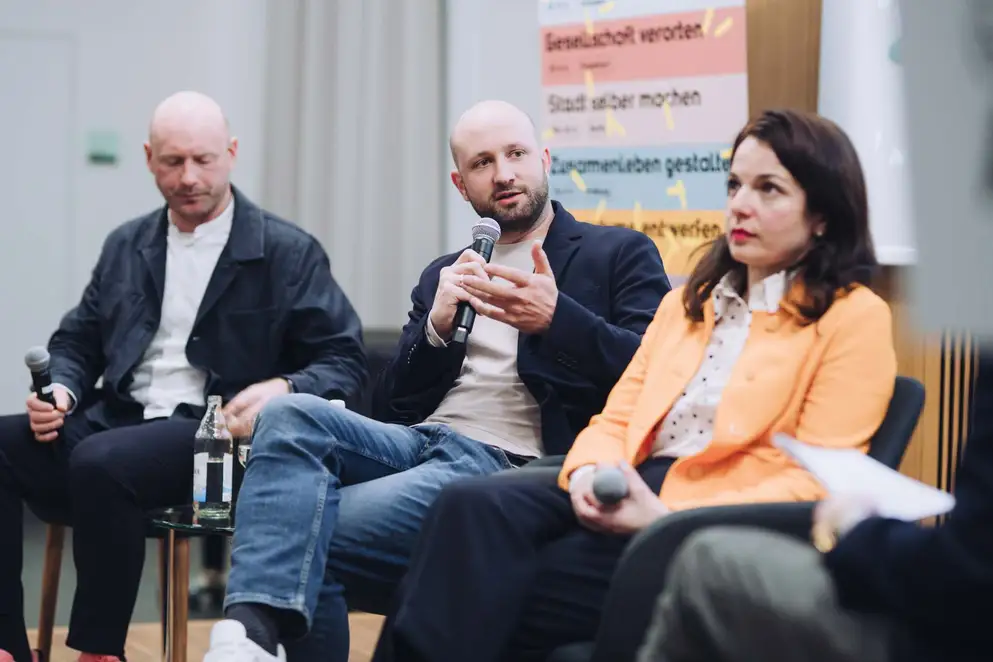
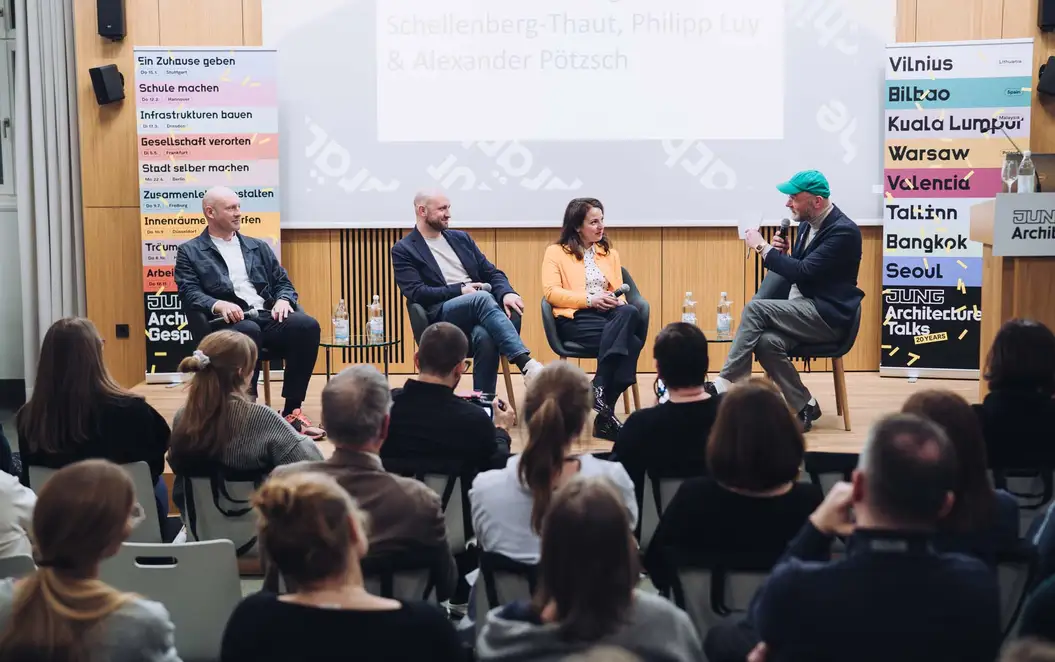
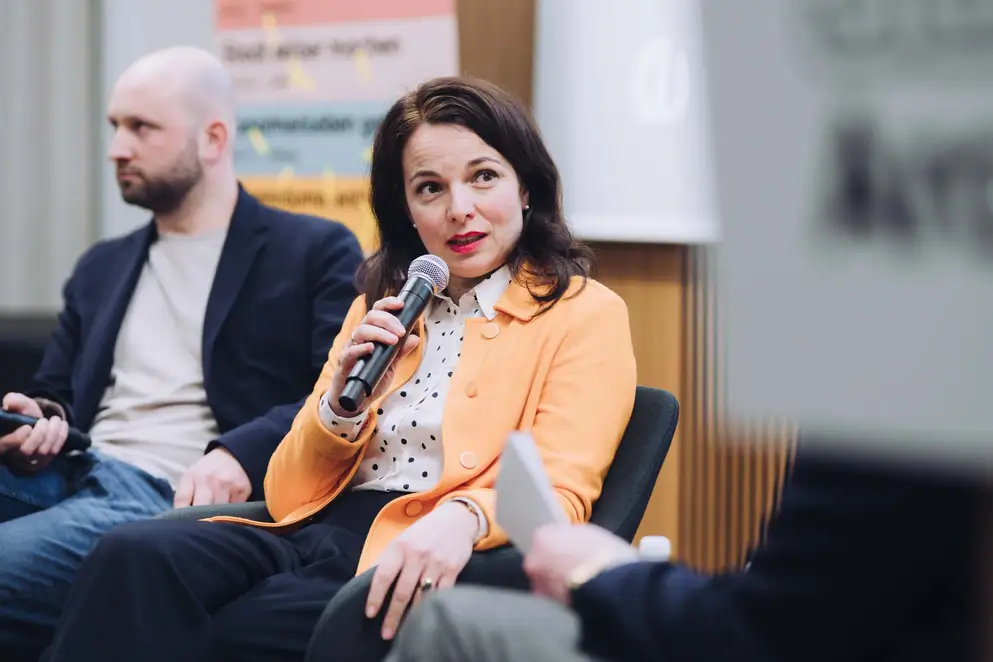
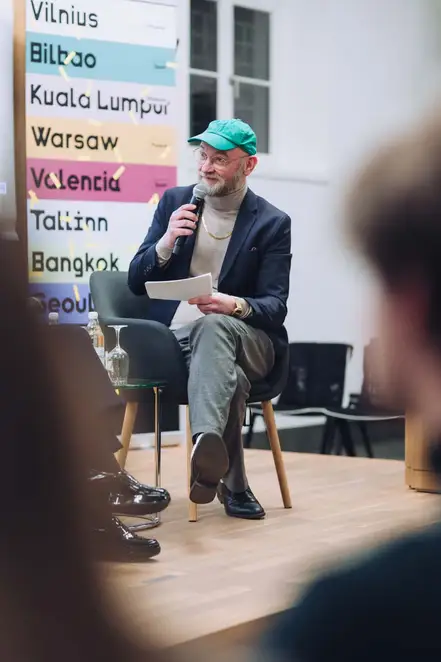
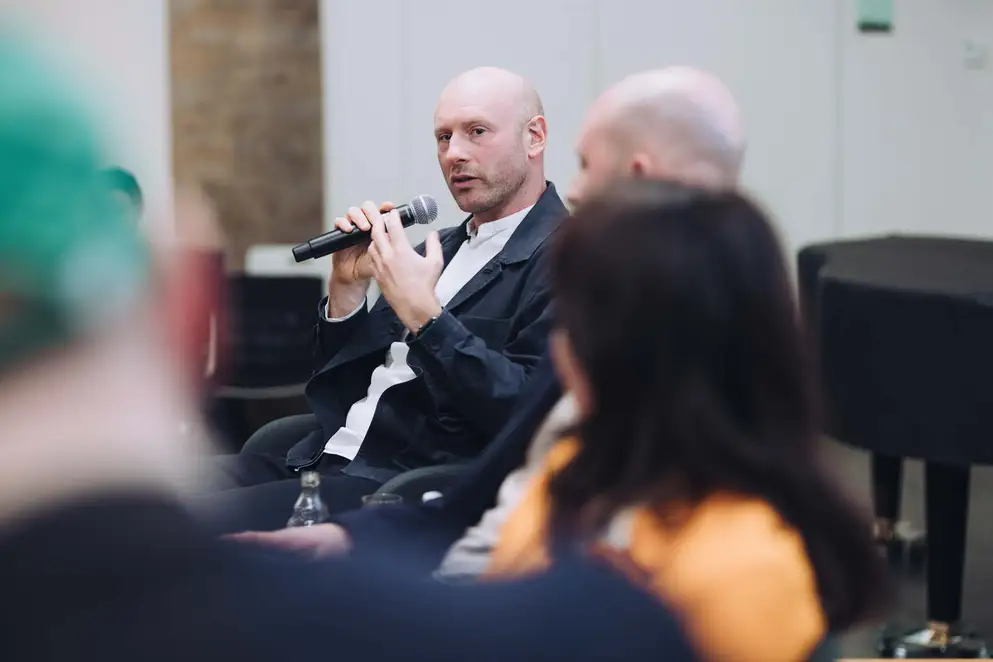
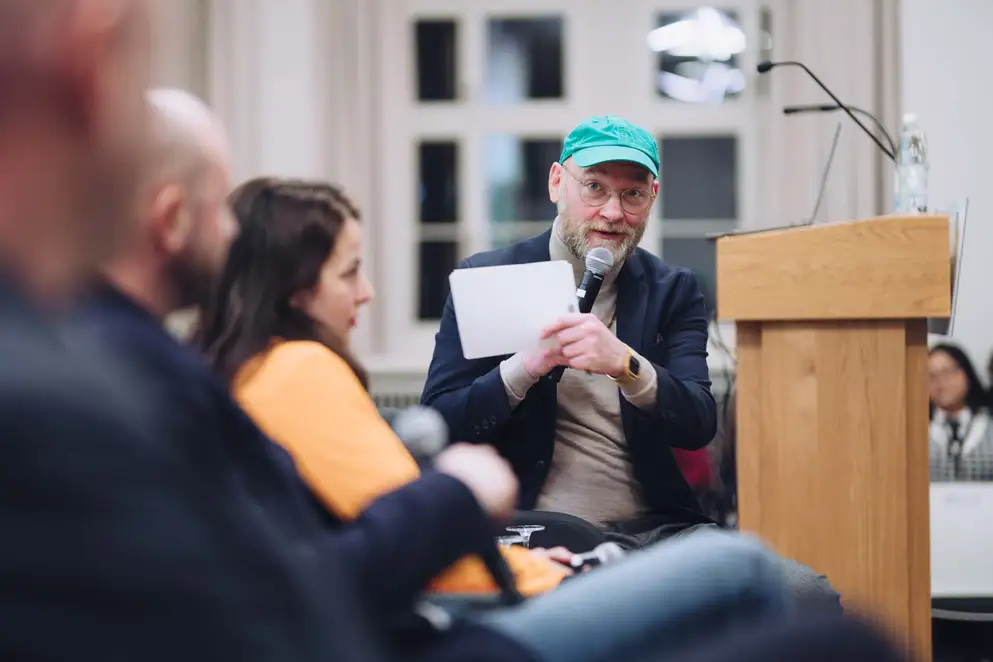
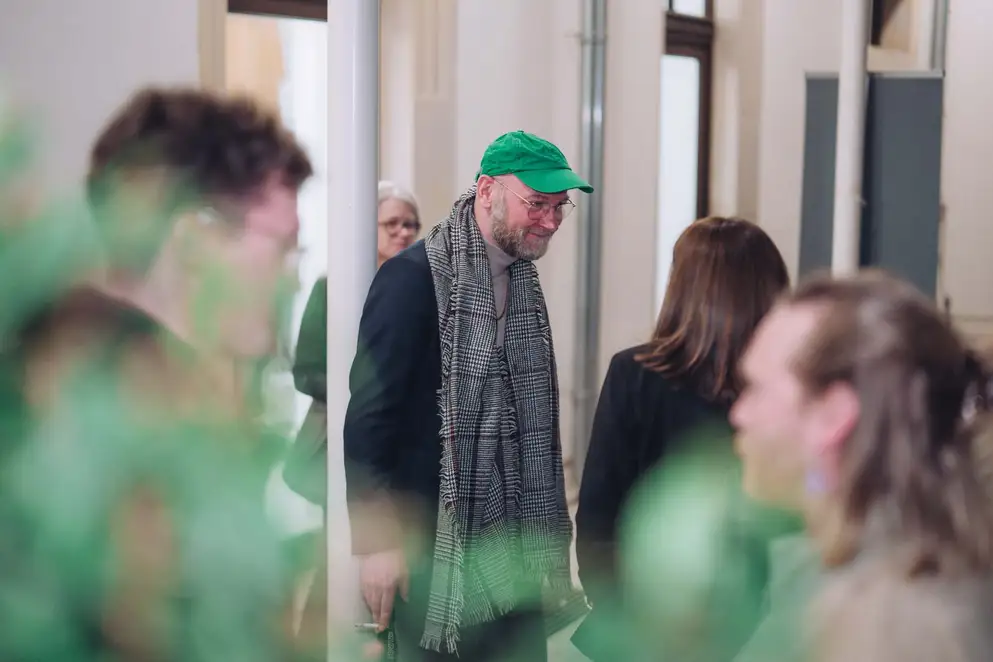
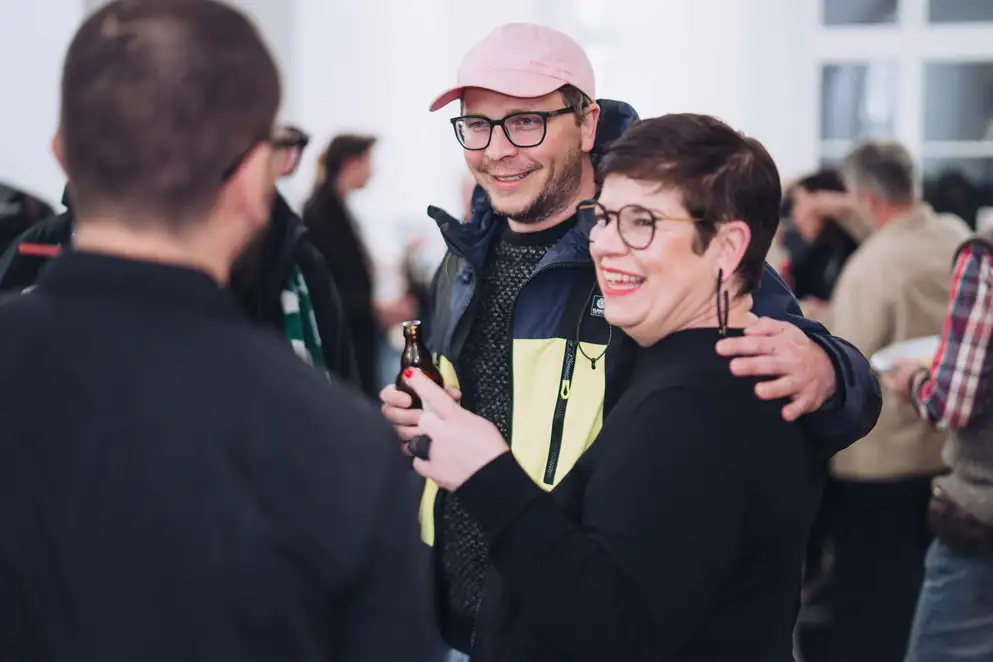
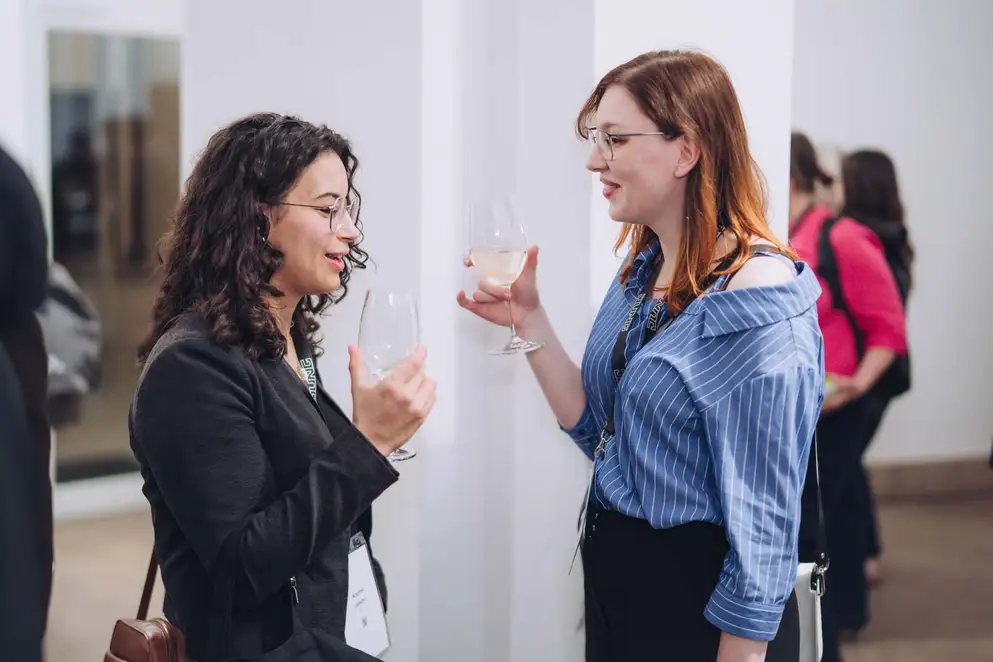
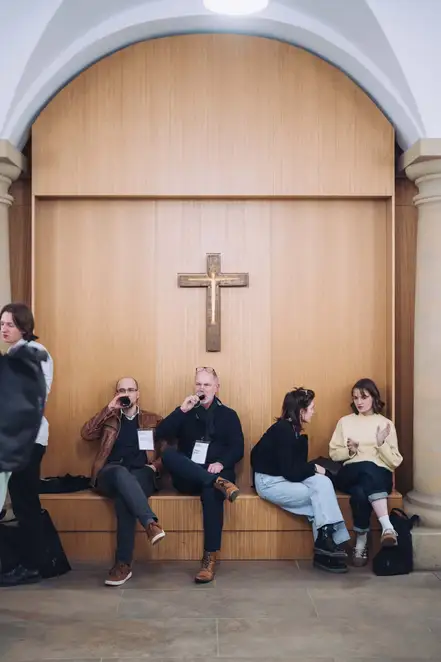
We were very pleased to welcome you to the Architecture Talks in Dresden for the second time on 17 March. Together with the Saxon regional association of the BDA, we invited you to an evening of discussion at the Haus der Kathedrale near Dresden Castle under the motto Building Infrastructure. Three guests from the German architectural scene provided insights into their working methods through selected infrastructure projects.
Architect Philipp Luy from DB InfraGO in Berlin spoke about Deutsche Bahn’s new “Green Stations” and presented exemplary projects in the small towns of Haar and Zorneding. From Leipzig, we welcomed Silvia Schellenberg-Thaut of Atelier ST to the panel. Among other topics, she spoke about the award-winning redesign of the municipal combined heat and power plant in the south of Leipzig. Last but not least, we were pleased to welcome Sebastian Kittelberger from the Stuttgart-based architecture office Dasch Zürn + Partner. In recent years, the practice has established itself as a specialist in new-build fire stations through a number of projects.
The evening was moderated by Alexander Poetzsch, President of the BDA.
We were very pleased to welcome you to the Architecture Talks in Dresden for the second time on 17 March. Together with the Saxon regional association of the BDA, we invited you to an evening of discussion at the Haus der Kathedrale near Dresden Castle under the motto Building Infrastructure. Three guests from the German architectural scene provided insights into their working methods through selected infrastructure projects.
Architect Philipp Luy from DB InfraGO in Berlin spoke about Deutsche Bahn’s new “Green Stations” and presented exemplary projects in the small towns of Haar and Zorneding. From Leipzig, we welcomed Silvia Schellenberg-Thaut of Atelier ST to the panel. Among other topics, she spoke about the award-winning redesign of the municipal combined heat and power plant in the south of Leipzig. Last but not least, we were pleased to welcome Sebastian Kittelberger from the Stuttgart-based architecture office Dasch Zürn + Partner. In recent years, the practice has established itself as a specialist in new-build fire stations through a number of projects.
The evening was moderated by Alexander Poetzsch, President of the BDA.
Impressions
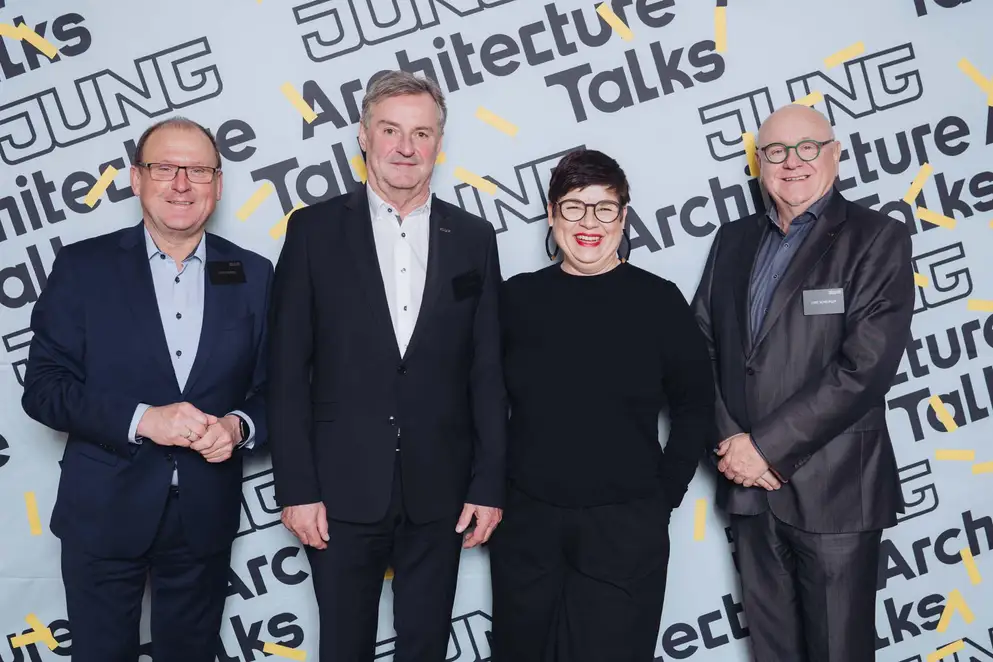
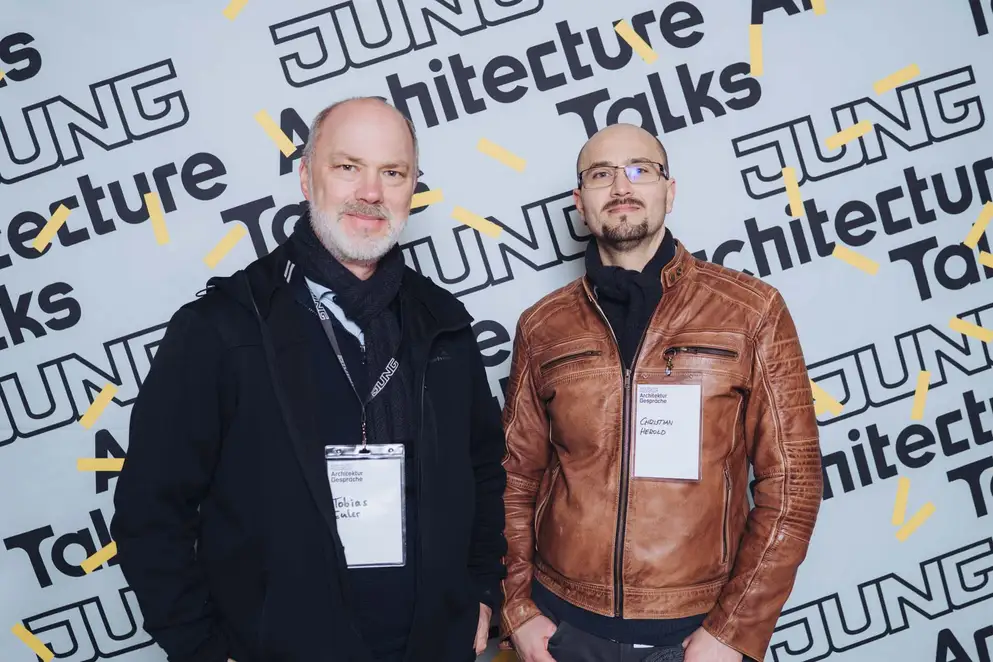
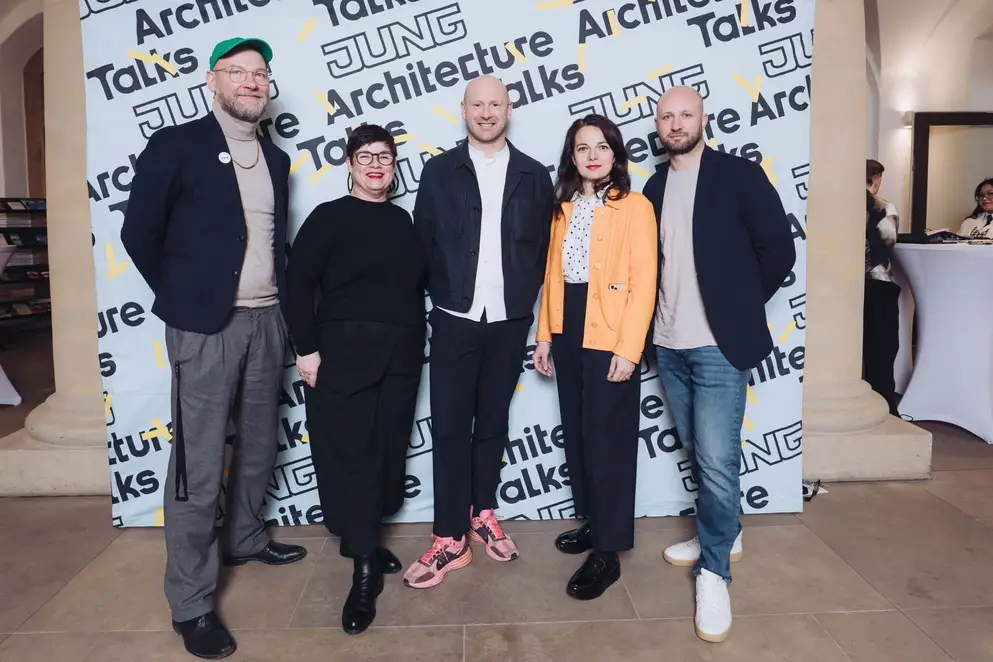
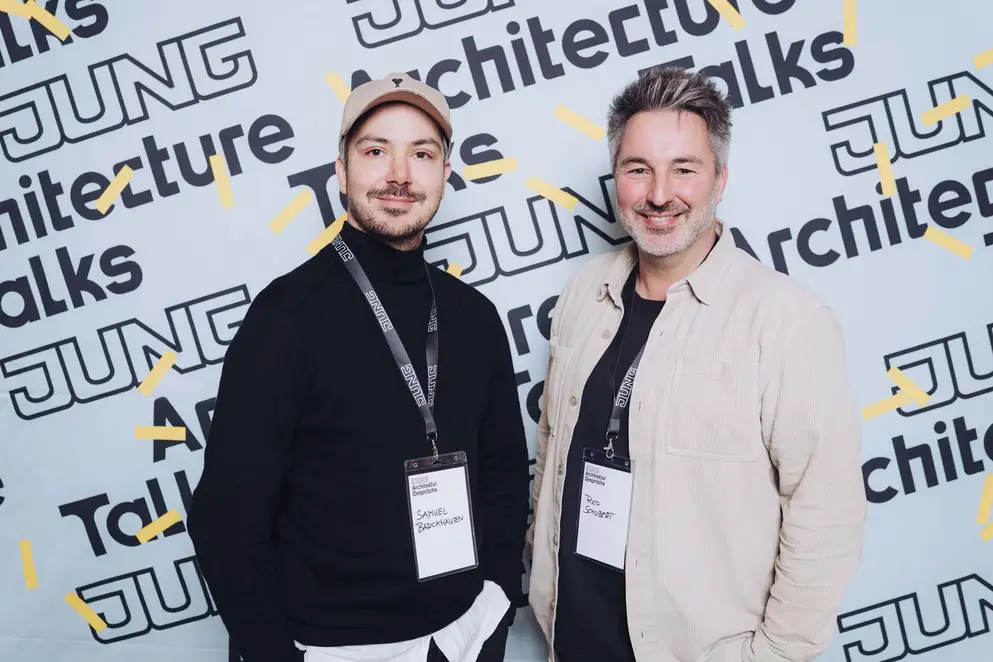
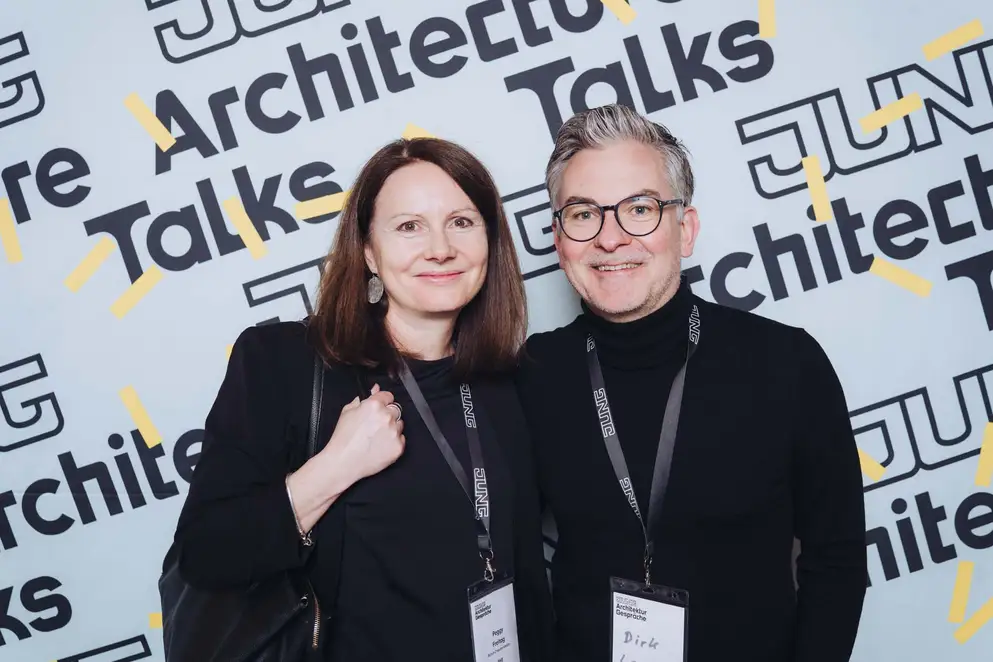
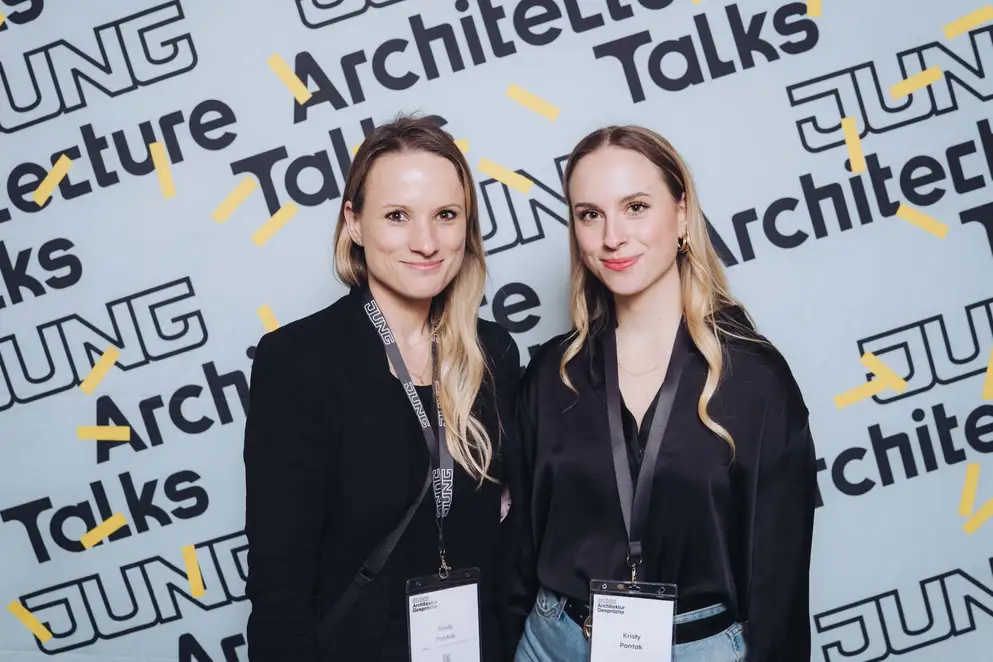
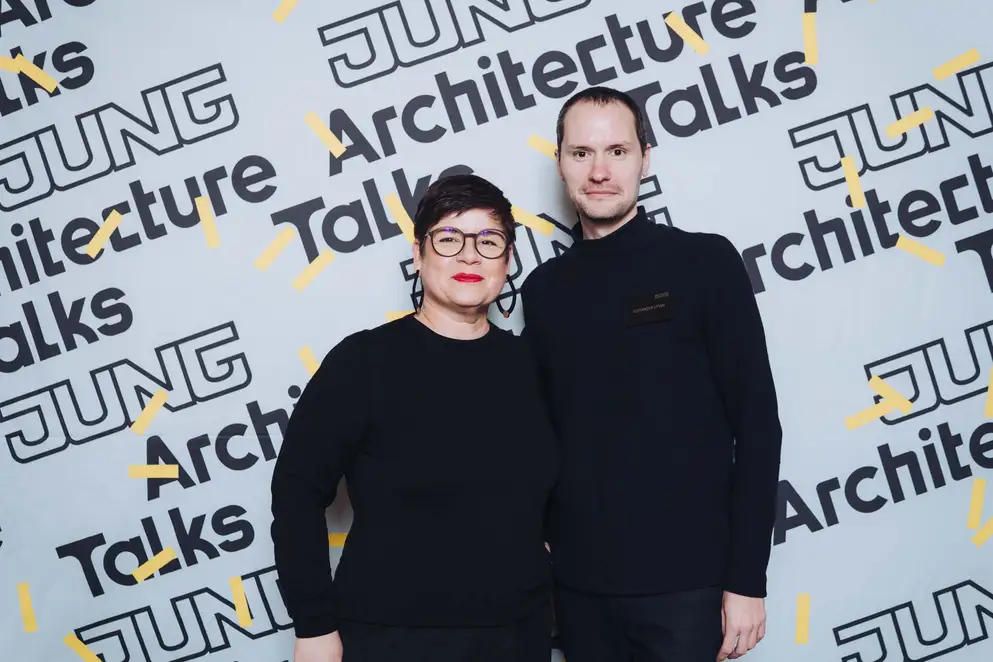
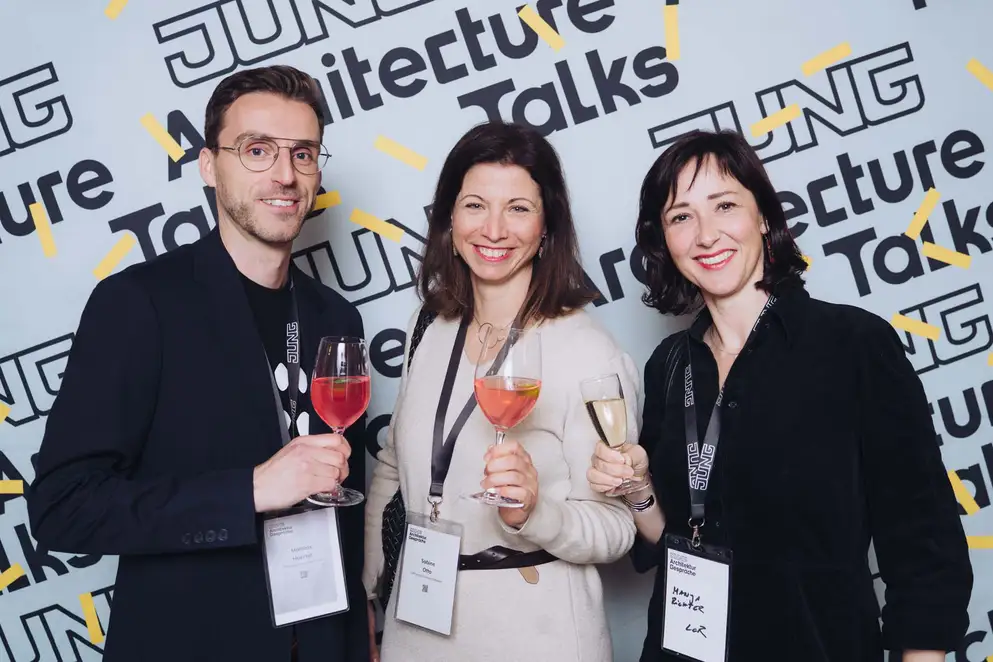
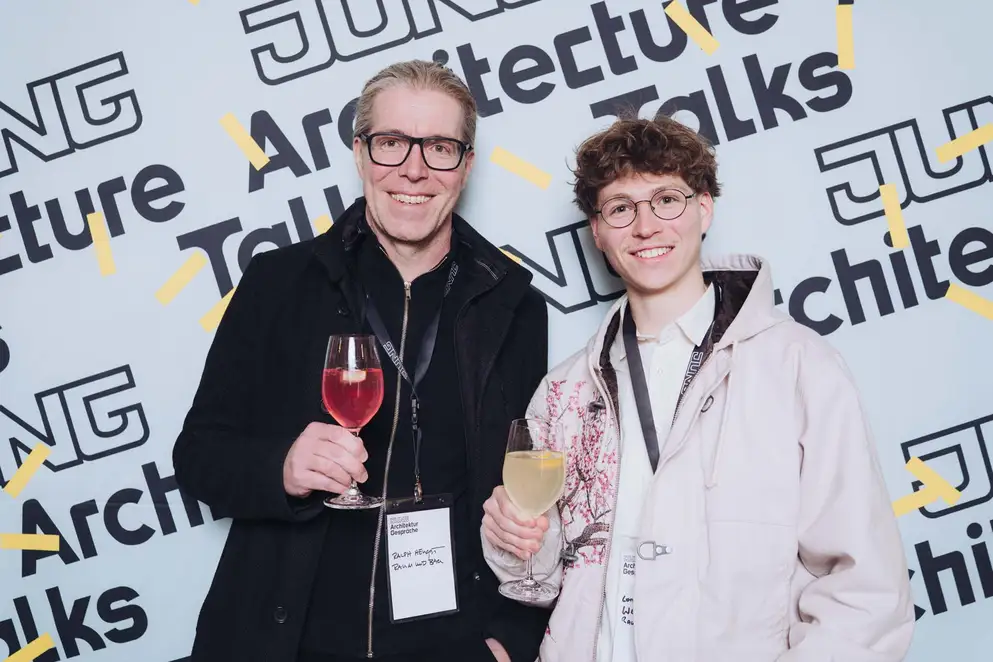
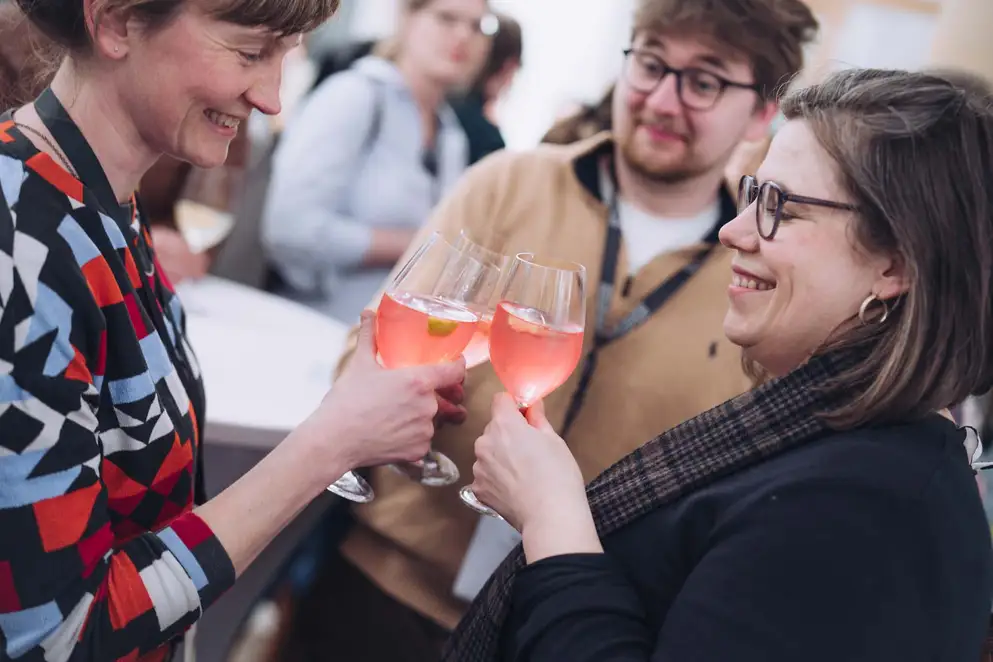
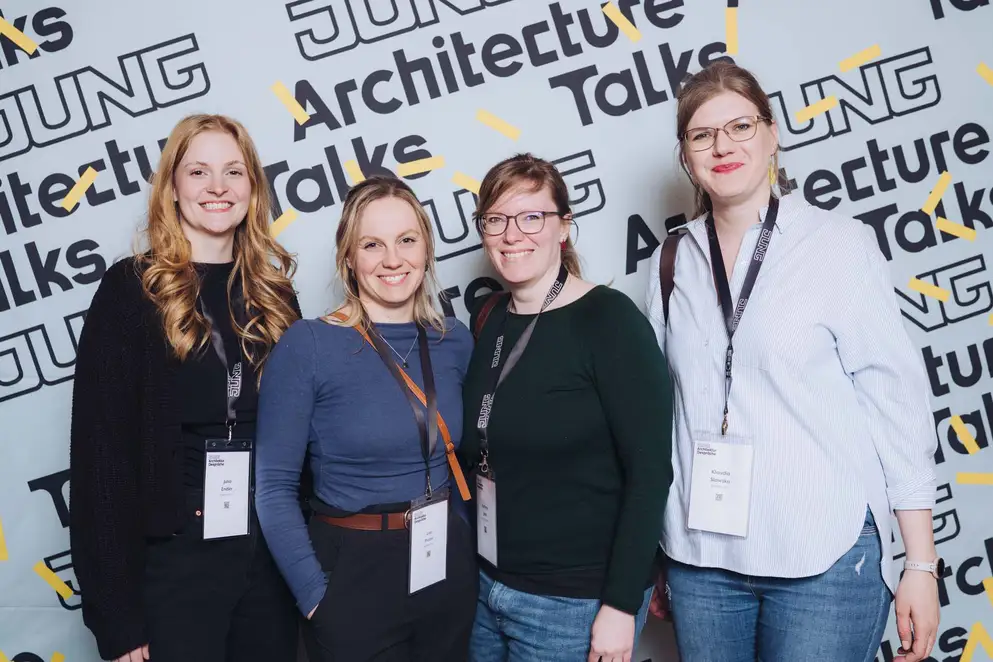
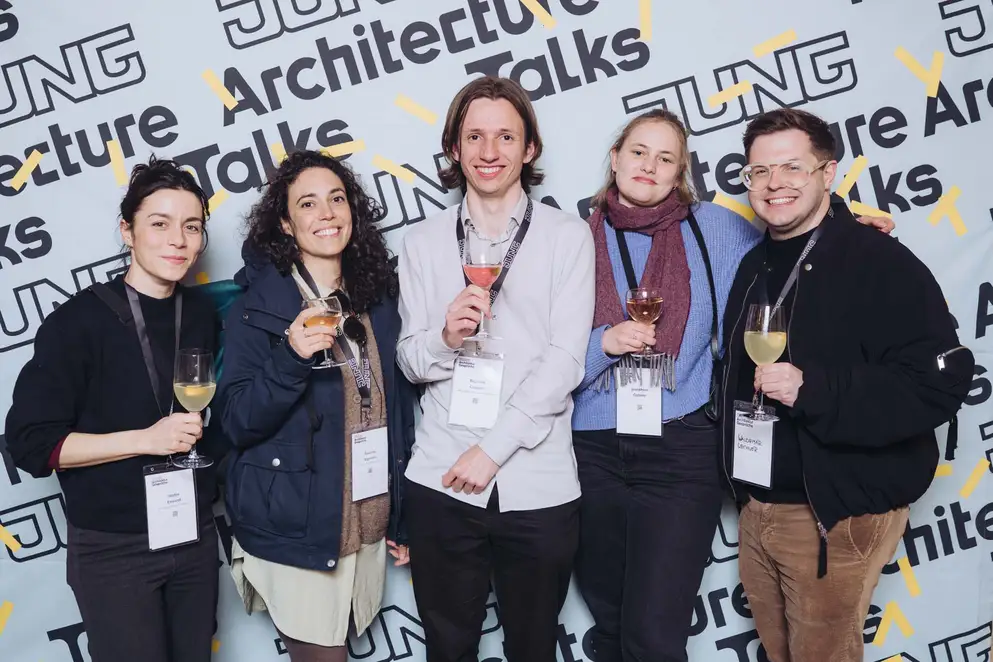
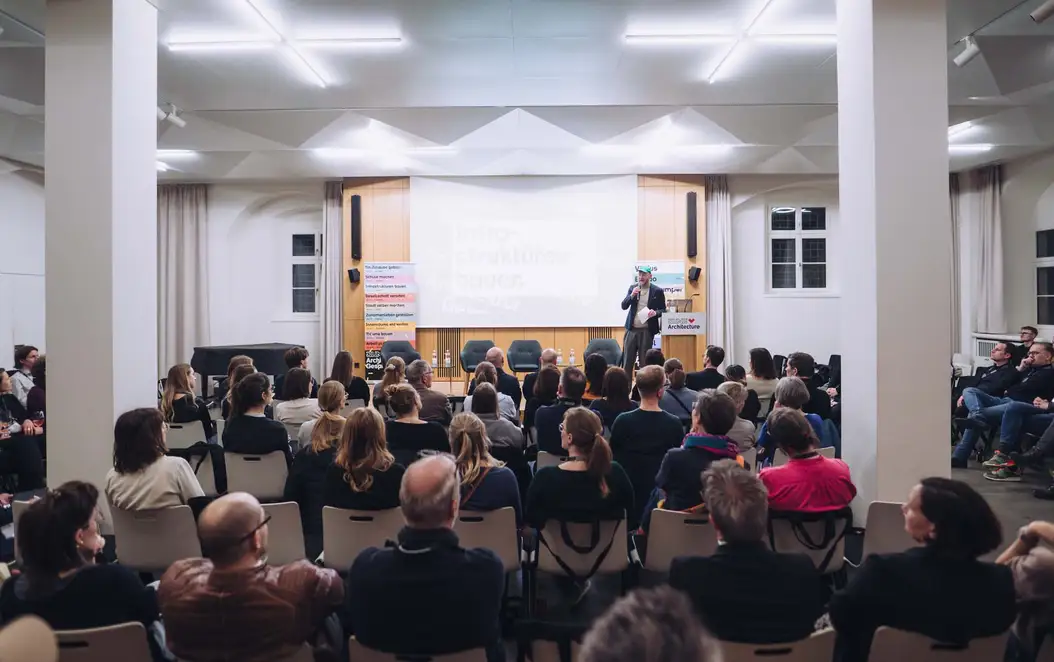
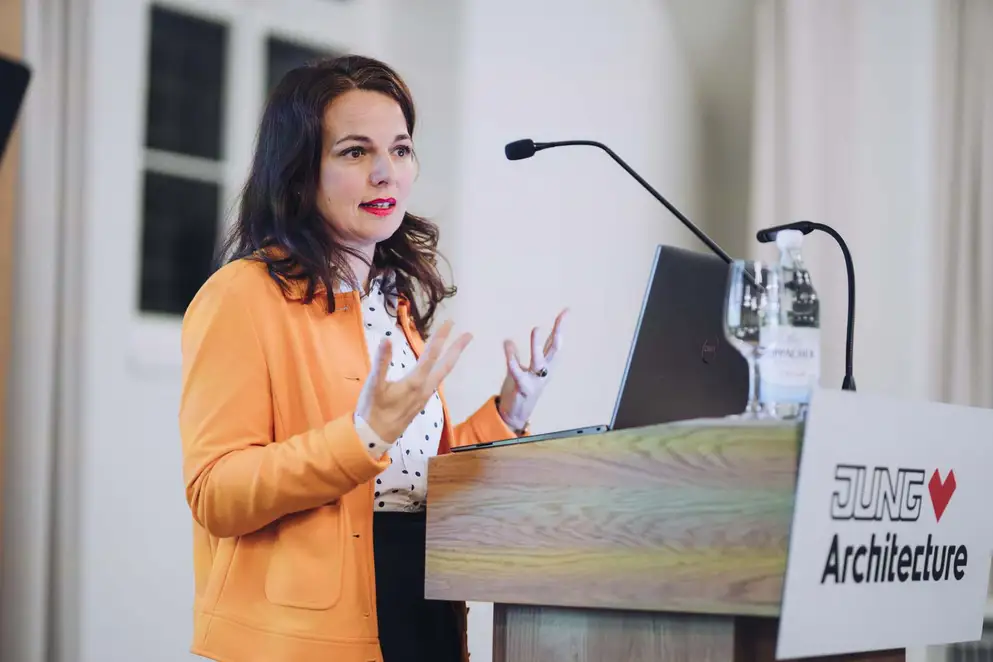
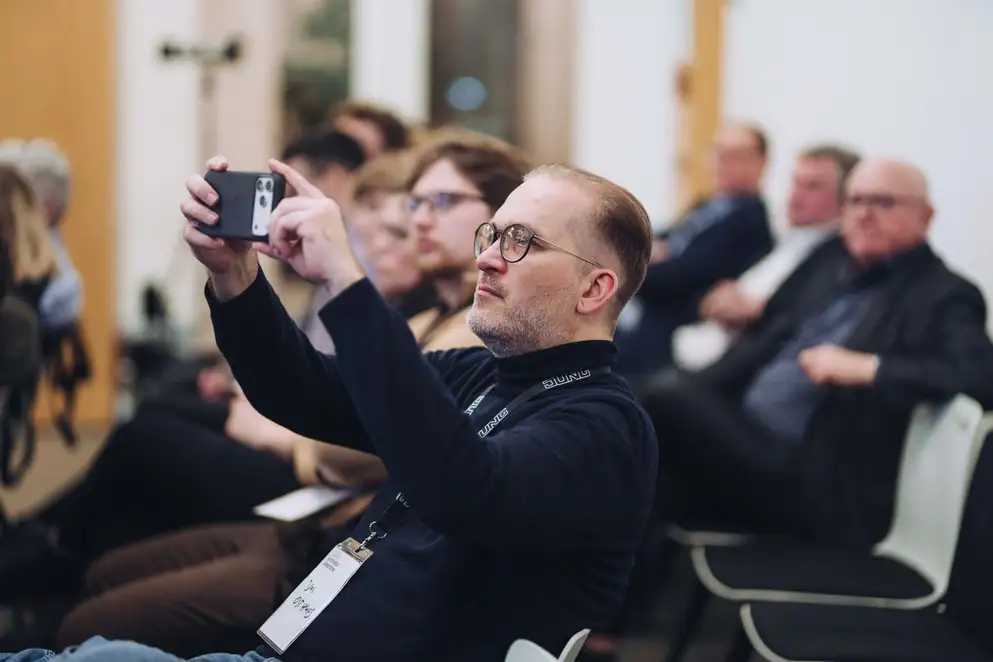
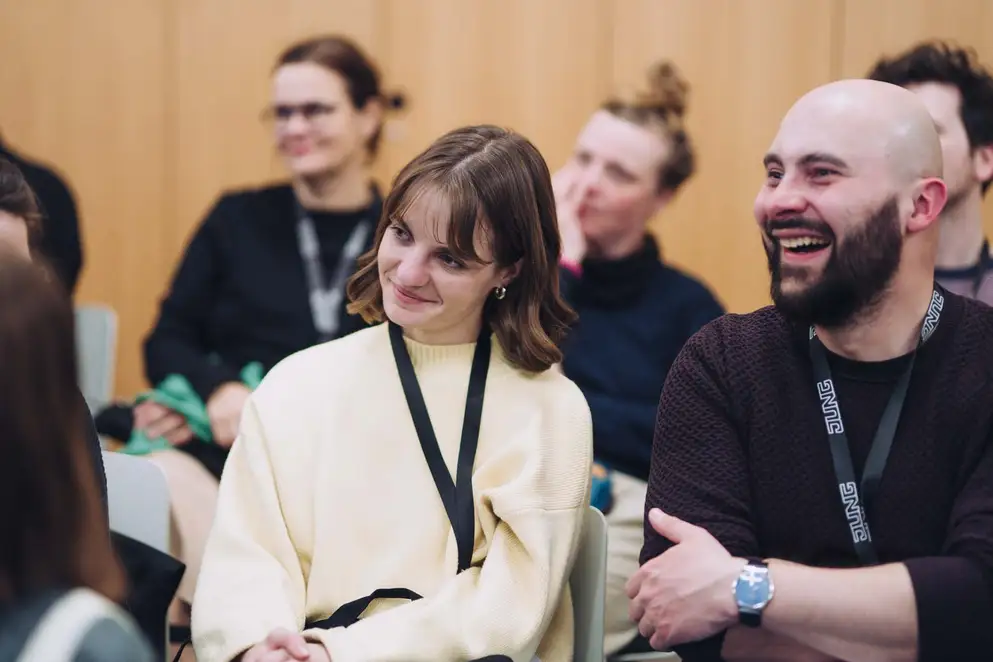
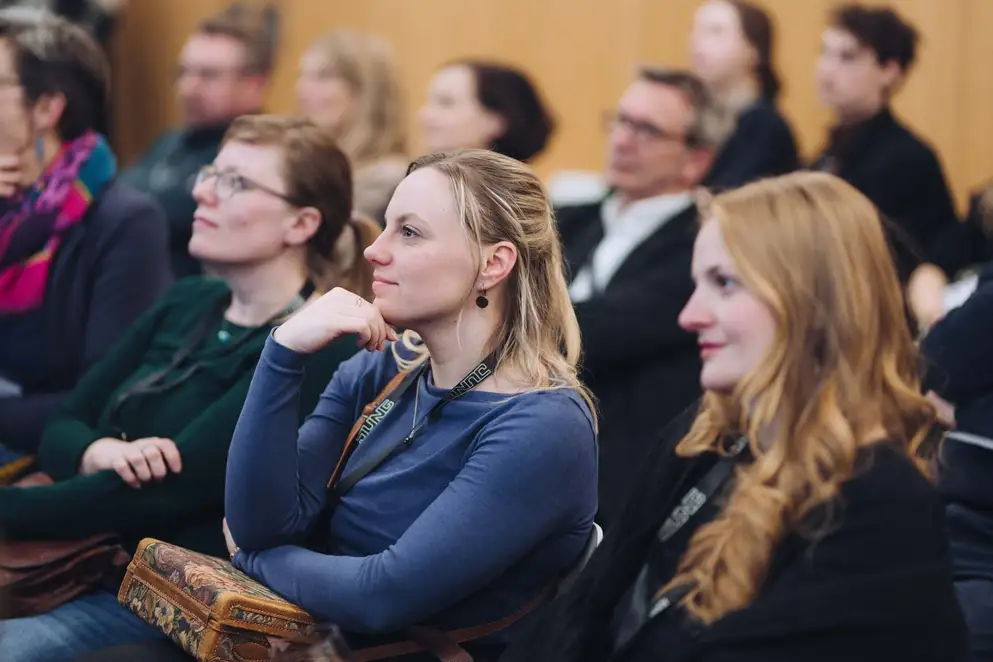
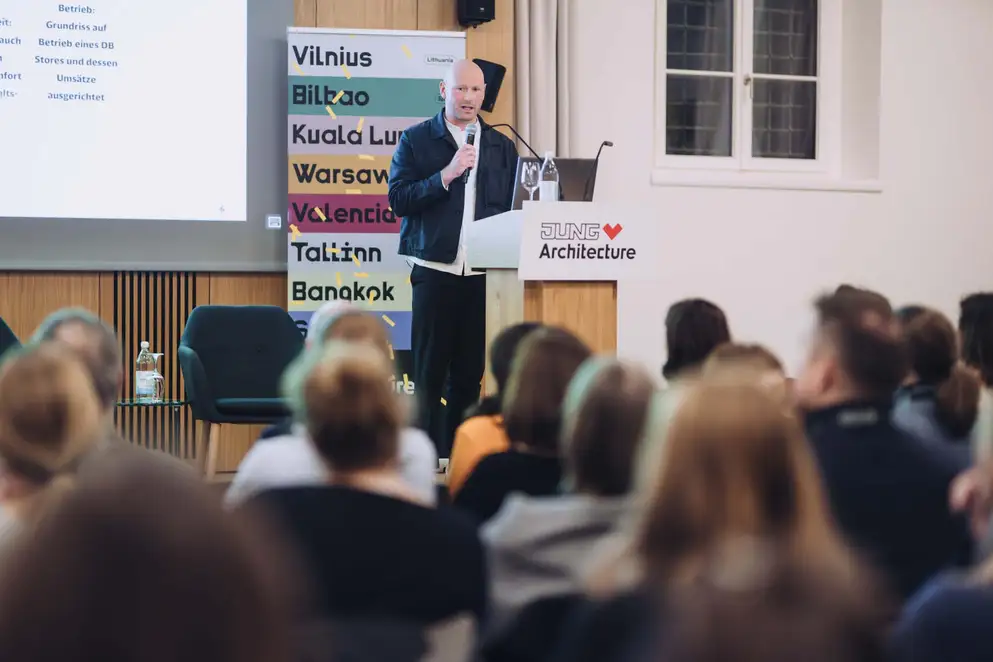
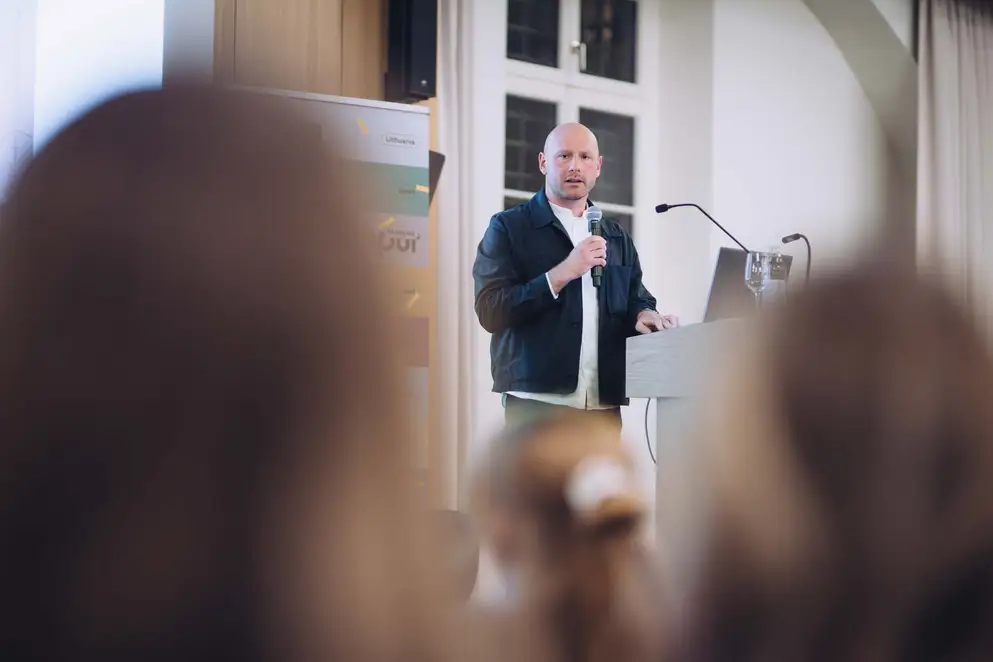
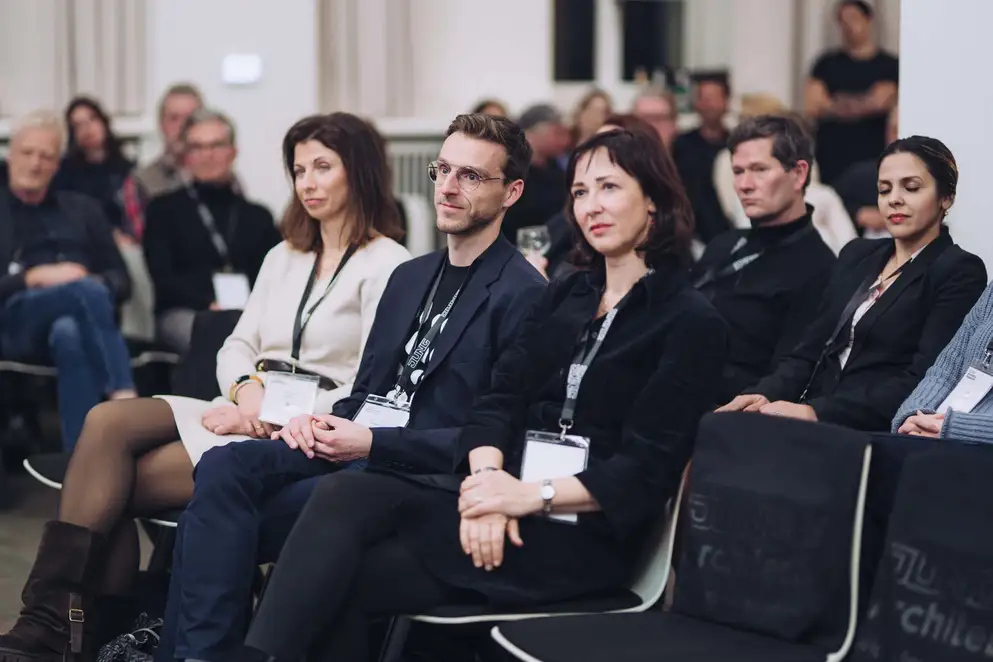

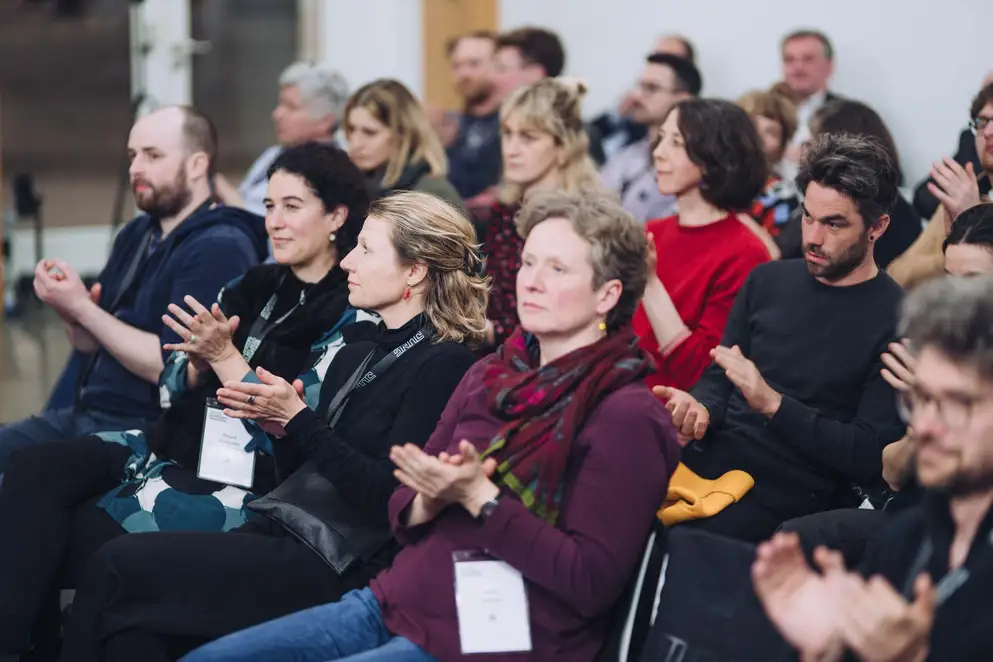
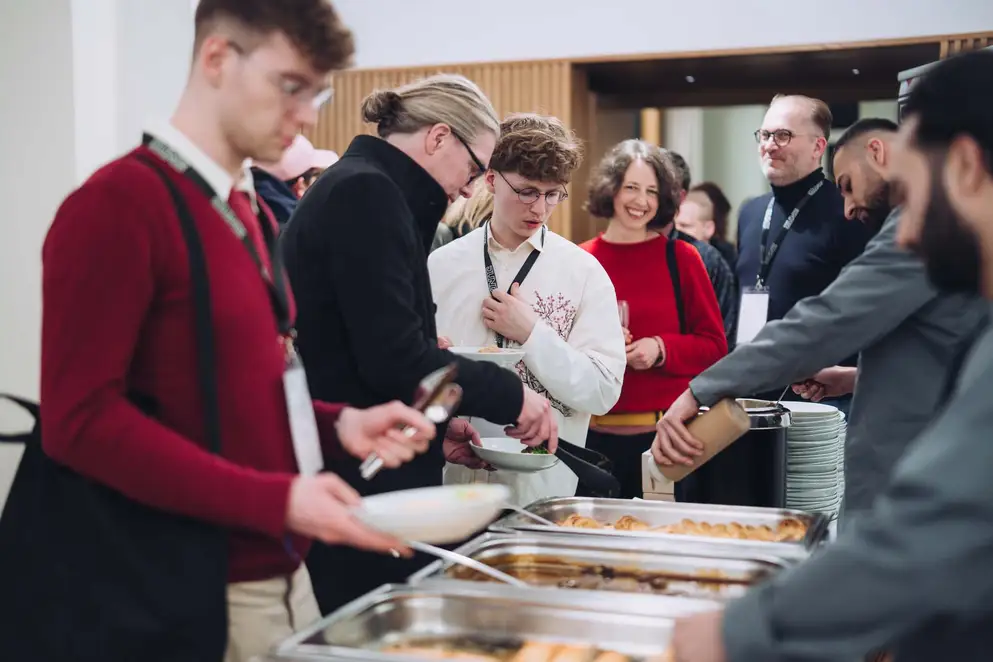
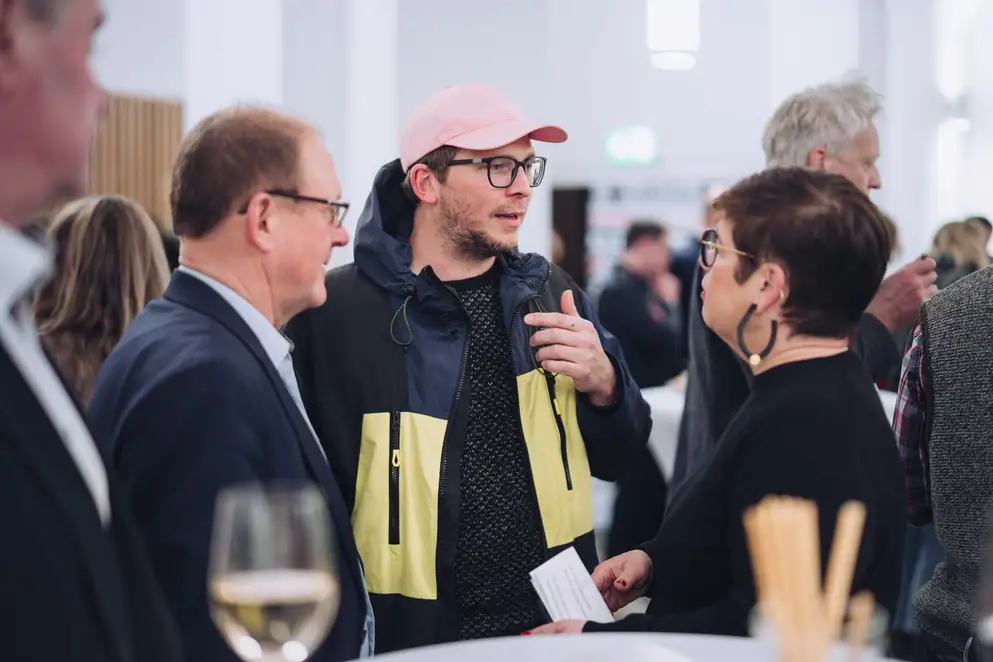
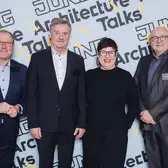
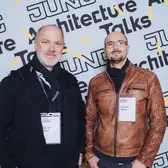


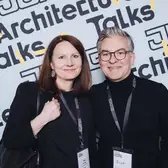
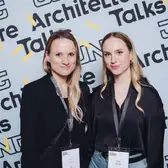
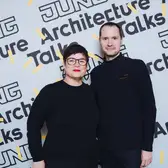




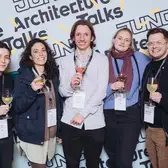
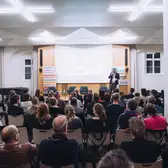
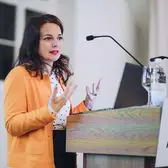

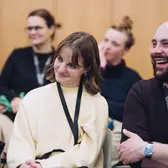

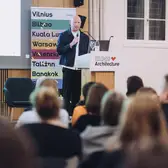
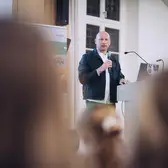
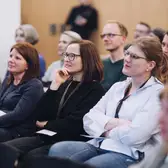

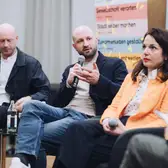
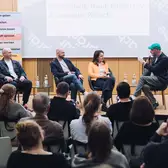




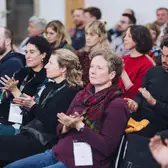

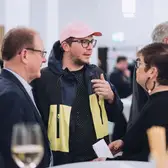






Photography: Tim Dornaus
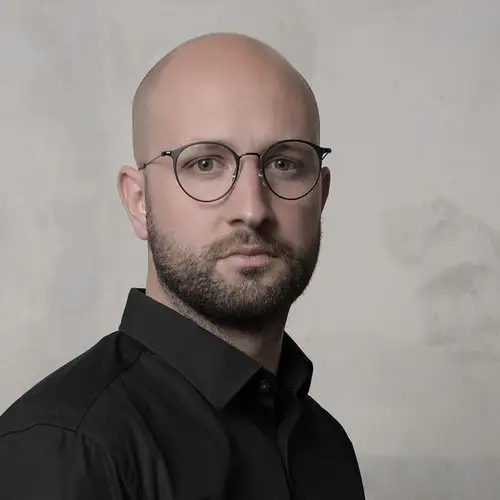
SEBASTIAN KITTELBERGER
DASCH ZÜRN + PARTNER, STUTTGART
Sebastian Kittelberger was born in Reutlingen in 1986. He studied at the universities of Karlsruhe and Stuttgart. During his studies, he worked as a student assistant at Dasch Zürn Architekten, where he also completed his internships as an architect. During this time, he additionally gained professional experience at the architecture offices of Hascher Jehle and José María Sánchez García in Madrid. He then took joint responsibility for the competition department at Dasch Zürn Architekten. In 2017, he became an equal partner, and the office has operated under the name Dasch Zürn + Partner since then. Today, Sebastian Kittelberger heads the Munich office. Across the two locations in Stuttgart and Munich, around 30 staff members work on high-quality architecture for demanding projects. The office predominantly undertakes public-sector projects within Germany, with a focus on schools, fire stations, event venues, sports facilities, churches, and other public buildings.
"We rely on creativity, communication and exchange. Together as a team, we develop ideas and strategically manage processes. This is how individual architecture and characterful building solutions emerge."
www.dzpa.de
Image: © Tom Pohl
"We rely on creativity, communication and exchange. Together as a team, we develop ideas and strategically manage processes. This is how individual architecture and characterful building solutions emerge."
www.dzpa.de
Image: © Tom Pohl
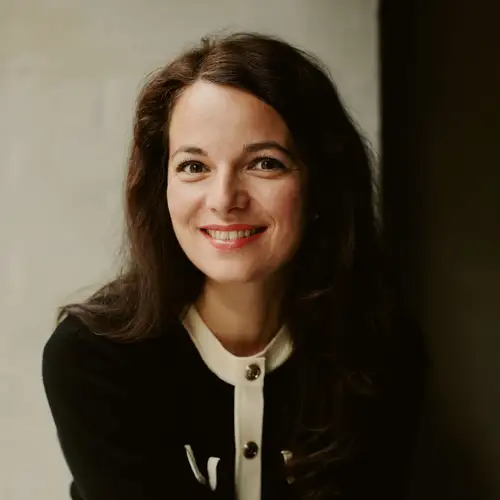
SILVIA SCHELLENBERG-THAUT
ATELIER ST, LEIPZIG
Silvia Schellenberg-Thaut is an architect based in Leipzig. After completing her studies in 2001, she initially worked as an employee before founding the office Atelier ST together with her husband Sebastian Thaut in 2005, which the two have jointly led since then. In 2007, she was appointed to the BDA as its youngest member at the time. She has been involved in teaching since 2015 and has held several guest and interim professorships at the University of Applied Sciences Erfurt, TU Darmstadt, and BTU Cottbus. From 2018 to 2024, she was a member of the urban design advisory board in Bamberg; since 2025, she has served on the design advisory board of the Hanseatic city of Stralsund.
"We combine the old and the new, drawing the best from every historical layer. The result is high-quality, custom-designed solutions across all scales, typologies, and locations—fusing the existing with the contemporary. Our focus lies on art and cultural buildings, exclusive private residences, and hospitality projects. Our speciality is building within the historically evolved context."
www.atelier-st.de
Image: © Robert Rieger
"We combine the old and the new, drawing the best from every historical layer. The result is high-quality, custom-designed solutions across all scales, typologies, and locations—fusing the existing with the contemporary. Our focus lies on art and cultural buildings, exclusive private residences, and hospitality projects. Our speciality is building within the historically evolved context."
www.atelier-st.de
Image: © Robert Rieger
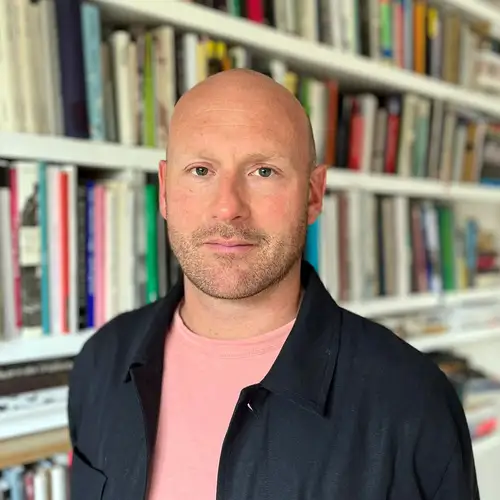
PHILIPP LUY
DB INFRAGO, BERLIN
After studying architecture in Weimar and Berlin, Philipp Luy initially worked independently for several years on competitions and smaller building projects. He then joined the in-house architecture office of Deutsche Bahn, where the focus lies on the planning and implementation of infrastructure and public buildings—especially station buildings and reception facilities. Since 2024, he has been heading a team of ten architects there.
“A railway station is more than just a transport hub – it is a public space that forms the interface between the city and the rail network. My approach is to design these places in a way that conveys openness, accessibility, and quality in everyday use – making them architecture for daily life in the best sense. We develop clear and comprehensible spatial figures. In our design work, we are guided by images that give form to this – often nameless – infrastructure. The aim is for these buildings to remain recognisable and support orientation, both in the city and within the railway network.”
www.dbinfrago.com
Image: © Private
“A railway station is more than just a transport hub – it is a public space that forms the interface between the city and the rail network. My approach is to design these places in a way that conveys openness, accessibility, and quality in everyday use – making them architecture for daily life in the best sense. We develop clear and comprehensible spatial figures. In our design work, we are guided by images that give form to this – often nameless – infrastructure. The aim is for these buildings to remain recognisable and support orientation, both in the city and within the railway network.”
www.dbinfrago.com
Image: © Private
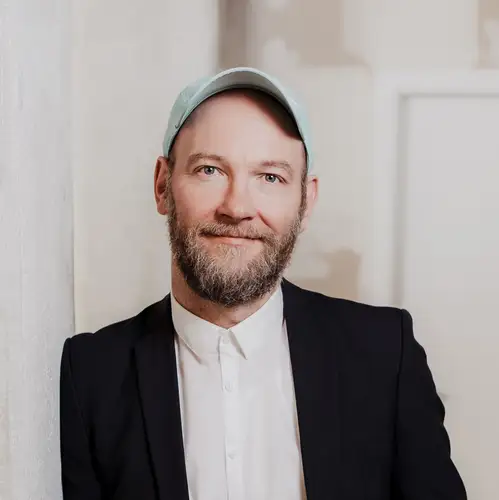
MODERATION
The evening was moderated by Alexander Poetzsch. Born in 1976 in Chemnitz, he studied architecture at TU Dresden and KTH Stockholm. Since graduating in 2003, he has been working as an architect across all service phases. Following his role as managing director of two Dresden-based architecture offices, he founded Alexander Poetzsch Architekturen in 2015. Alongside his professional work, Poetzsch is actively involved on a voluntary basis in promoting architecture and building culture. Since 2025, he has served as President of the BDA – Association of German Architects.
„Every form of infrastructure shapes the image of our environment. Often, it is a matter of practical necessity. Therefore, it is all the more important that it is designed consciously and with high quality.“
www.alexanderpoetzsch.de
Image: © Matthias Popp Fotografie
„Every form of infrastructure shapes the image of our environment. Often, it is a matter of practical necessity. Therefore, it is all the more important that it is designed consciously and with high quality.“
www.alexanderpoetzsch.de
Image: © Matthias Popp Fotografie