FREIBURG, 9 July 2026
LIVING TOGETHER | Housing between crisis and opportunity
On 9 July, the JUNG Architecture Talks returned to Freiburg for the fifth time. This year’s event, held at Kreativpark Lokhalle in close partnership with Architekturforum Freiburg, focused on the theme Living Together. We invited three architects whose work engages with contemporary housing in Germany, both in practice and in theory.
Our guests on the panel were Sebastian Kofink of Buero Kofink Schels in Munich, Angelika Hinterbrandner from Berlin, Policy Lead for Building and Housing at the Bauwende Allianz by ProjectTogether, and Marc Frohn of FAR frohn&rojas, also based in Berlin.
The evening was moderated by Boris Schade-Bünsow, editor-in-chief of the architecture magazine Bauwelt.
Our guests on the panel were Sebastian Kofink of Buero Kofink Schels in Munich, Angelika Hinterbrandner from Berlin, Policy Lead for Building and Housing at the Bauwende Allianz by ProjectTogether, and Marc Frohn of FAR frohn&rojas, also based in Berlin.
The evening was moderated by Boris Schade-Bünsow, editor-in-chief of the architecture magazine Bauwelt.
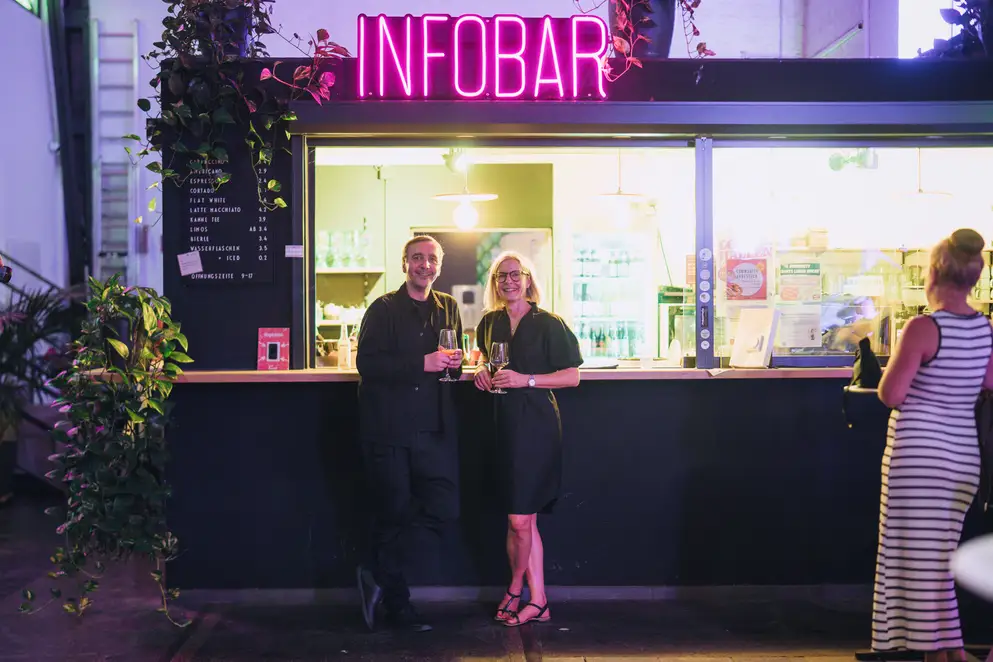
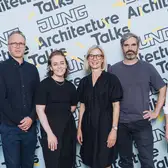
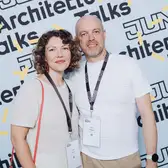
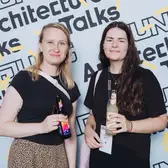
Impressions
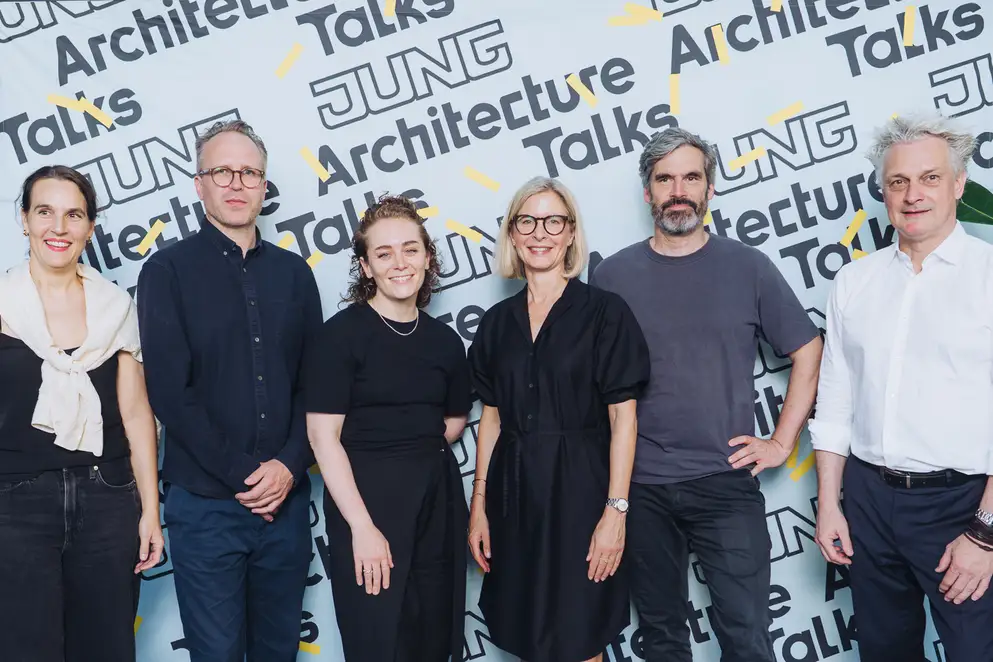
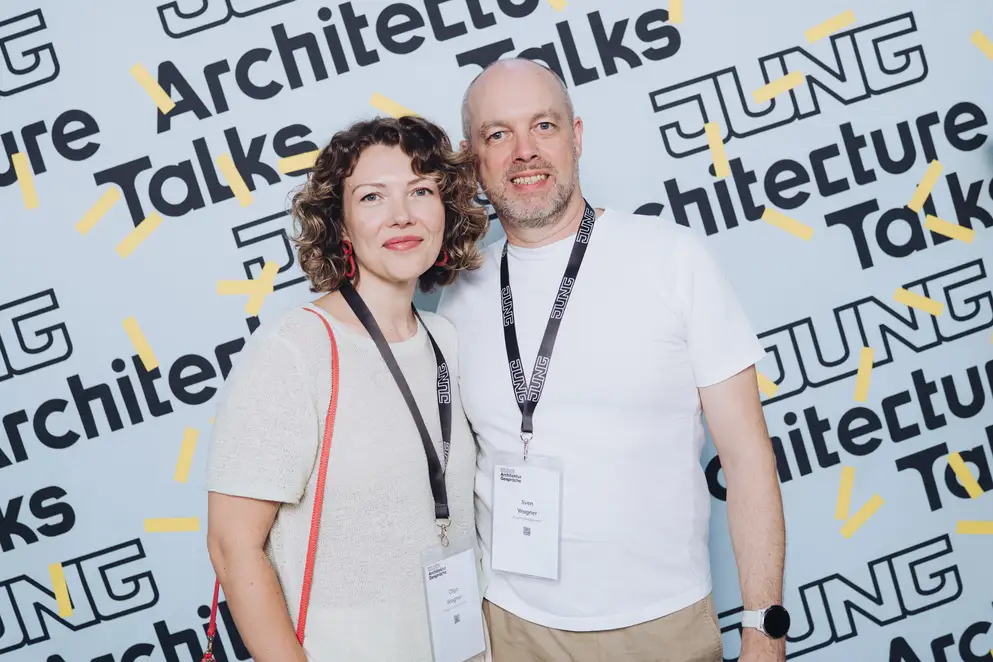
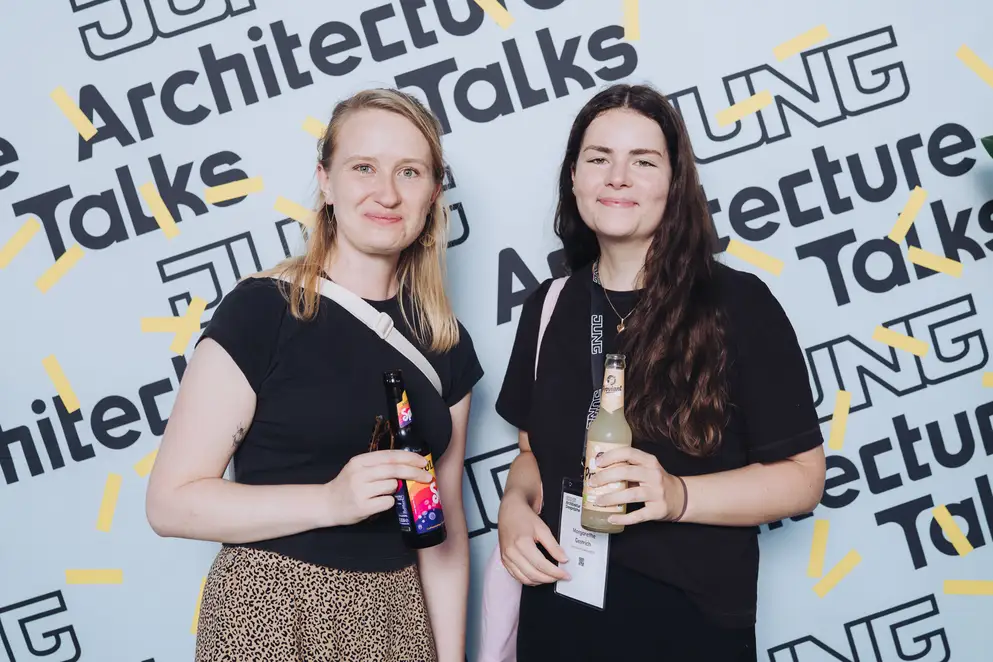
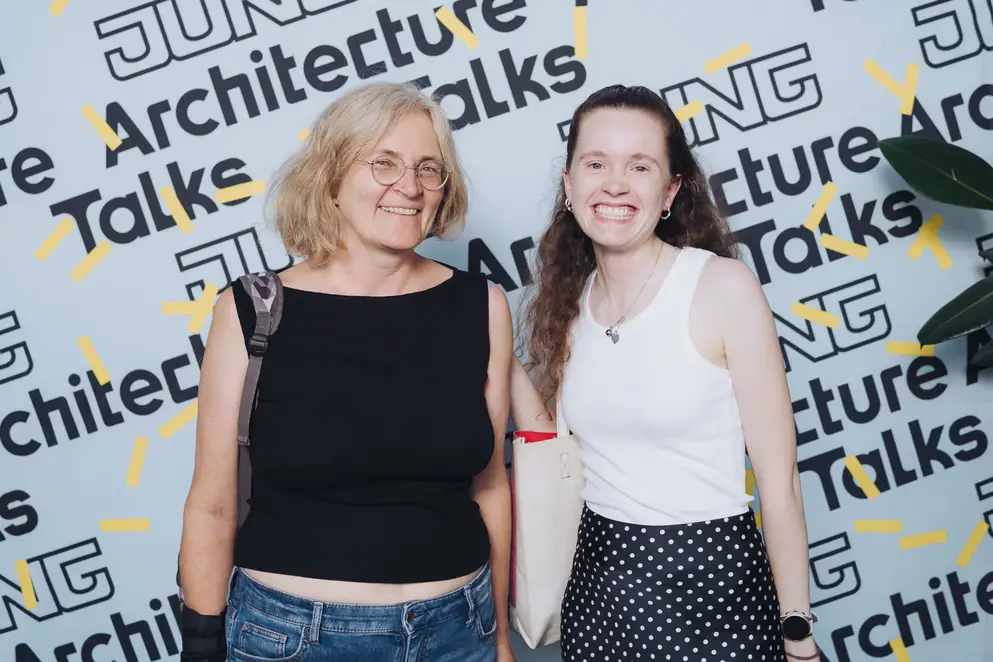
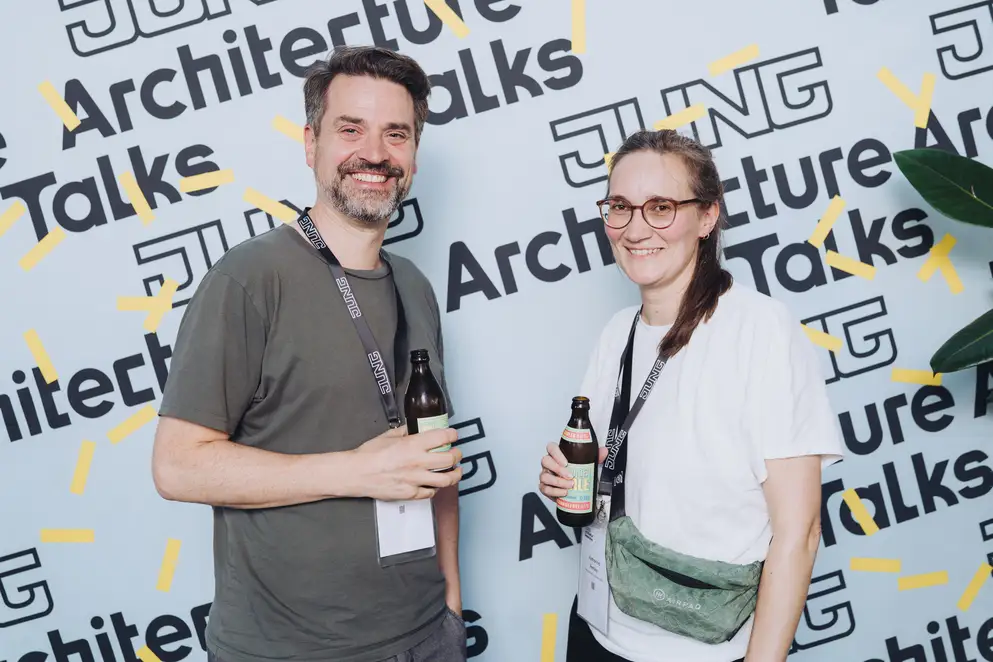
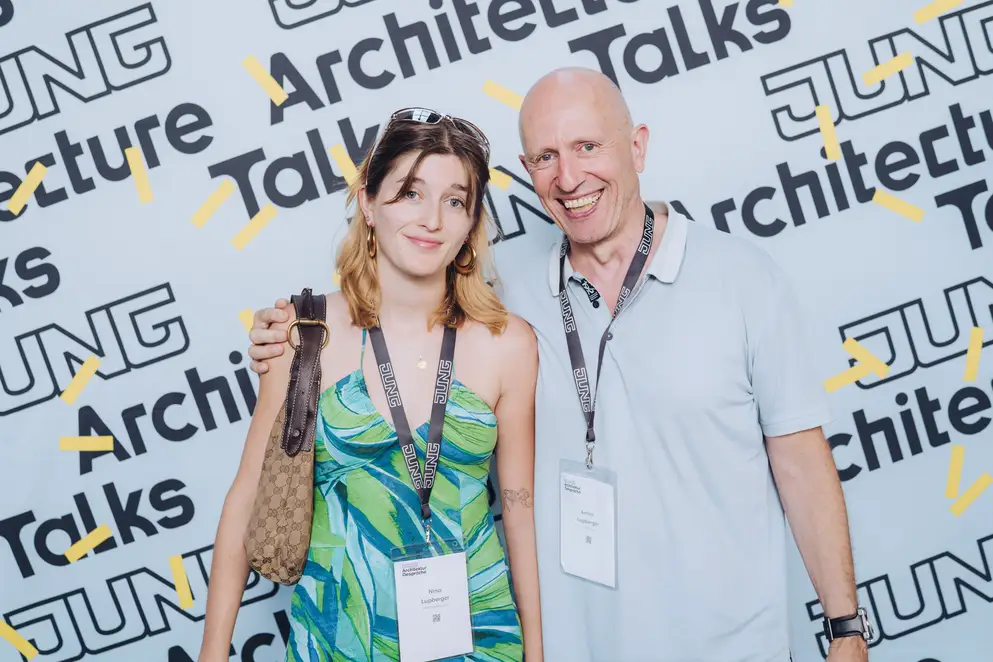
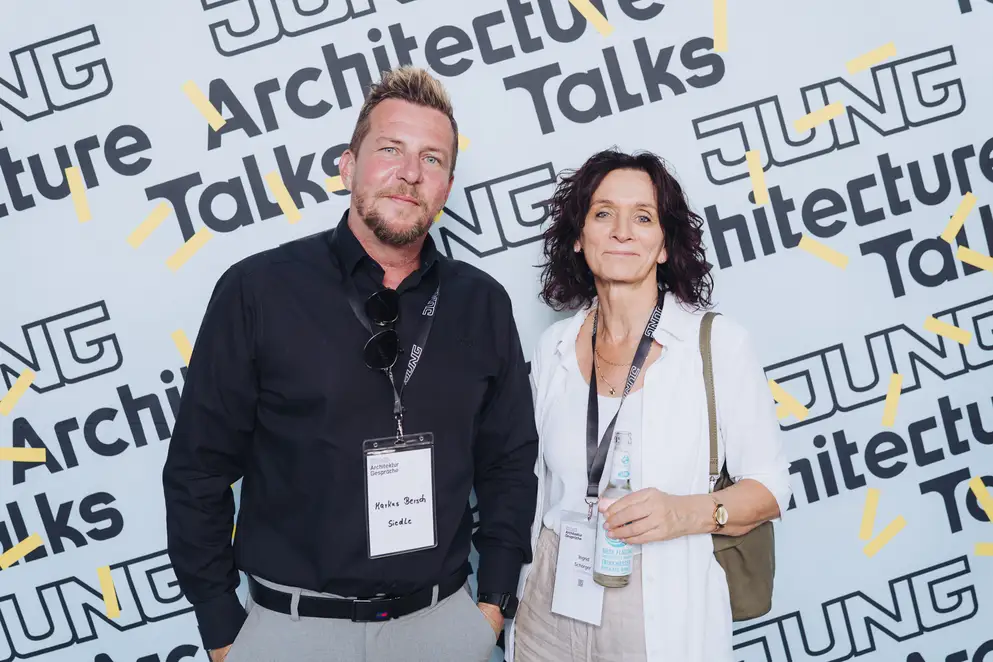
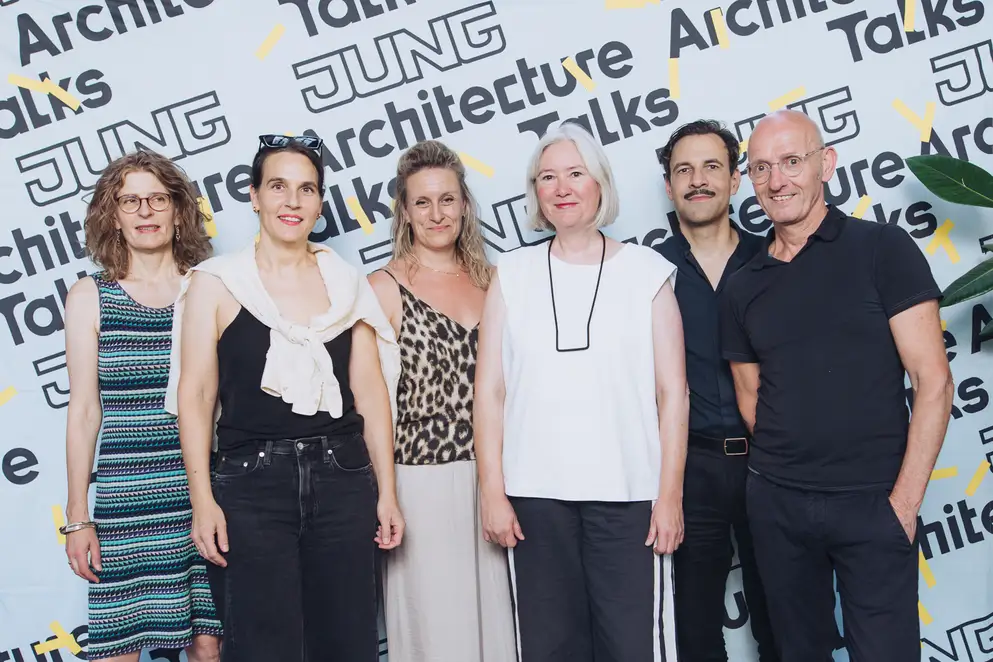
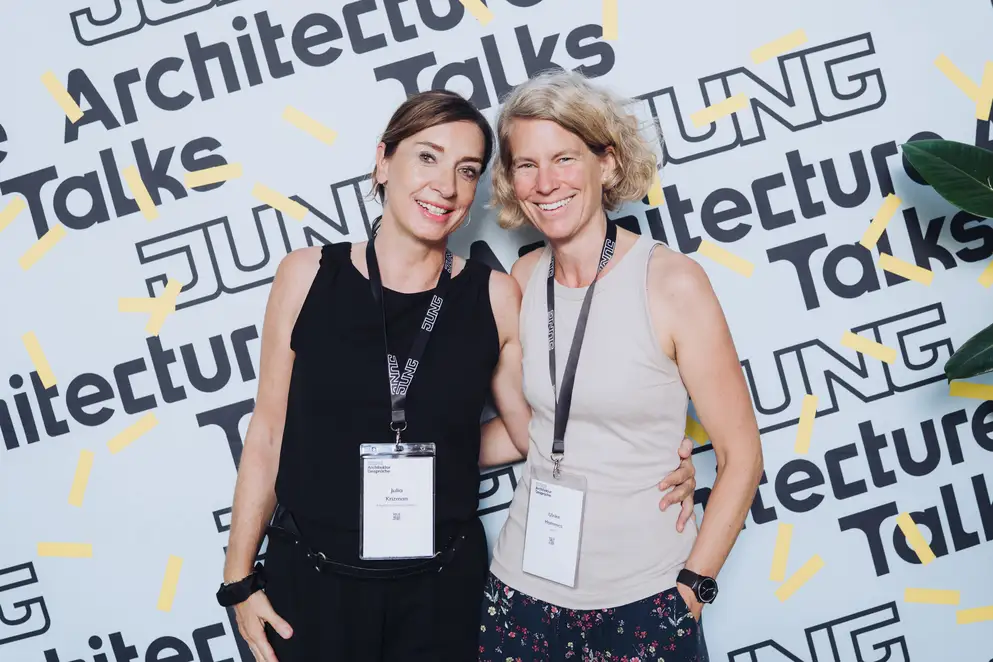
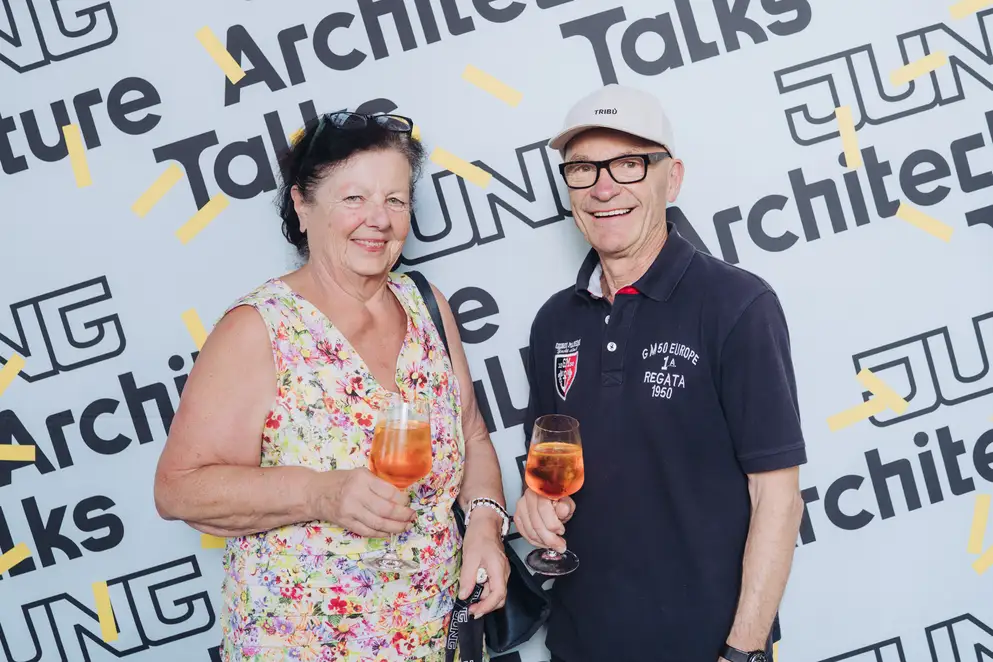
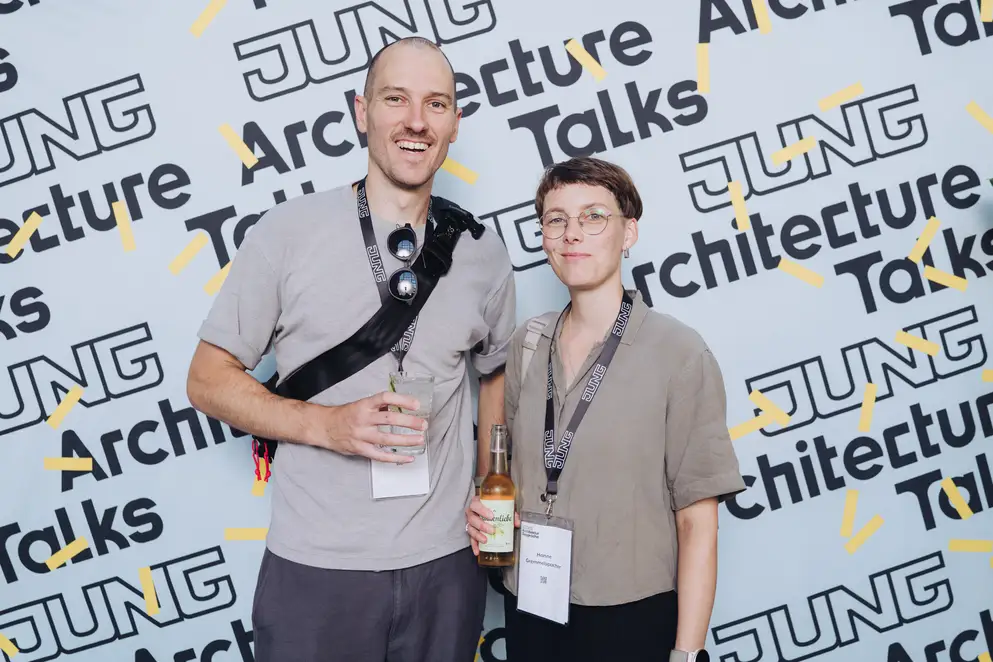
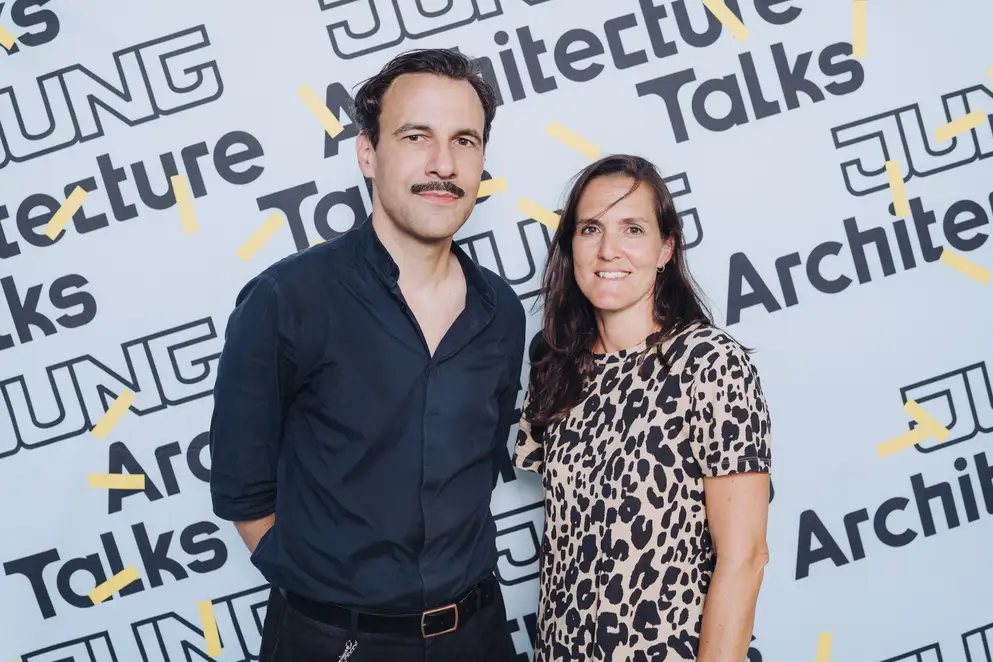
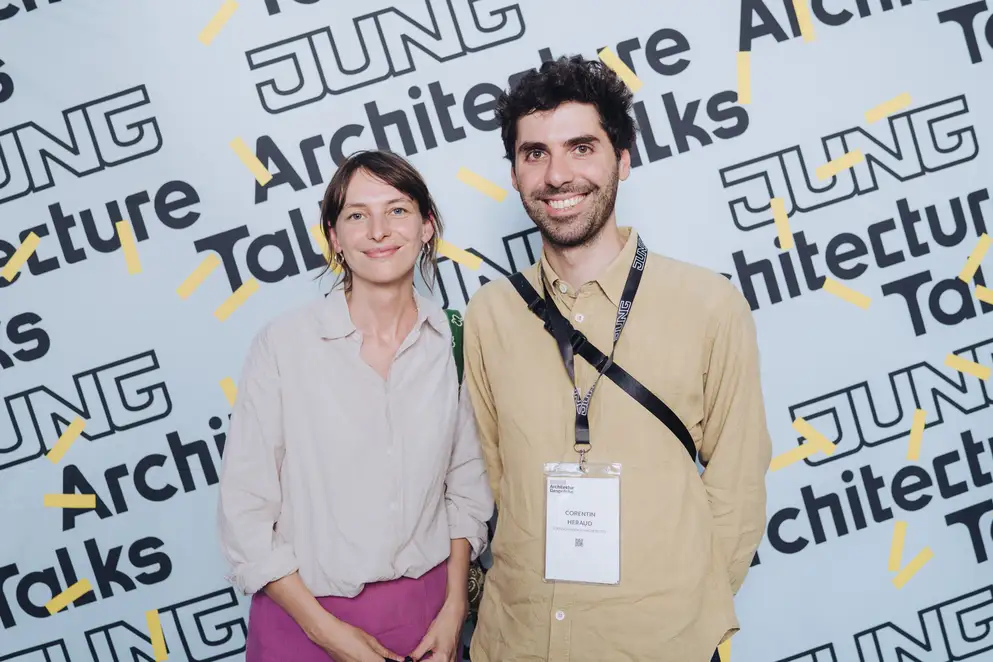
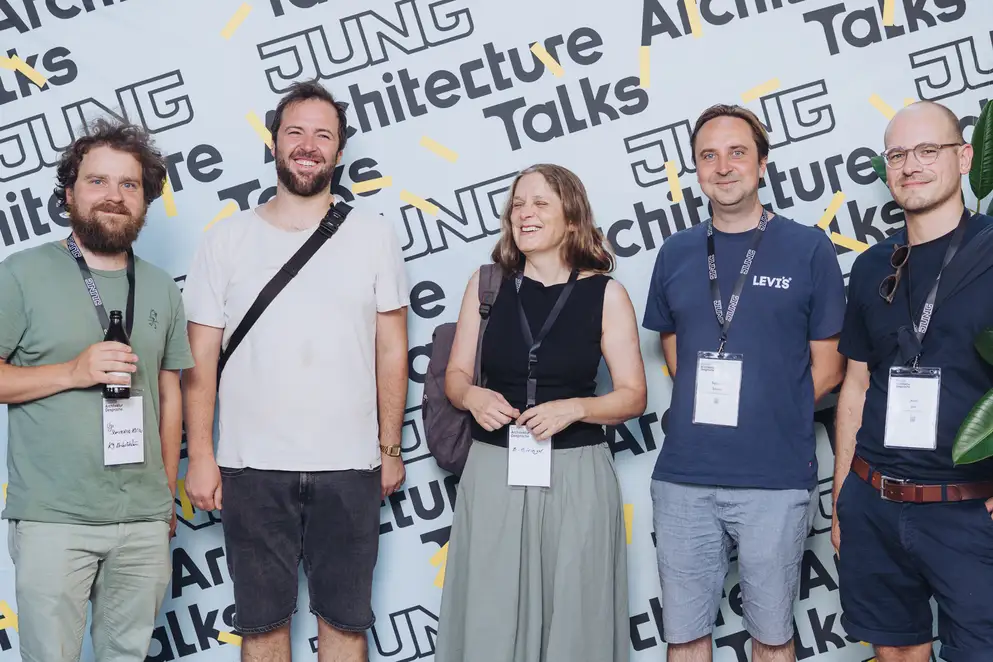
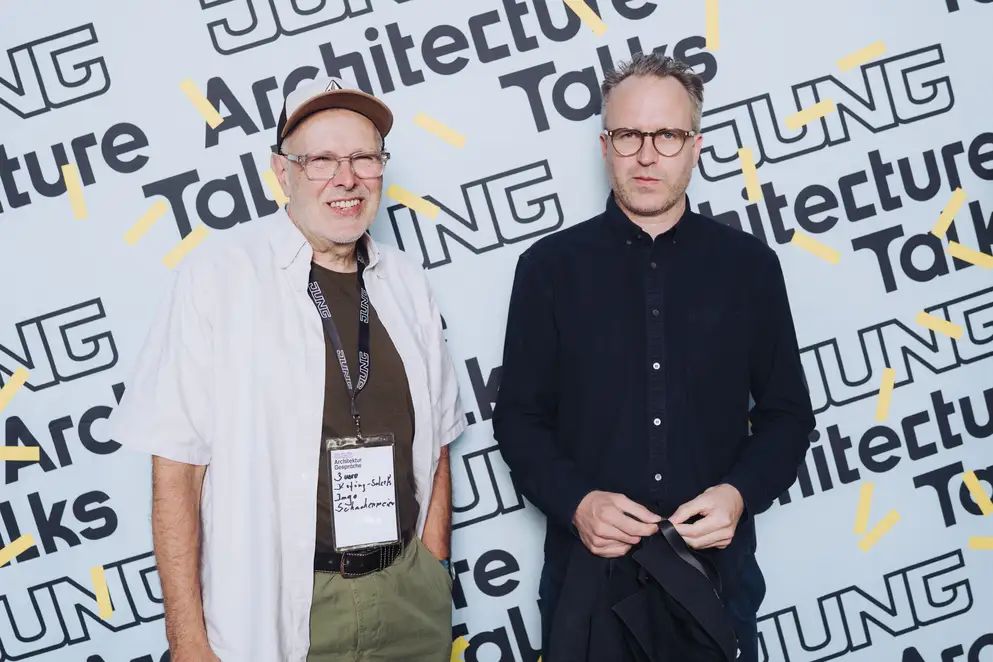
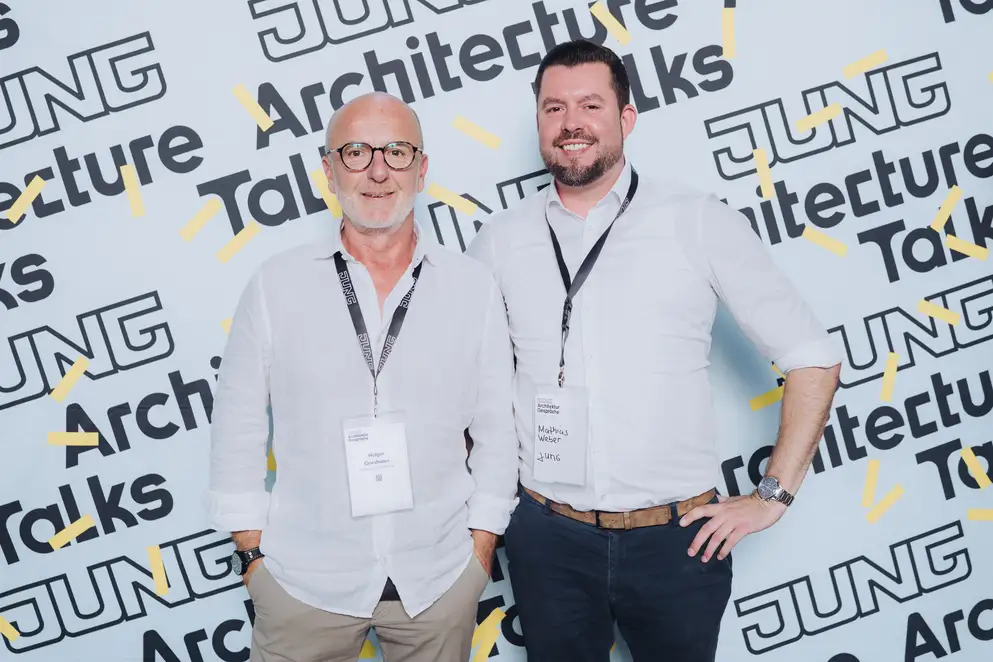
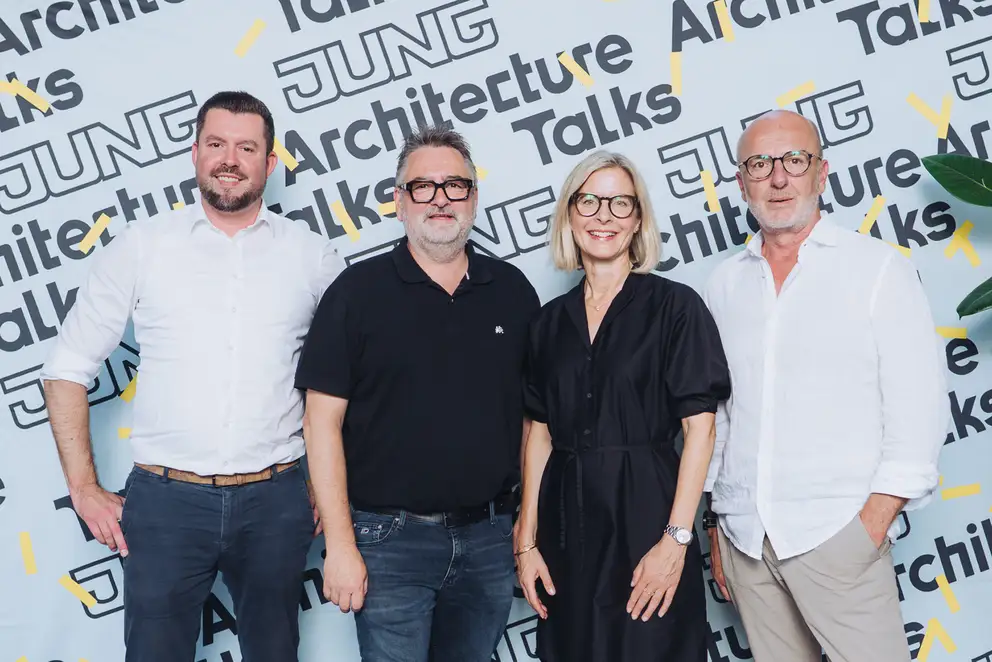
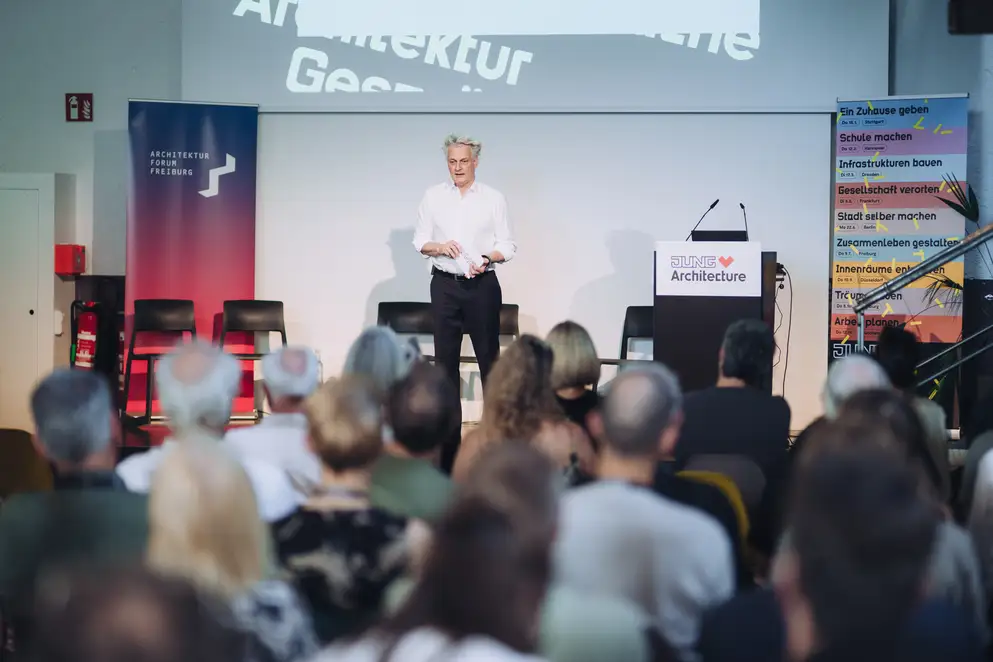
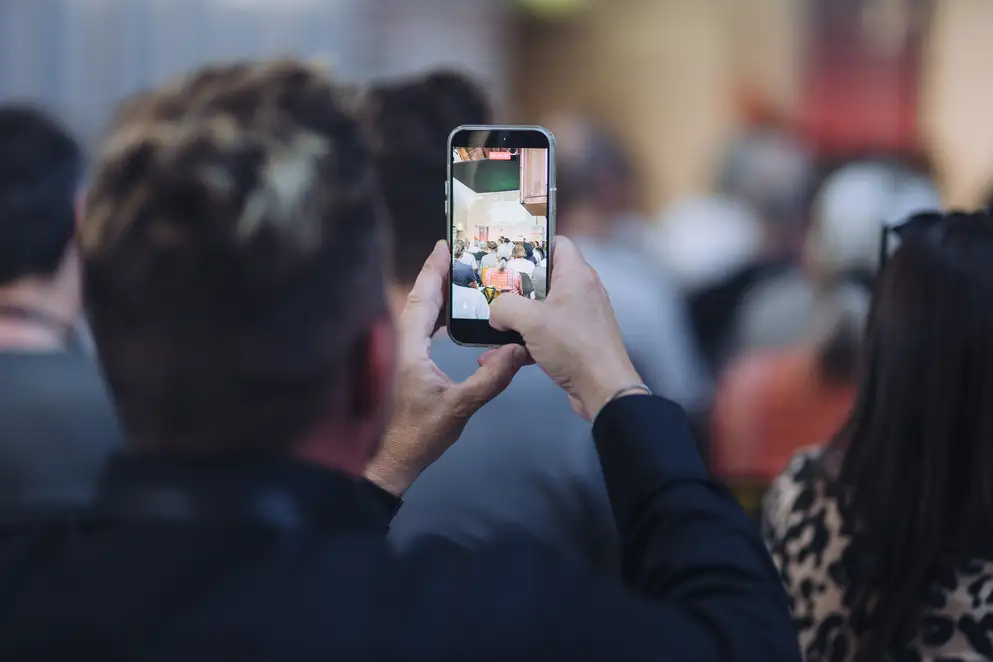
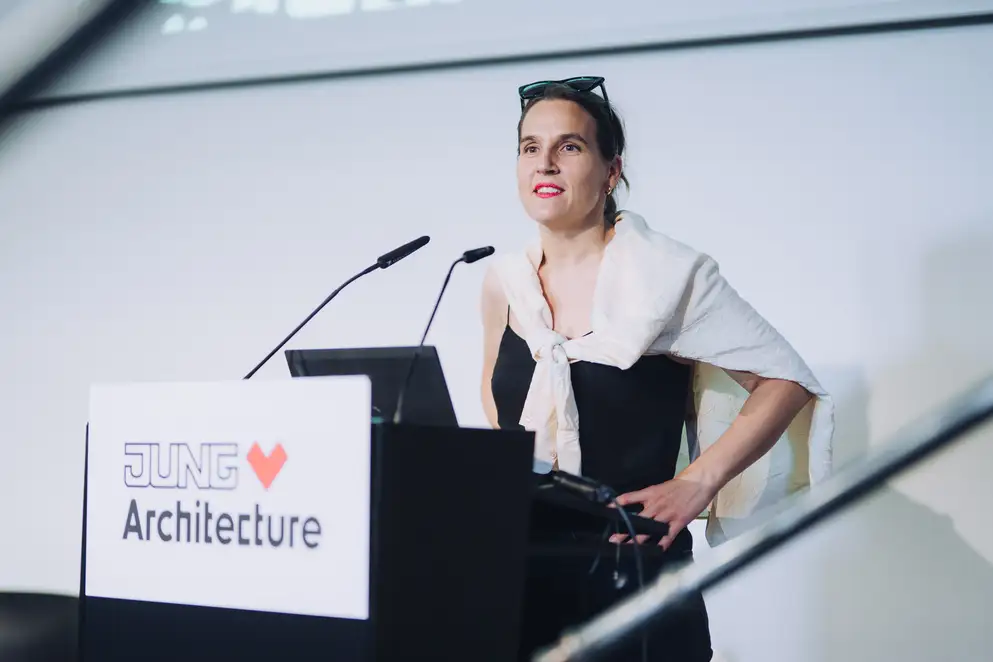
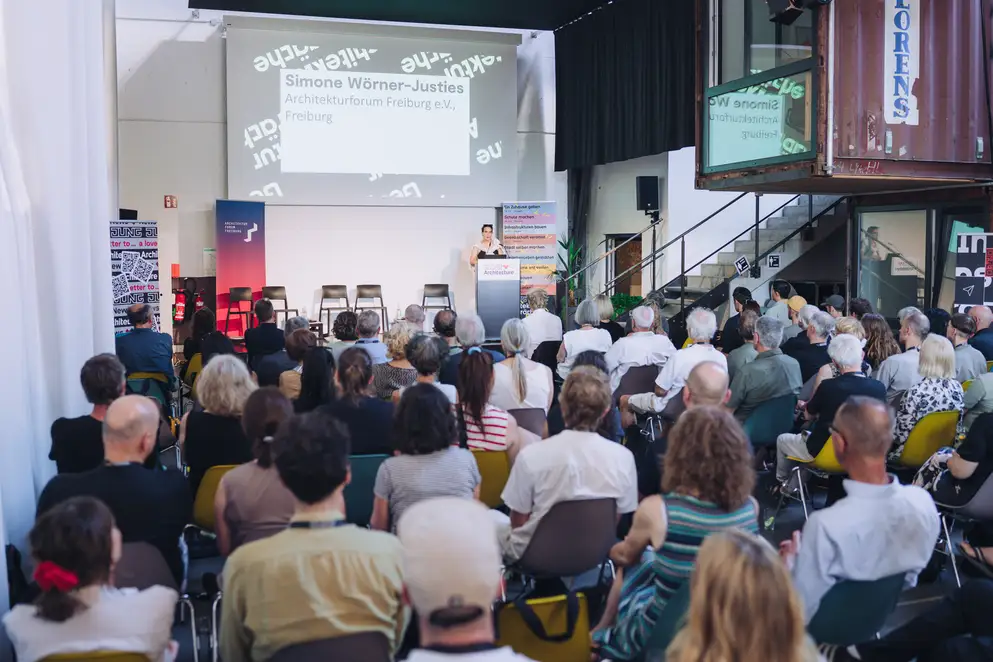
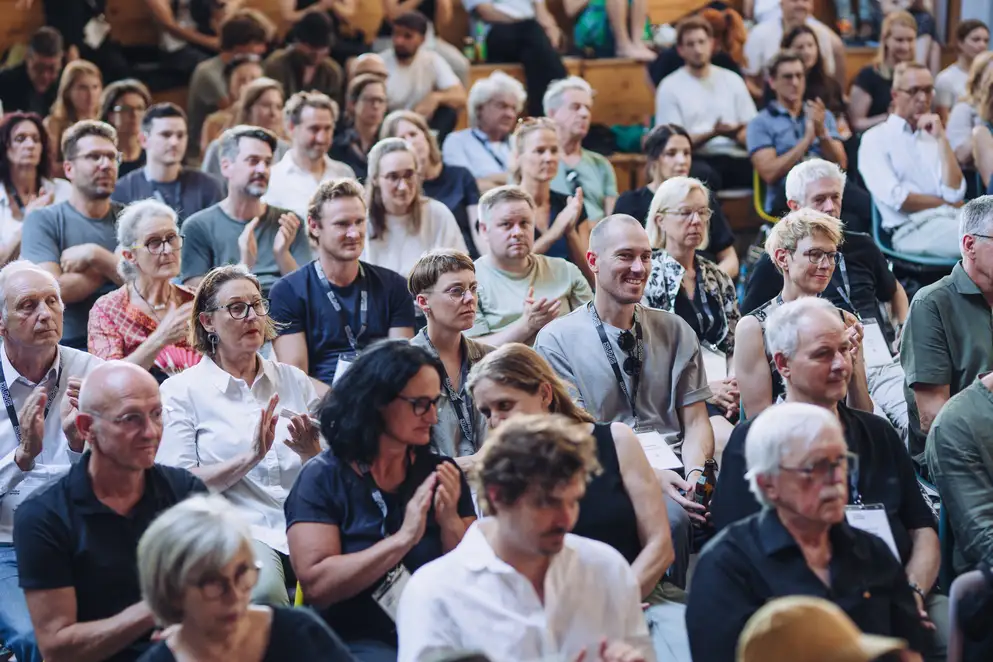
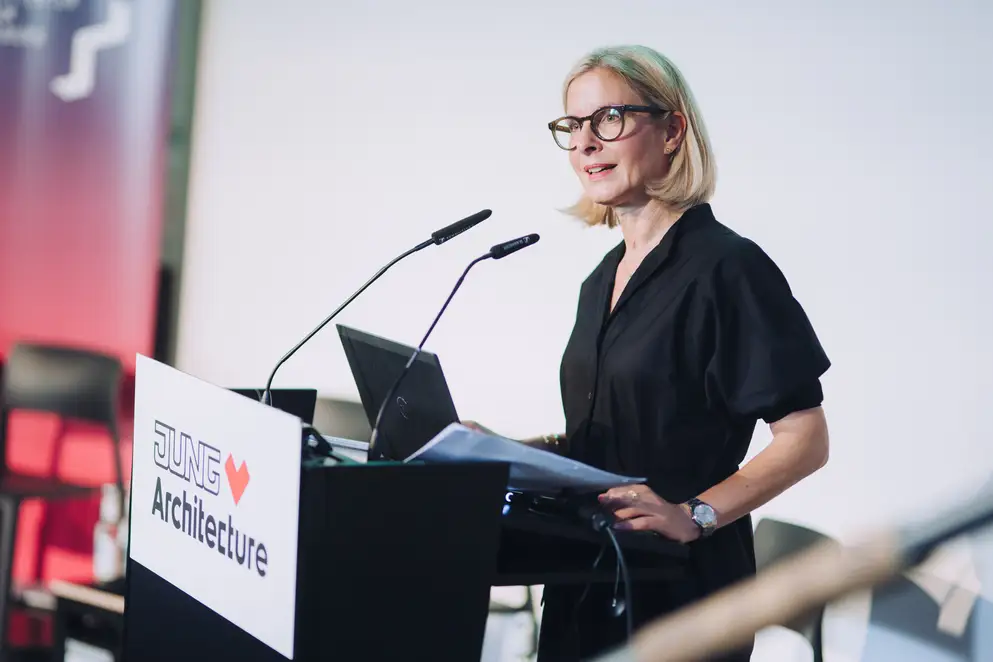
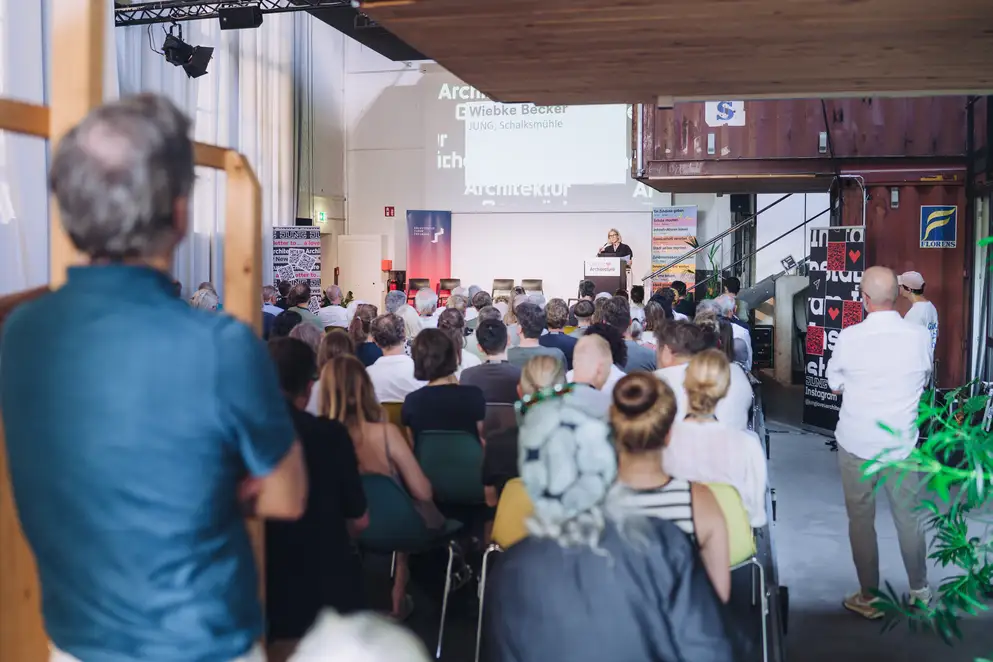
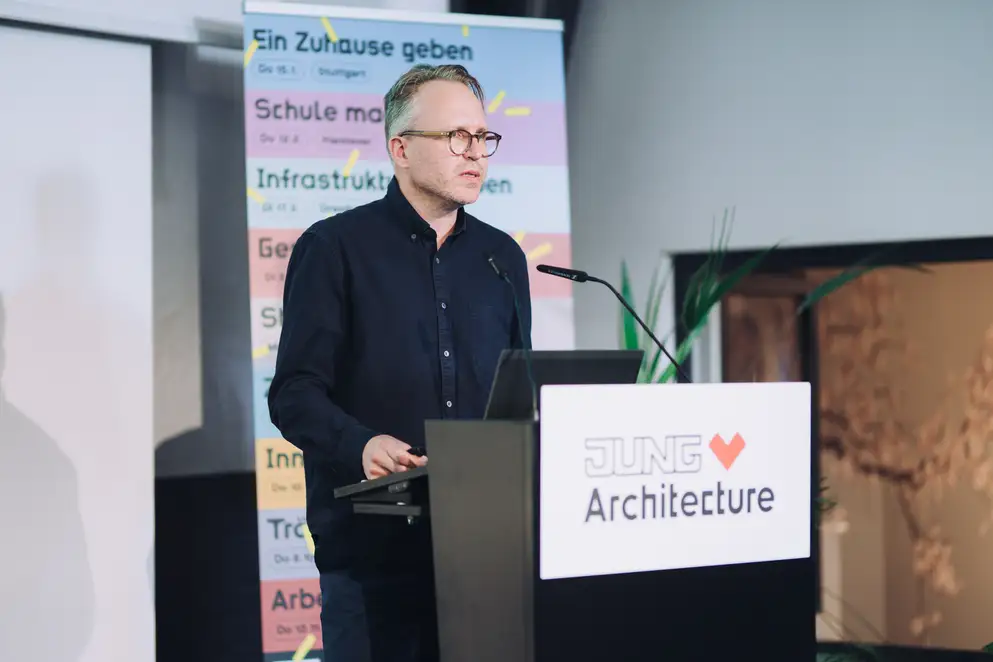
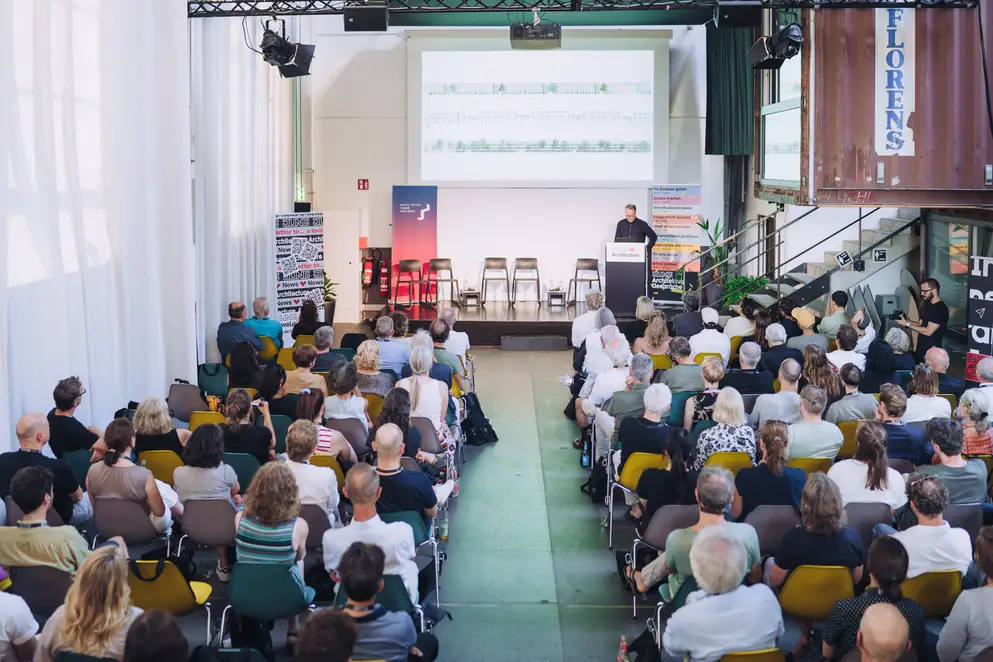
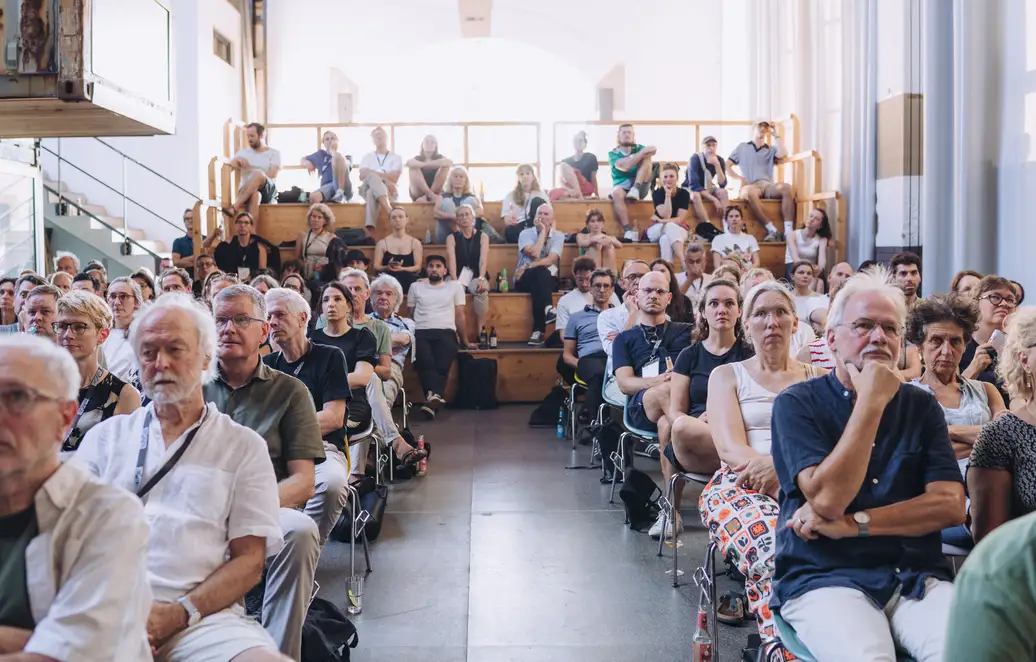
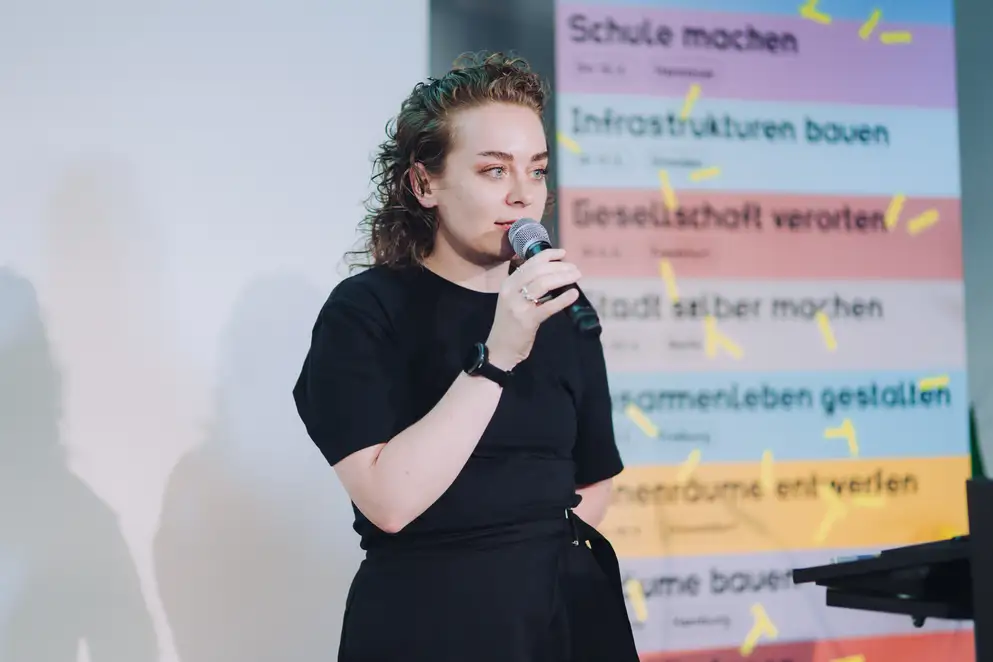
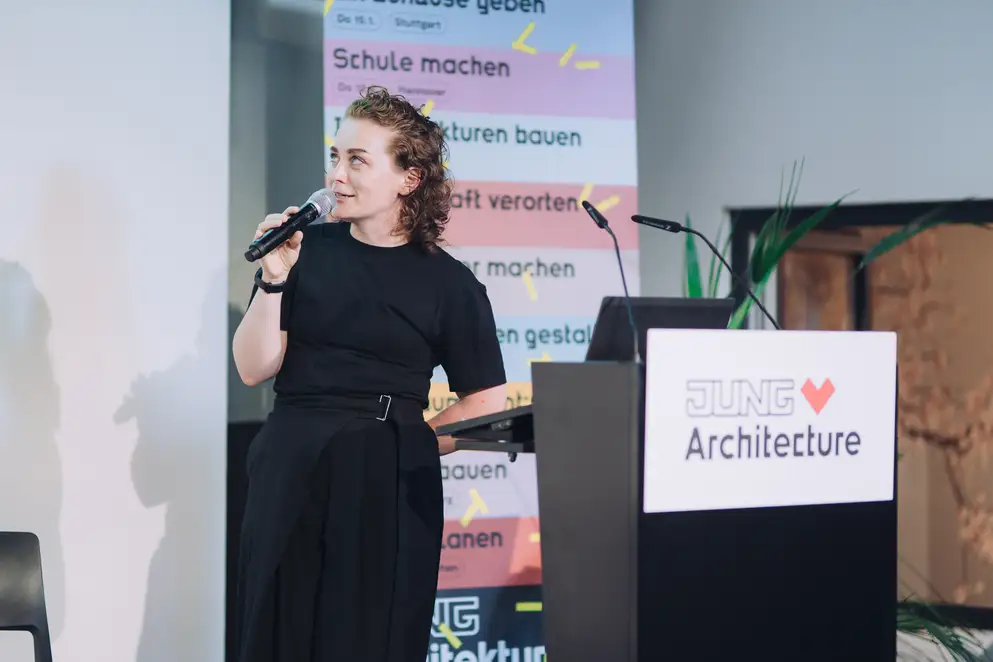
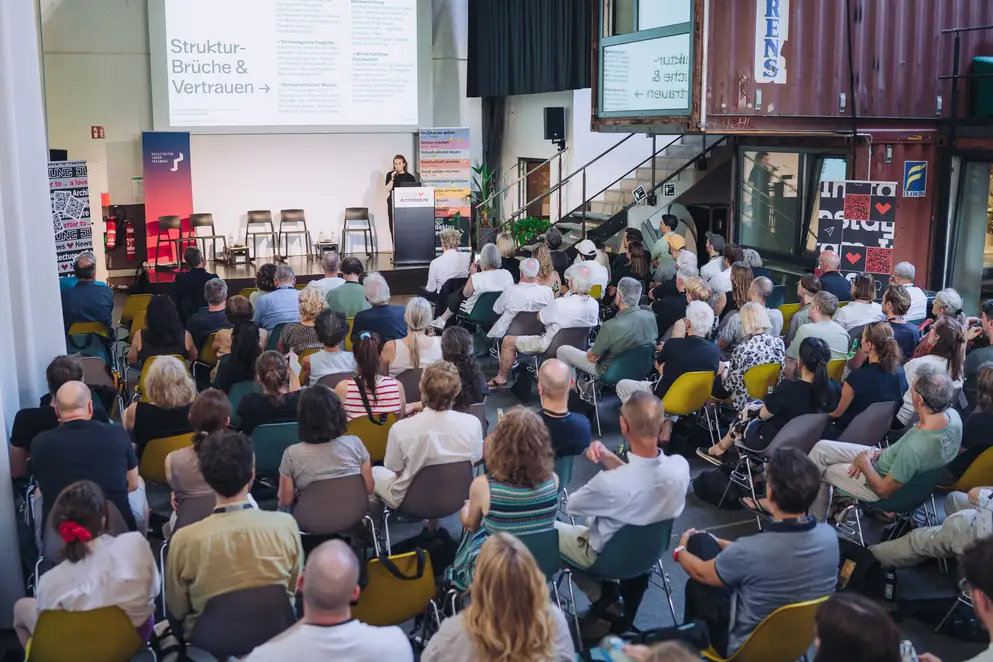
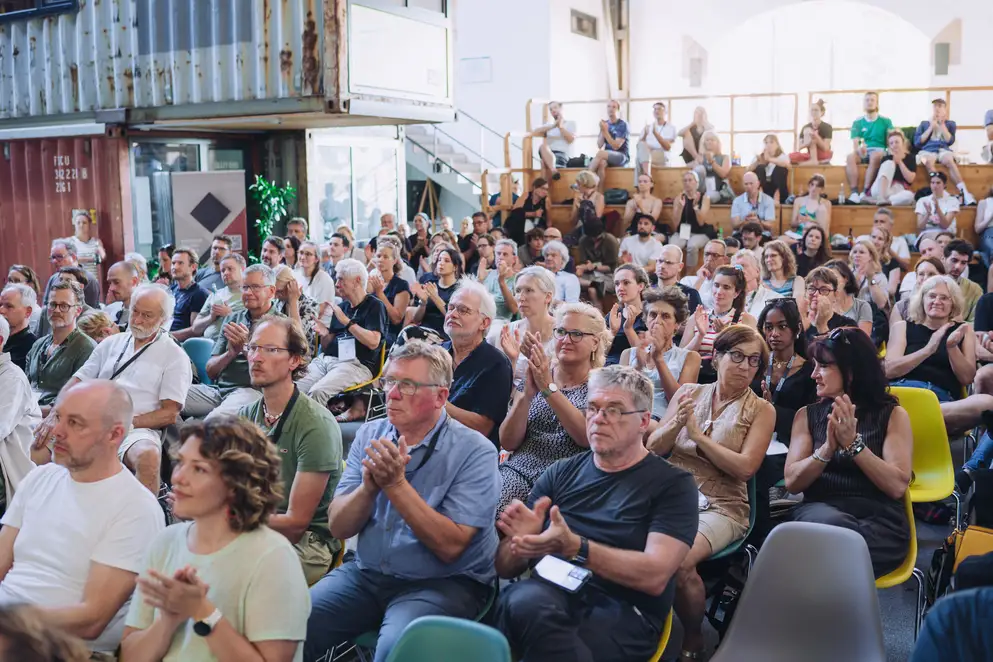
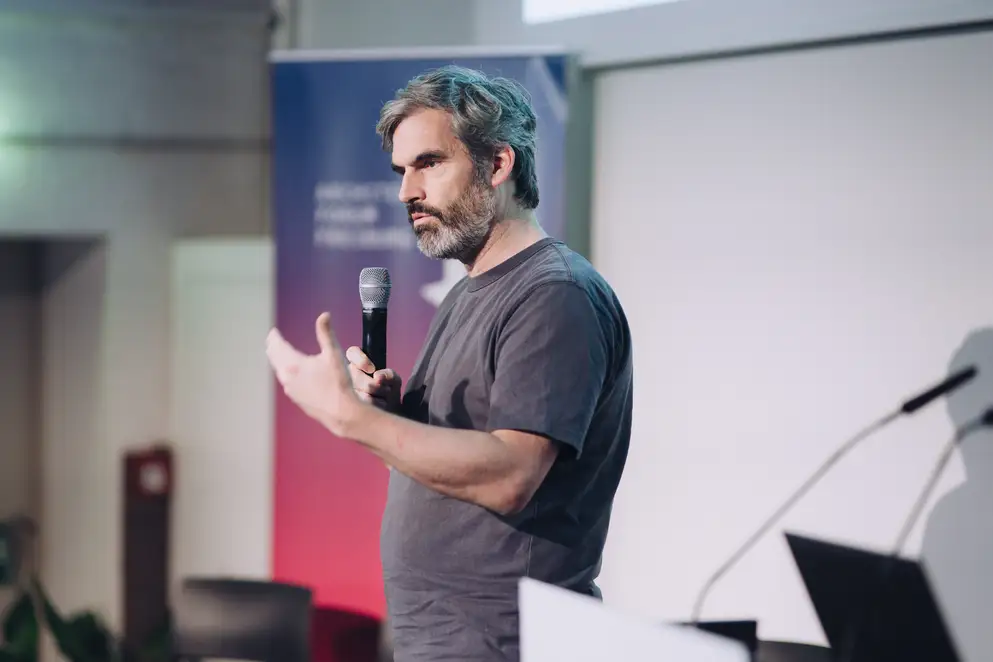
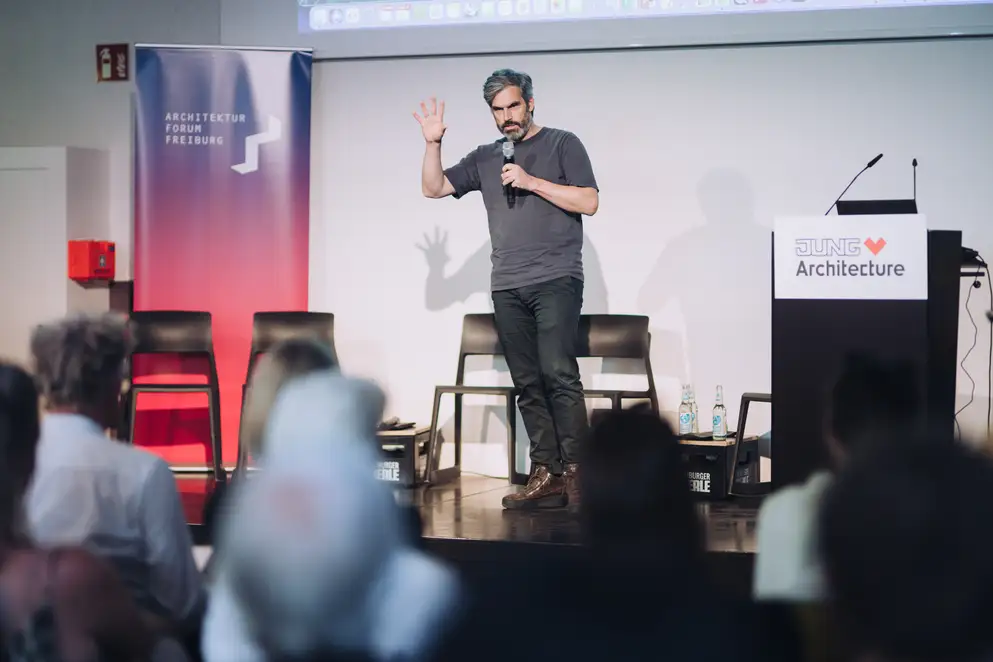
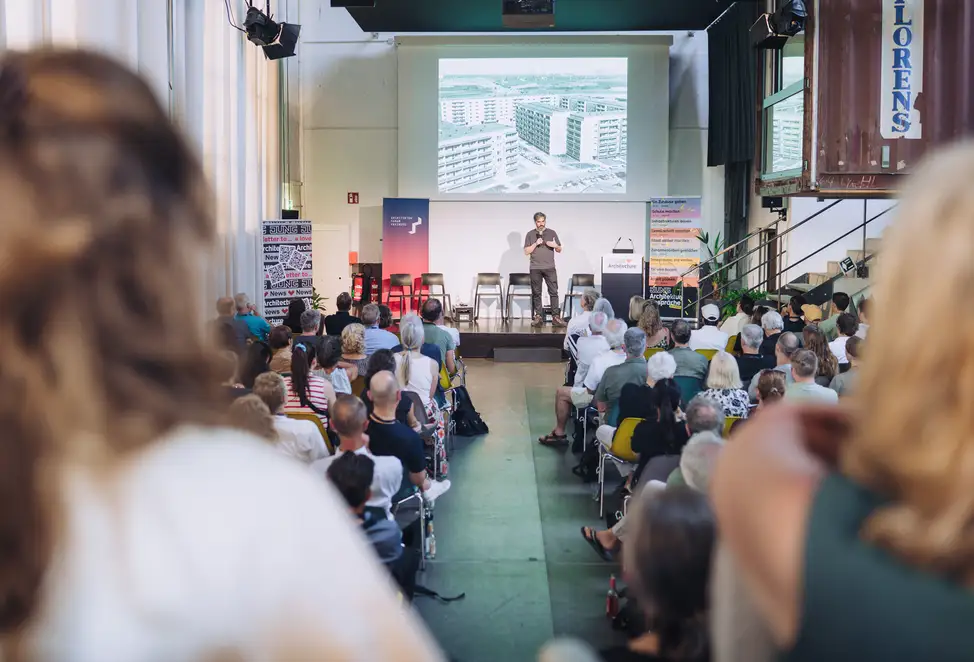
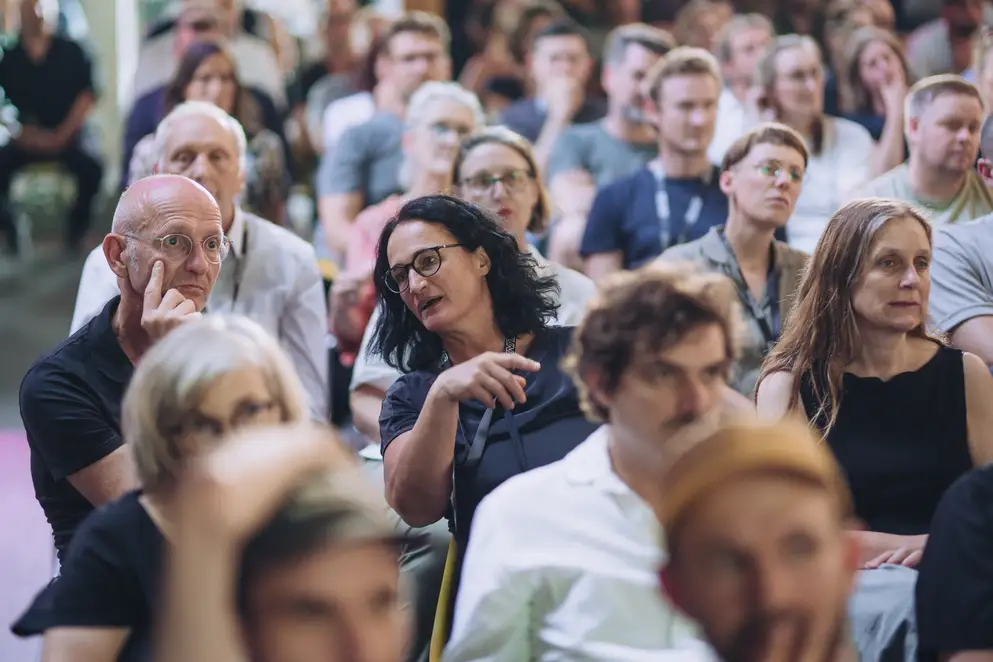
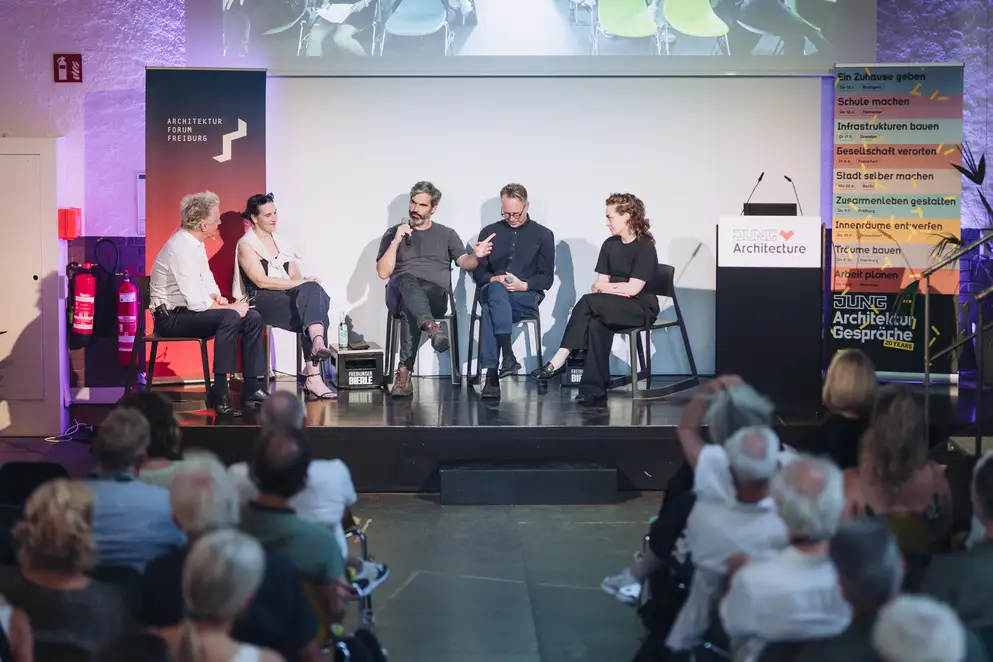
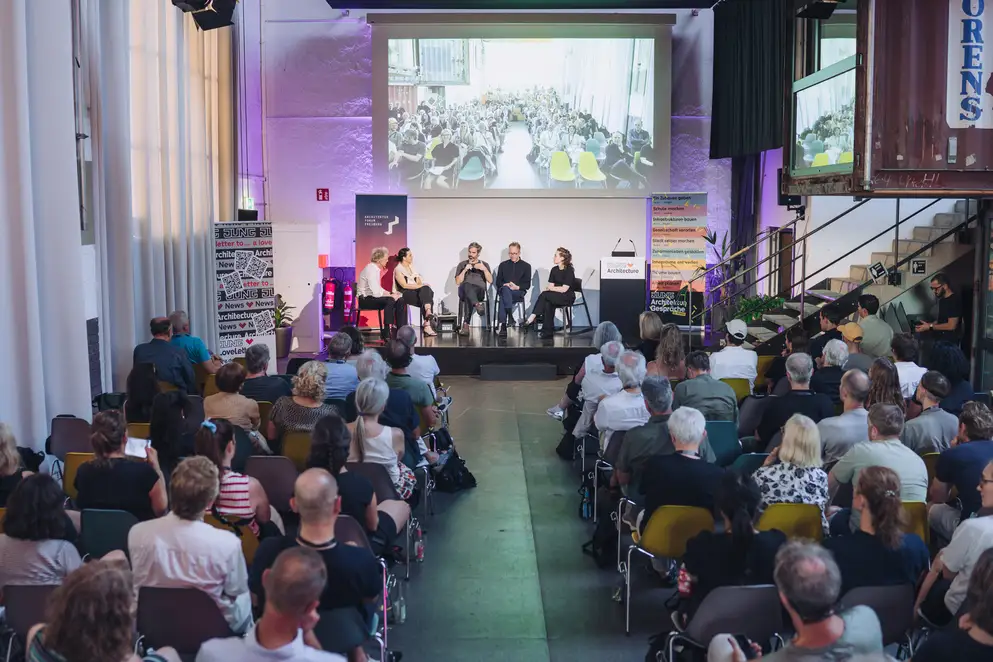
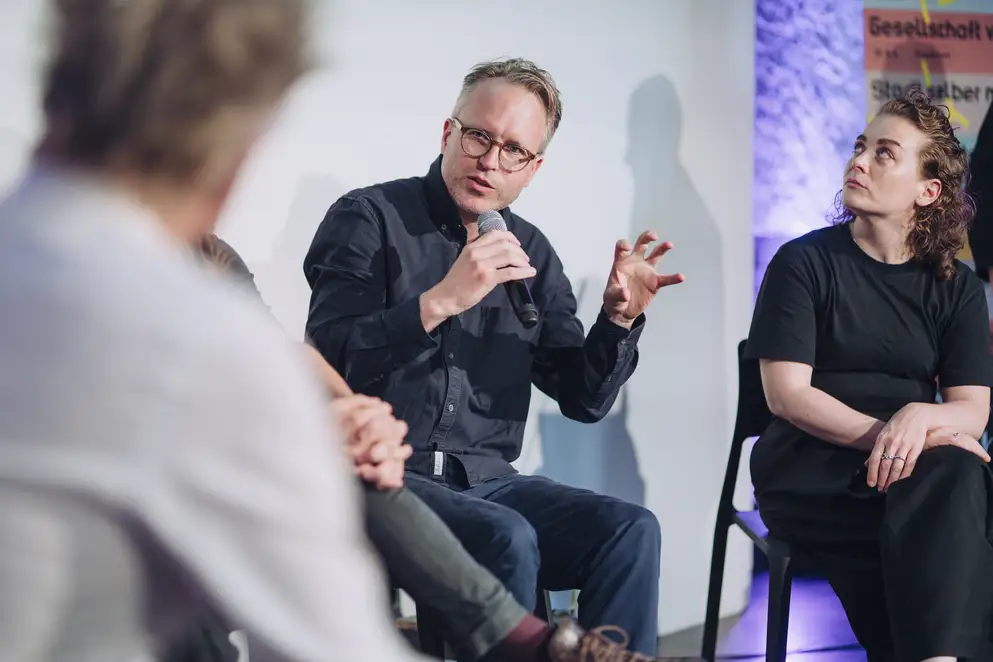
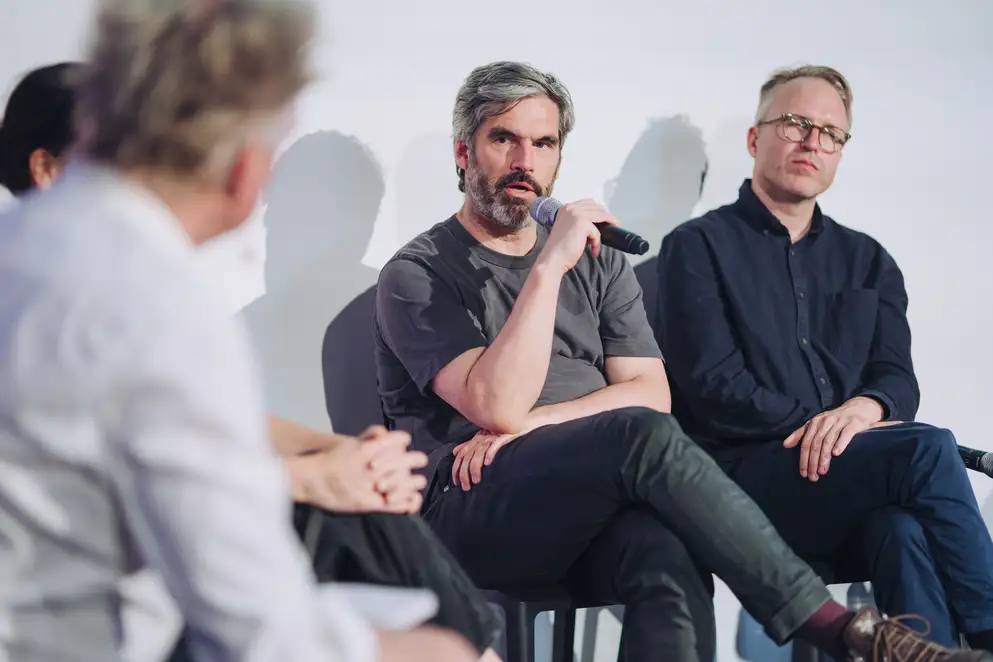
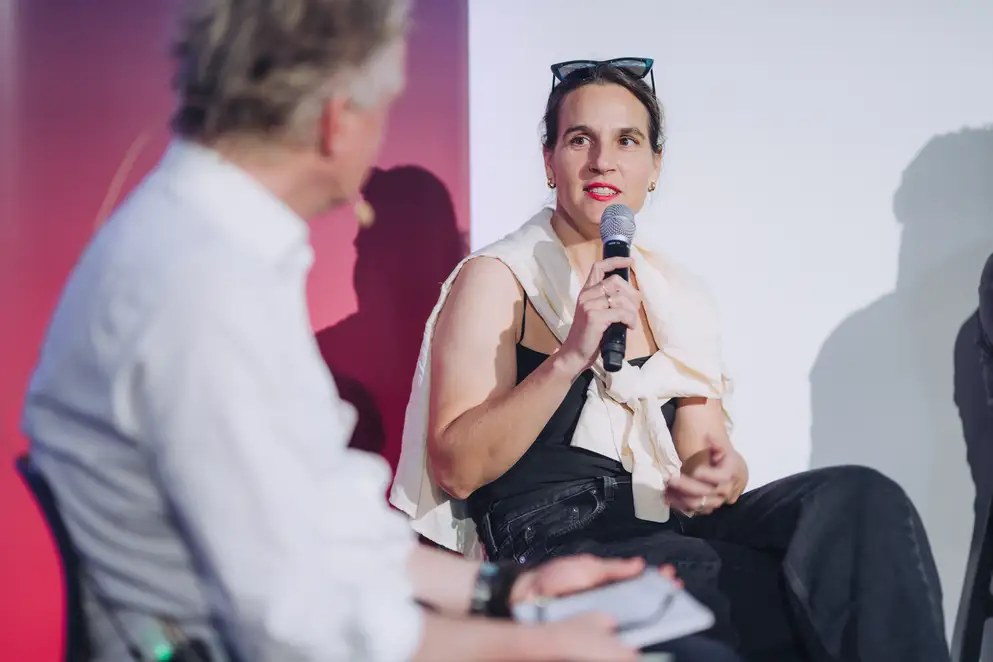
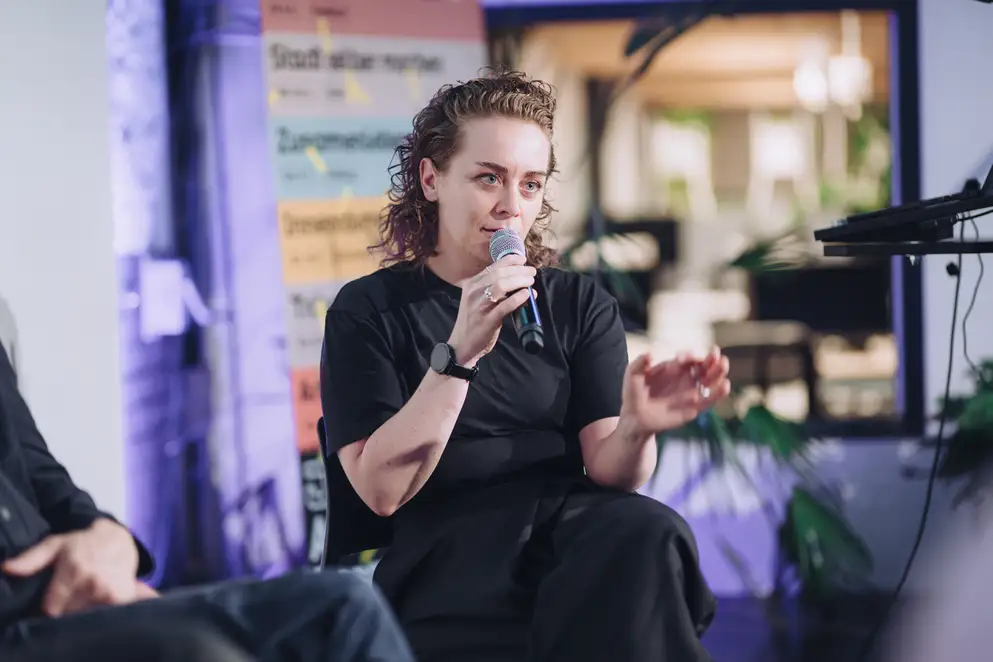
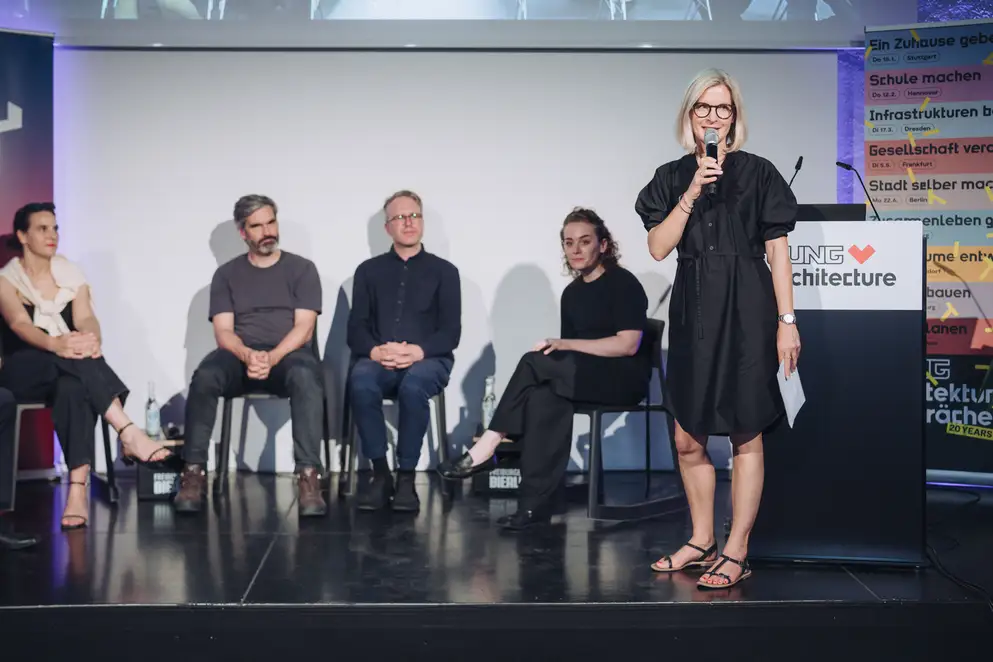
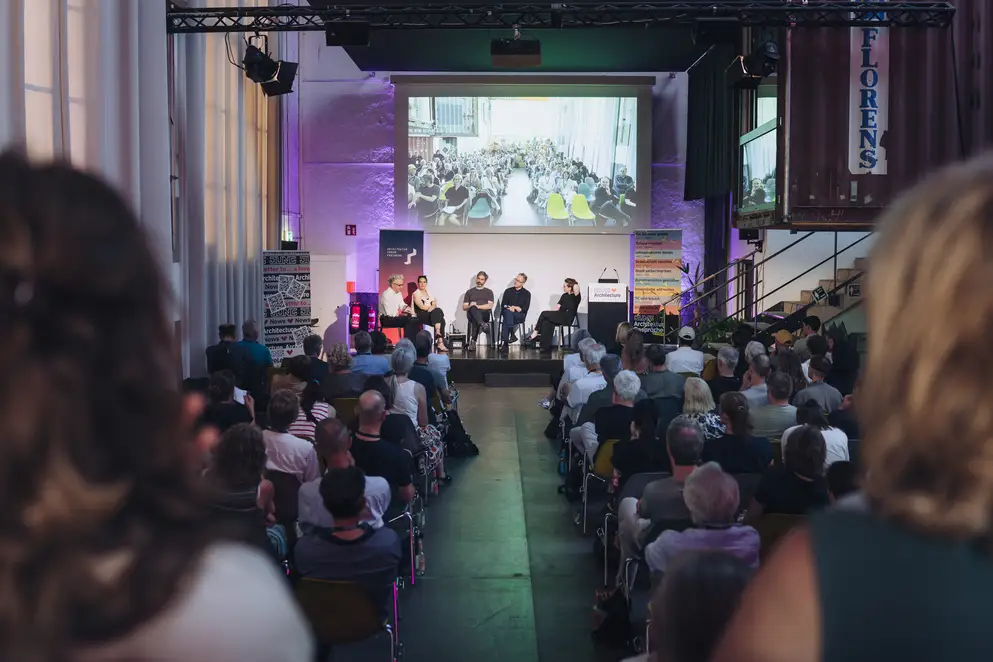
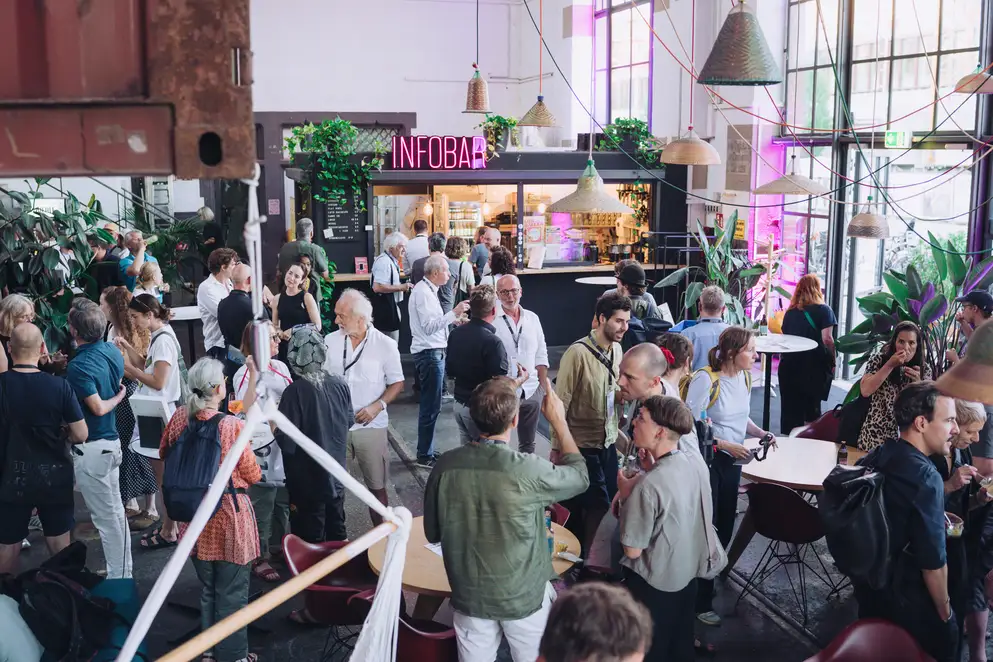
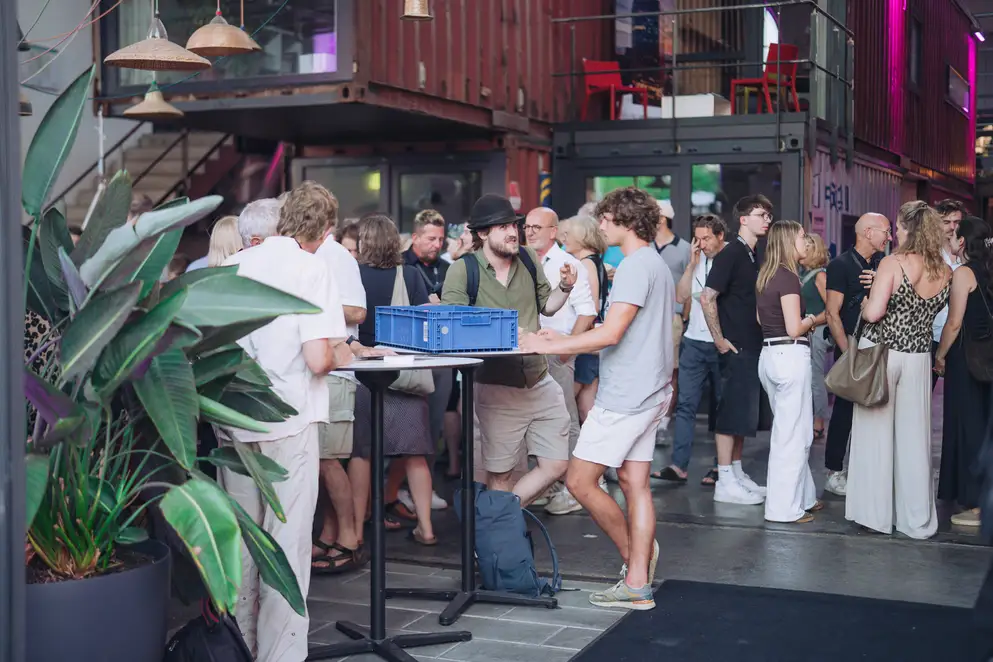
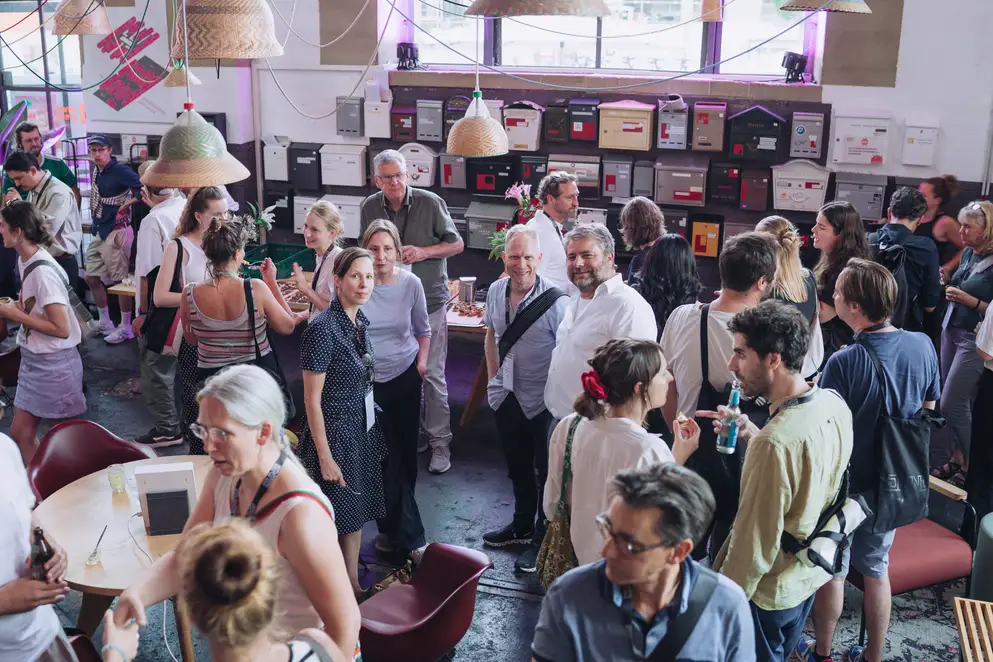
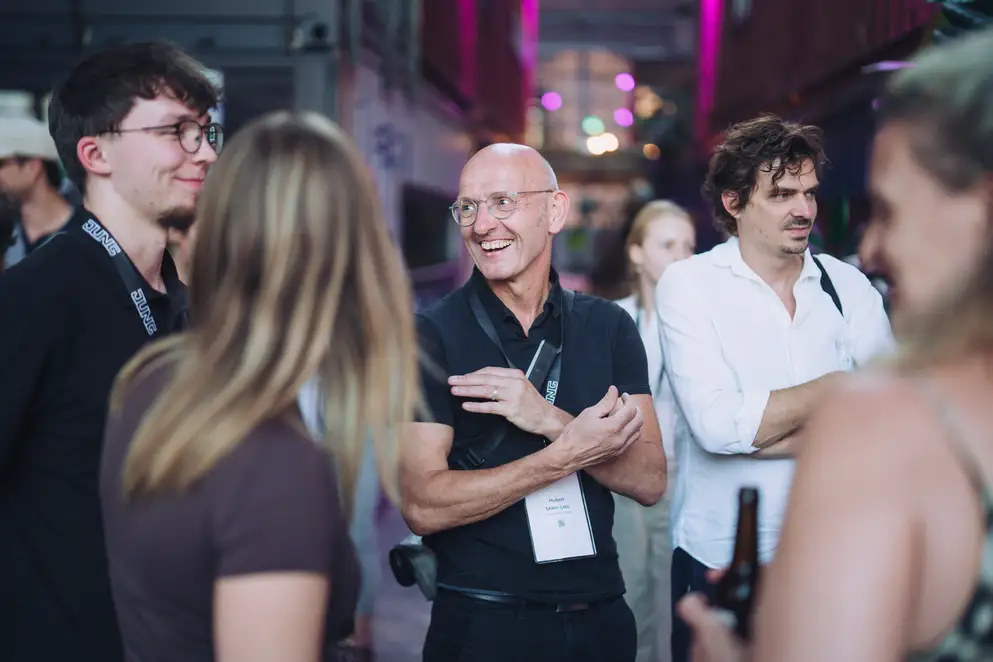
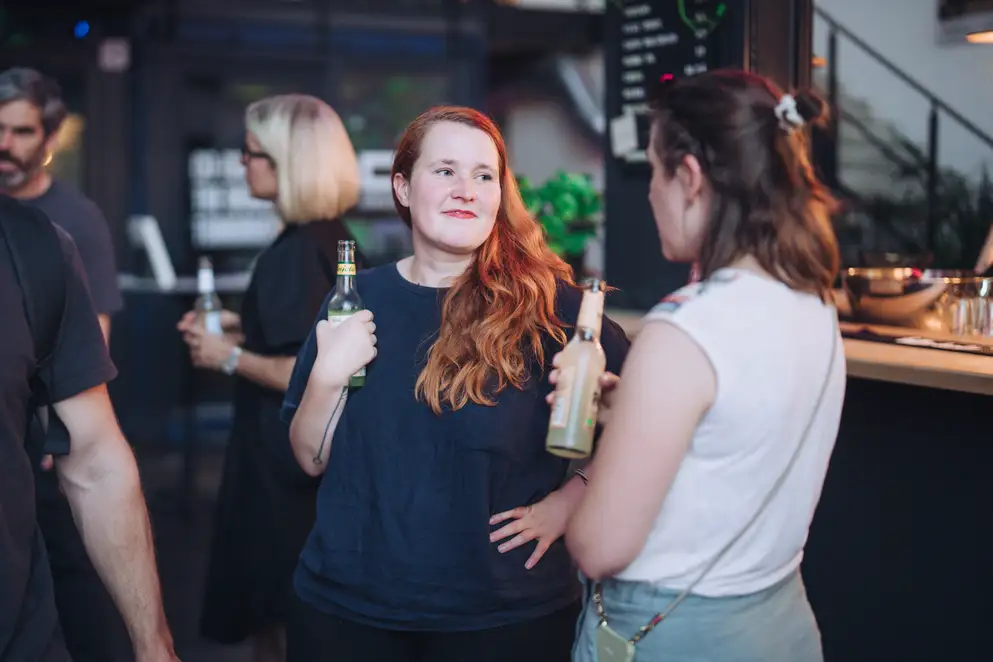
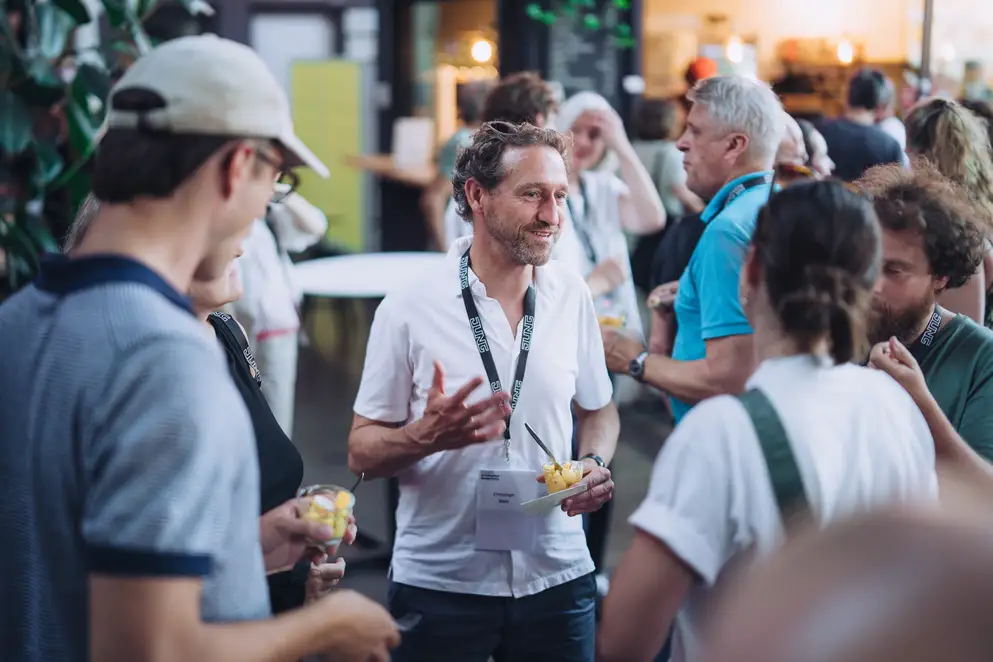
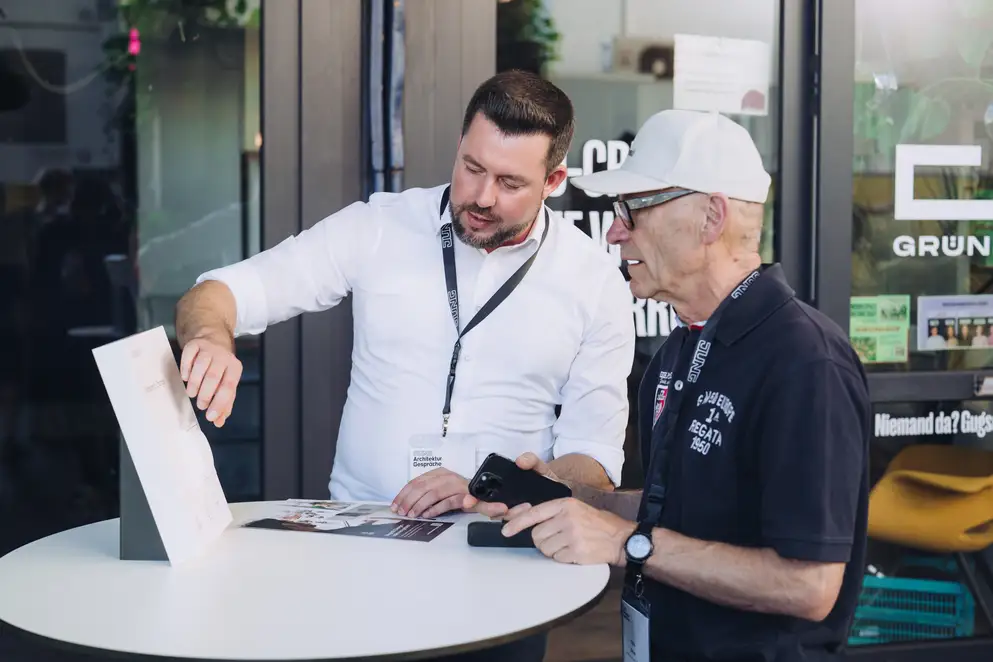
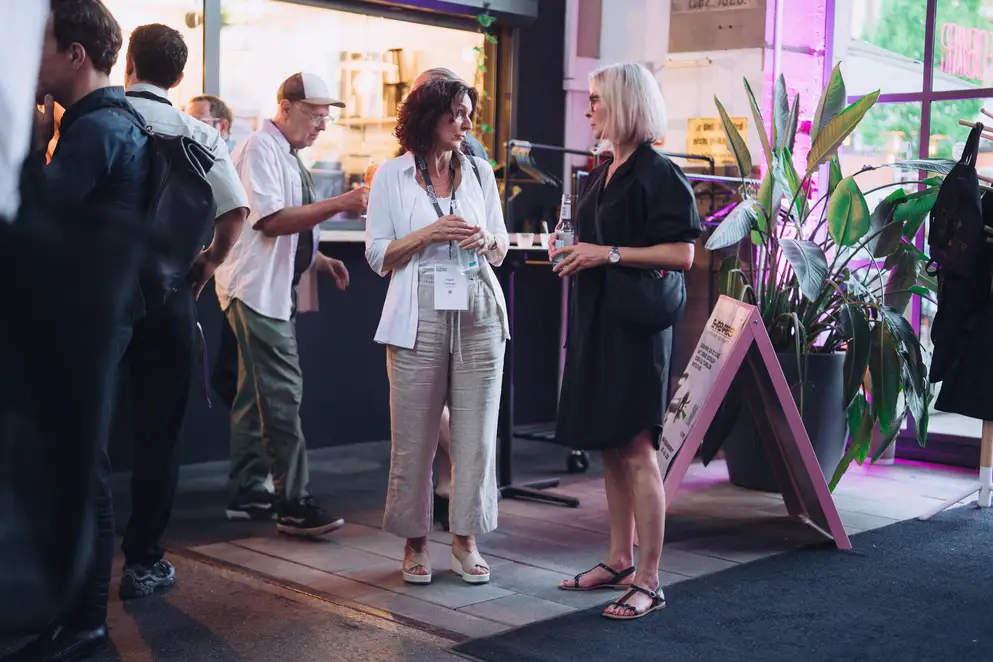
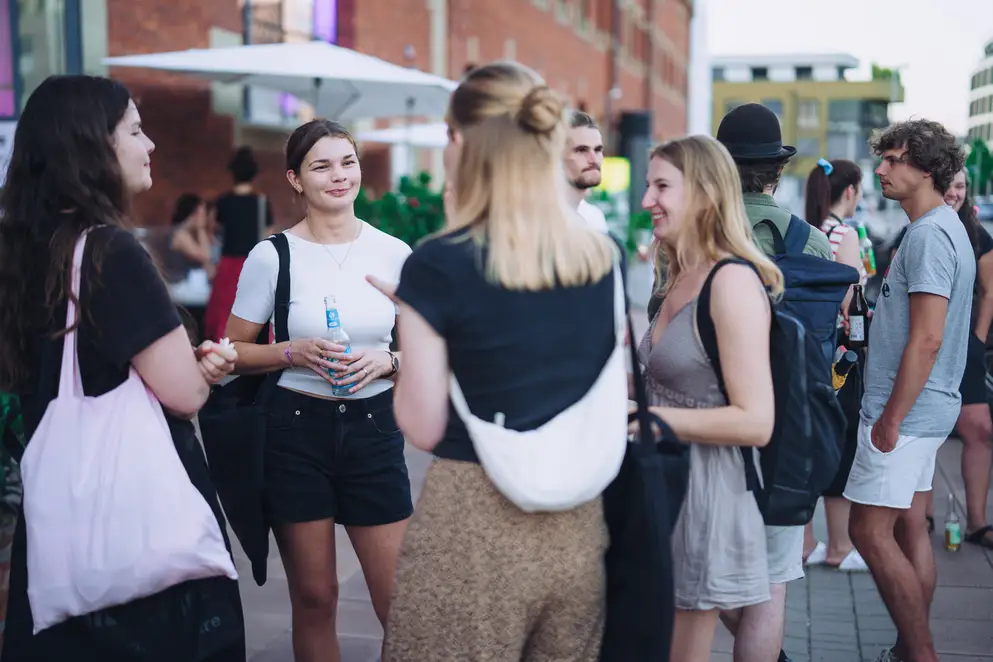
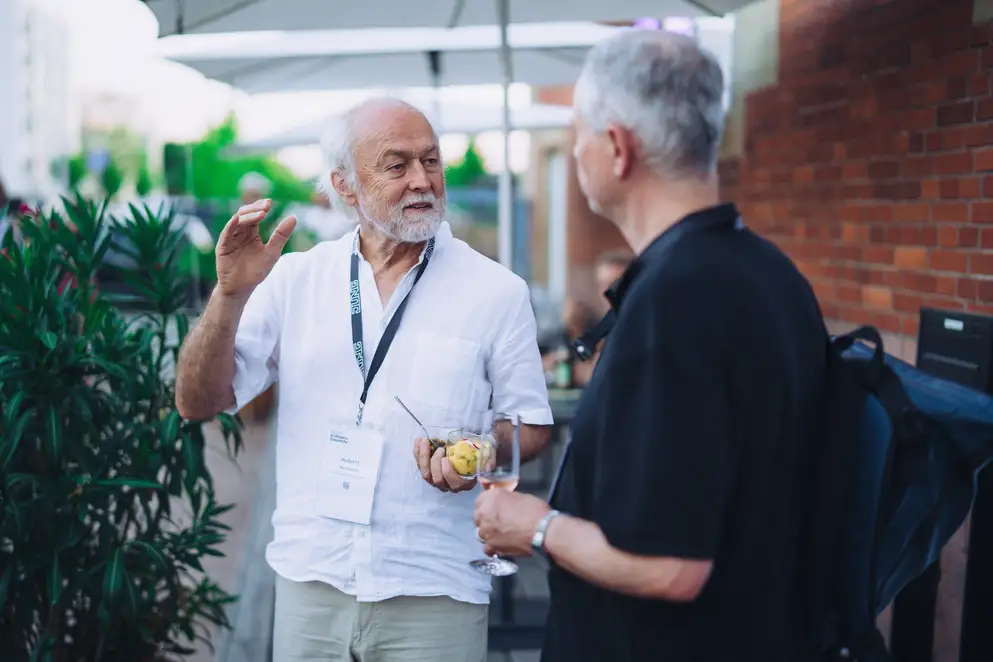
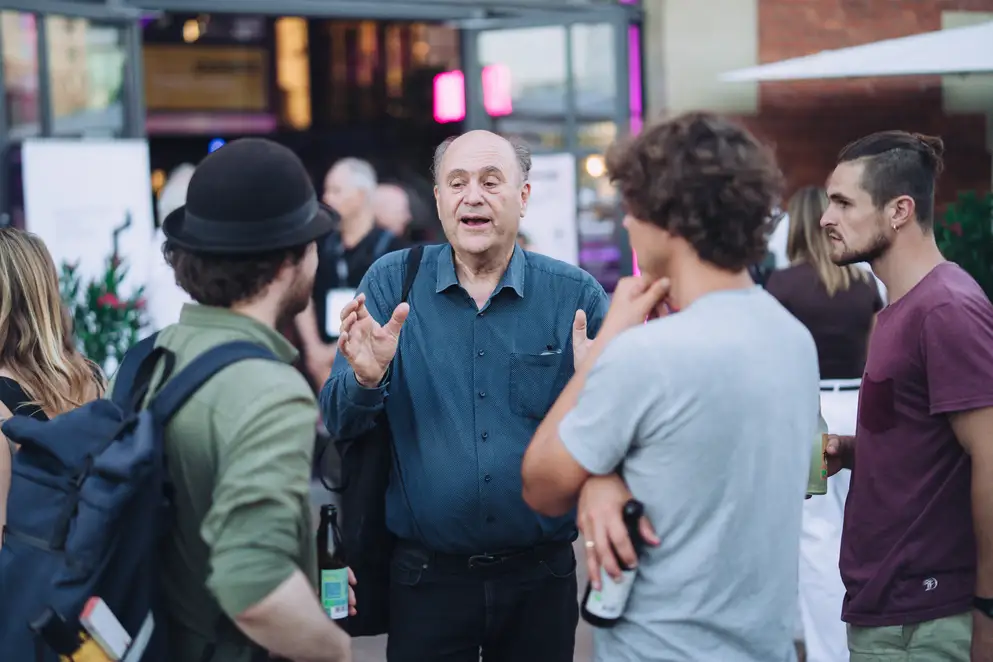
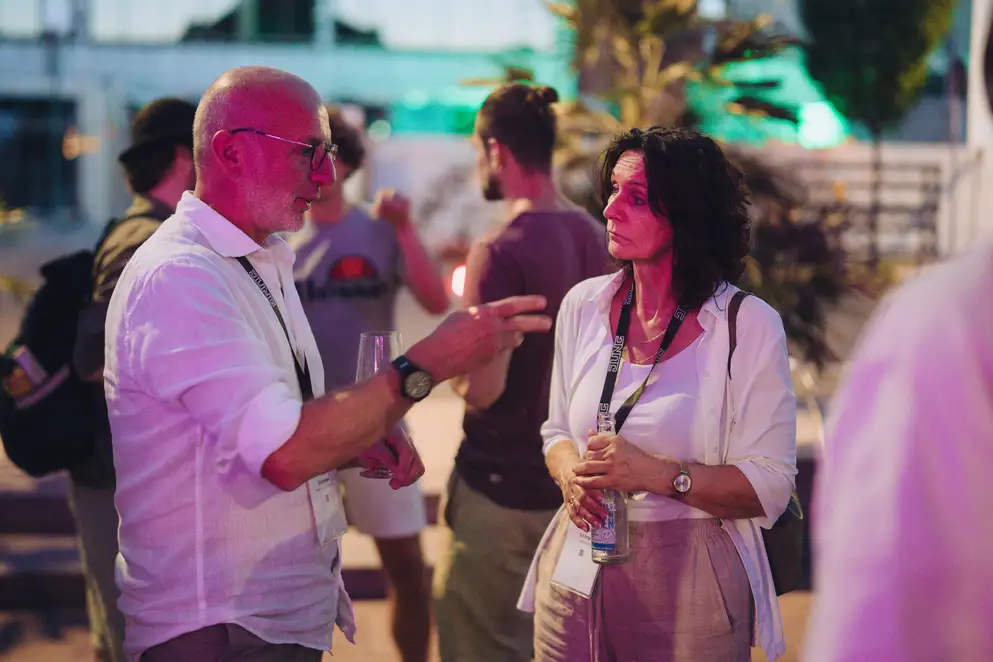
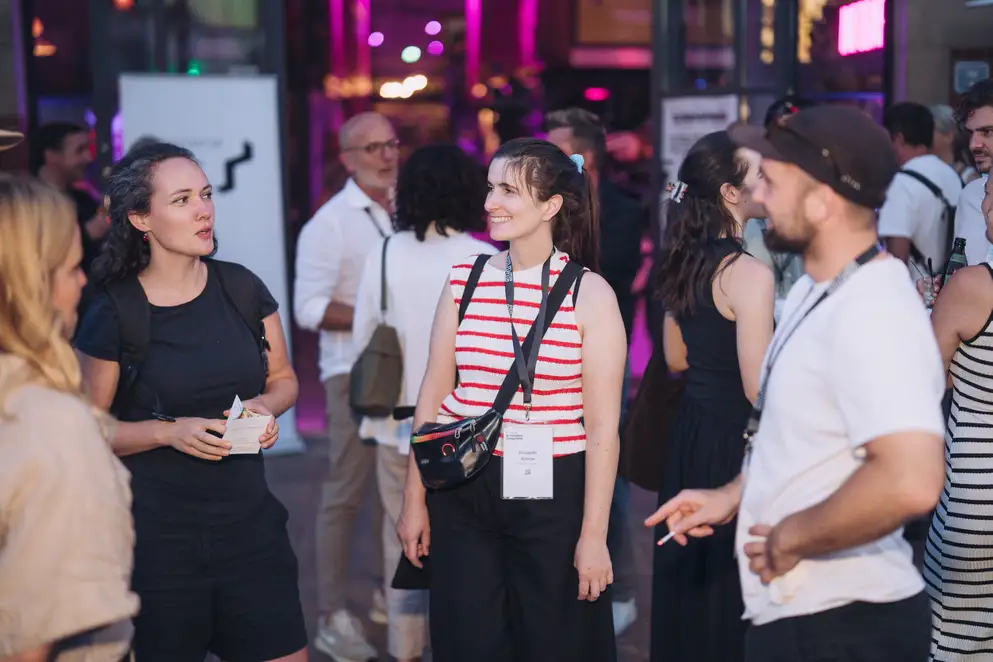
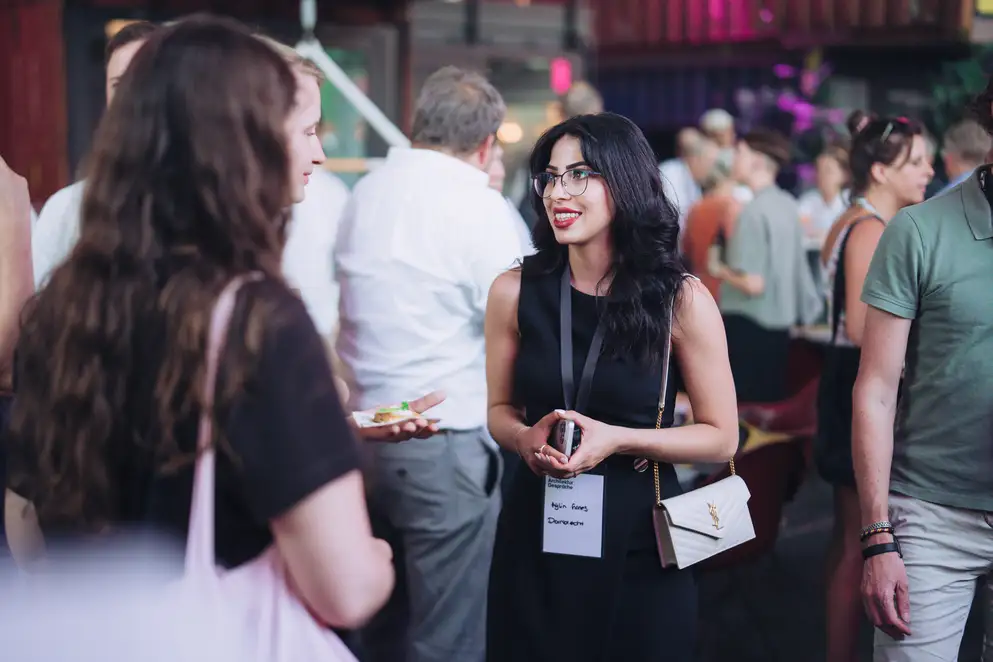
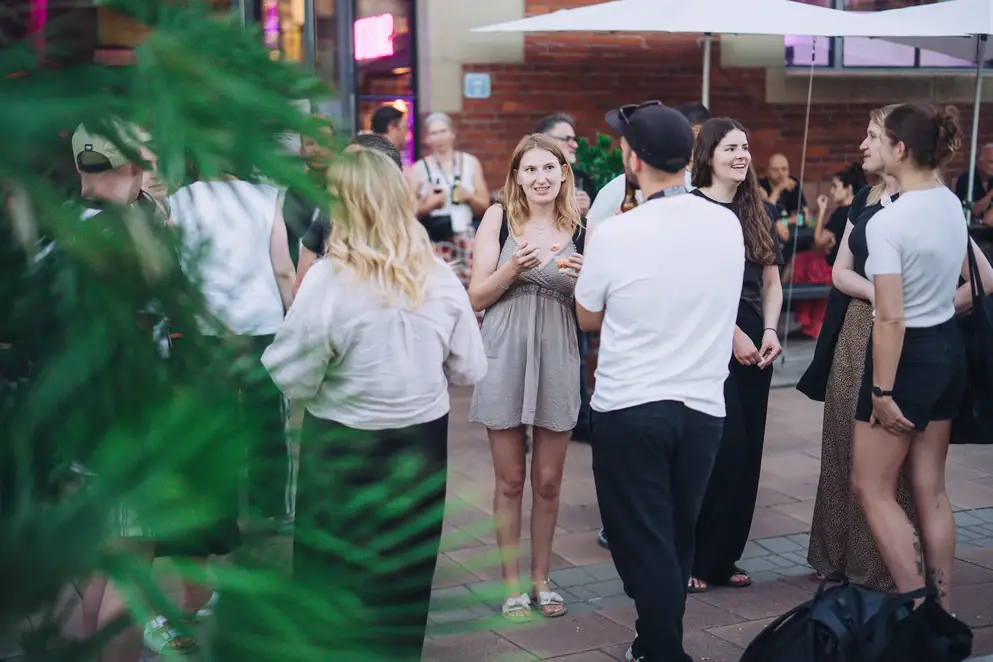
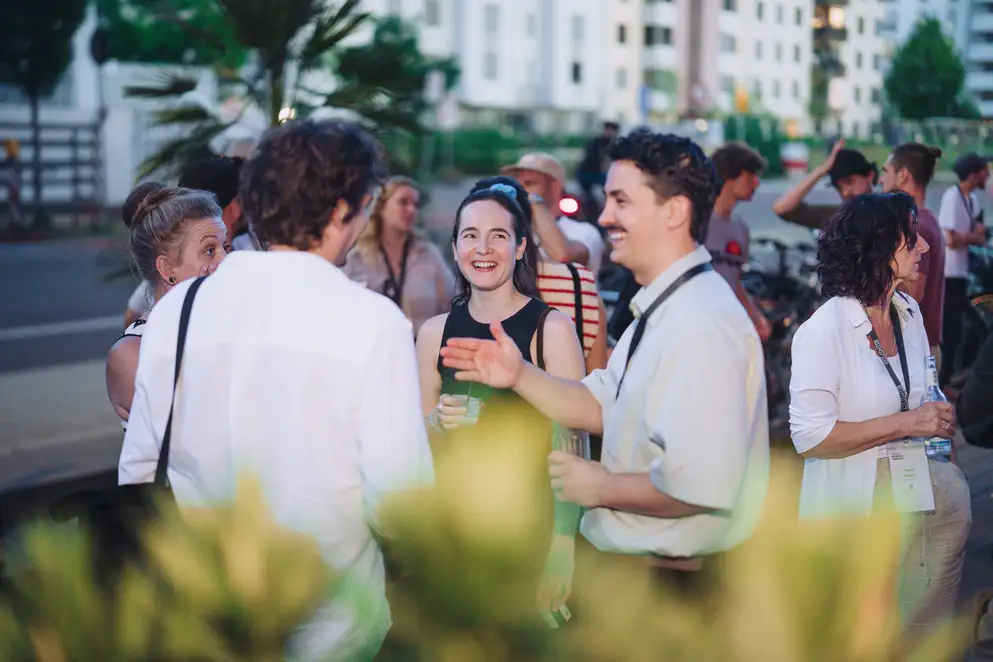
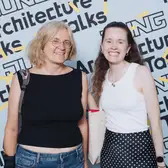
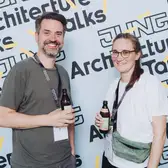
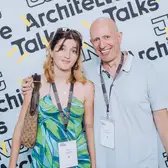
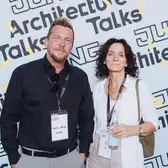
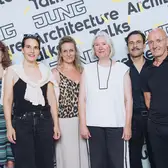
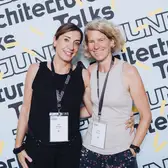
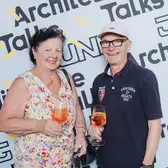
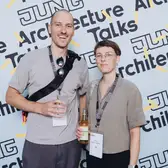
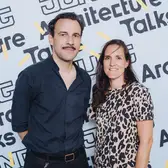
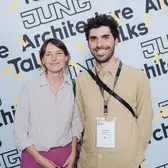
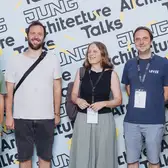
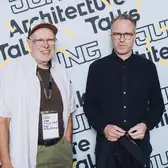
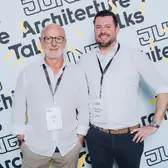
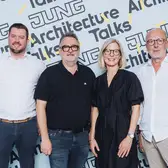
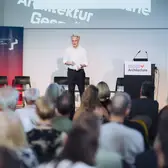
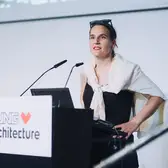
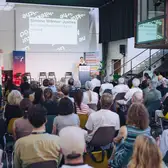
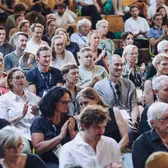
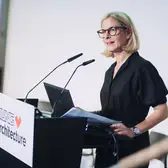
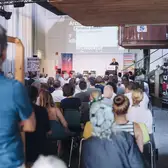
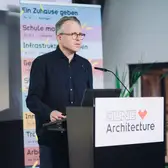
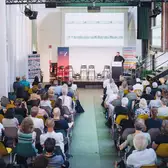
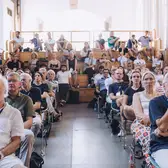
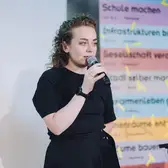
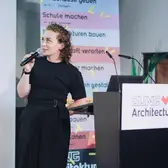
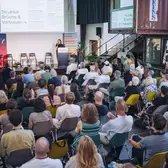
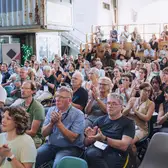
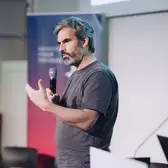
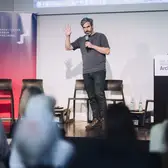
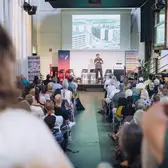
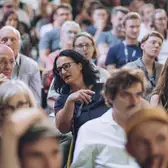
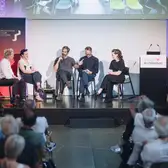
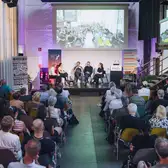
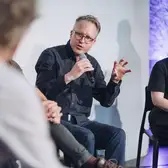
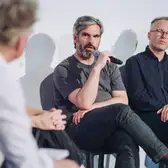
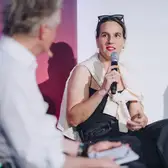
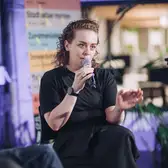
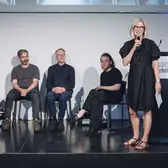
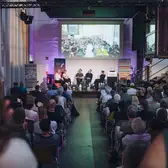
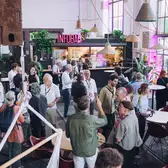
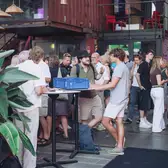
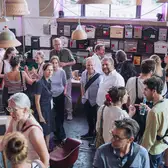
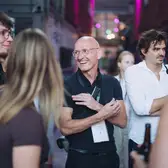
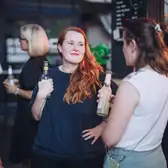
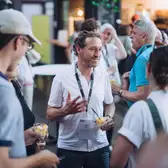
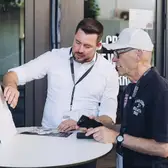
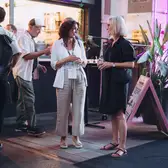
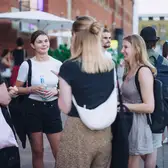
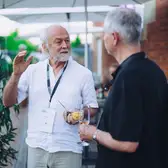
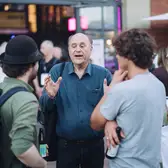
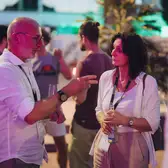
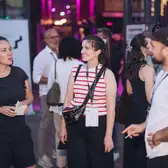
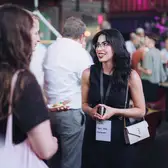
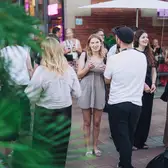
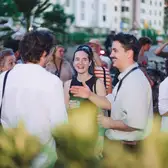
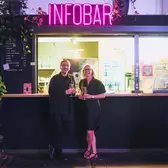


Photography: Tim Dornaus
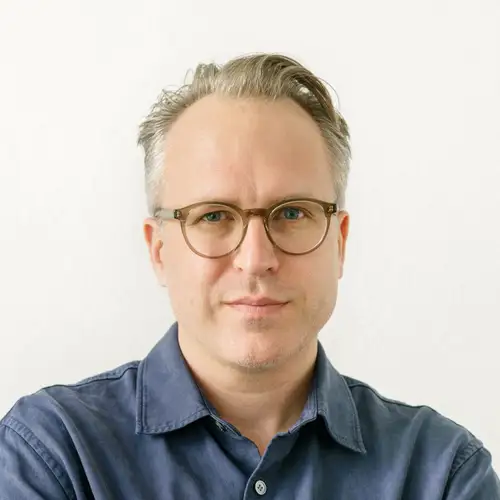
SEBASTIAN KOFINK
BUERO KOFINK SCHELS, MUNICH
Sebastian Kofink, born in 1984, completed an apprenticeship as a carpenter before studying architecture and interior architecture. From 2012 to 2014, he taught at the Chair of Design and Composition, and from 2015 to 2021 a research associate at the Chair of Design and Construction – both at the Technical University of Munich. In 2014, he founded Buero Kofink Schels. In 2018, he was appointed to the BDA; since 2022, he has been a member of the AKJAA (Work Group of Young Architects within the BDA). He was a visiting professor at the Technical University of Munich and in 2025 was appointed Professor of Material and Construction at Nuremberg Institute of Technology.
“Questioning common standards and conventional working methods is always part of our practice. We are interested in how we can use structural requirements, economic and ecological constraints, as well as societal challenges, to develop appropriate solutions from this supposed corset in the spirit of a ‘poetic pragmatism’. We see the greatest potential in the robustness of architecture. The resilience of space, material and construction appears to us as the truly sustainable and forward-looking quality.”
www.kofinkschels.de
Image: © Sebastian Schels
“Questioning common standards and conventional working methods is always part of our practice. We are interested in how we can use structural requirements, economic and ecological constraints, as well as societal challenges, to develop appropriate solutions from this supposed corset in the spirit of a ‘poetic pragmatism’. We see the greatest potential in the robustness of architecture. The resilience of space, material and construction appears to us as the truly sustainable and forward-looking quality.”
www.kofinkschels.de
Image: © Sebastian Schels
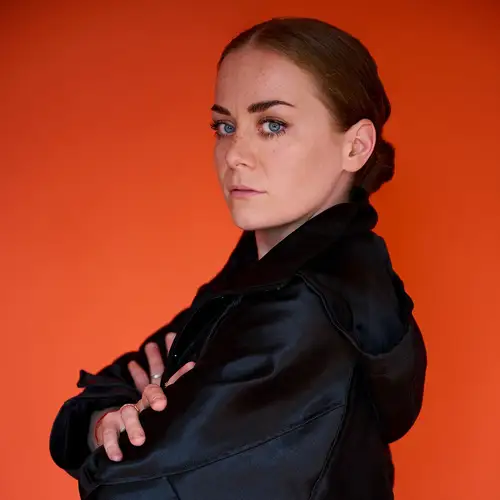
ANGELIKA HINTERBRANDNER
ARCHITECTURE – POLITICS – COMMUNICATION, BERLIN
Angelika Hinterbrandner works at the intersection of architecture, politics and strategic communication. She understands the built environment as a key interface of societal transformation processes. She currently serves as Policy Lead Building & Housing of the Bauwende-Allianz at ProjectTogether and works on affordable housing within planetary boundaries. Previously, she served as head of the parliamentary office and policy advisor to Kassem Taher Saleh, spokesperson for Building and Housing of the Bündnis 90/Die Grünen parliamentary group. Since 2019, she has been co-editor of kntxtr. Earlier positions took her to the Department of Architecture at ETH Zurich as well as to ARCH+ and Brandlhuber+.
“Angelika Hinterbrandner understands architecture and the built environment as central interfaces of societal transformation. In her work, she develops strategies to advance the building transition as a socio-ecological transformation. By connecting research, politics and practice, she contributes to ensuring that architecture is not only built but also thought – as a tool for a more just and sustainable future.”
www.ahinterbrandner.com
Image: © Oliver Magda
“Angelika Hinterbrandner understands architecture and the built environment as central interfaces of societal transformation. In her work, she develops strategies to advance the building transition as a socio-ecological transformation. By connecting research, politics and practice, she contributes to ensuring that architecture is not only built but also thought – as a tool for a more just and sustainable future.”
www.ahinterbrandner.com
Image: © Oliver Magda
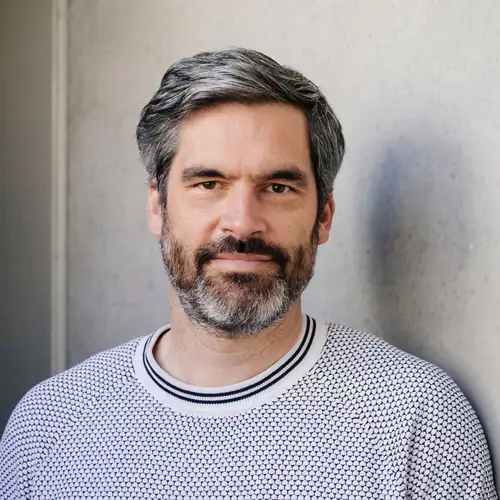
MARC FROHN
FAR FROHN&ROJAS, BERLIN/SANTIAGO DE CHILE
Marc Frohn and Mario Rojas founded the office FAR frohn&rojas, which operates in a networked manner between Berlin and Santiago de Chile, in 2005. Marc Frohn studied at RWTH Aachen University, Università degli Studi Federico II in Naples, the University of Houston and Rice University in Houston. Alongside his architectural practice, he is also active in teaching and research: initially as a research associate at RWTH Aachen University, as a visiting professor at SCI-Arc in Los Angeles and at the Royal College of Art in London, and since 2014 as Professor at the Karlsruhe Institute of Technology (KIT).
“As an office operating between two continents, we act in both worlds simultaneously as insiders, embedded in the local conditions of production, and as outsiders with an unprejudiced and distanced view of realities. This stereoscopic perspective strengthens our interest in the creative potential of the ‘deep structures’ of architecture: legal and financial constraints, the desires projected onto architecture, power structures, as well as the technological, ecological, material and institutional frameworks that shape the built environment.”
www.f-a-r.net
Image: © FAR frohn&roja
“As an office operating between two continents, we act in both worlds simultaneously as insiders, embedded in the local conditions of production, and as outsiders with an unprejudiced and distanced view of realities. This stereoscopic perspective strengthens our interest in the creative potential of the ‘deep structures’ of architecture: legal and financial constraints, the desires projected onto architecture, power structures, as well as the technological, ecological, material and institutional frameworks that shape the built environment.”
www.f-a-r.net
Image: © FAR frohn&roja
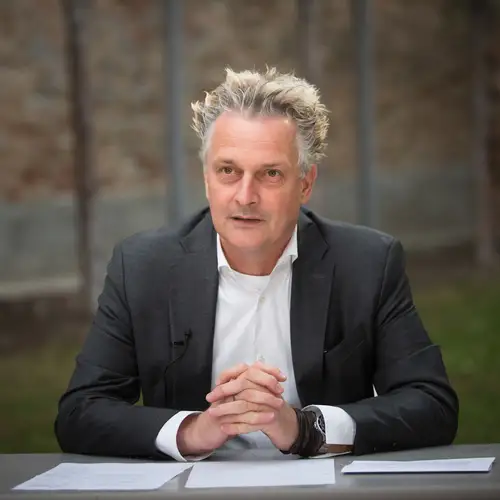
MODERATION
The event was moderated by Boris Schade-Bünsow, editor-in-chief of the architecture journal Bauwelt.
Bauwelt is a forum for analyses and commentaries on issues relating to architecture and urban planning. It is an opinion-led publication that derives its relevance from the discussion, evaluation and contextualisation of current topics in architecture, urban development and building policy.
www.bauwelt.de
Image: © Jasmin Schuller
Bauwelt is a forum for analyses and commentaries on issues relating to architecture and urban planning. It is an opinion-led publication that derives its relevance from the discussion, evaluation and contextualisation of current topics in architecture, urban development and building policy.
www.bauwelt.de
Image: © Jasmin Schuller