SEOUL, 21 November 2025
COEXISTENCE OF AI-BASED AND NON-AI-BASED ARCHITECTURAL ENVIRONMENTS |
with Beta Realities, Snohetta, Lava, Wecommunity, T`order Stay und Samsung Electronics
with Beta Realities, Snohetta, Lava, Wecommunity, T`order Stay und Samsung Electronics
Under the title Coexistence of AI-based and non-AI-based architectural environments, the JUNG Architecture Talks took place for the fifth time in Seoul on 21 November 2025.
Artificial intelligence is changing the way we think, design, and build – enabling data-driven insights, intelligent systems, and adaptive spaces. At the same time, however, architecture remains deeply human: it is based on intuition, material experience and cultural meaning.
So how can these two worlds coexist?
How can technology amplify creativity without replacing it?
How can human values guide the development of intelligent environments?
These and many other questions were discussed together with our guests, offering inspiring insights into the creative power of colour as well as into architectural attitude, perception and impact.
The evening was moderated by Dijane Slavic and Daniel Lee.
Artificial intelligence is changing the way we think, design, and build – enabling data-driven insights, intelligent systems, and adaptive spaces. At the same time, however, architecture remains deeply human: it is based on intuition, material experience and cultural meaning.
So how can these two worlds coexist?
How can technology amplify creativity without replacing it?
How can human values guide the development of intelligent environments?
These and many other questions were discussed together with our guests, offering inspiring insights into the creative power of colour as well as into architectural attitude, perception and impact.
The evening was moderated by Dijane Slavic and Daniel Lee.
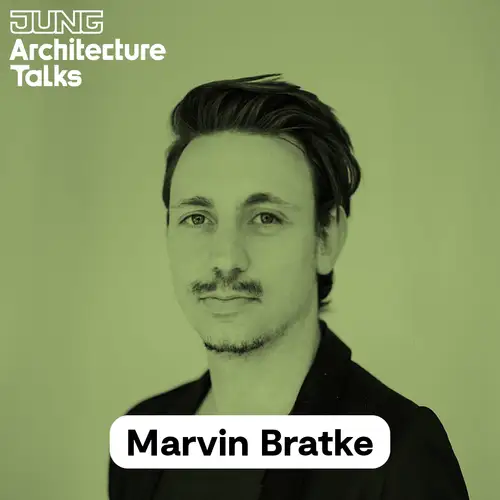
MARVIN BRATKE
Marvin Bratke is a German architect and entrepreneur. He is managing partner of the architecture and design studio Beta Realities and founder of the building technology company Urban Beta / BetaPort Systems.
In his studio, Marvin works on participatory methods to create inclusive, unconventional and transformative spaces through forward-looking planning. Beta Realities works on new ways of social inclusion, as well as participatory approaches to co-design, both virtual and physical. The studio's goal is to democratize technology for architecture and design with a strong focus on positive social and environmental footprints.
www.betarealities.com
www.betarealities.com
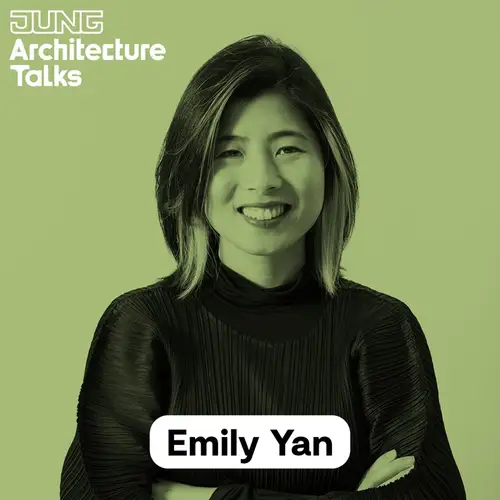
EMILY YAN
Emily Yan is the Director of Snøhetta's Hong Kong Studio (Asia Region) and is focused on expanding the company's presence in Asia. Since joining in 2018, Emily has been instrumental in building the studios and consolidating Snøhetta's position in the Asian market.
In addition to her work as a designer, Emily is also actively involved in architecture and design education. She has lectured at various educational institutions and design festivals, including Yonsei University, the Seoul Biennale of Architecture and Urbanism 2023, Design Shenzhen 2023, and others. She occasionally works as a guest critic at the University of Hong Kong. As a dedicated member of the Women's Foundation, Emily is committed to diversity, equity, and inclusion, and promotes initiatives to empower women's leadership.
www.snohetta.com
In addition to her work as a designer, Emily is also actively involved in architecture and design education. She has lectured at various educational institutions and design festivals, including Yonsei University, the Seoul Biennale of Architecture and Urbanism 2023, Design Shenzhen 2023, and others. She occasionally works as a guest critic at the University of Hong Kong. As a dedicated member of the Women's Foundation, Emily is committed to diversity, equity, and inclusion, and promotes initiatives to empower women's leadership.
www.snohetta.com
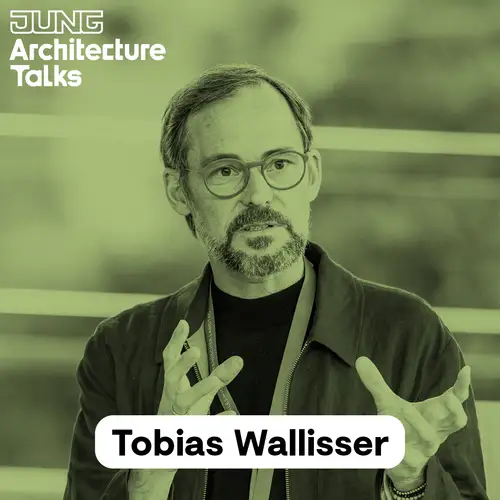
TOBIAS WALLISSER
Tobias Wallisser leads LAVA's Berlin studio, where he integrates his expertise in the interdependencies of design and construction to create holistic spaces. Using digital tools and production processes that anticipate future outcomes, he ensures the feasibility of complex designs while enhancing spatial experiences by merging technical, social, and architectural considerations. Wallisser's vision of creating architecture for the digital age transcends traditional divides to foster symbiotic relationships between the individual and the collective, nature and technology, science and imagination. He is a tenured professor of Innovative Construction and Spatial Concepts at the State Academy of Fine Arts in Stuttgart and lectures internationally. He serves on several academic and professional committees, including the Schelling Preis committee. As a former Creative Director at UNStudio, Wallisser developed novel design methodologies, notably for projects such as the Mercedes-Benz Museum and the Arnhem Interchange. He holds architecture degrees from Berlin and Stuttgart and a Master’s in Advanced Architectural Design from Columbia University.
www.l-a-v-a.com
www.l-a-v-a.com