STUTTGART, 23 January 2025
DEALING WITH EXISTING BUILDINGS | Replace, retrofit or expand?
On 23 January, we welcomed guests to the first JUNG Architecture Talks of the year in Stuttgart. This was the thirteenth time that our event format had taken place in the capital of Baden-Württemberg. The evening at the Staatsgalerie was dedicated to the theme of dealing with the existing building stock. We invited three renowned German architecture firms to share their strategies for working with existing buildings: should we replace, retrofit or expand?
Among the speakers was Sven Fröhlich from the Berlin-based office AFF Architekten. With internationally acclaimed projects such as the mountain shelter at Fichtelberg, the Saxon Mining Archive in Freiberg and the listed grain testing warehouse in Berlin, AFF Architekten has repeatedly demonstrated the vast potential of working with existing structures. We also welcomed architect Aline Hielscher of Aline Hielscher Architektur from Leipzig. Her office primarily focuses on transformation projects and advocates a sustainable approach to post-war architecture from the 1950s to the 1970s. Last but not least, we were pleased to host Philipp Nehse and Patrick Gerstein of Nehse & Gerstein Architekten from Hanover. Their practice specialises in existing buildings and recently demonstrated how tradition and innovation can be combined in the renovation and extension of the JUNG founder’s villa in Schalksmühle, Sauerland.
The evening was moderated by Petra Stephan, editor-in-chief of the architecture magazine AIT.
Among the speakers was Sven Fröhlich from the Berlin-based office AFF Architekten. With internationally acclaimed projects such as the mountain shelter at Fichtelberg, the Saxon Mining Archive in Freiberg and the listed grain testing warehouse in Berlin, AFF Architekten has repeatedly demonstrated the vast potential of working with existing structures. We also welcomed architect Aline Hielscher of Aline Hielscher Architektur from Leipzig. Her office primarily focuses on transformation projects and advocates a sustainable approach to post-war architecture from the 1950s to the 1970s. Last but not least, we were pleased to host Philipp Nehse and Patrick Gerstein of Nehse & Gerstein Architekten from Hanover. Their practice specialises in existing buildings and recently demonstrated how tradition and innovation can be combined in the renovation and extension of the JUNG founder’s villa in Schalksmühle, Sauerland.
The evening was moderated by Petra Stephan, editor-in-chief of the architecture magazine AIT.
Impressions
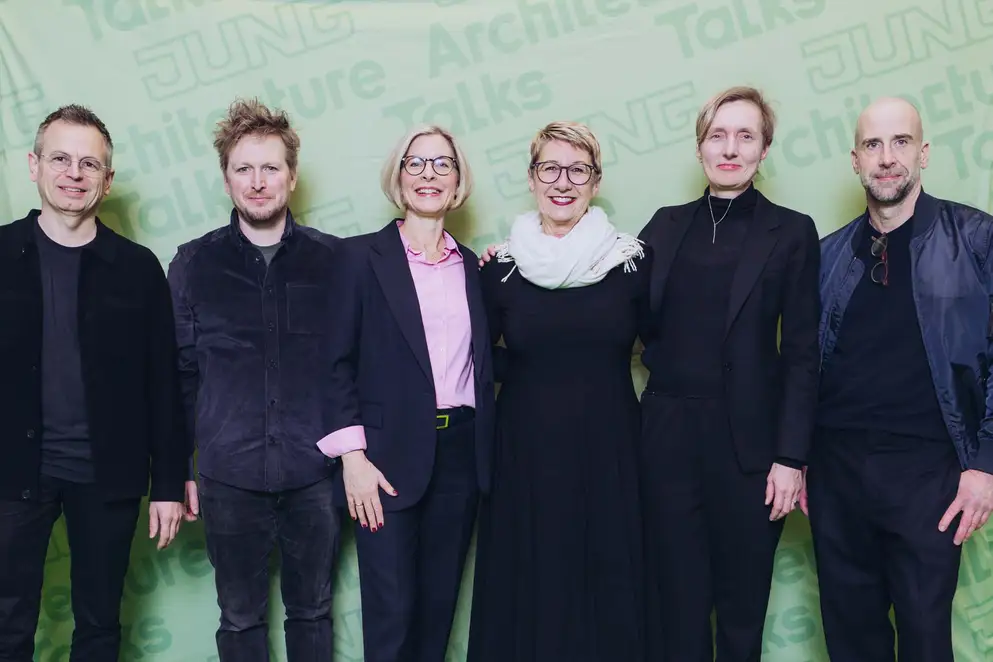
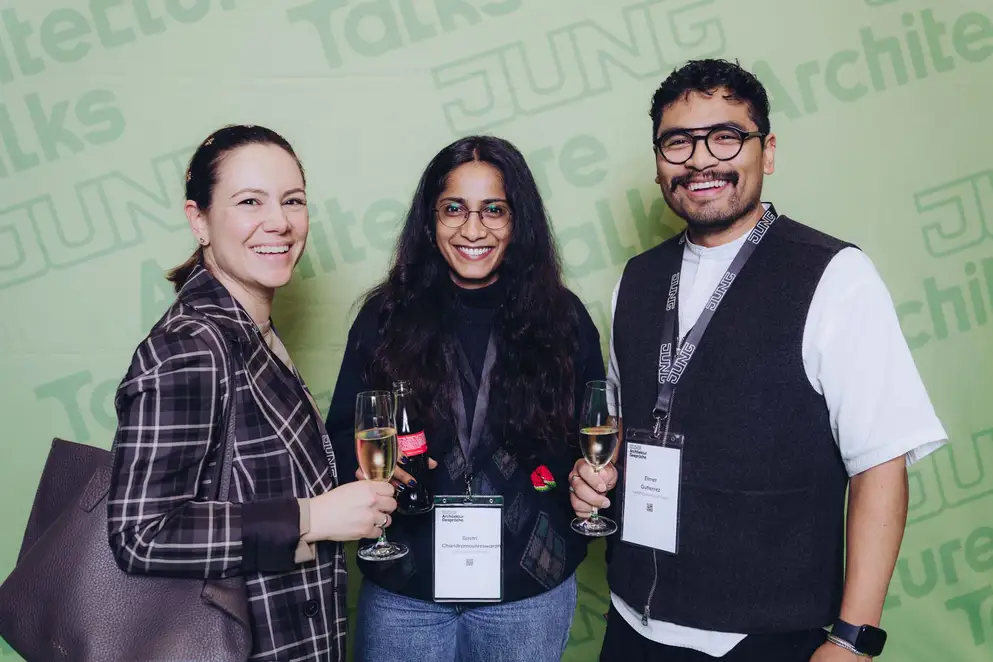
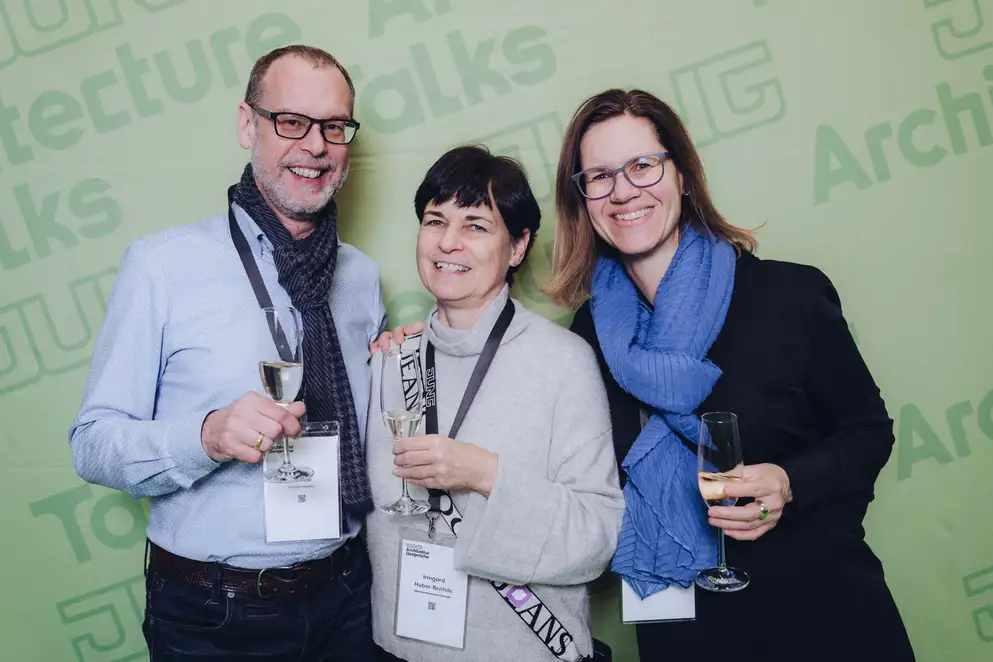
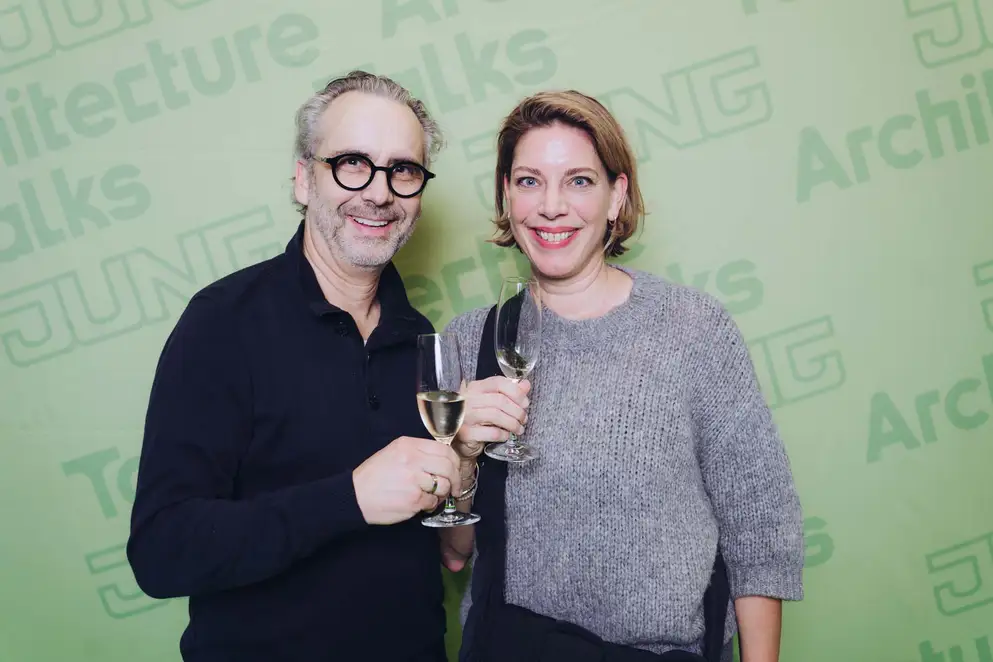
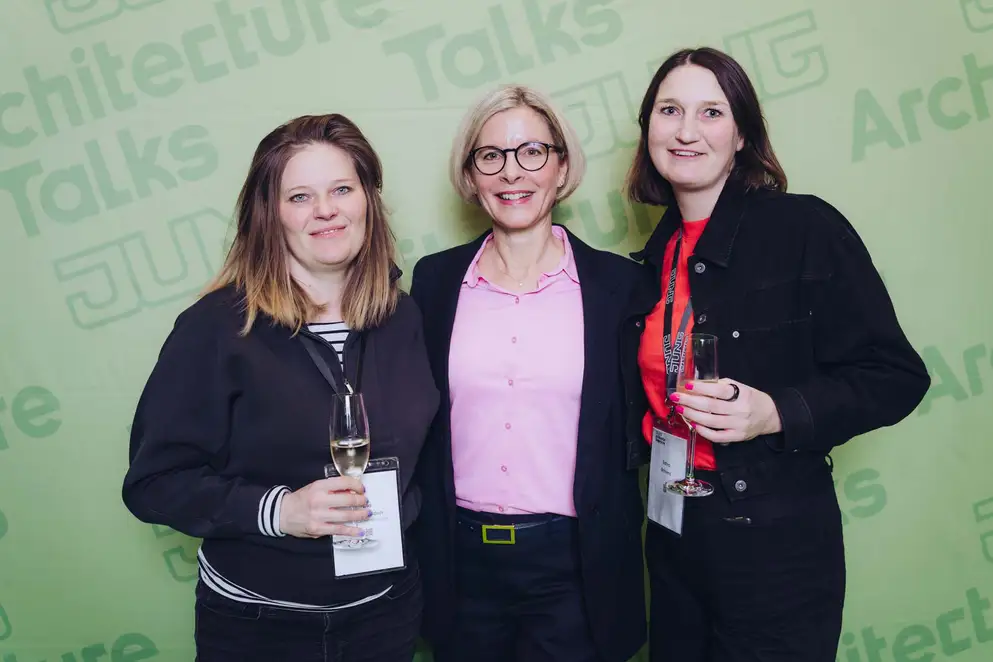
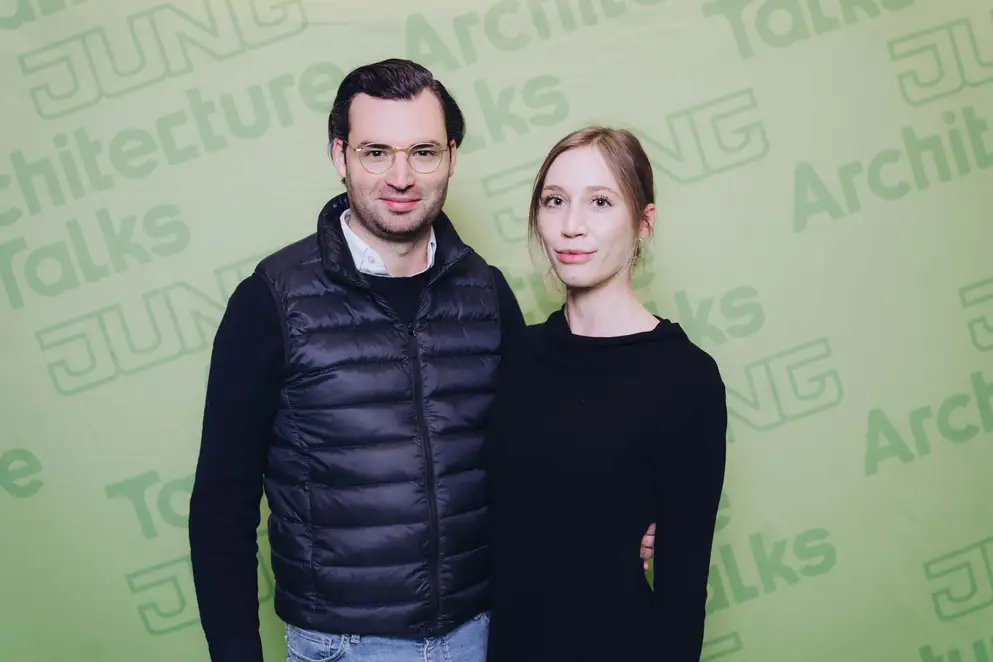
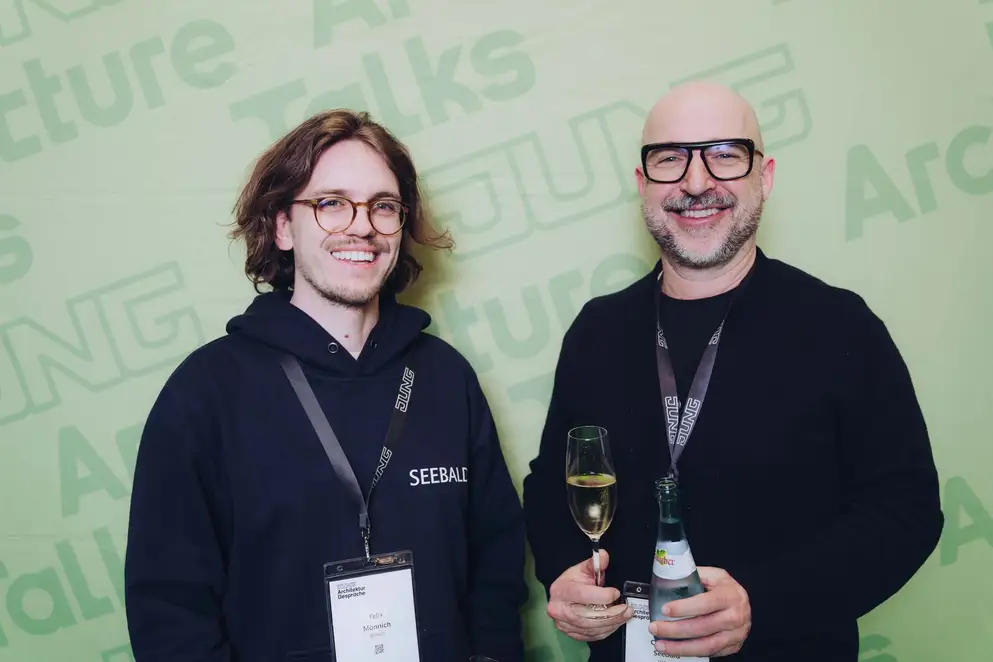
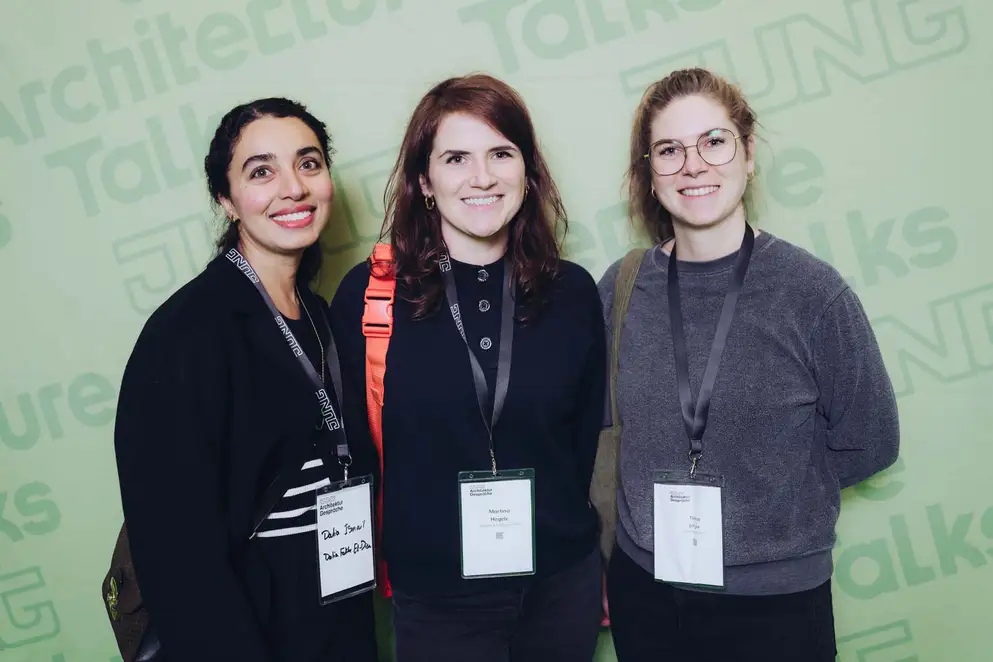
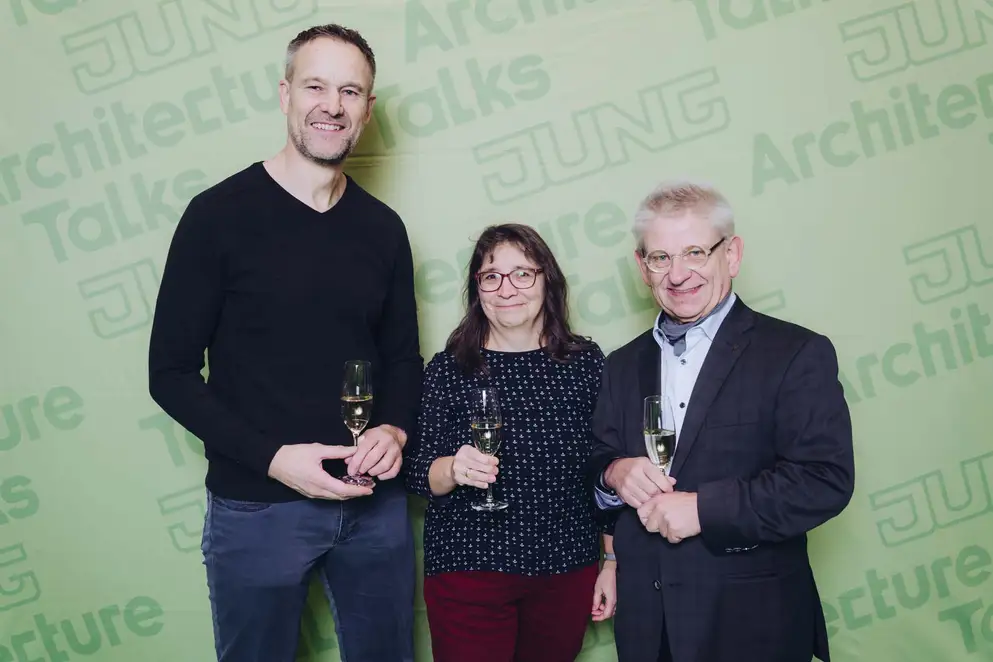
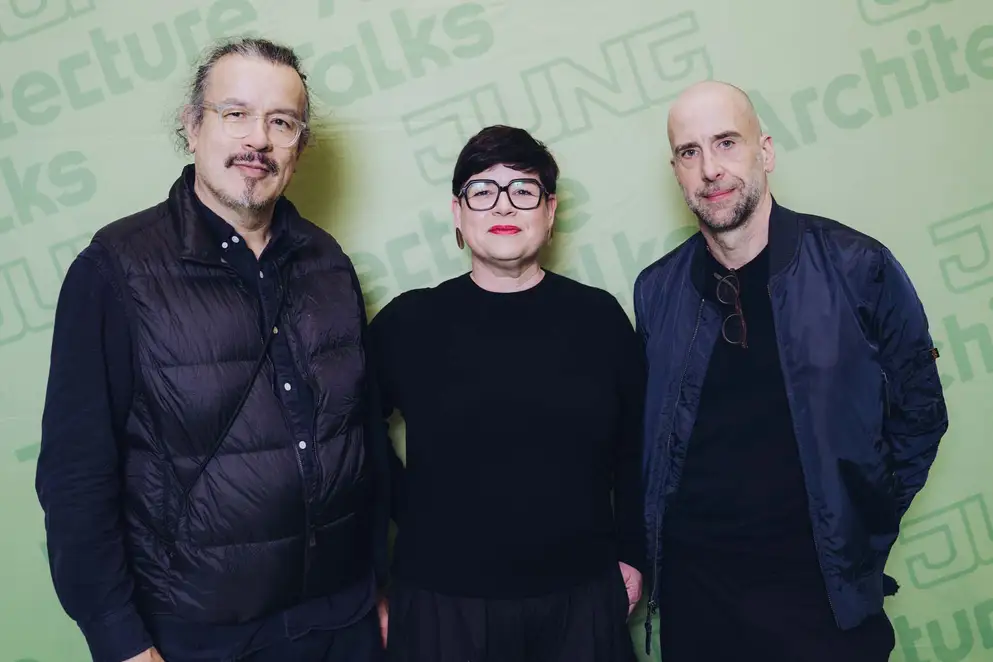
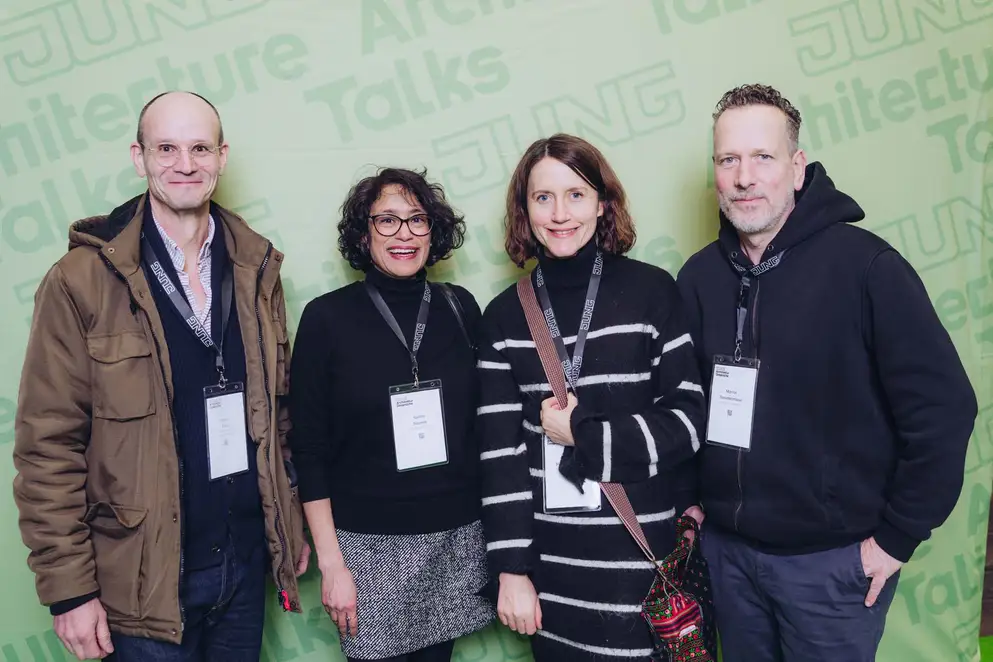
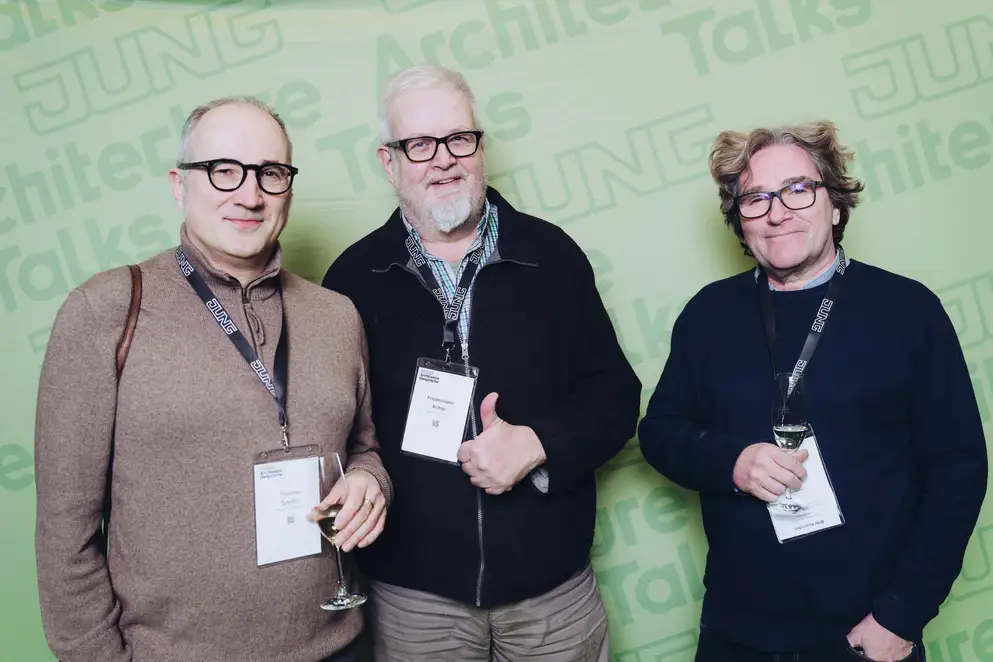
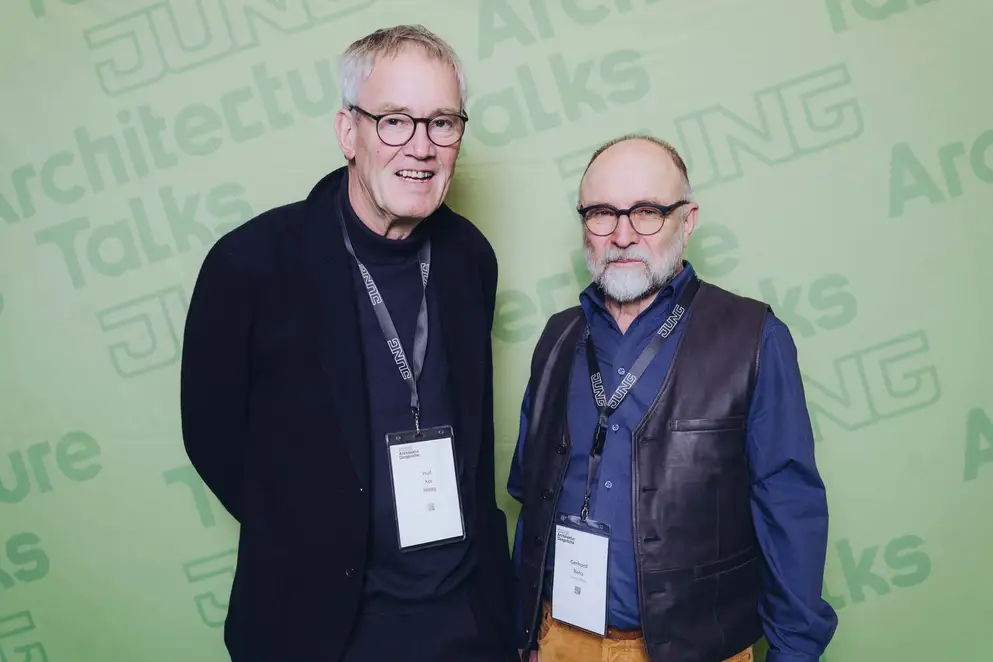
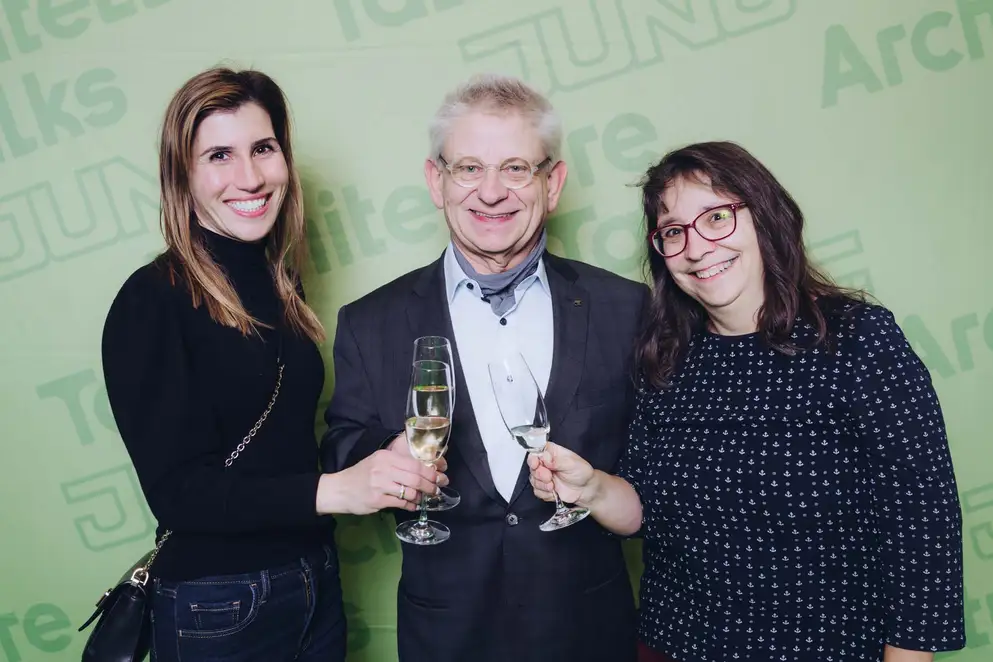
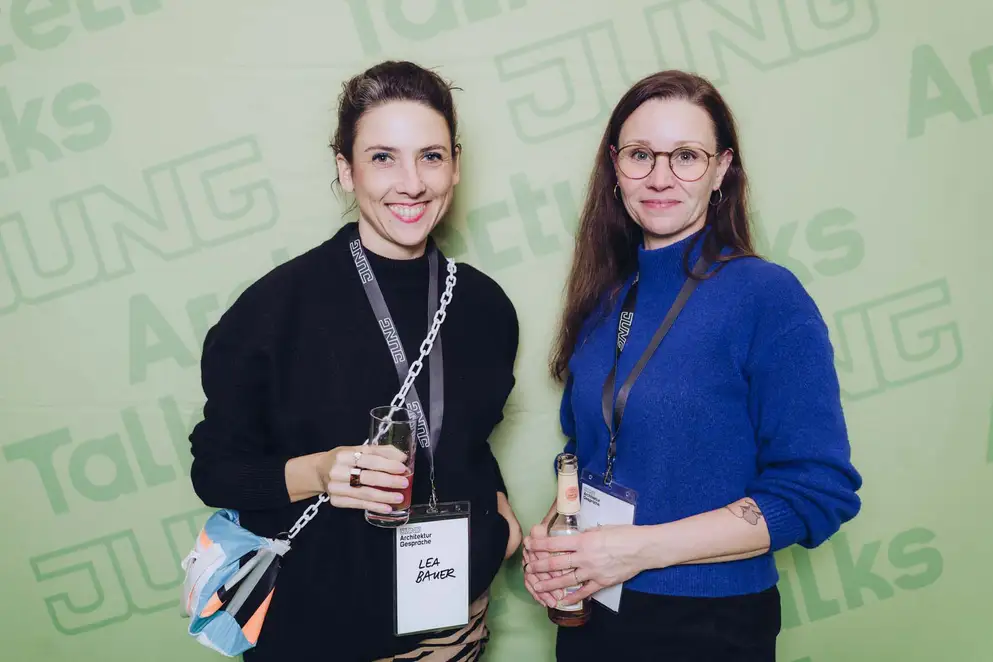
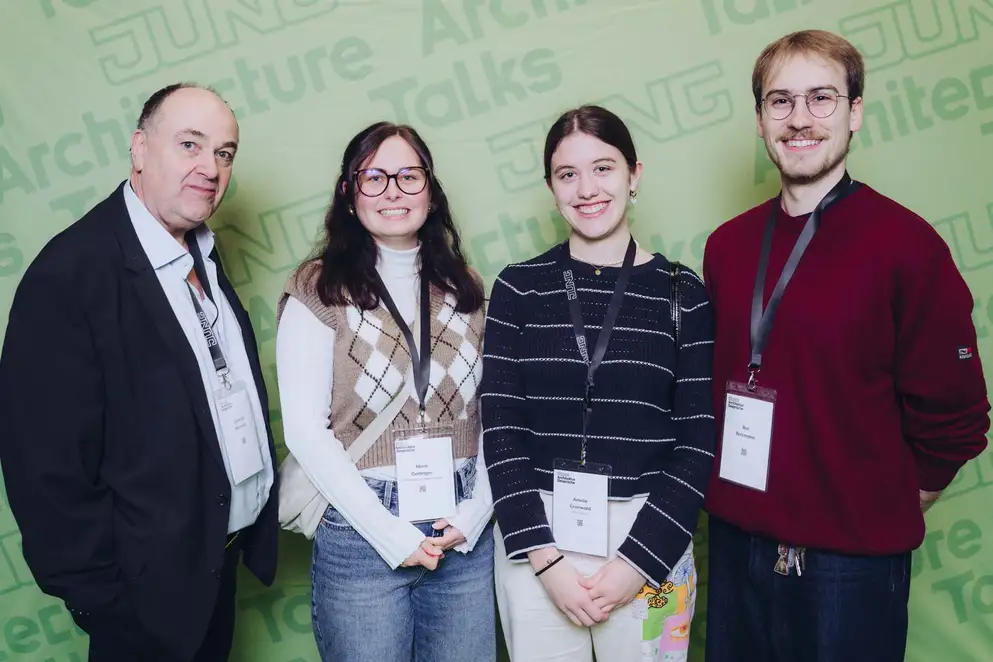
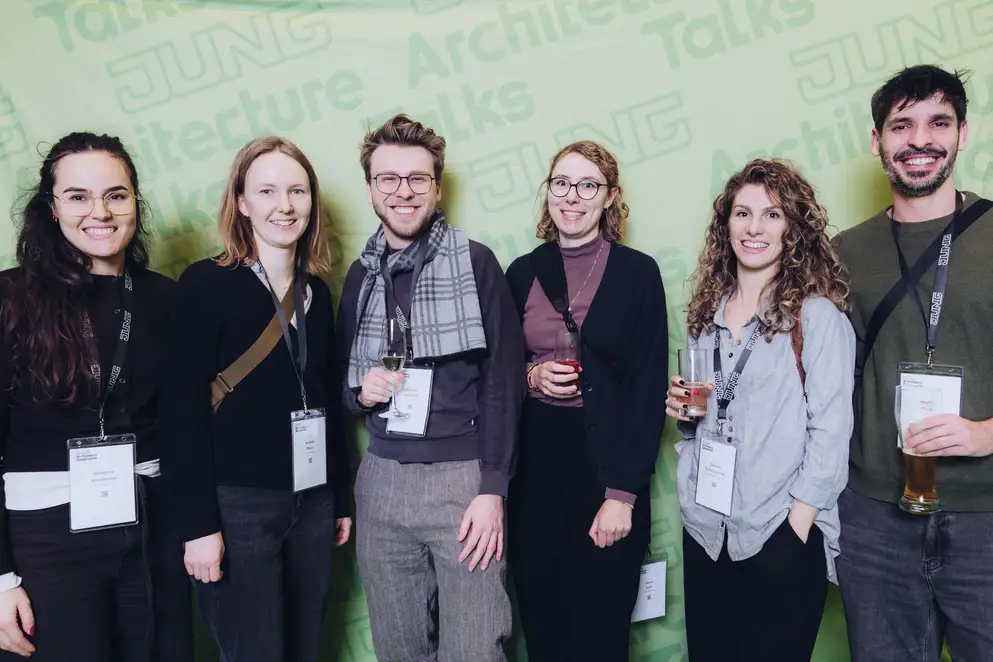
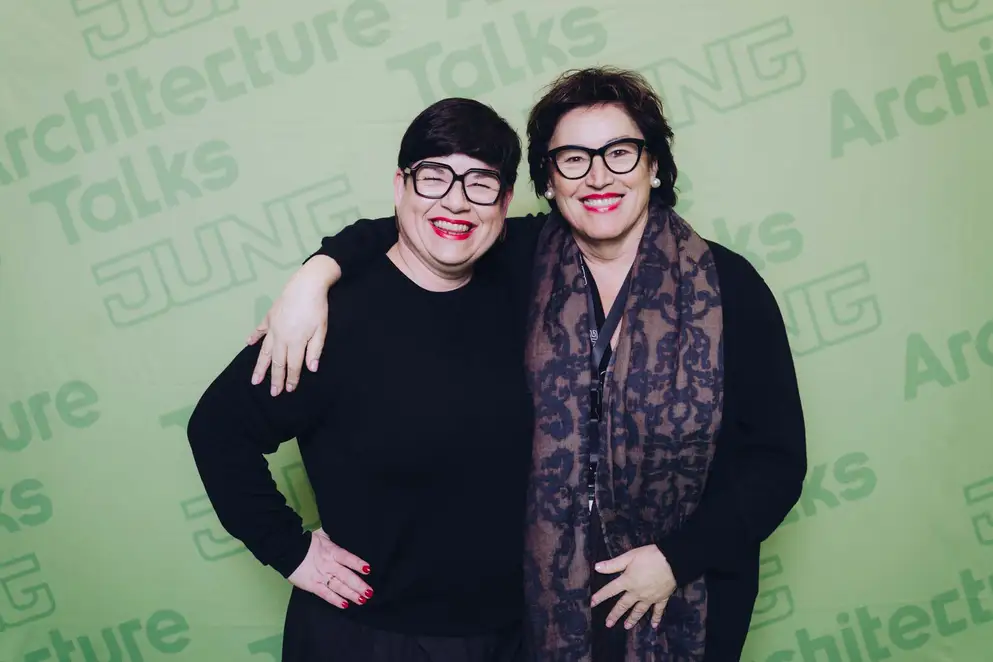
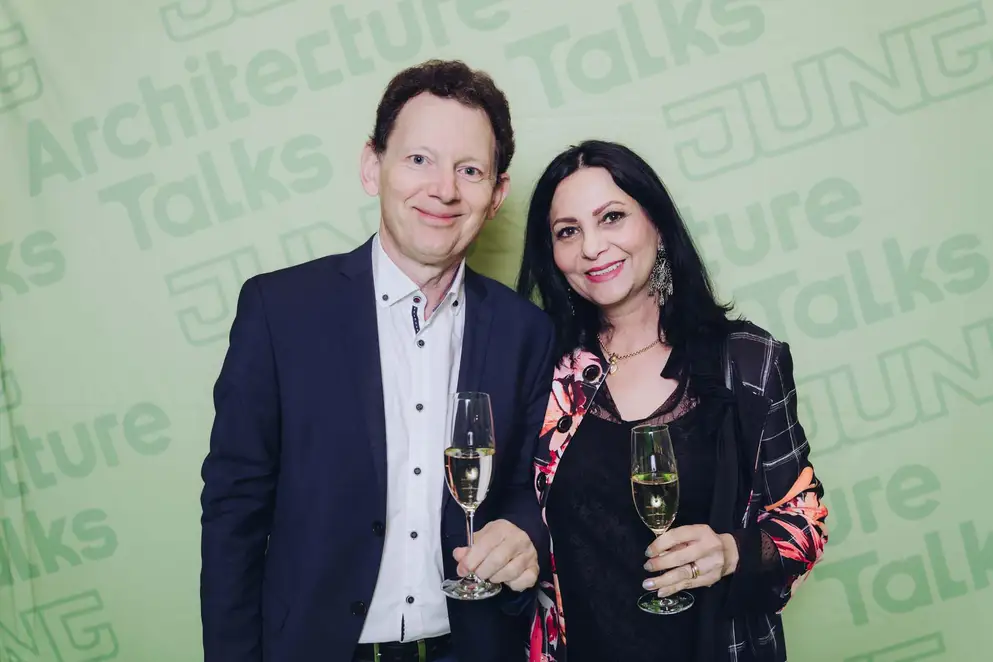
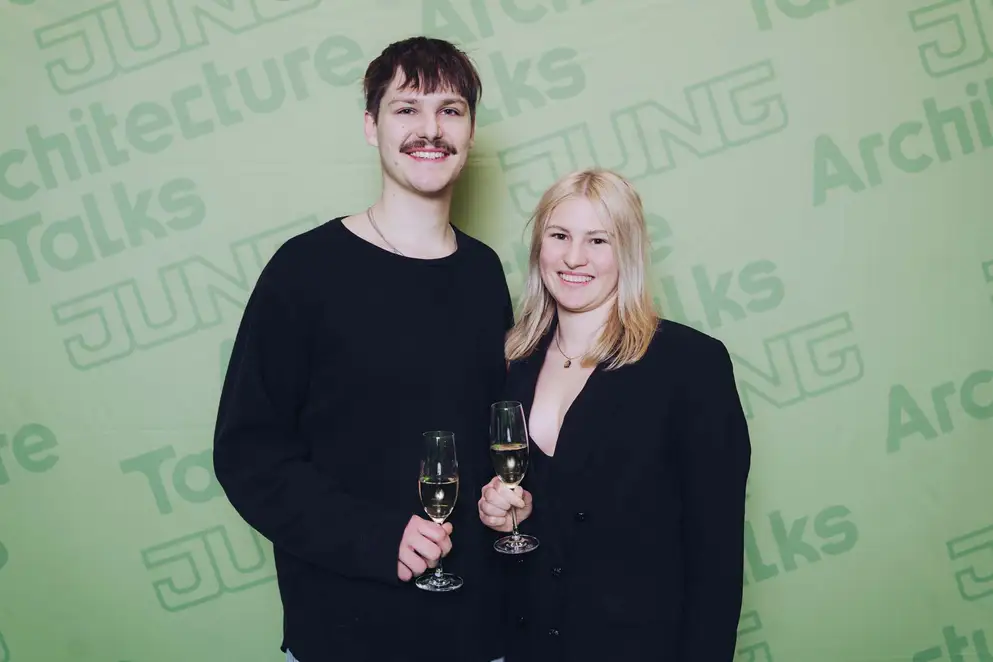
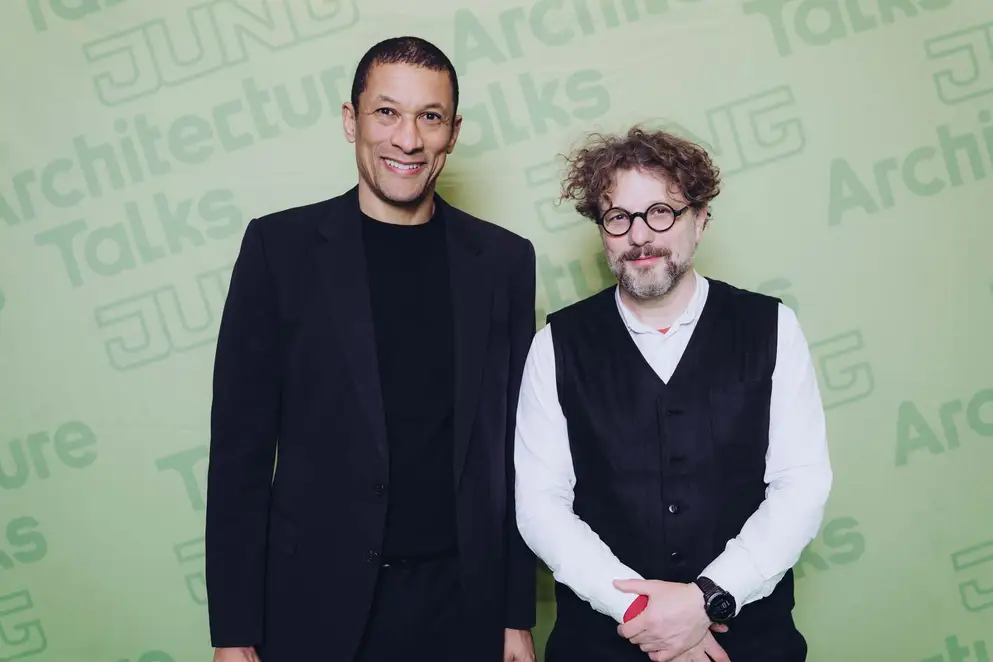
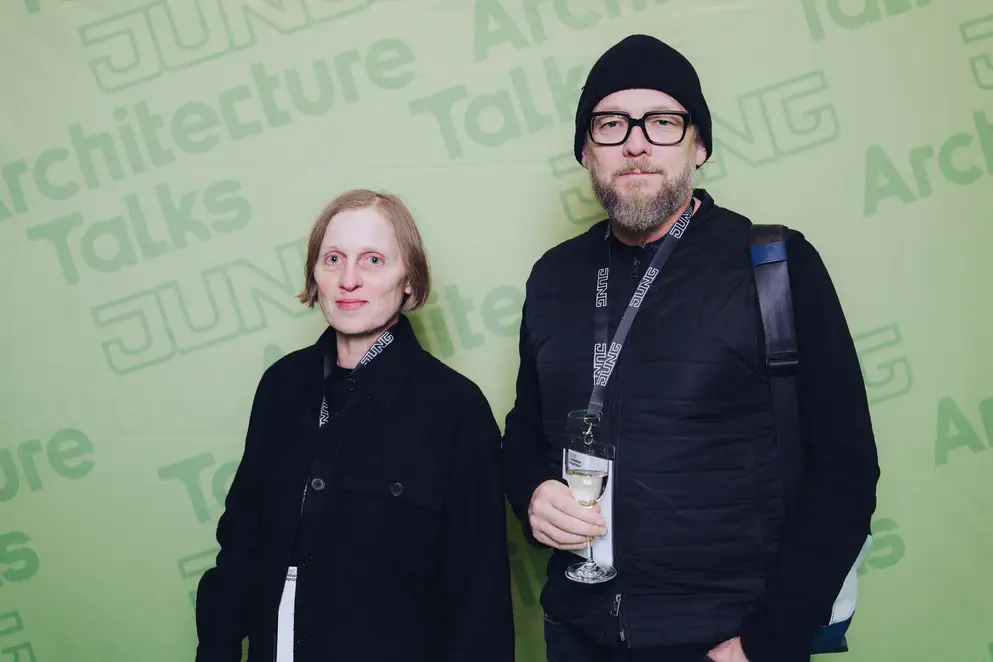
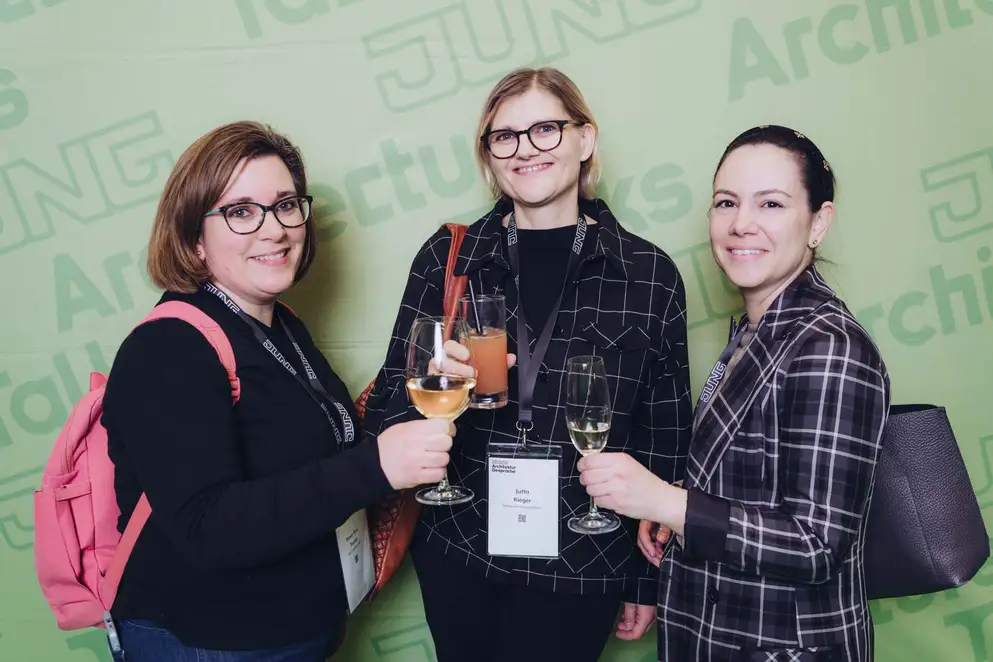
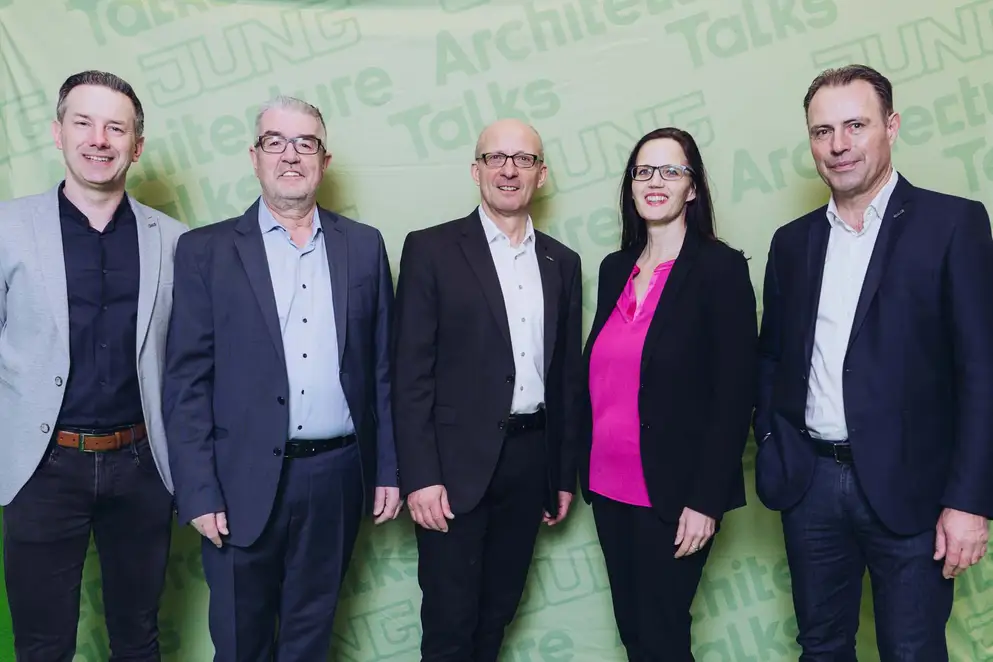
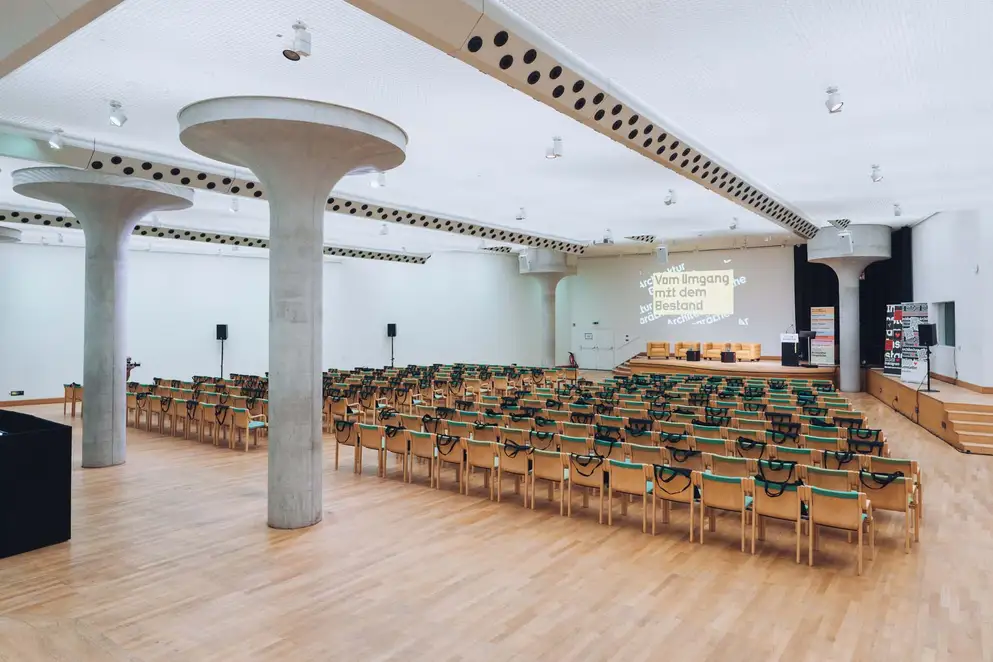
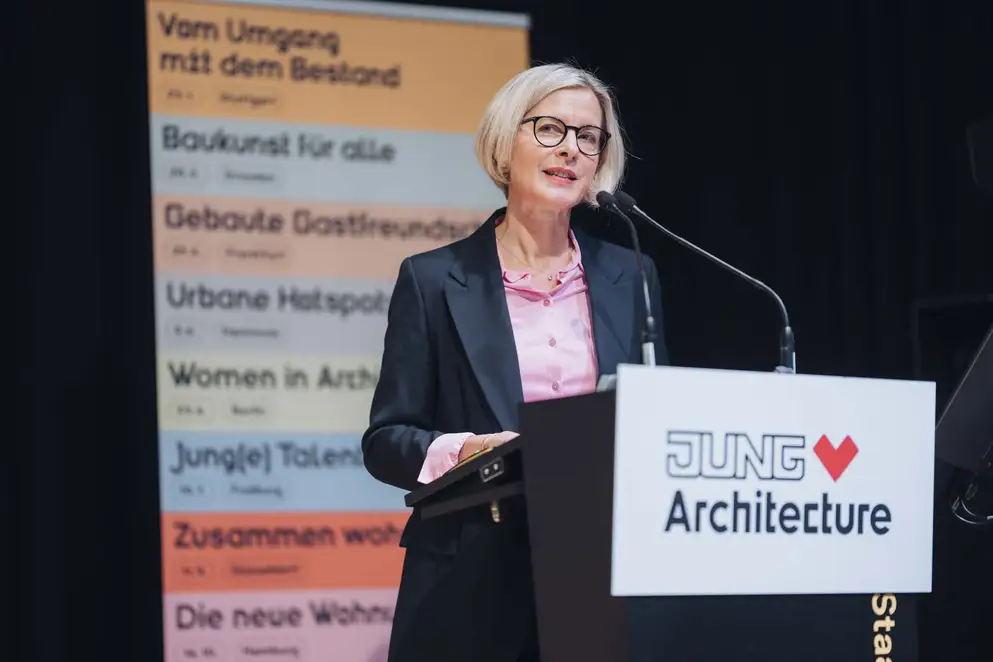
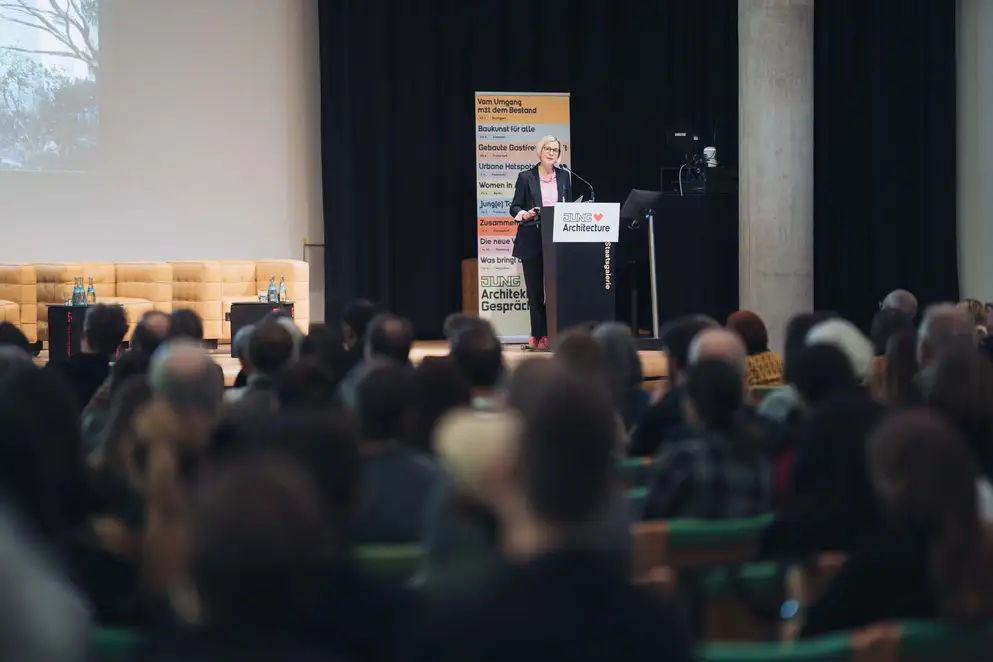
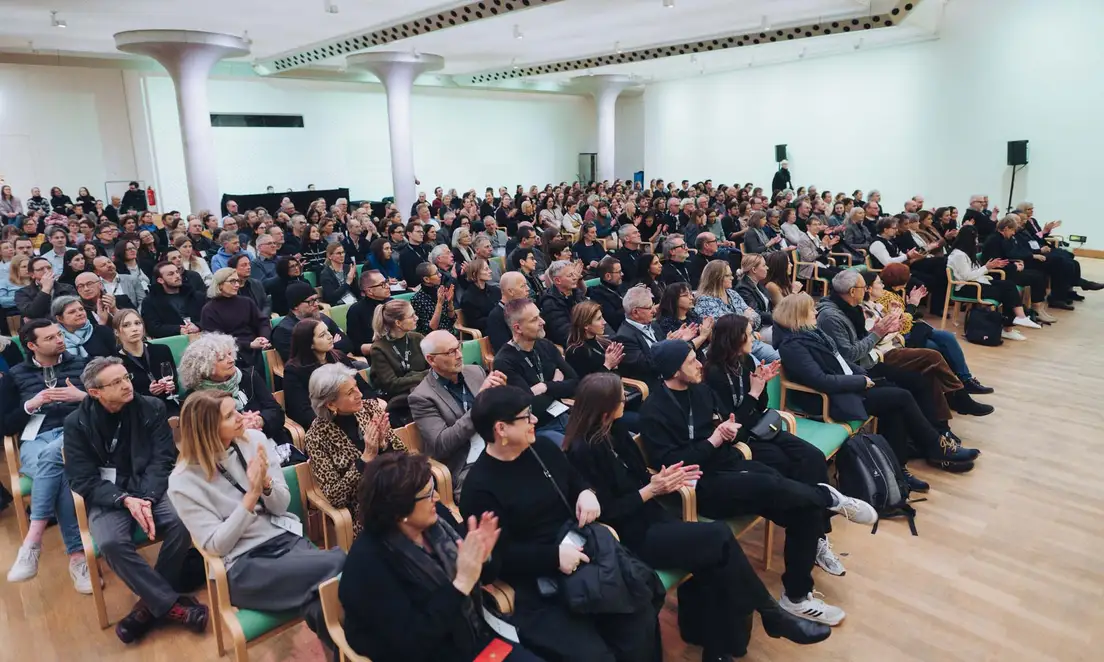
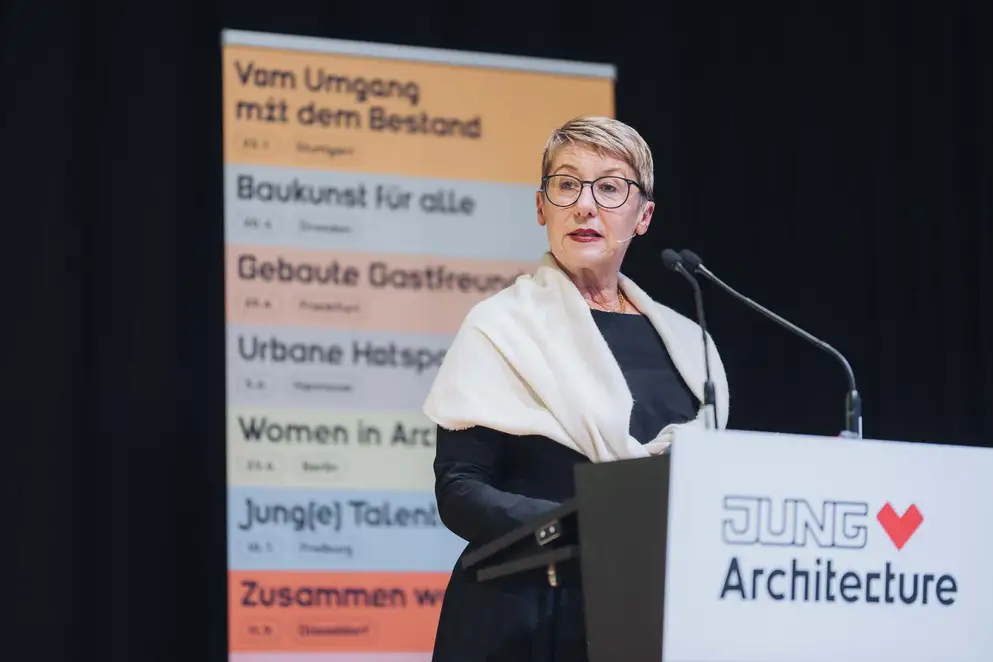
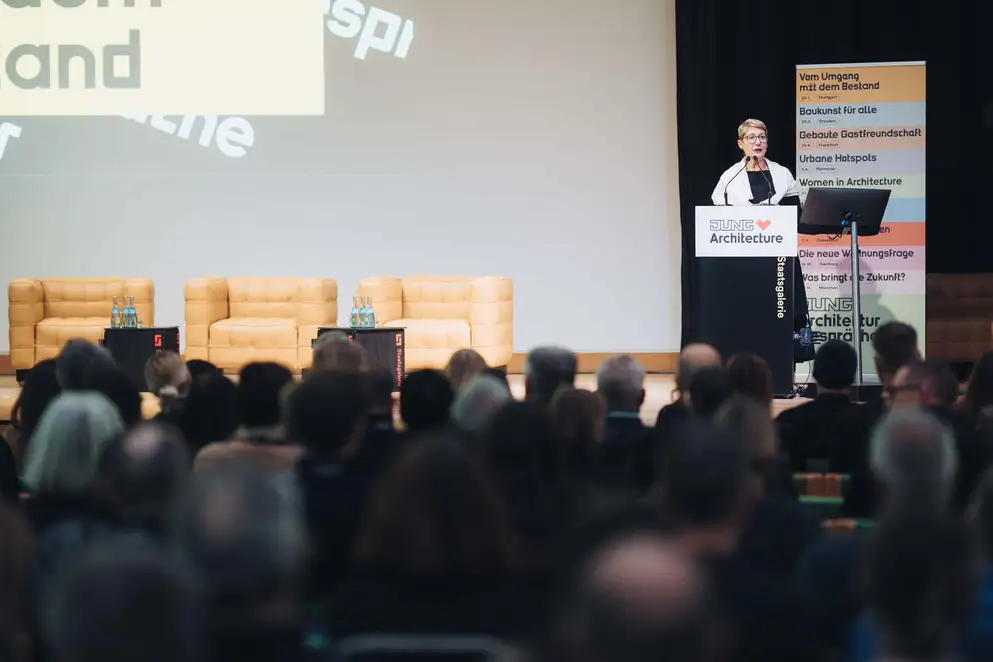
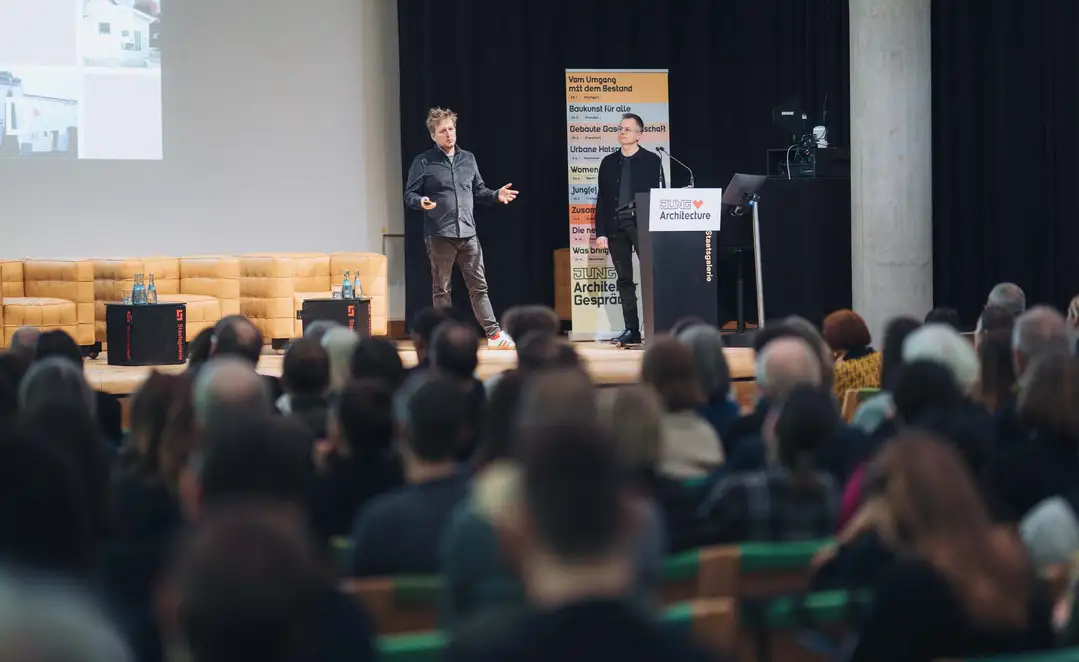
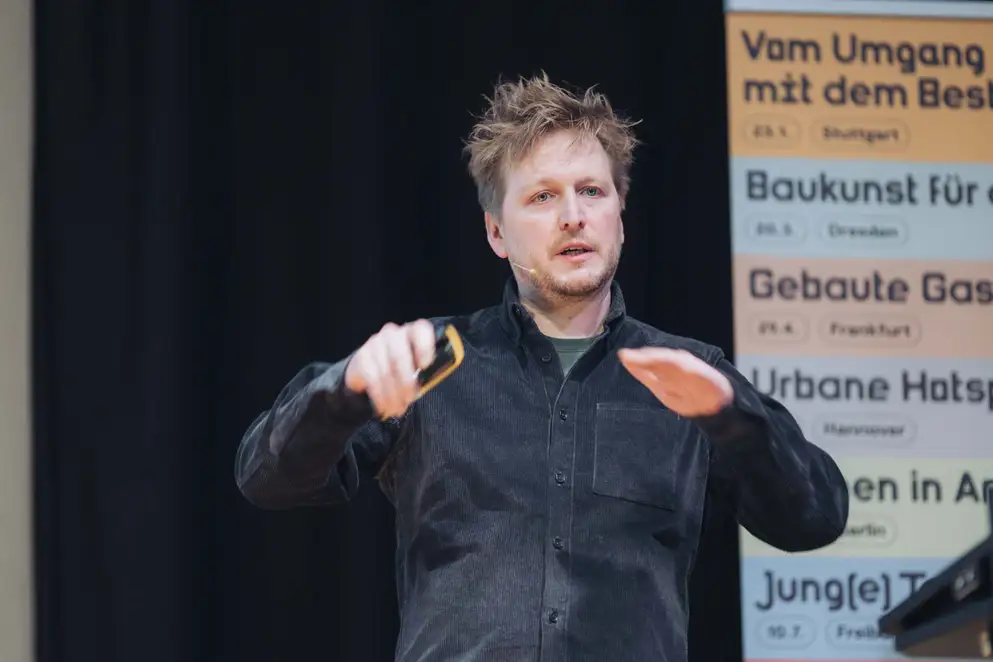
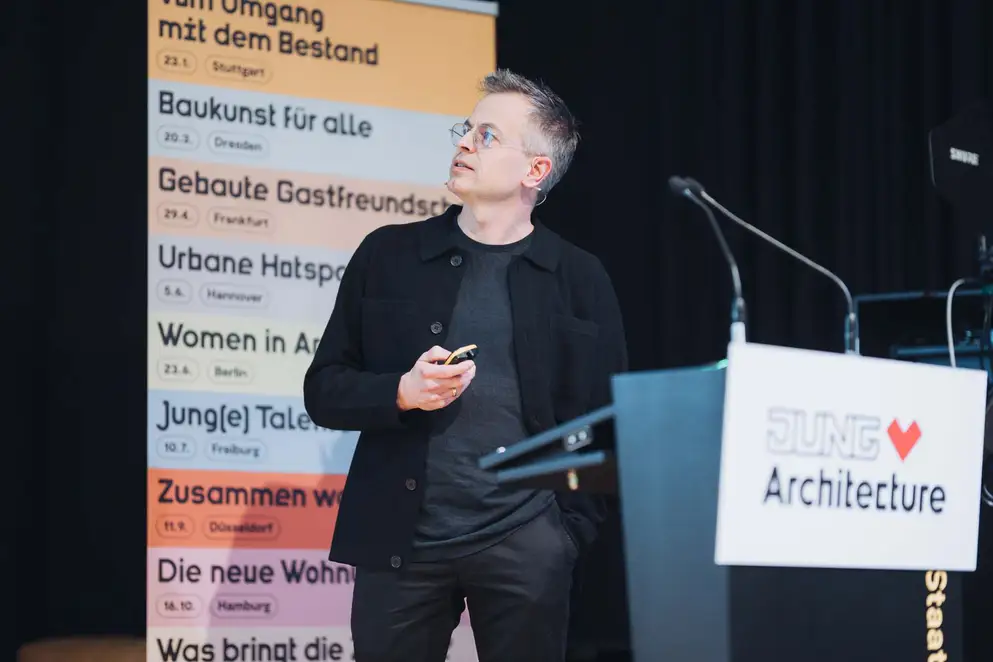
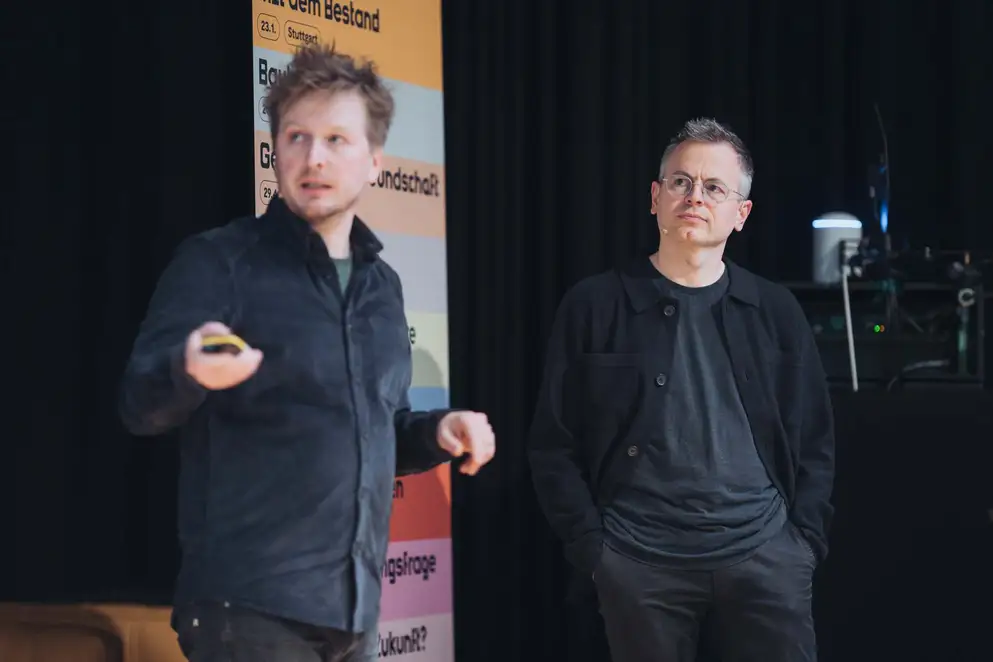
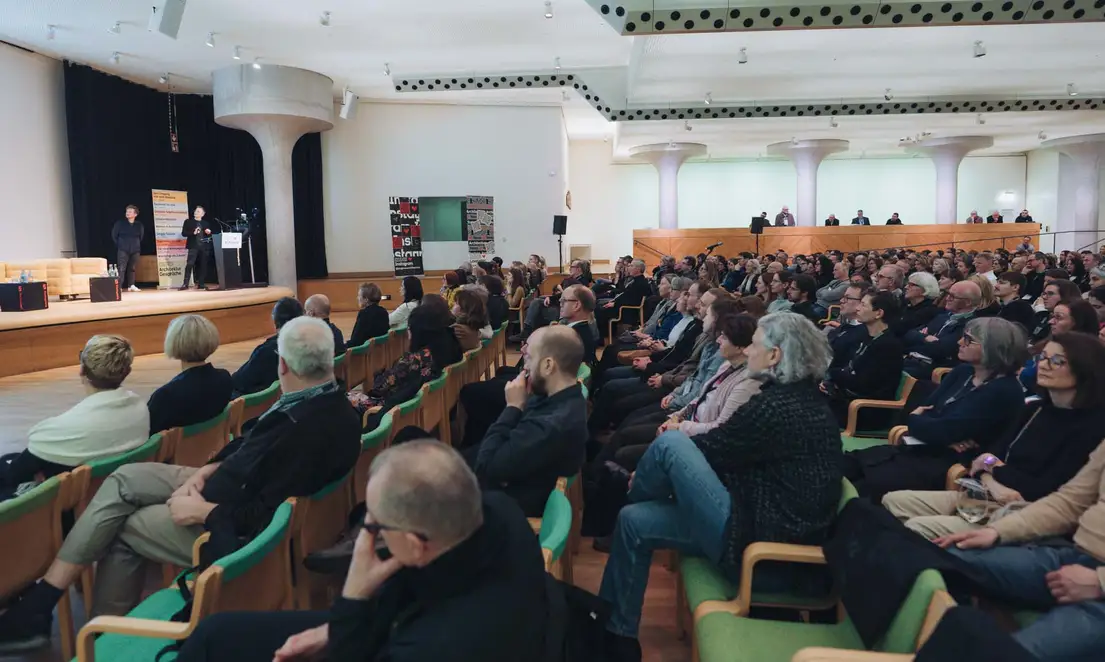
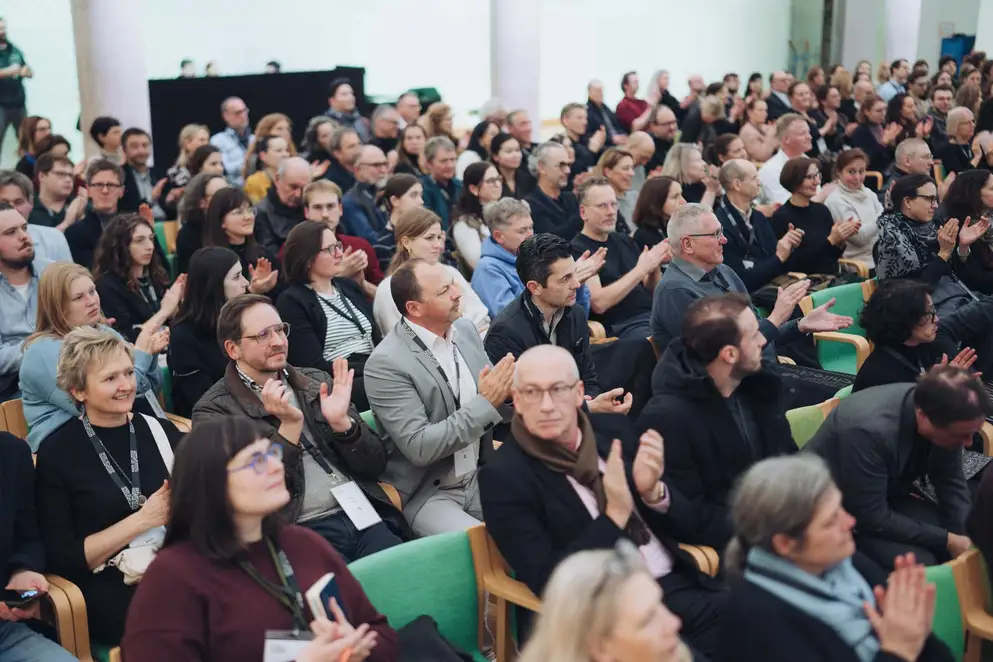
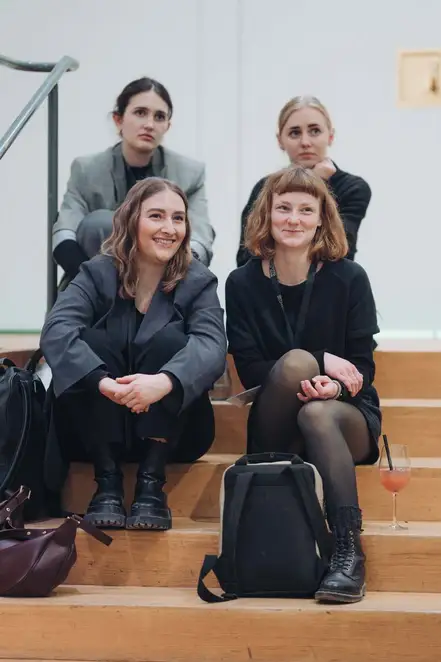
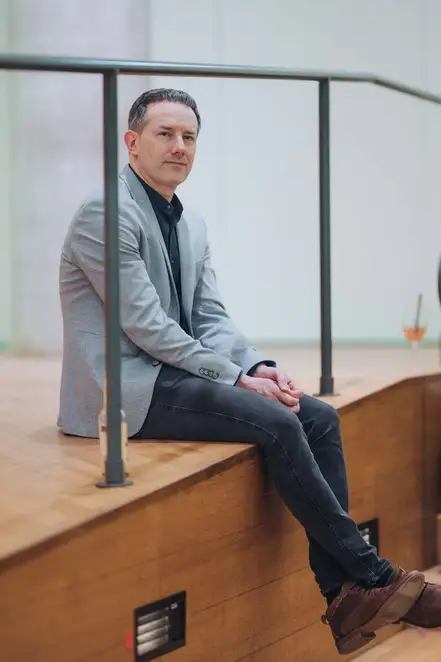
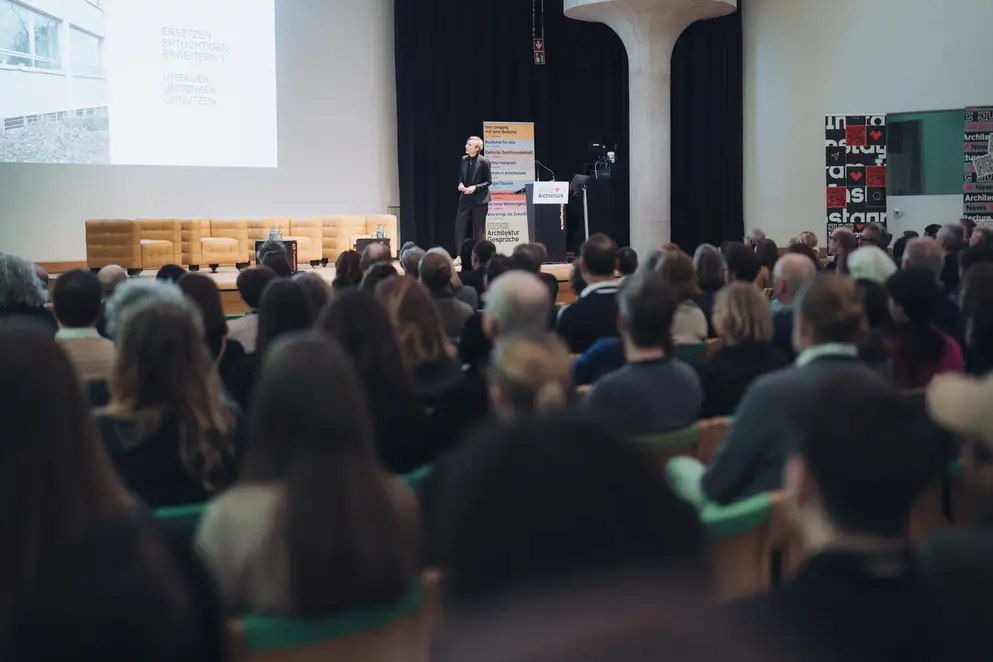
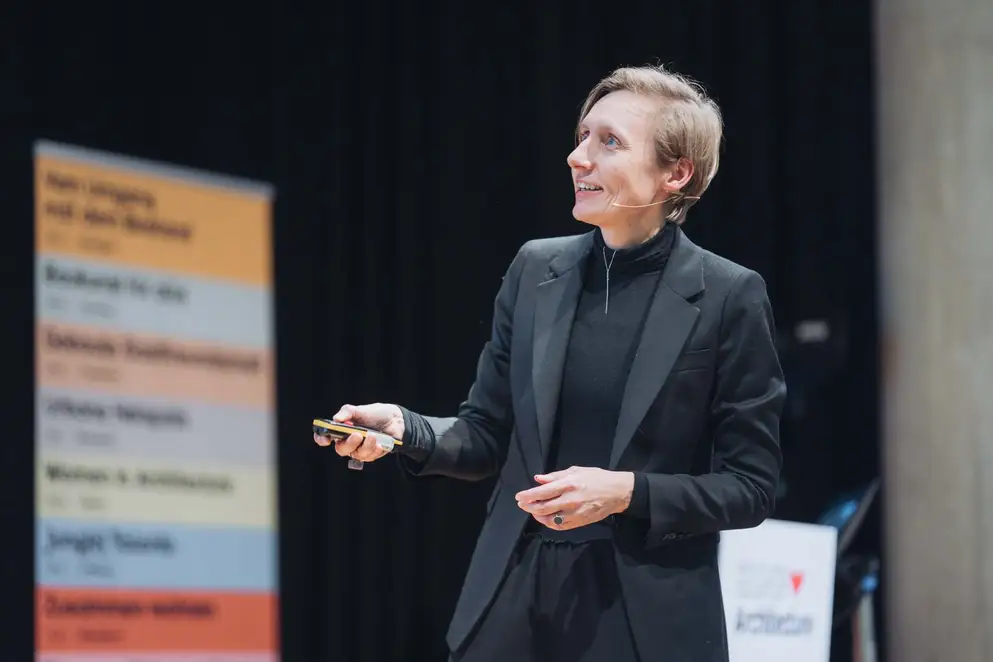
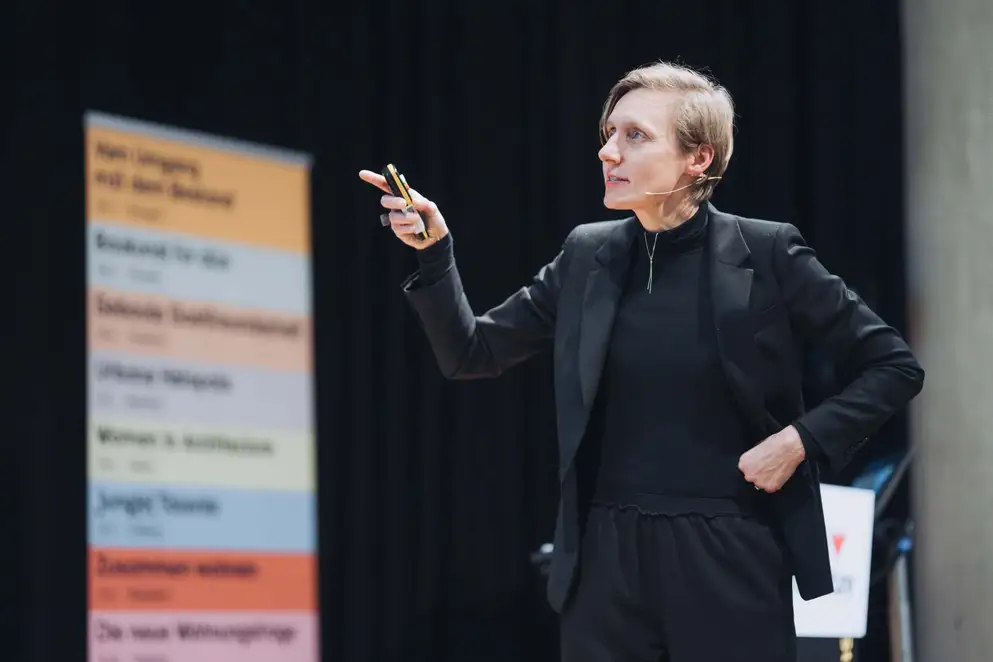
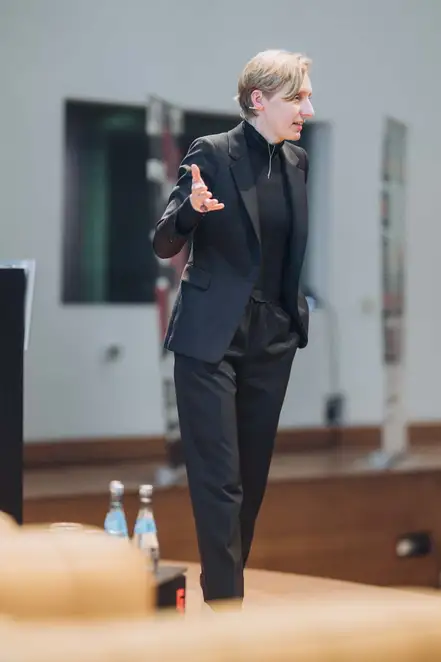
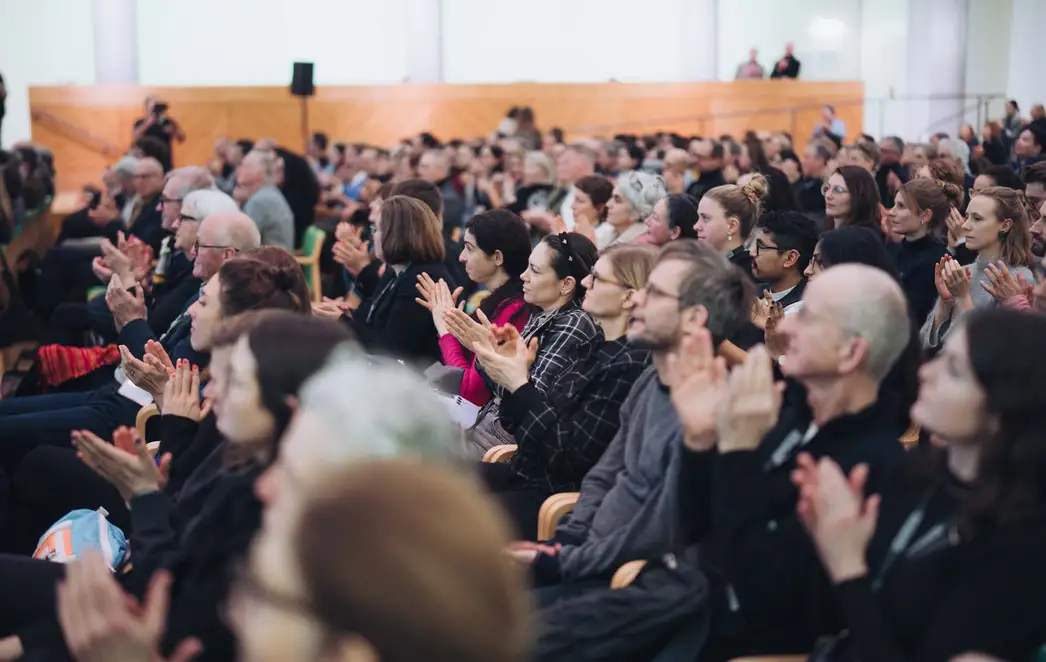
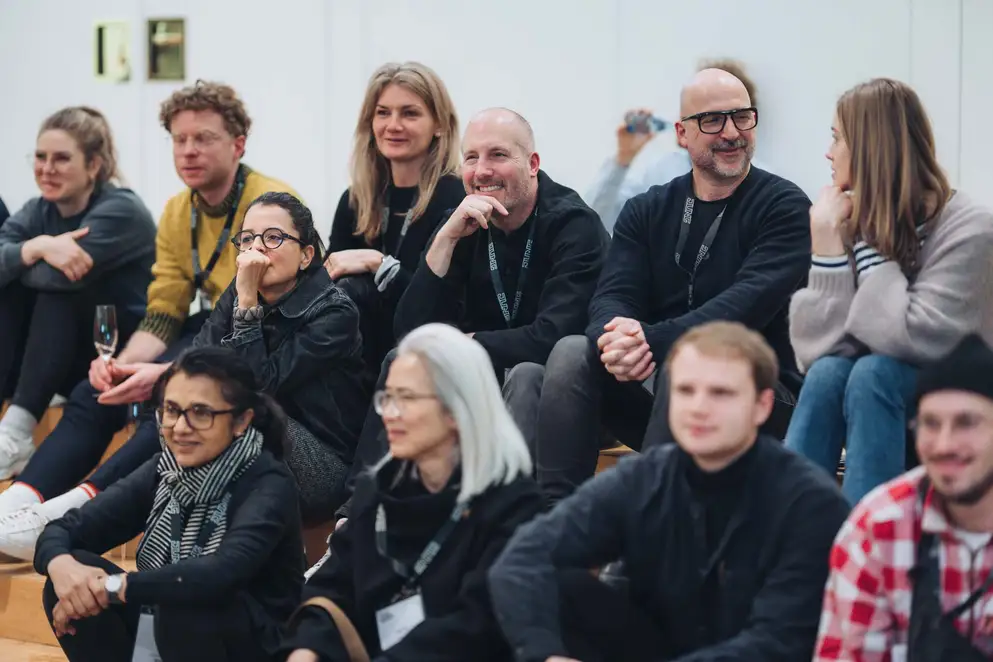
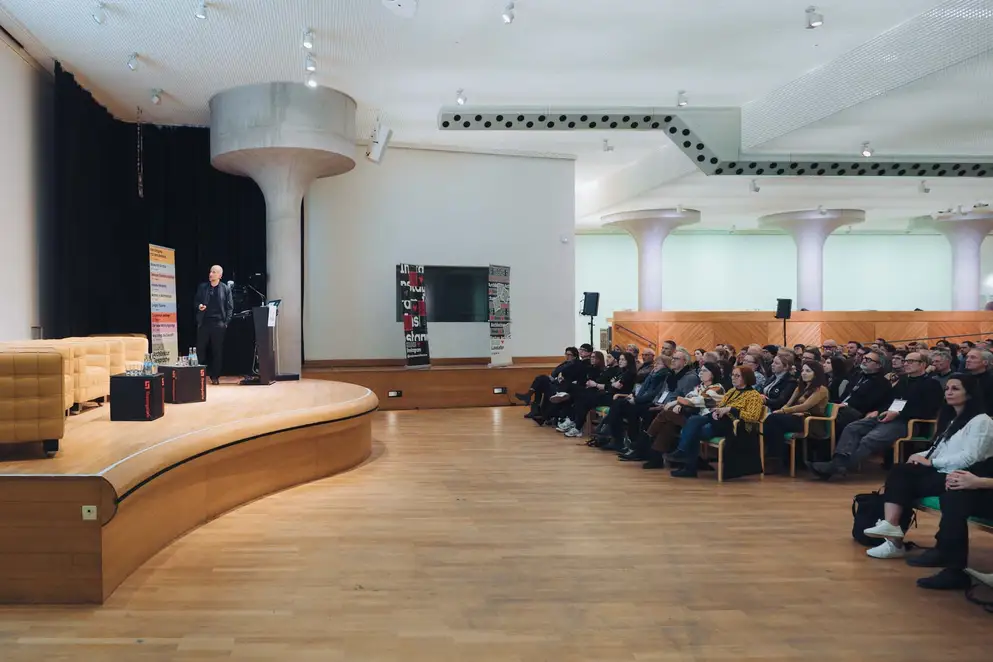
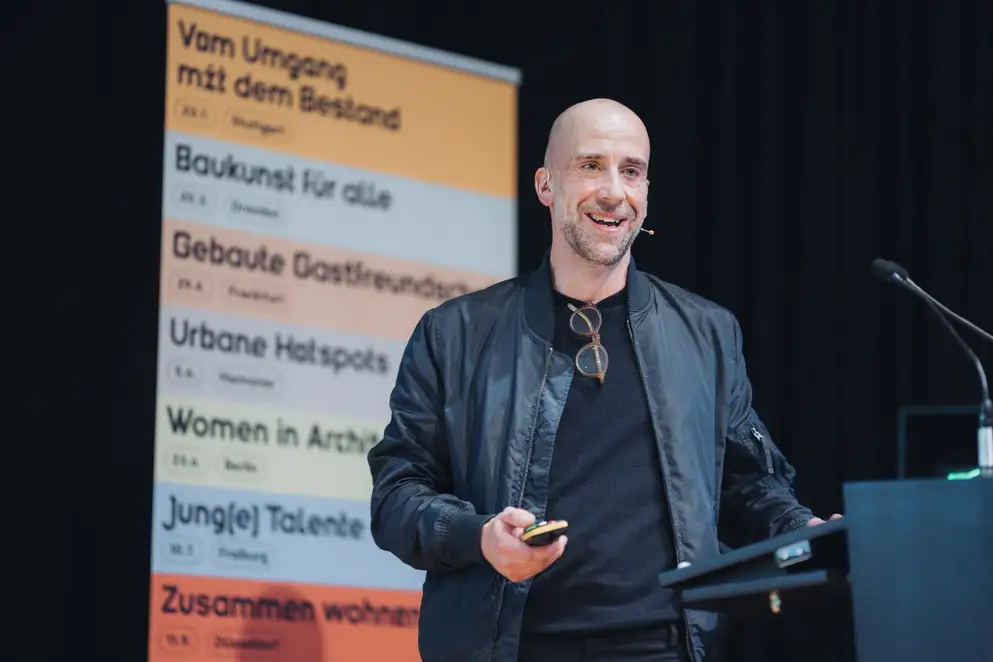
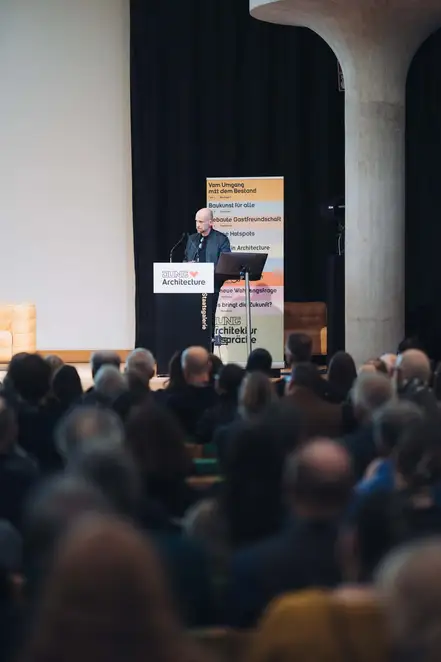
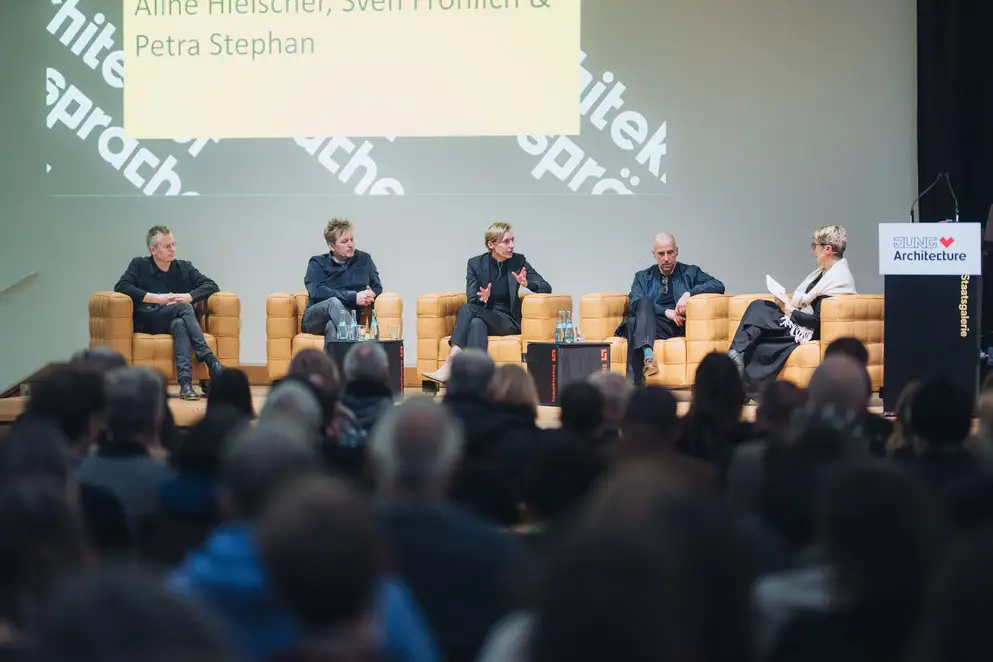
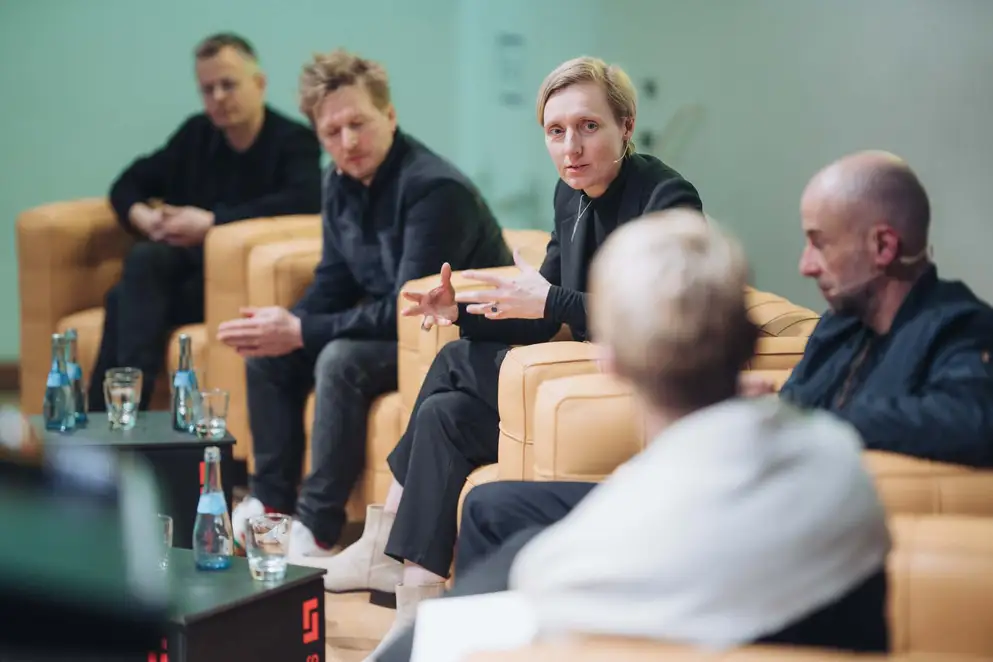
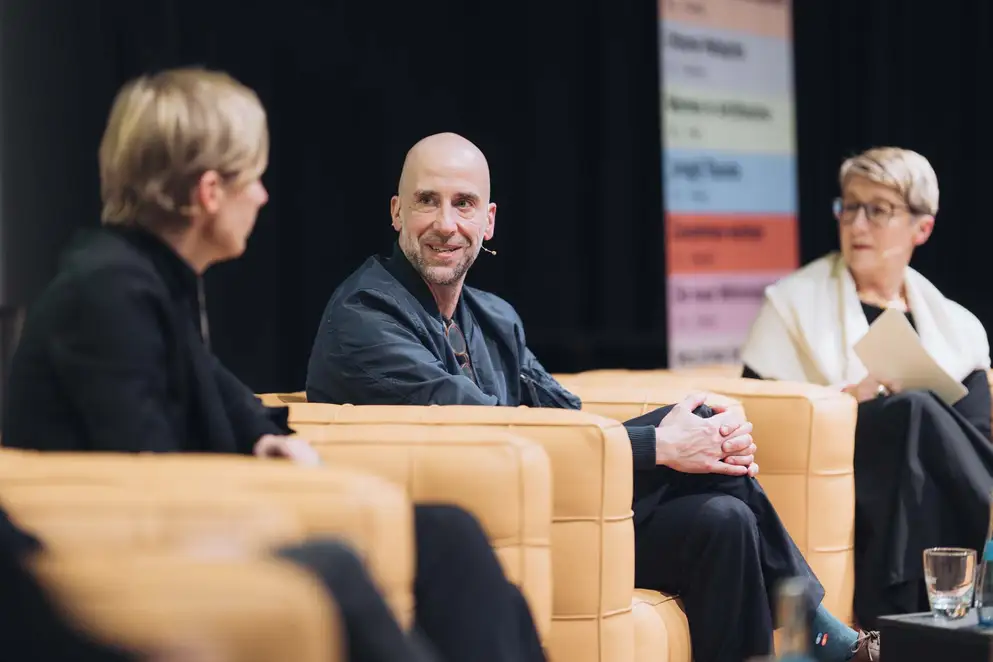
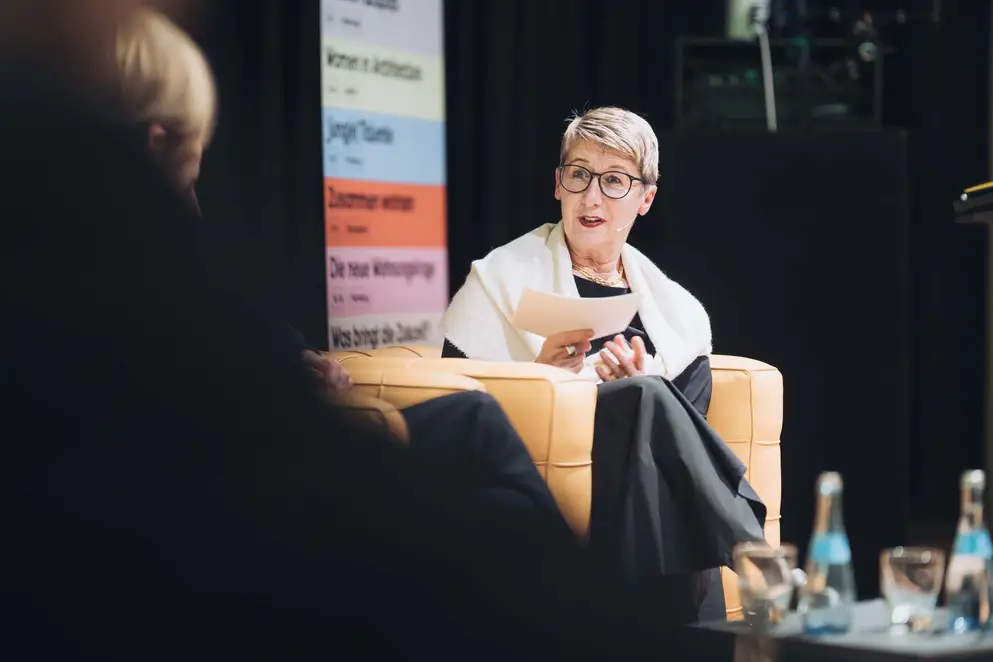
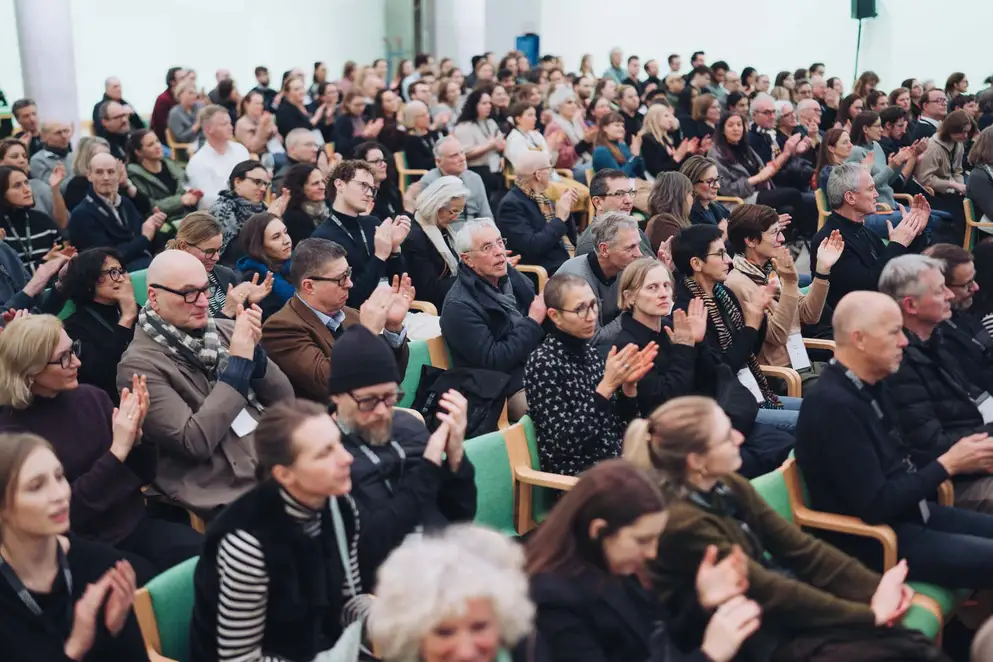
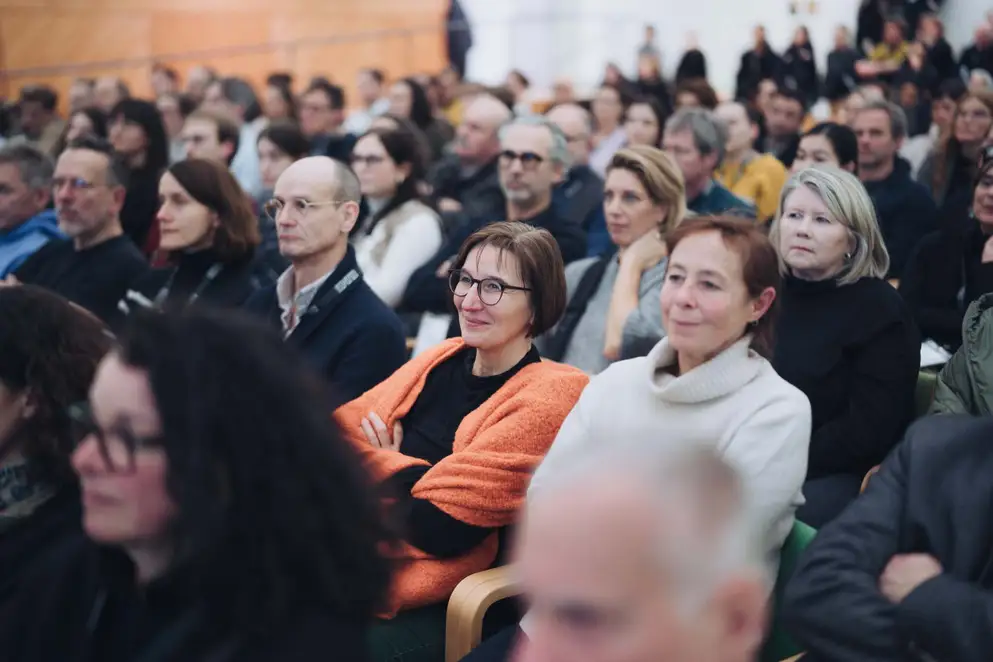
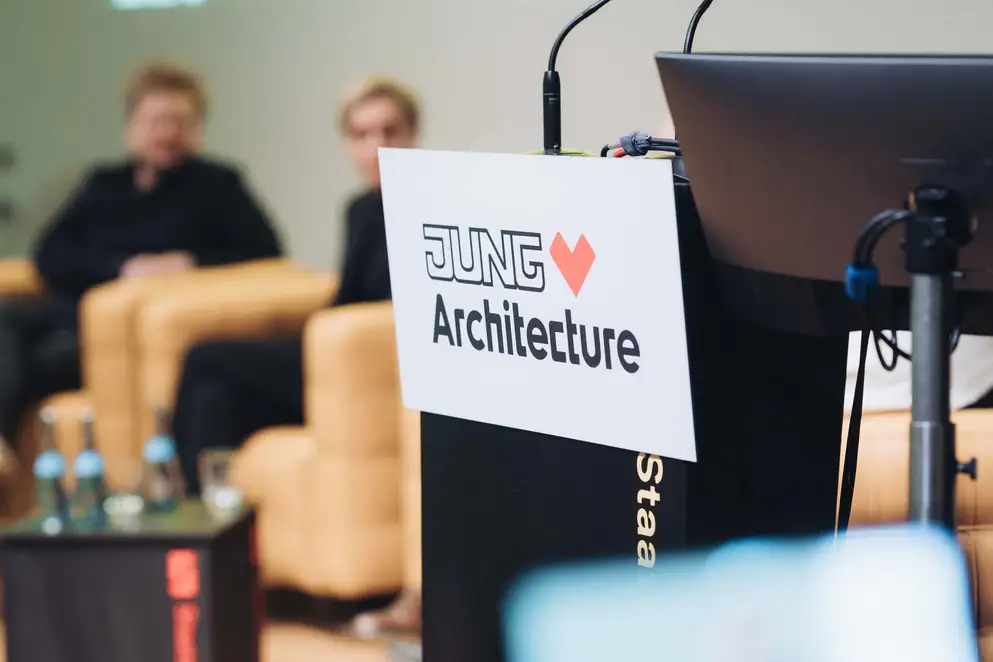
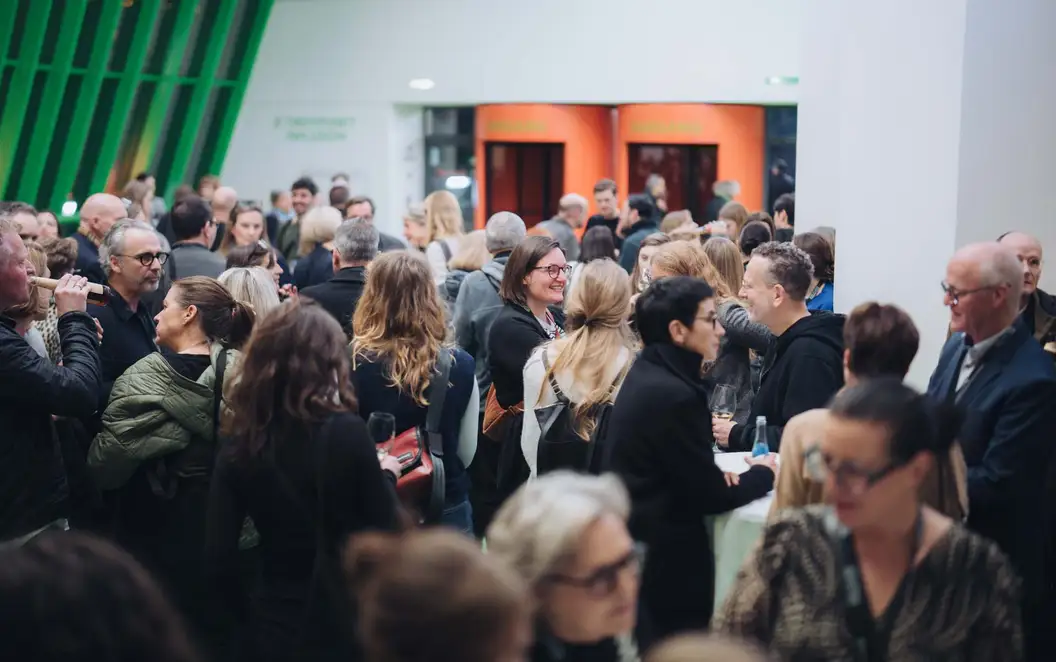
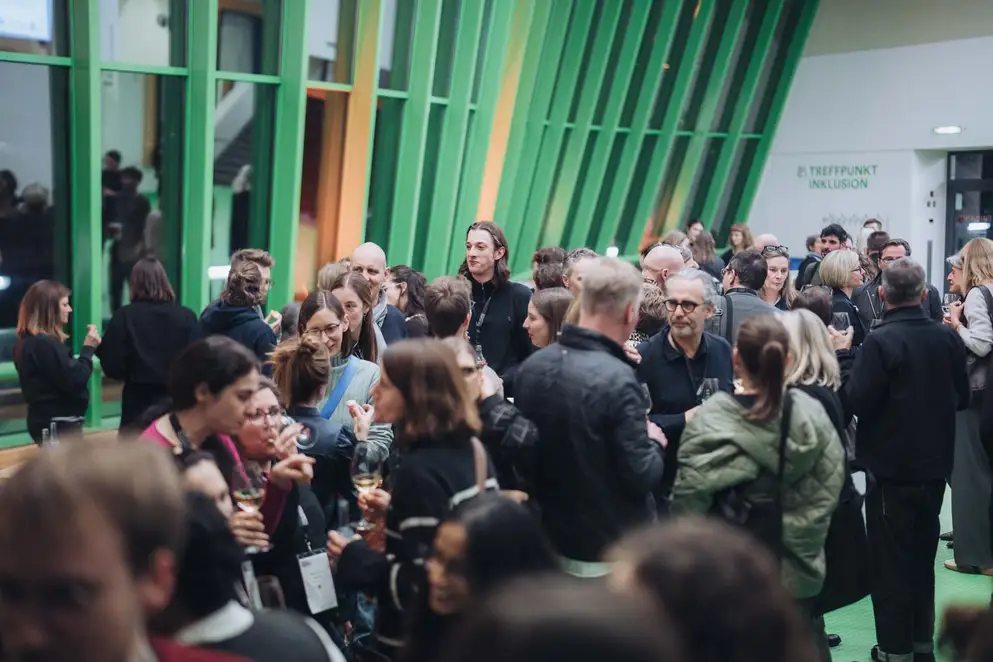
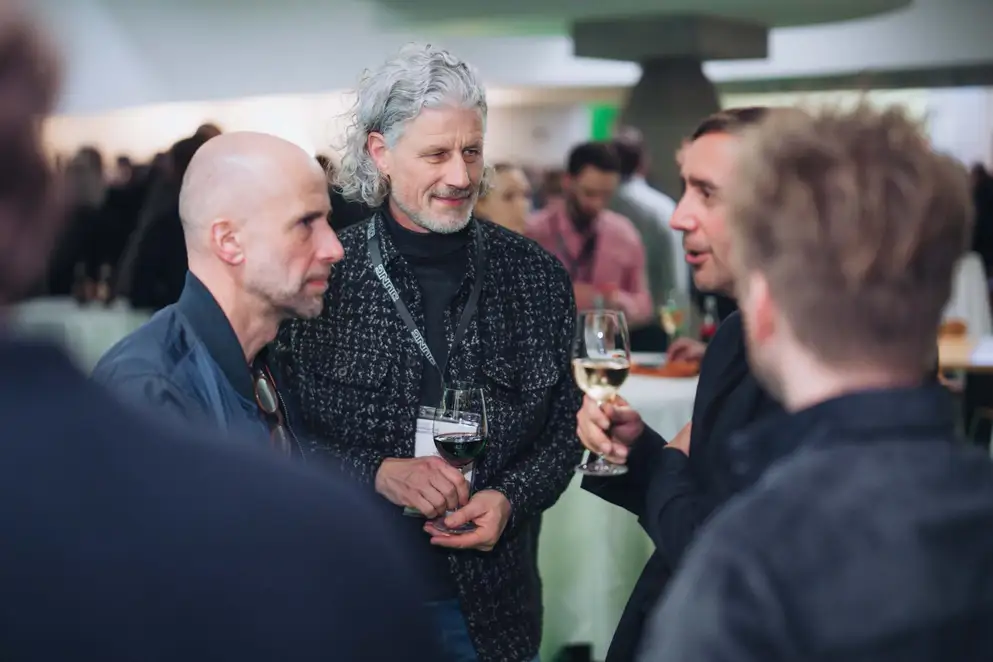
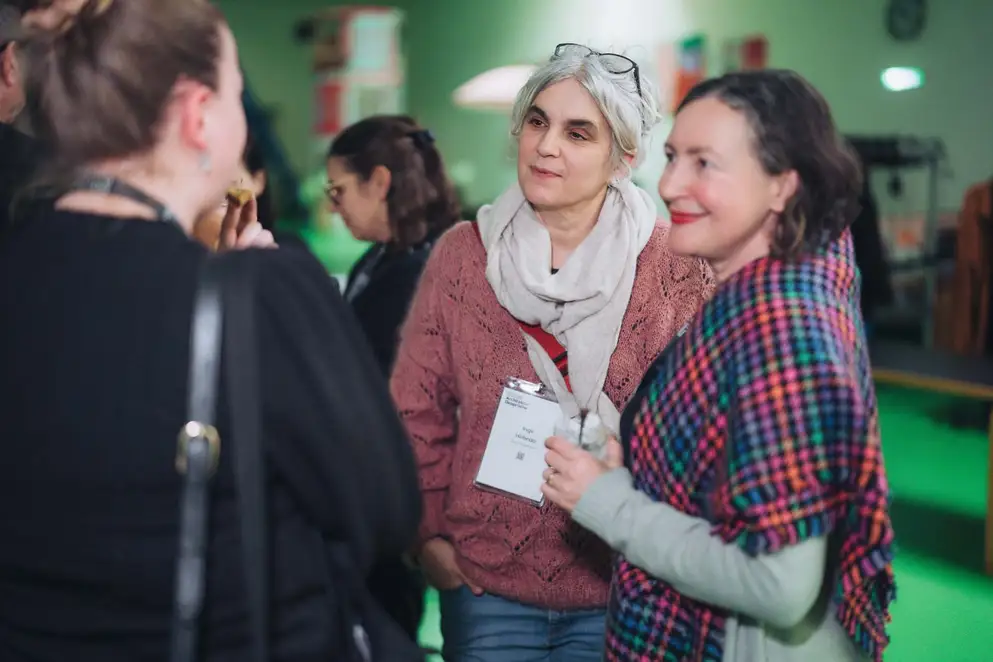
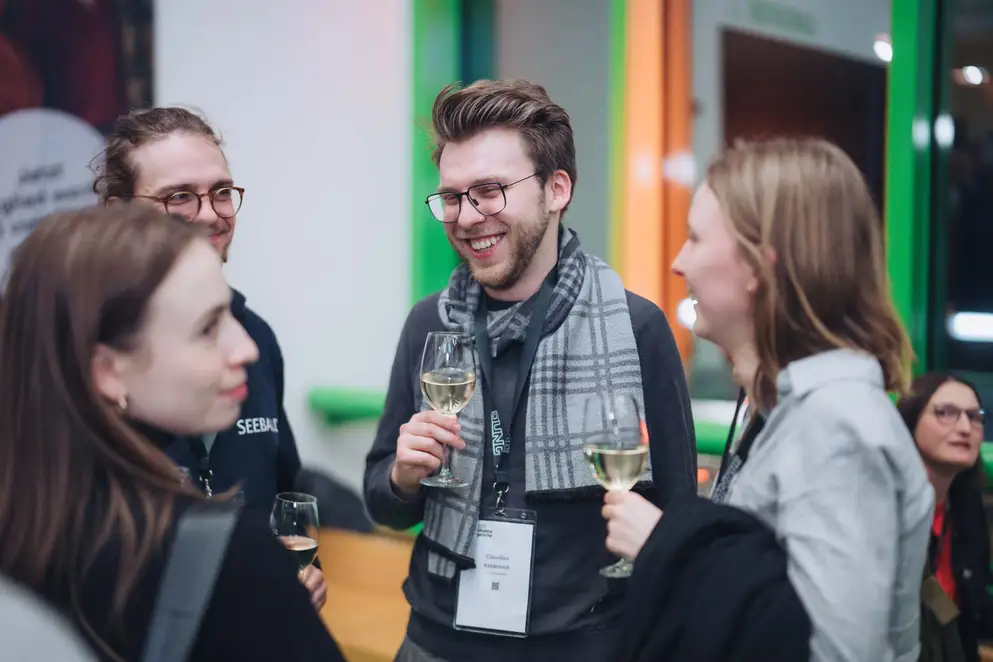
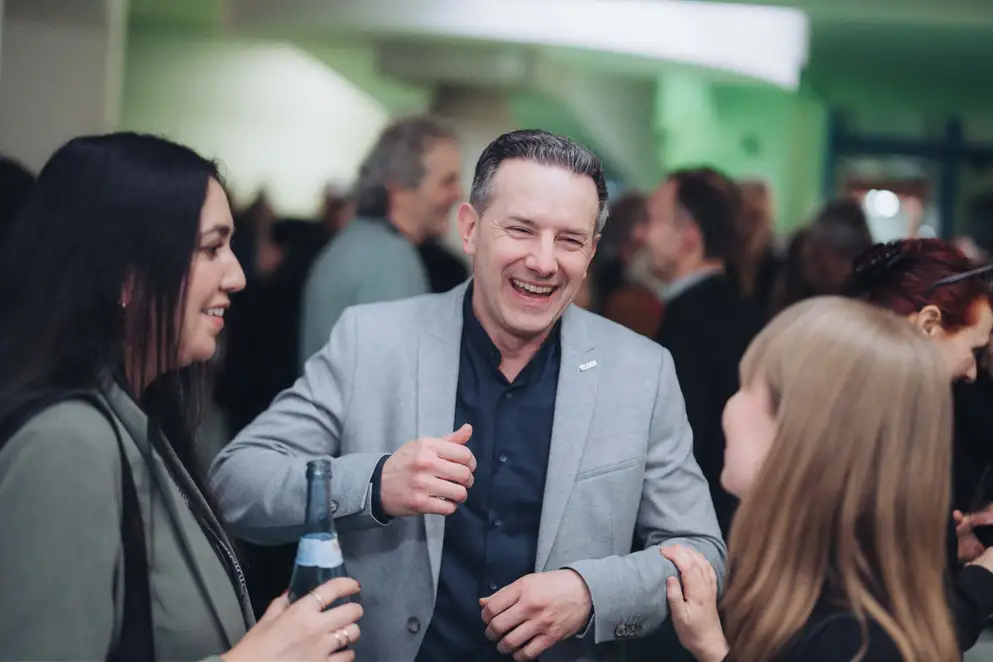
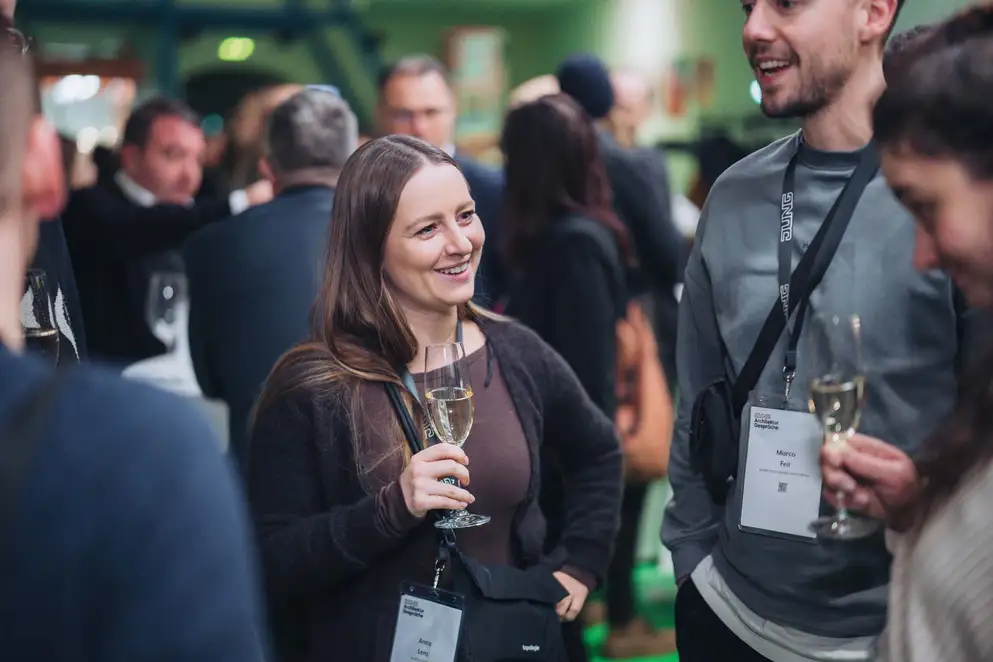
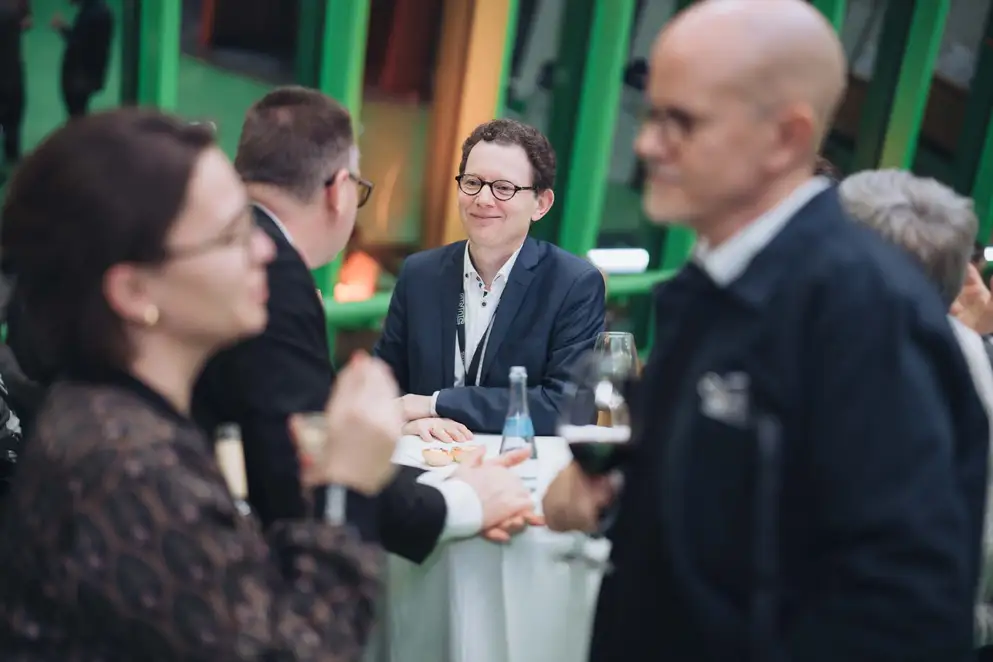
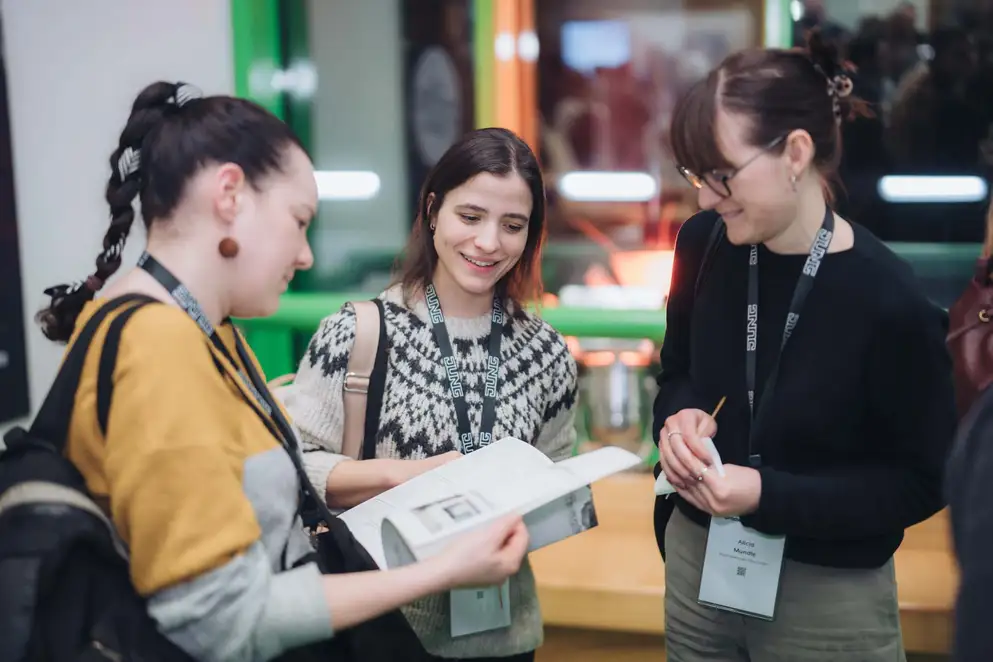

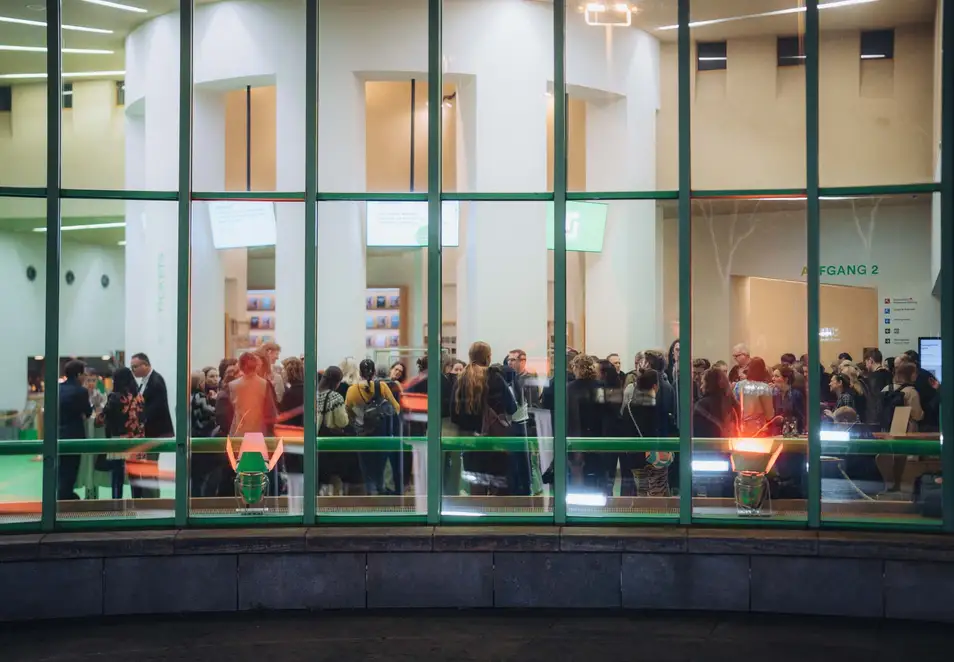
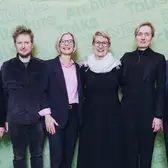
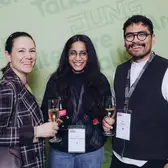
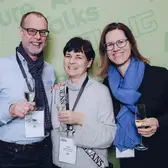

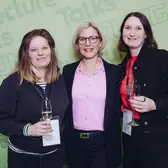

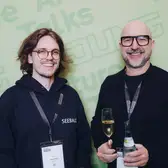
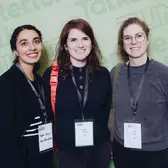
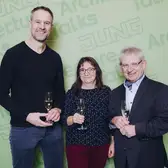

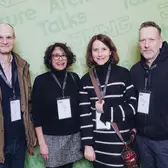
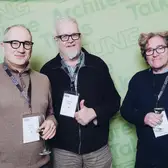
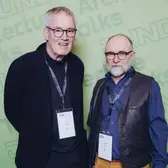


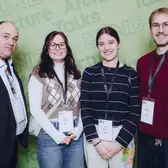
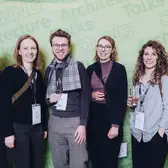

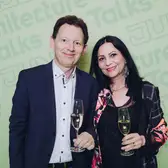



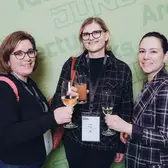
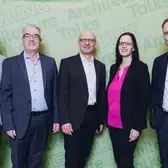
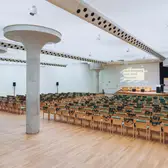
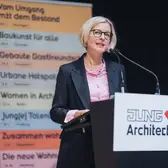
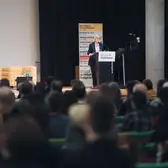
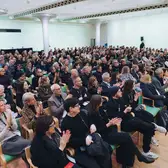
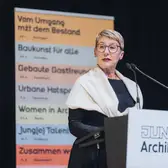
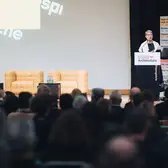
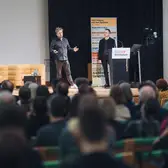
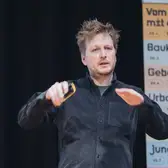
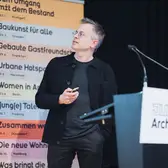
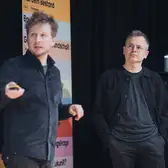
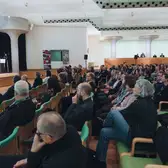
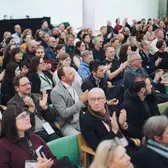

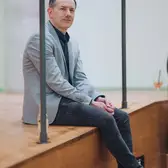
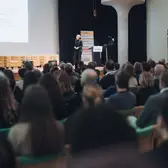
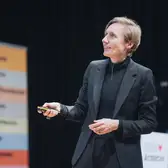
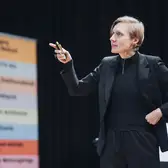
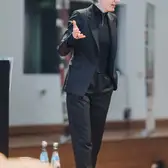
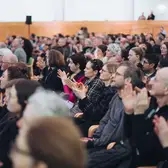
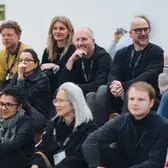
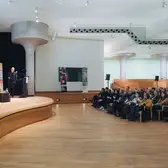
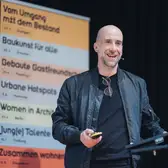
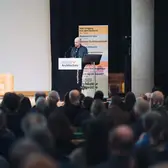
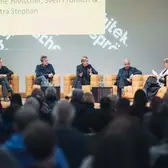
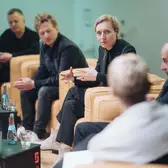
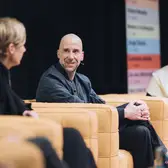
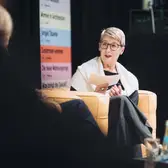
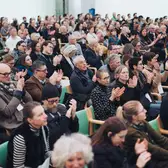
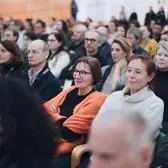
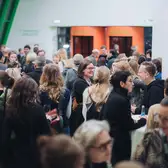
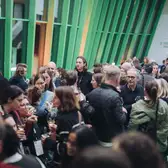
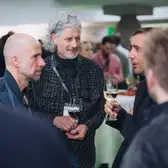
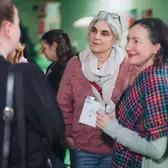


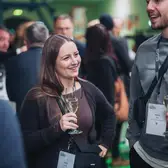
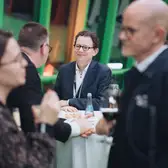


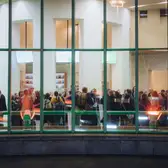


Photography: Tim Dornaus
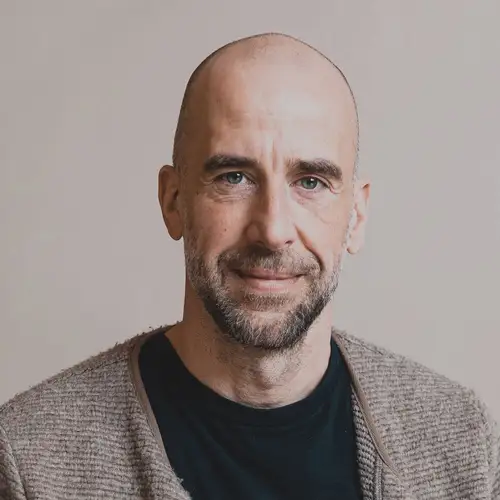
SVEN FRÖHLICH
AFF ARCHITEKTEN, BERLIN/LAUSANNE
AFF has its roots in eastern Germany and was founded in Weimar by brothers Martin and Sven Fröhlich. Today, AFF is run together with Ulrike Dix, Monic Frahn, and Valentino Vitacca as a collective of architects, craftsmen, and researchers, operating from Berlin and Lausanne. The team is engaged in teaching and research at various institutions and founded the EAST Lab at EPFL in Lausanne. Several of their buildings and projects, including the mountain shelter at Fichtelberg, the Saxon Mining Archive in Freiberg, and the listed grain testing warehouse in Berlin, have been published internationally and have received architectural awards.
“AFF regards craftsmanship and the assembly of materials as the most important components of sustainable building practice. As demonstrated in various exhibitions, their formal sensibility draws on an ambiguous repertoire of objects, intertwining an appreciation for traditional construction methods and spatial impressions.”
www.aff-architekten.com
“AFF regards craftsmanship and the assembly of materials as the most important components of sustainable building practice. As demonstrated in various exhibitions, their formal sensibility draws on an ambiguous repertoire of objects, intertwining an appreciation for traditional construction methods and spatial impressions.”
www.aff-architekten.com
Image: © AFF Architekten
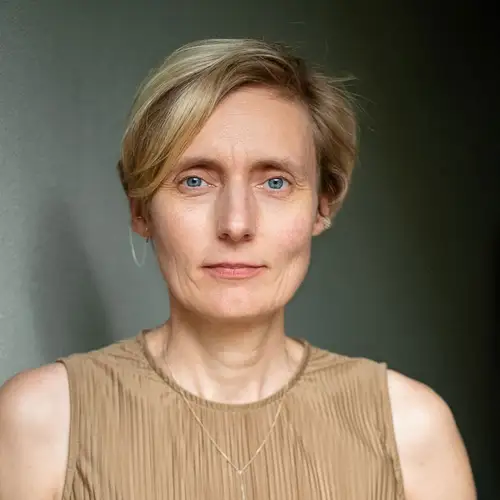
ALINE HIELSCHER
ALINE HIELSCHER ARCHITEKTUR, LEIPZIG
Born in Leipzig in 1976, Aline Hielscher studied interior architecture at the University of Applied Sciences in Wismar (1995–1999) and architecture at TU Dresden (1999–2001) and the University of Applied Sciences in Potsdam (2001–2003). After completing her studies, she lived and worked in Paris for many years, including positions with Odile Decq and Dominique Perrault. In 2013, she returned to Germany and founded her own practice, Aline Hielscher Architektur, in Leipzig in 2016.
“The office's founding principles are shaped by the combination of two cultural experiences: Aline Hielscher's East German background and the formative experience of the social upheaval during reunification, and her professional years in the cosmopolitan, dense, and culturally diverse metropolis of Paris from 2003 to 2013. The office focuses on projects that address current social issues, spatial transformation within existing buildings, and a sustainable approach to the built fabric, particularly architecture from the 1950s to 1970s.”
www.alinehielscher.com
Image: © Aline Hielscher Architektur
“The office's founding principles are shaped by the combination of two cultural experiences: Aline Hielscher's East German background and the formative experience of the social upheaval during reunification, and her professional years in the cosmopolitan, dense, and culturally diverse metropolis of Paris from 2003 to 2013. The office focuses on projects that address current social issues, spatial transformation within existing buildings, and a sustainable approach to the built fabric, particularly architecture from the 1950s to 1970s.”
www.alinehielscher.com
Image: © Aline Hielscher Architektur
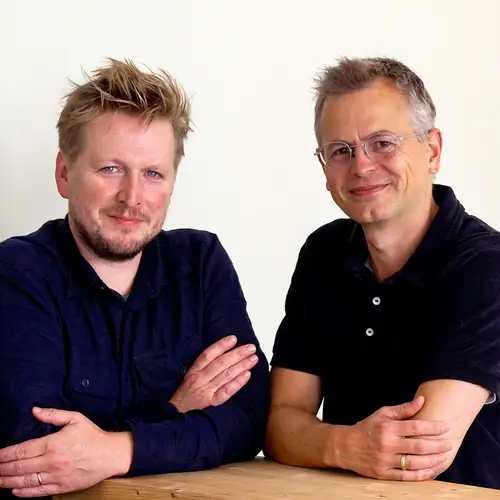
PHILIPP NEHSE &
PATRICK GERSTEIN
NEHSE & GERSTEIN ARCHITEKTEN, HANNOVER
Nehse & Gerstein Architekten was founded in 2012 by Philipp Nehse and Patrick Gerstein. With a dedicated team, holistic thinking, and a passion for material-specific design and construction, the office plans and realises a wide variety of projects in the fields of urban spaces, buildings, and interiors. The office’s core focus lies in working with existing buildings.
“Nehse & Gerstein Architekten analyse what already exists and highlight the potential for both preservation and innovation. Tradition, construction, craftsmanship, and the choice of materials form the foundation for continuity and interpretation. By reducing building technology to a reasonable minimum, relying on future-ready structures, and building in a simple and material-appropriate way, they create robust architecture: permanence as a counterpoint to the temporary.”
www.ng-architekten.de
Image: © Nehse & Gerstein Architekten
“Nehse & Gerstein Architekten analyse what already exists and highlight the potential for both preservation and innovation. Tradition, construction, craftsmanship, and the choice of materials form the foundation for continuity and interpretation. By reducing building technology to a reasonable minimum, relying on future-ready structures, and building in a simple and material-appropriate way, they create robust architecture: permanence as a counterpoint to the temporary.”
www.ng-architekten.de
Image: © Nehse & Gerstein Architekten

MODERATION
The event was moderated by Petra Stephan, editor-in-chief of the architecture magazine AIT.
AIT is the leading professional journal for architecture and interior design, highlighting the importance of interior spaces within a holistic view of architecture. Through its editorial focus, visual design and layout, AIT places interior architecture at the forefront, both nationally and internationally, ten times a year, successfully occupying a distinct niche within the architectural publishing landscape.
www.ait-xia-dialog.de
Image: © AIT
AIT is the leading professional journal for architecture and interior design, highlighting the importance of interior spaces within a holistic view of architecture. Through its editorial focus, visual design and layout, AIT places interior architecture at the forefront, both nationally and internationally, ten times a year, successfully occupying a distinct niche within the architectural publishing landscape.
www.ait-xia-dialog.de
Image: © AIT