VALENCIA, 04.06.2026
DESIGNING THE INVISIBLE | When technology becomes spatial quality
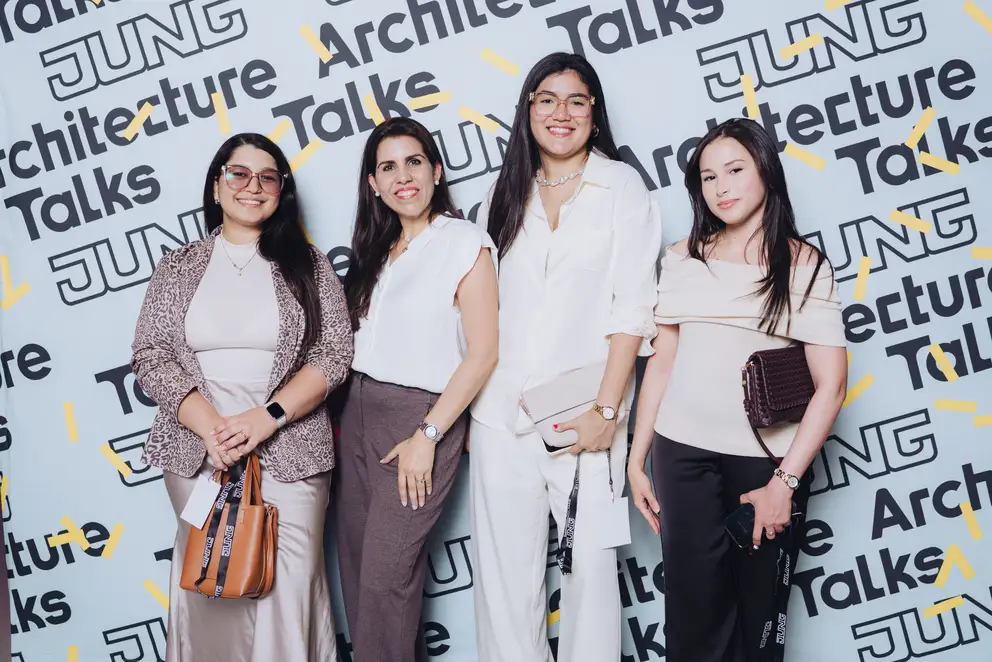
In 2026, the JUNG Architecture Talks are celebrating their 20th anniversary. Building networks, gaining insights and finding inspiration, as well as engaging in professional discussions in a relaxed atmosphere – this is what our event has stood for over the past two decades.
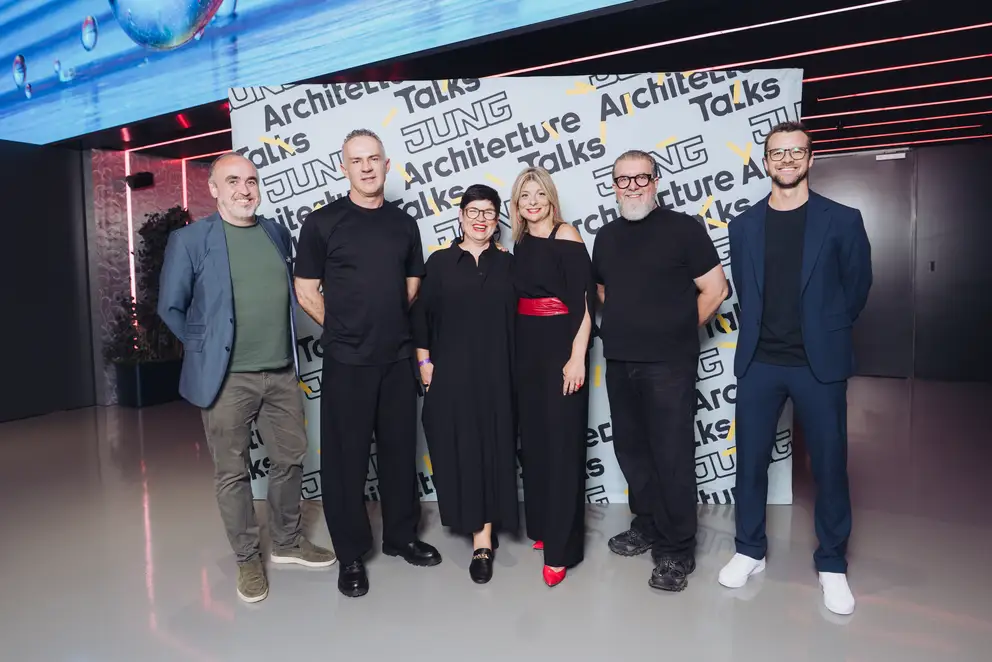
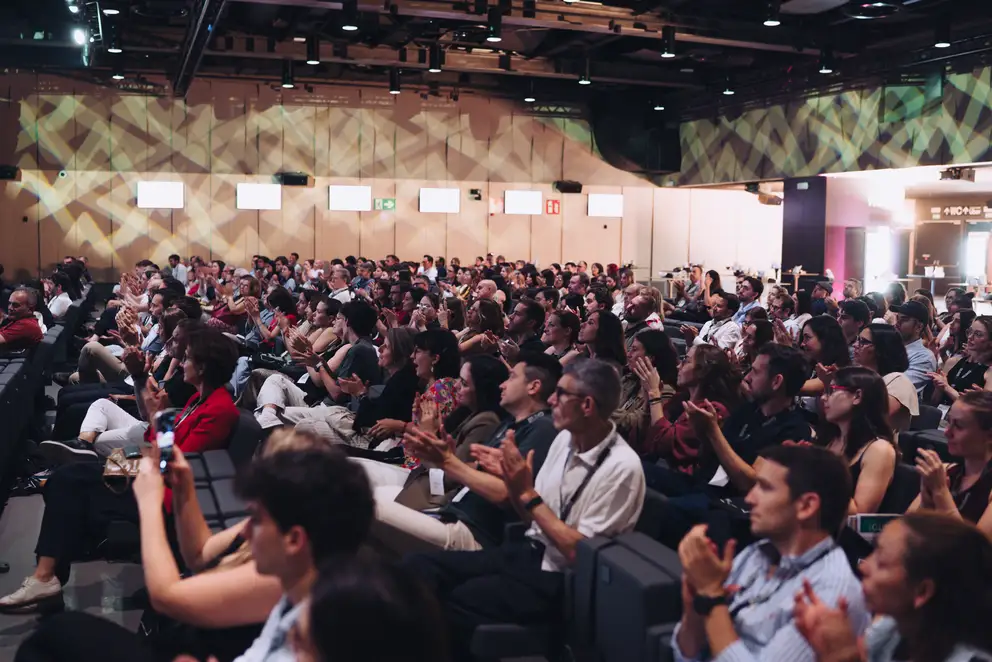
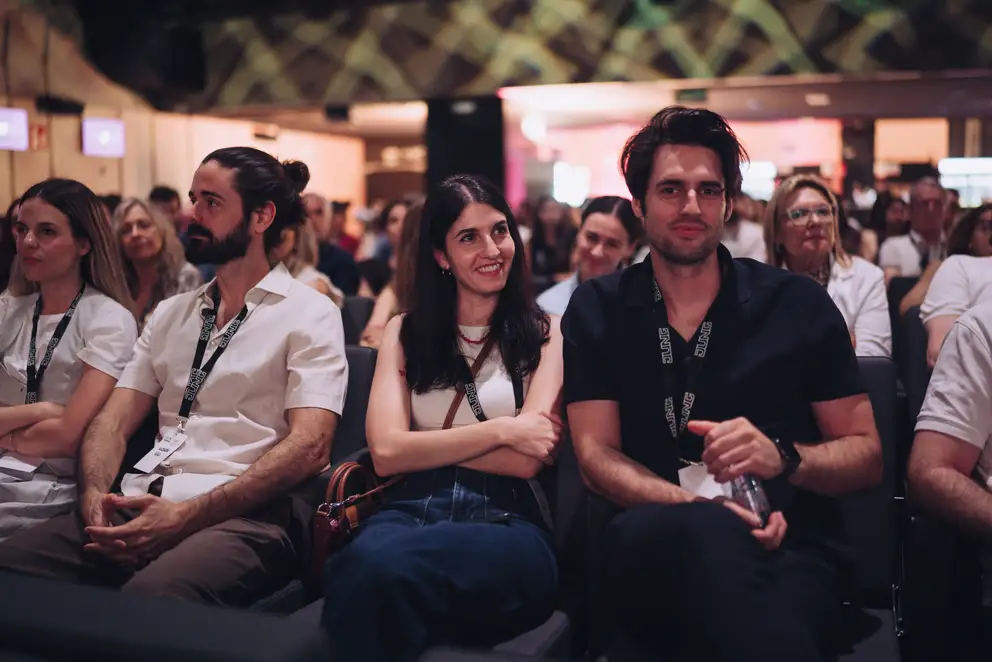
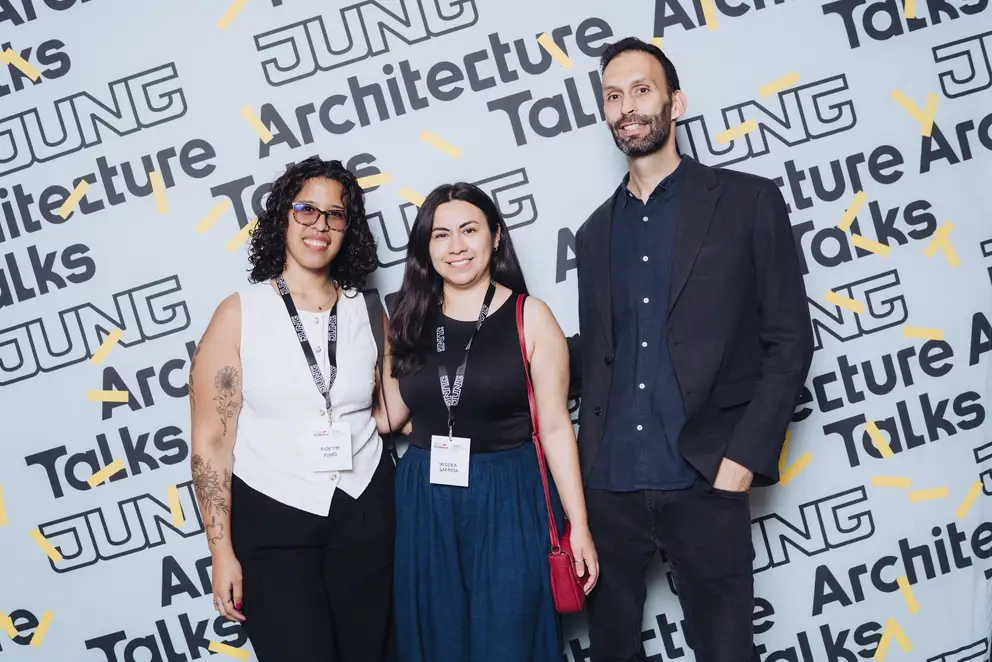
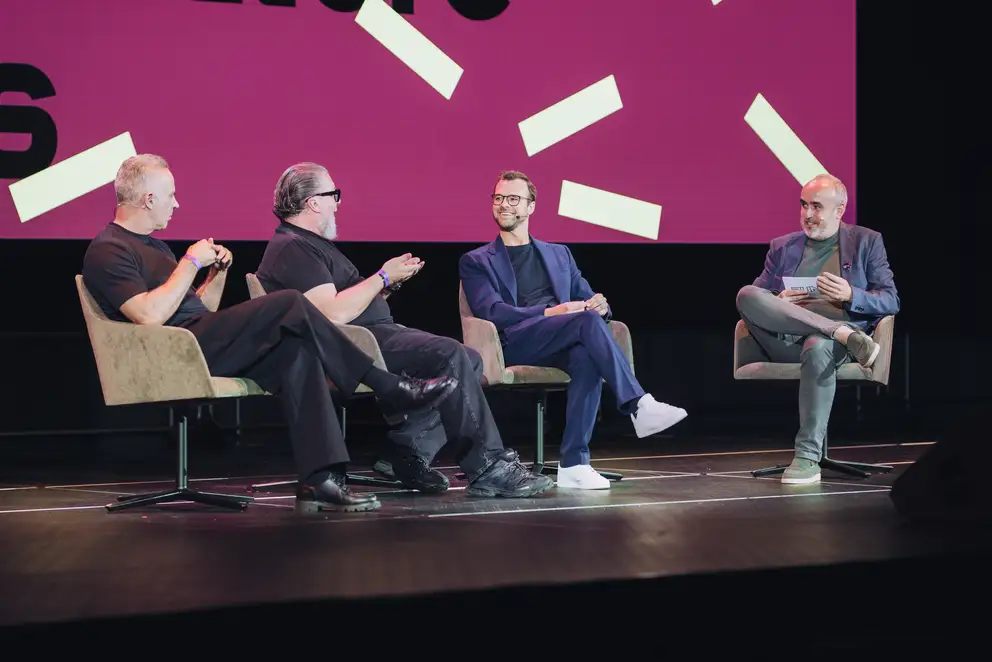
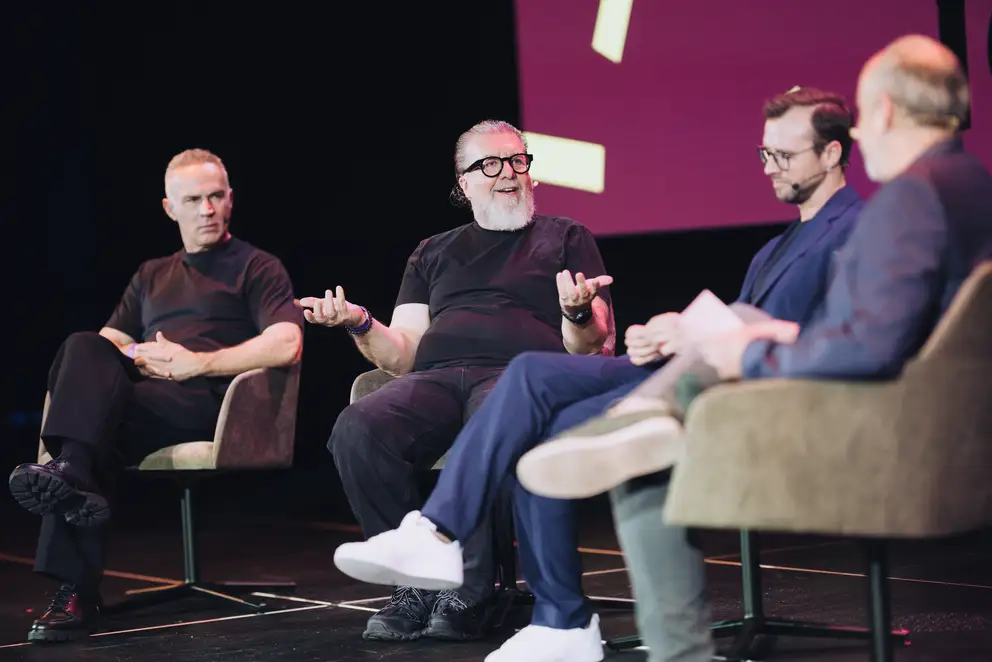
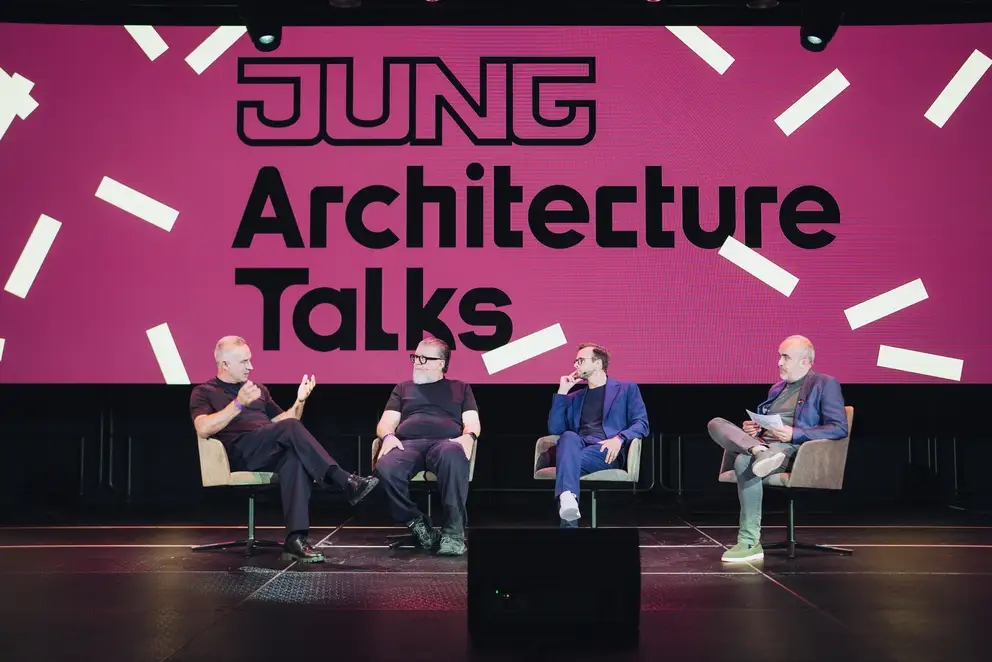
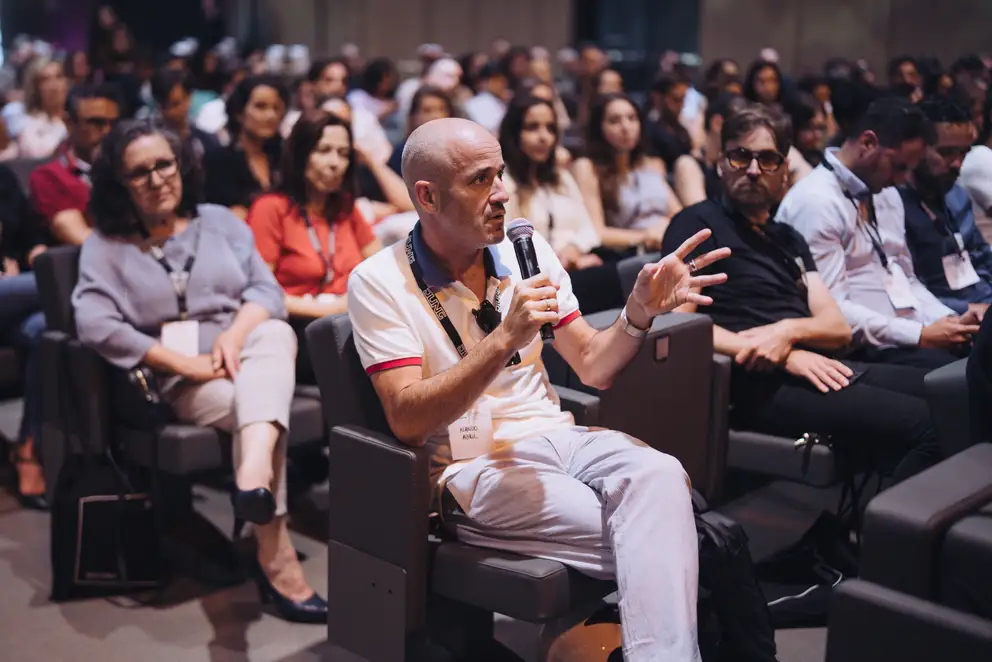
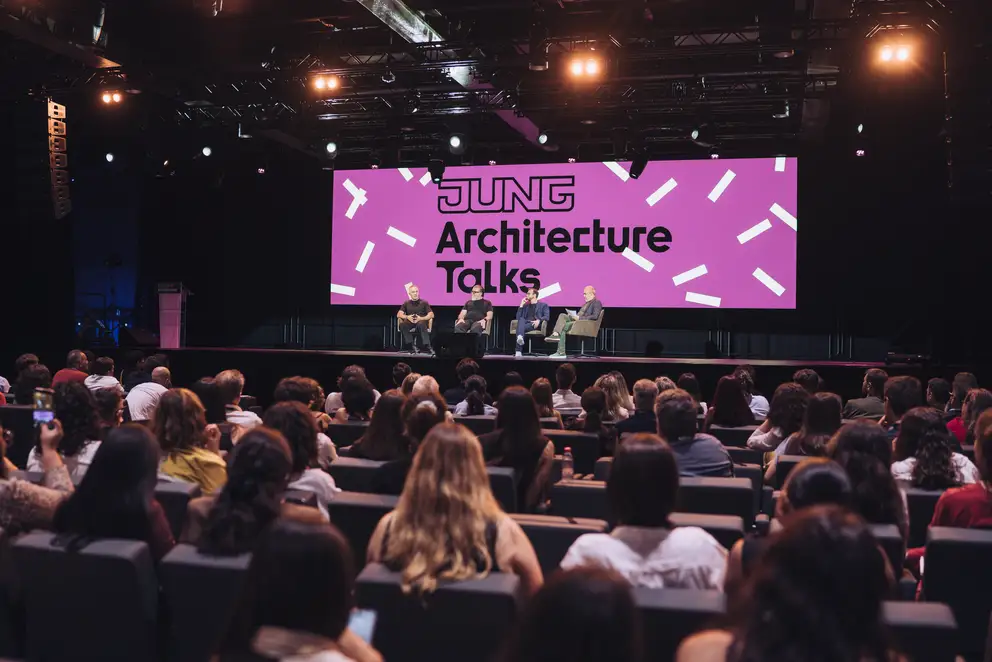
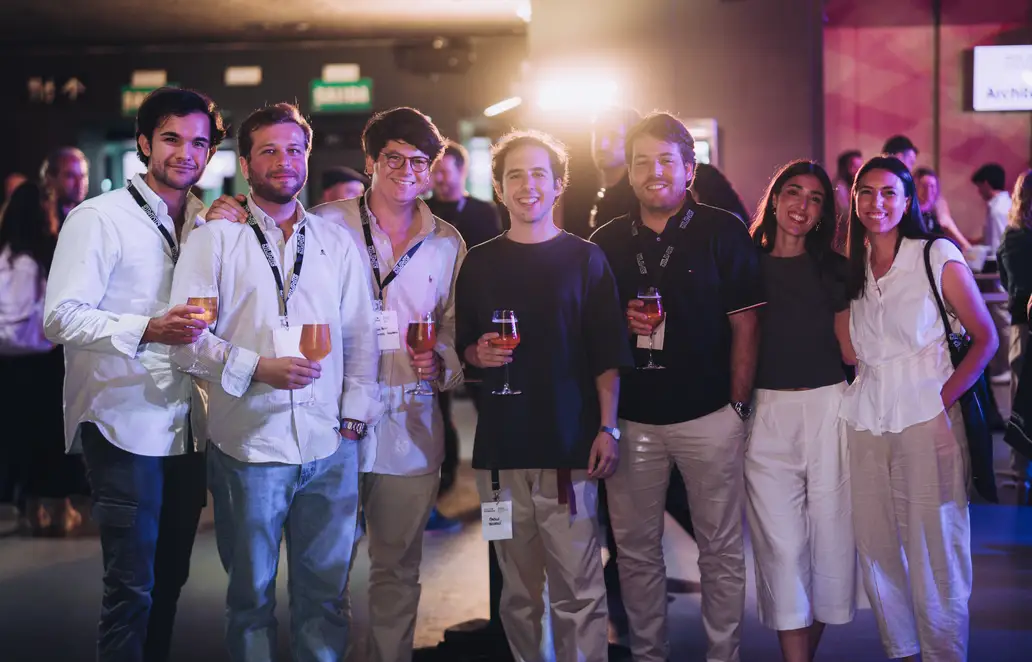
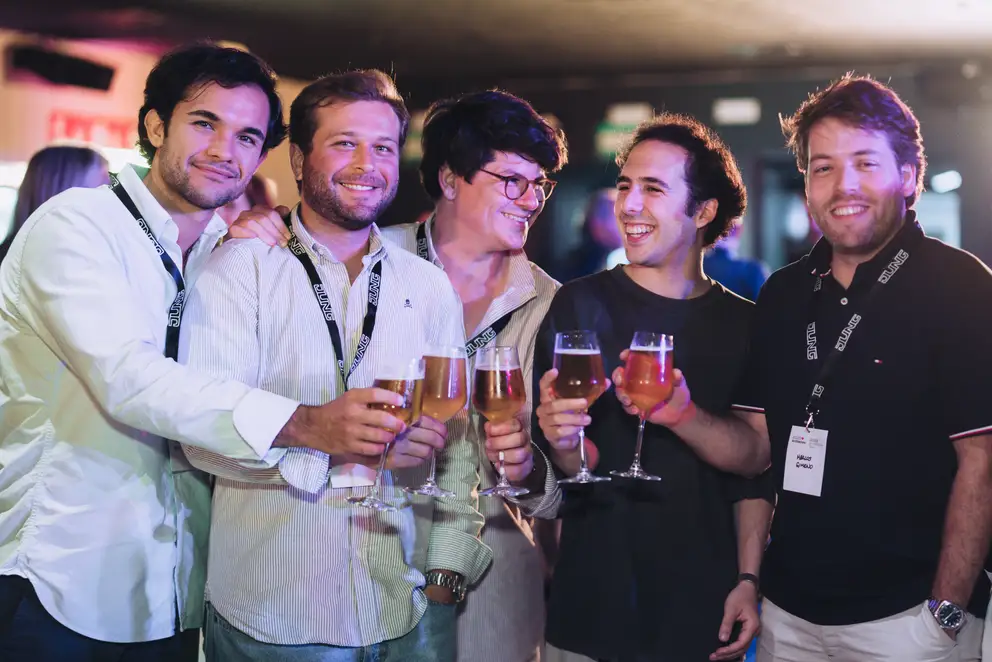
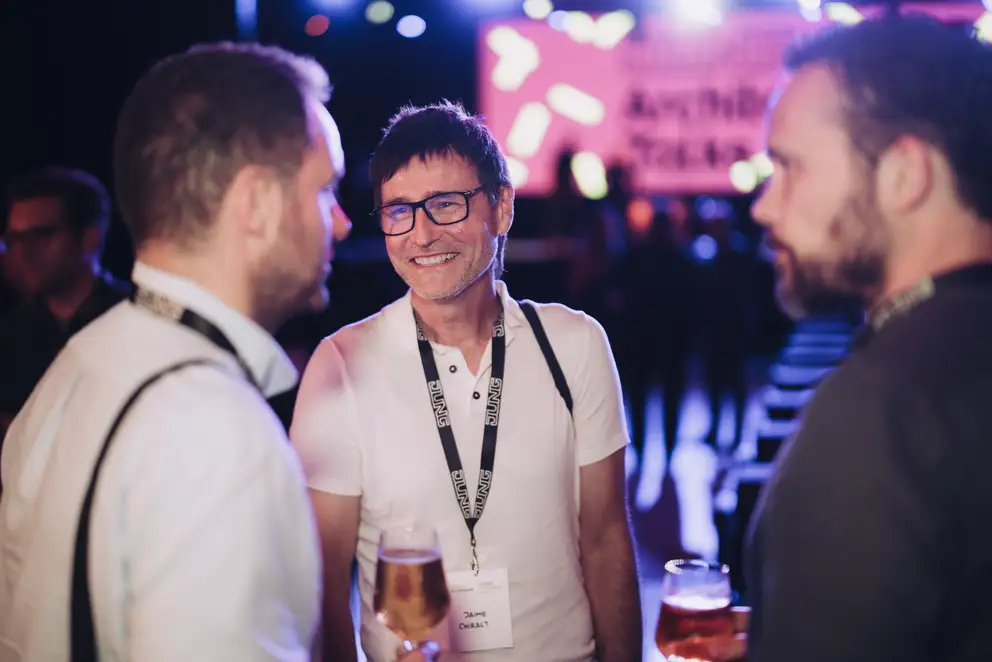
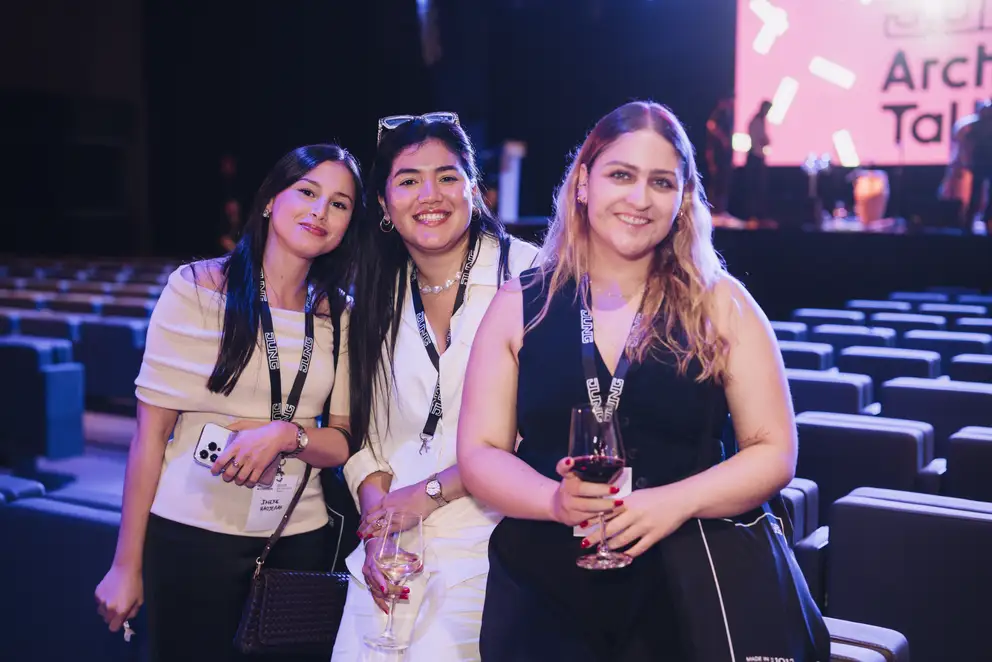
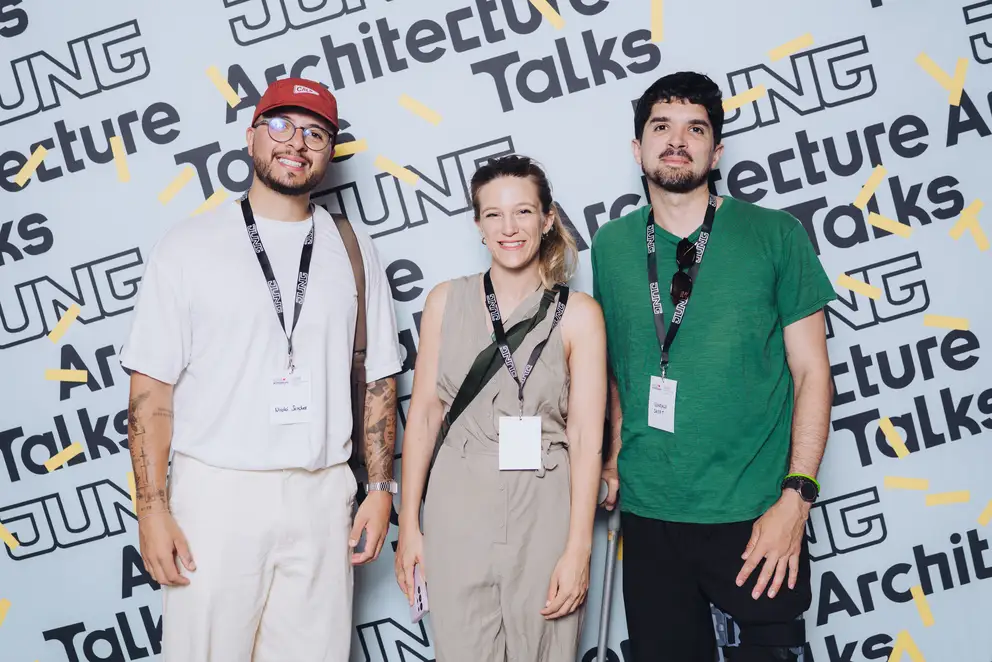
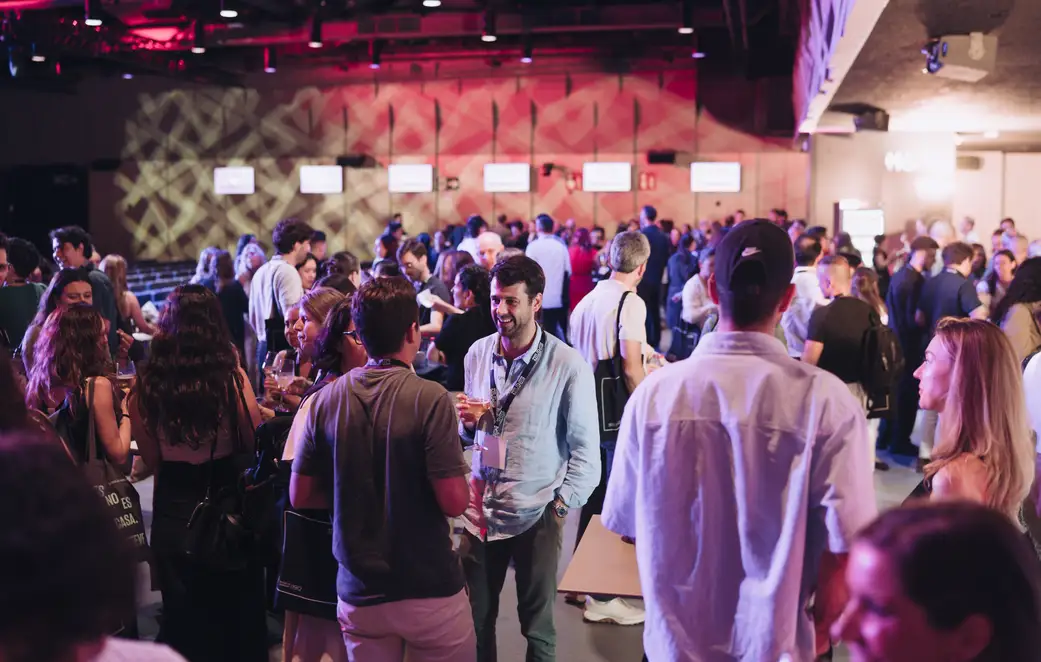
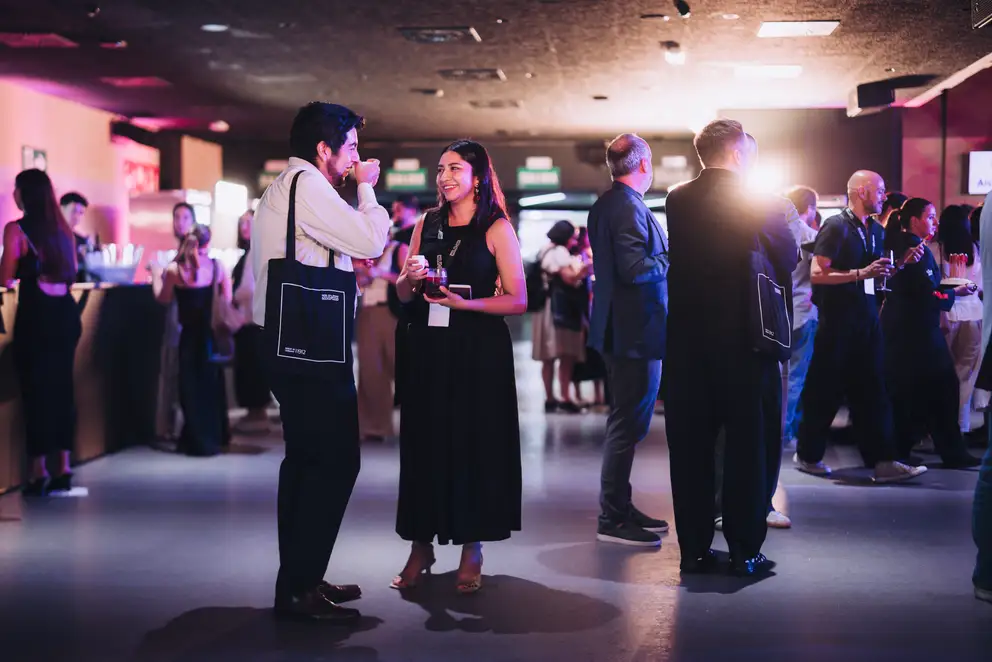
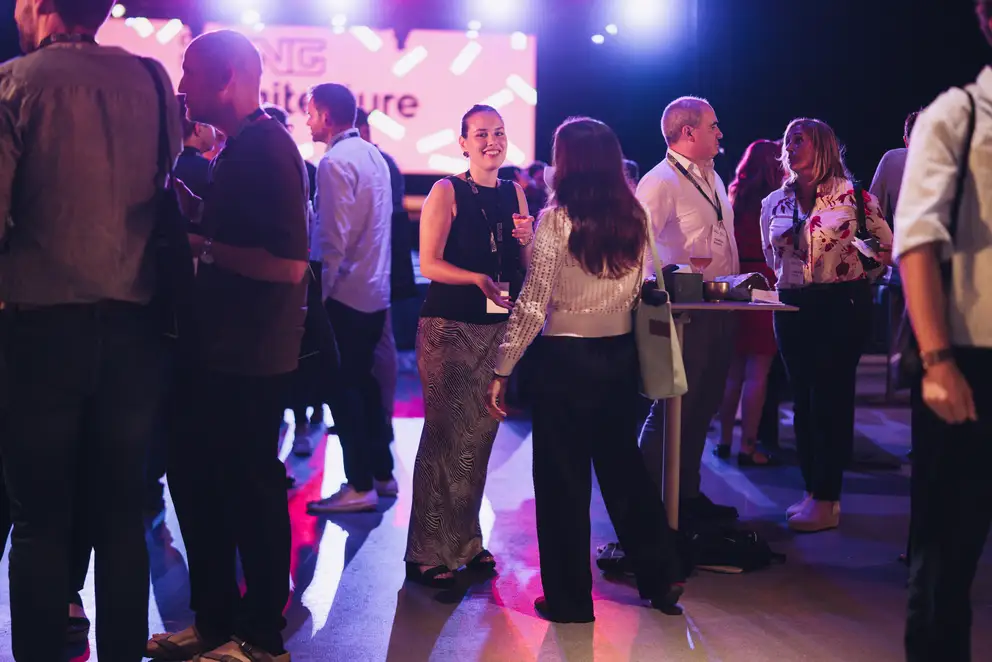
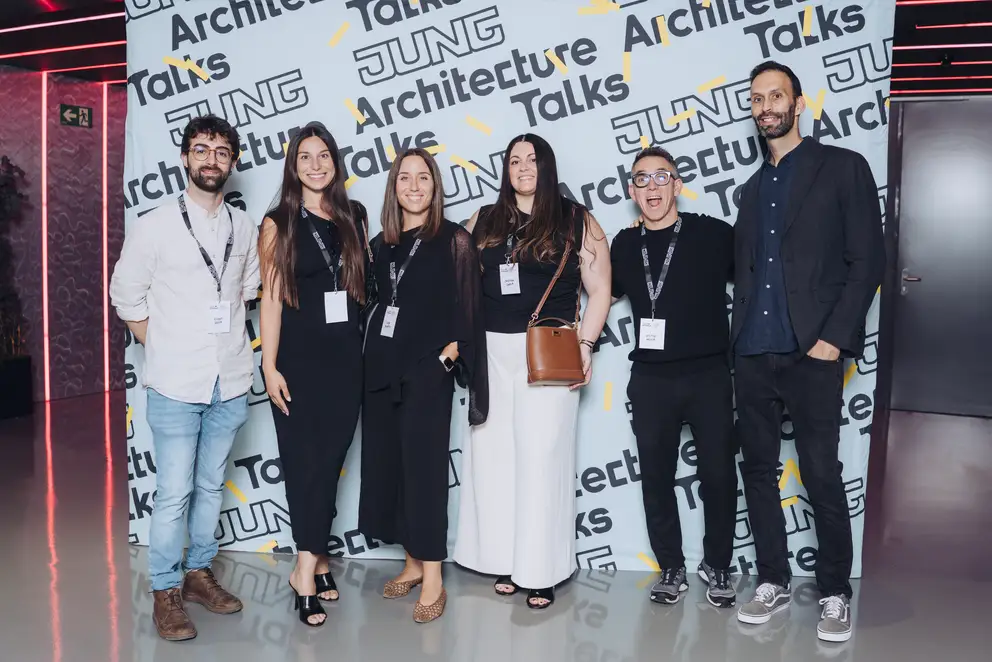
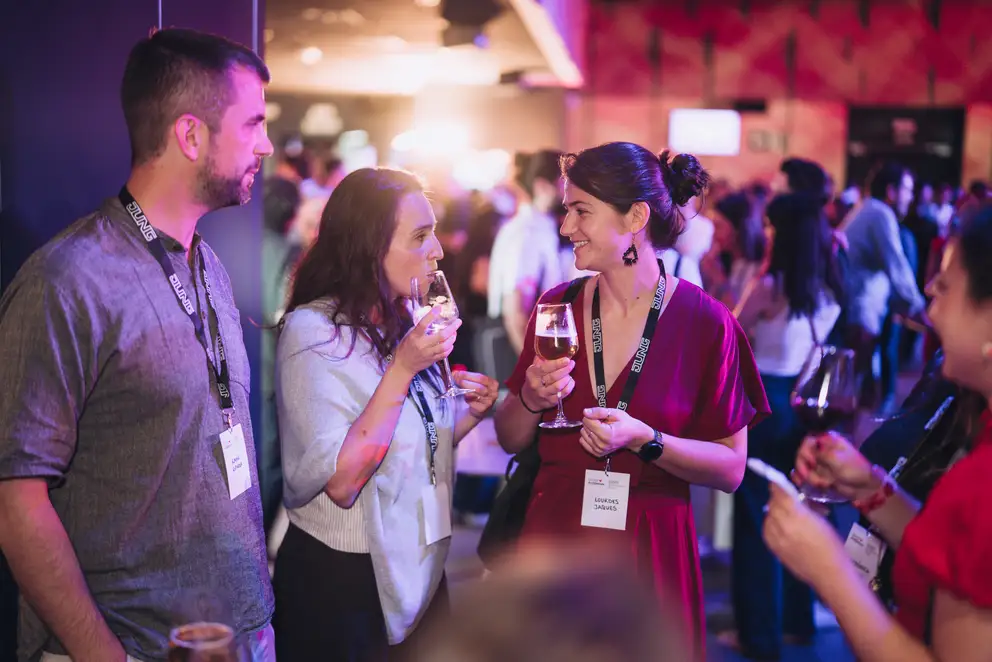
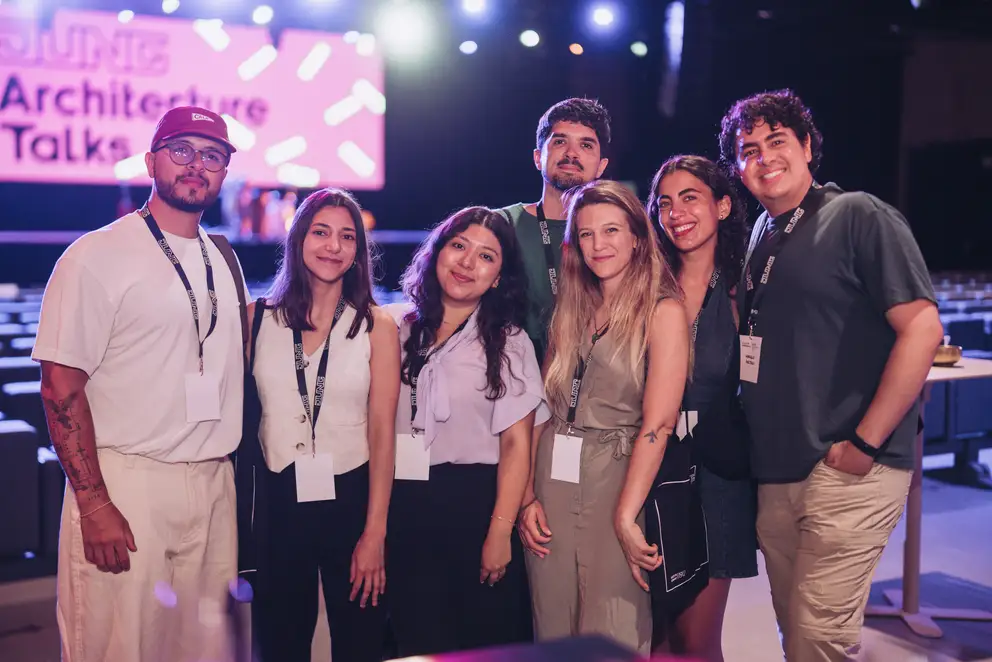
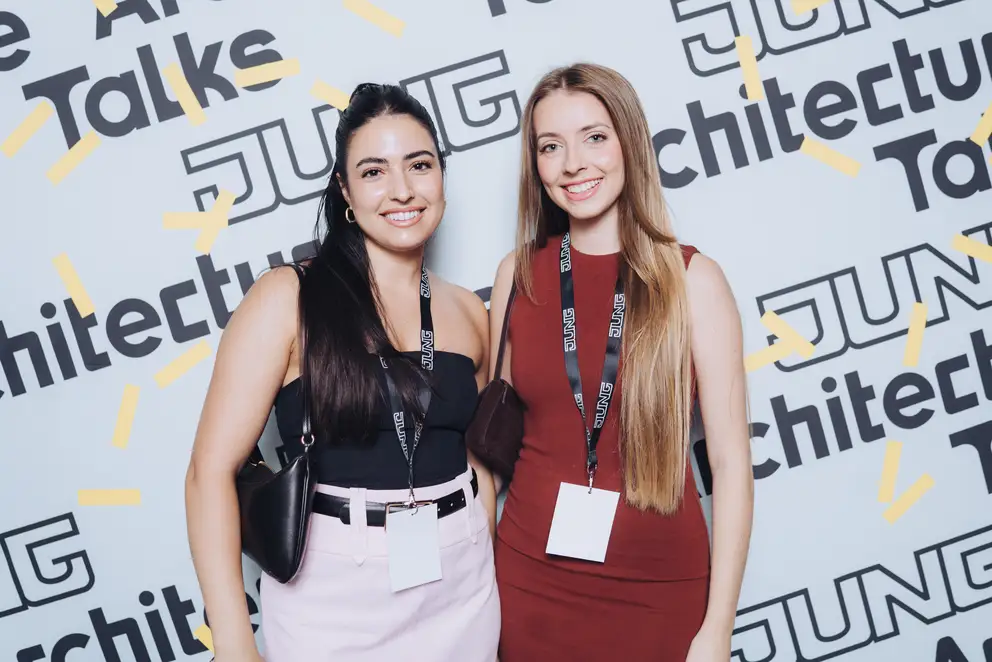
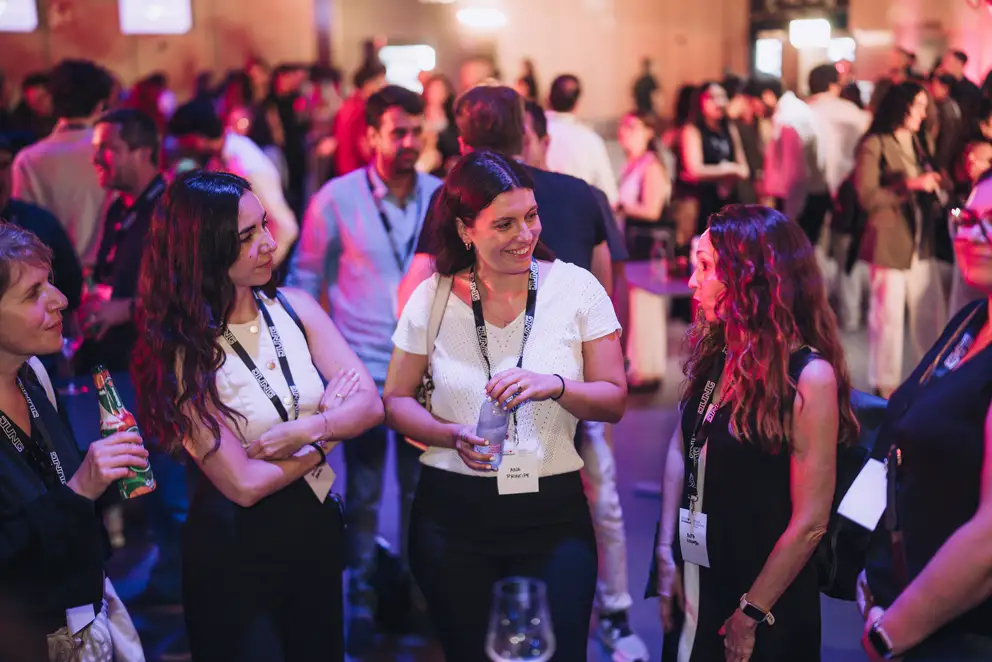
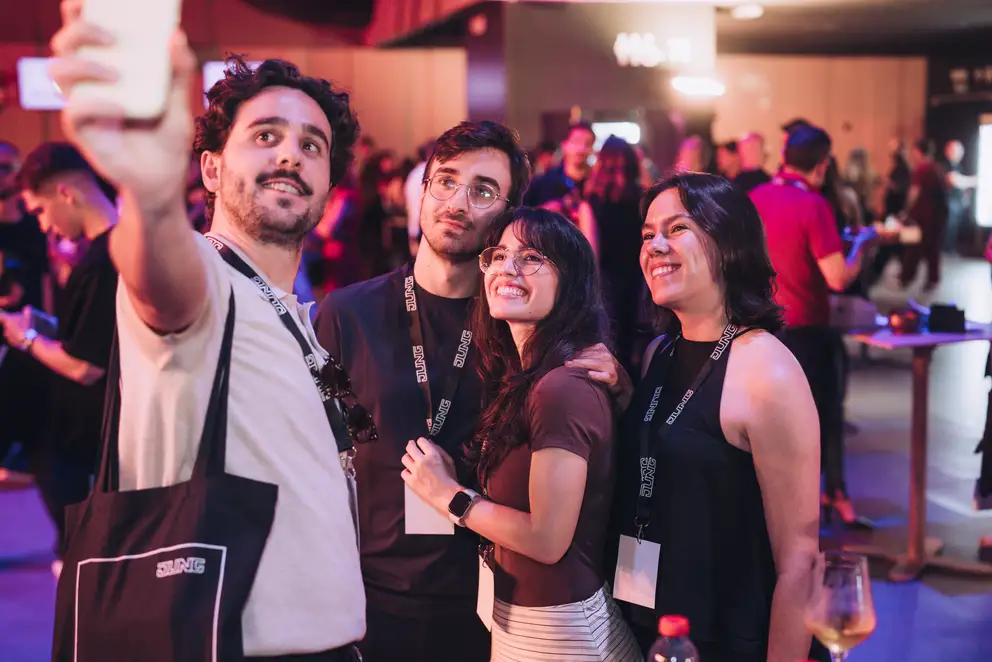
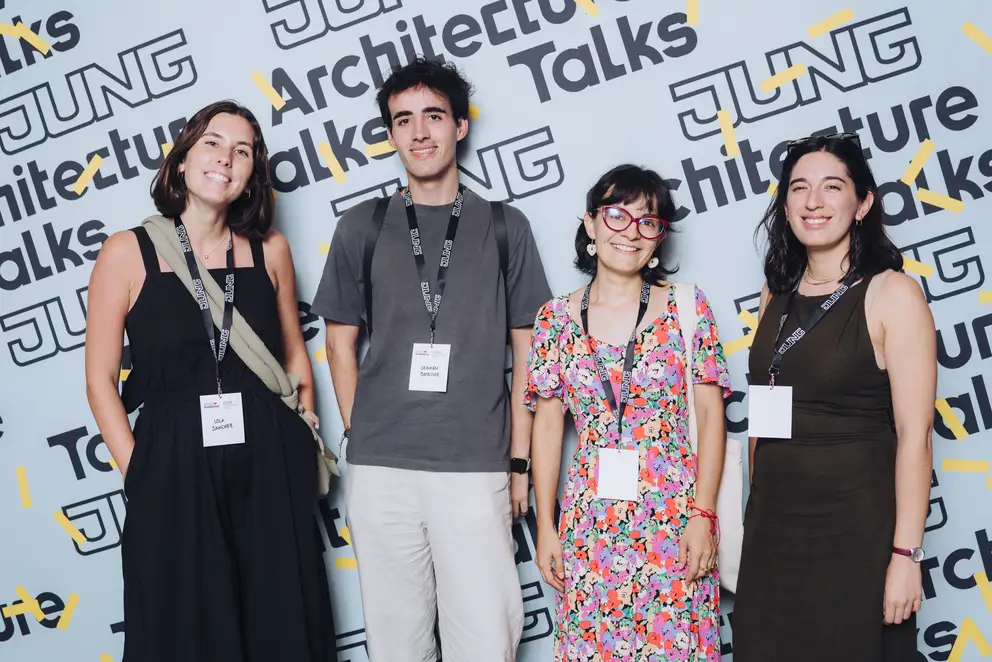
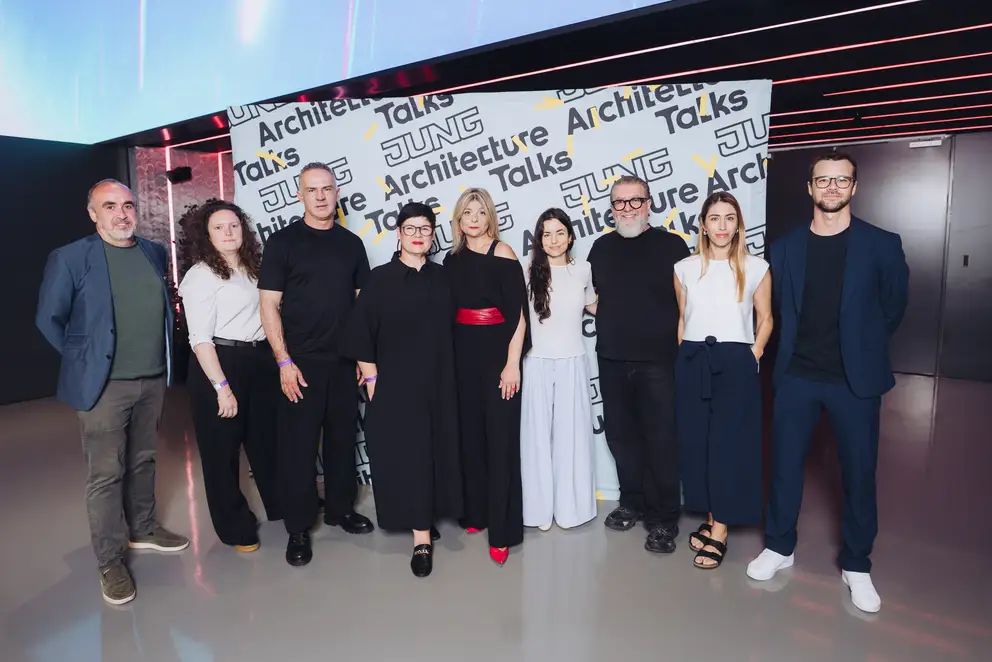
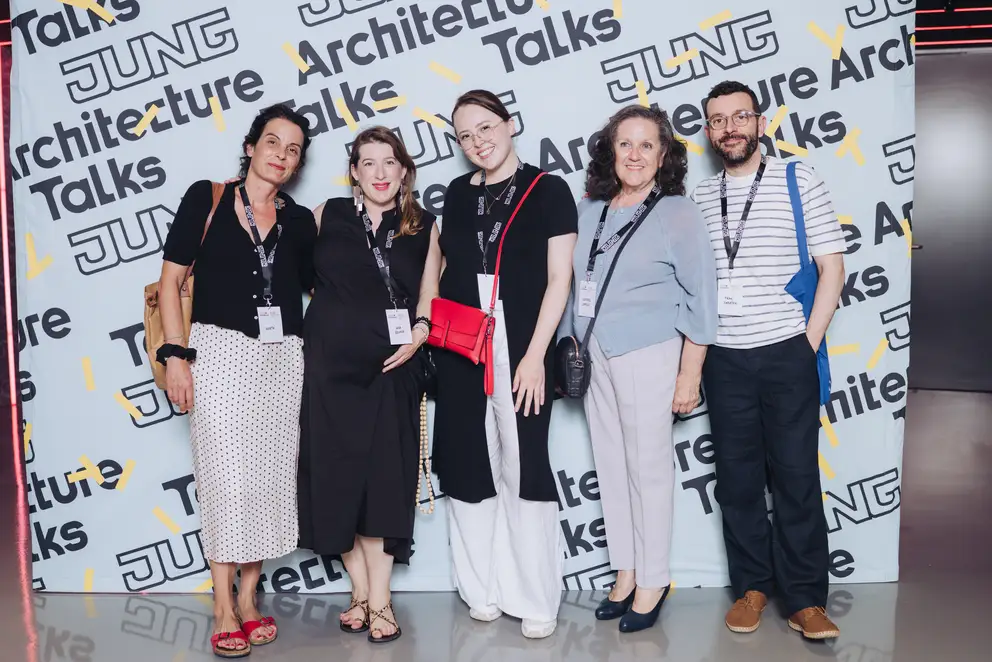
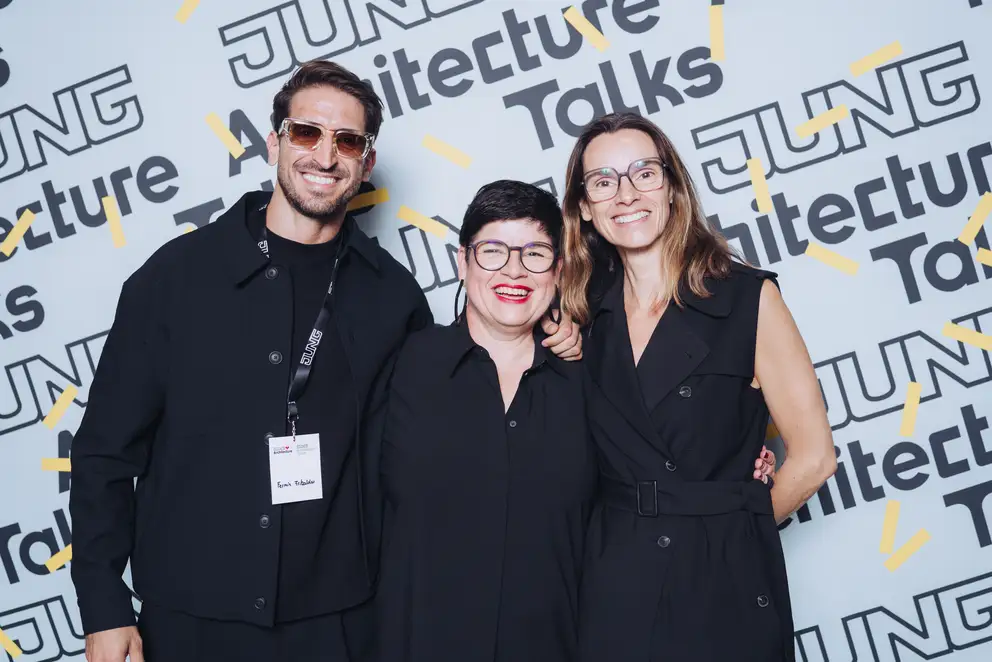
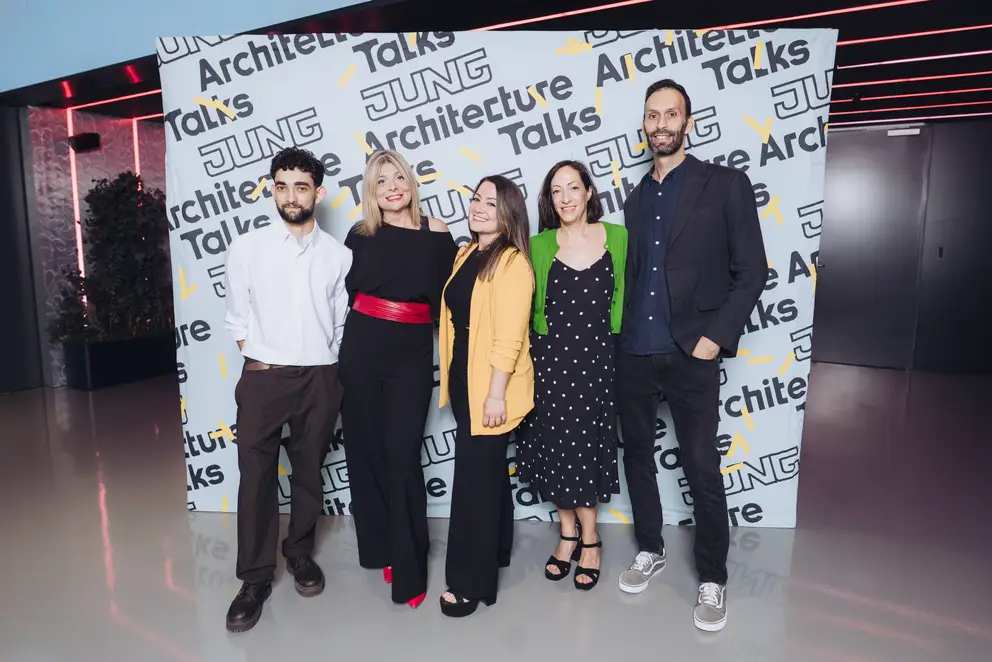
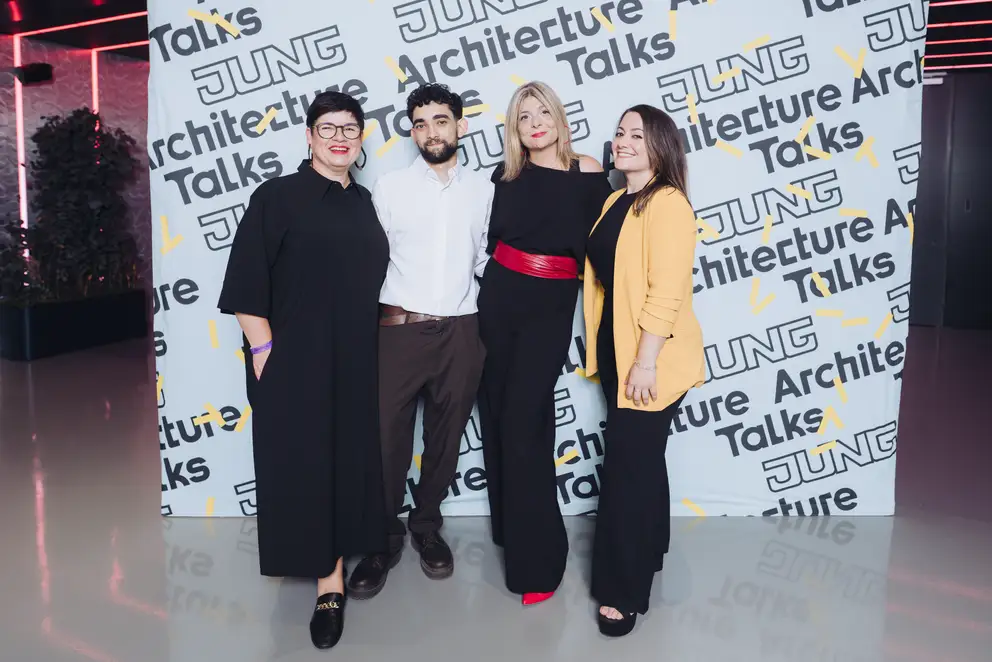
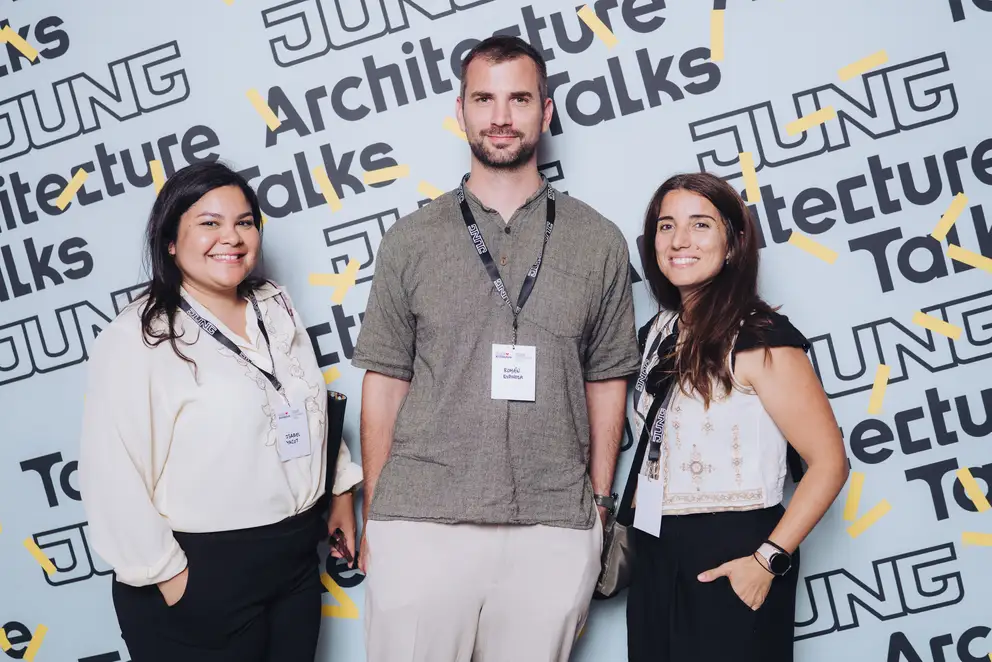
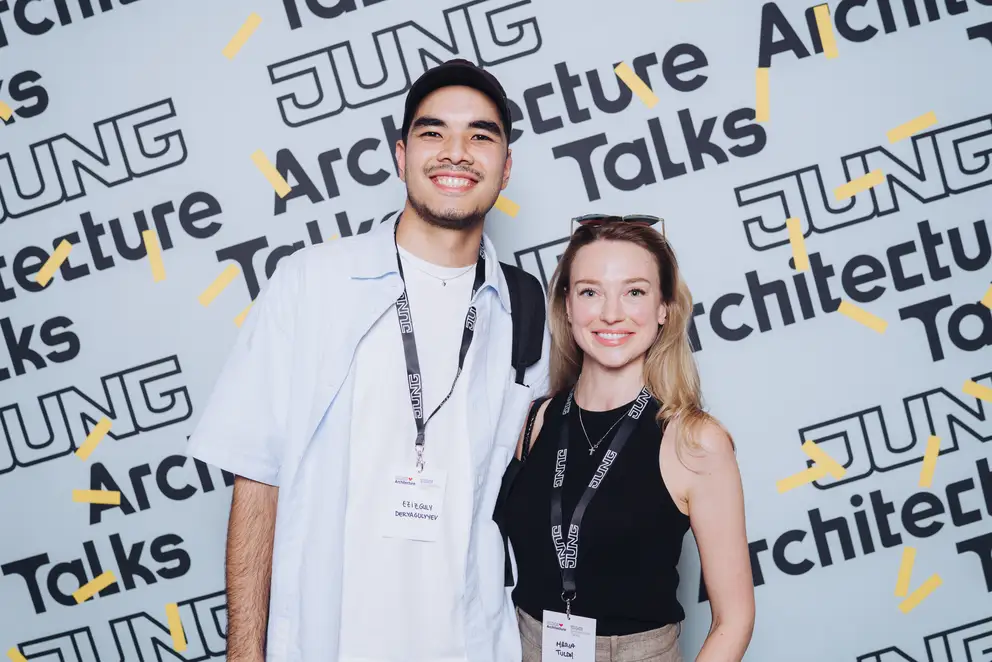
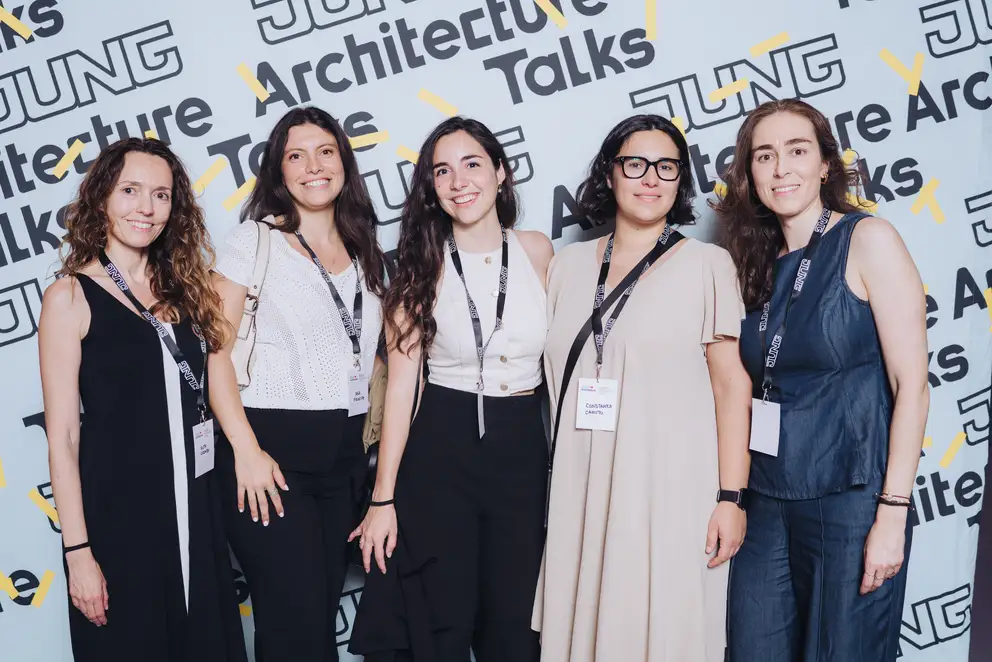
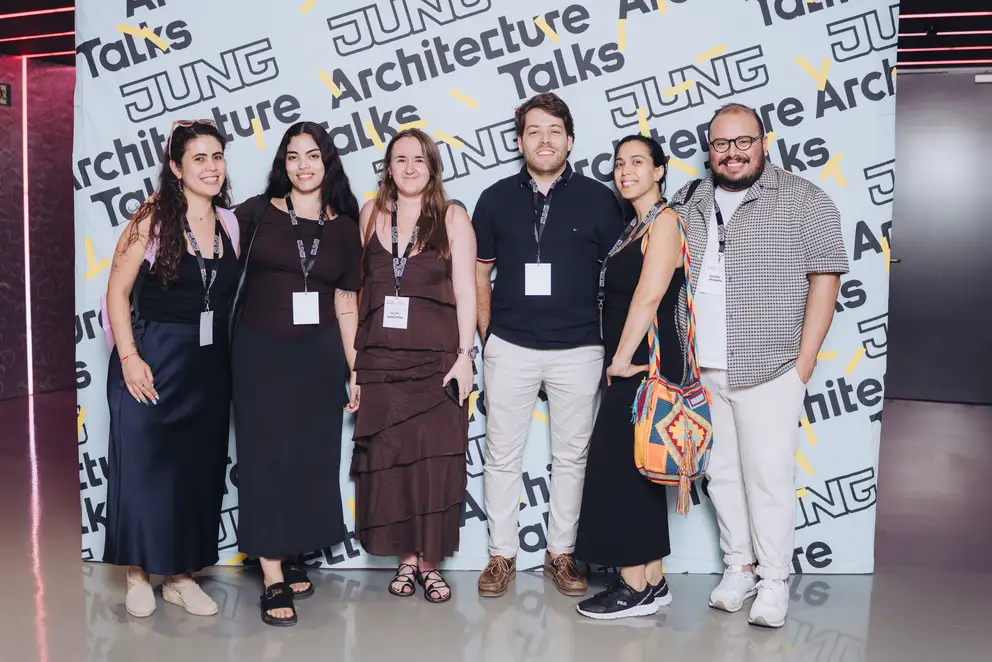
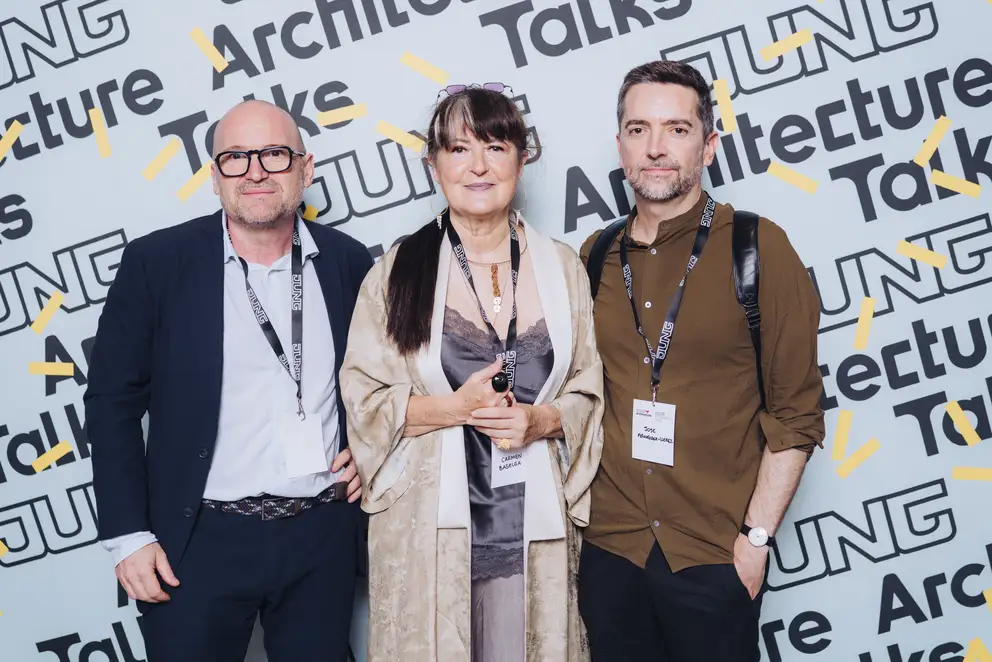
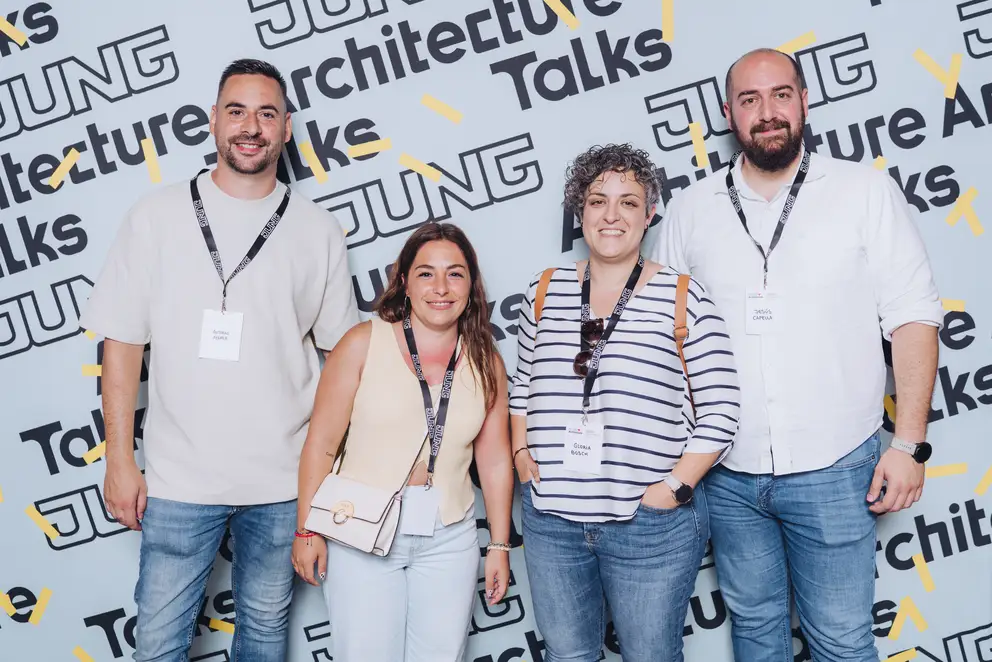
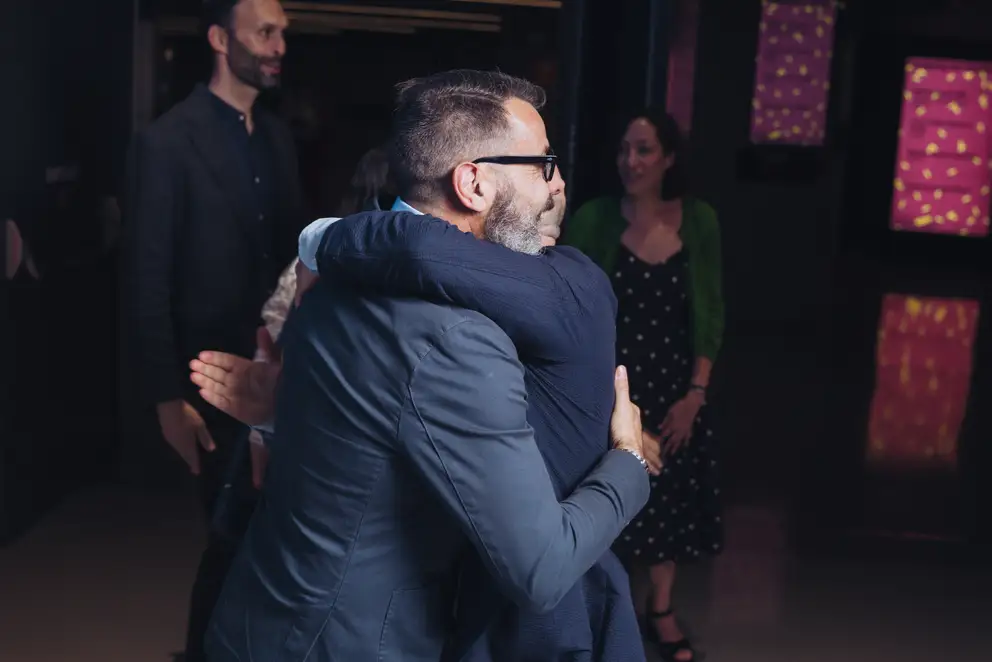
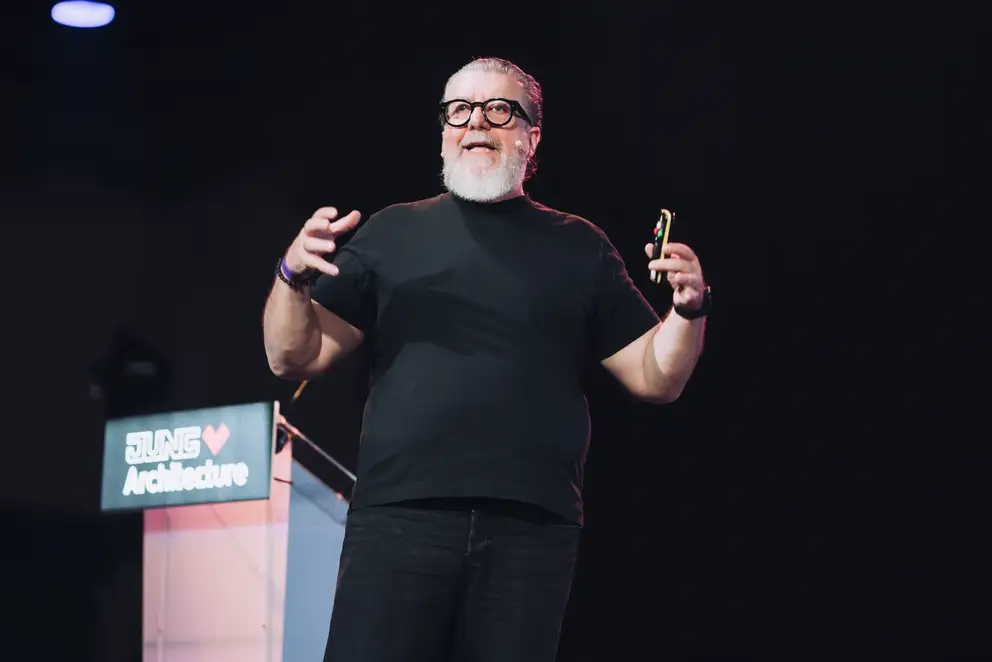
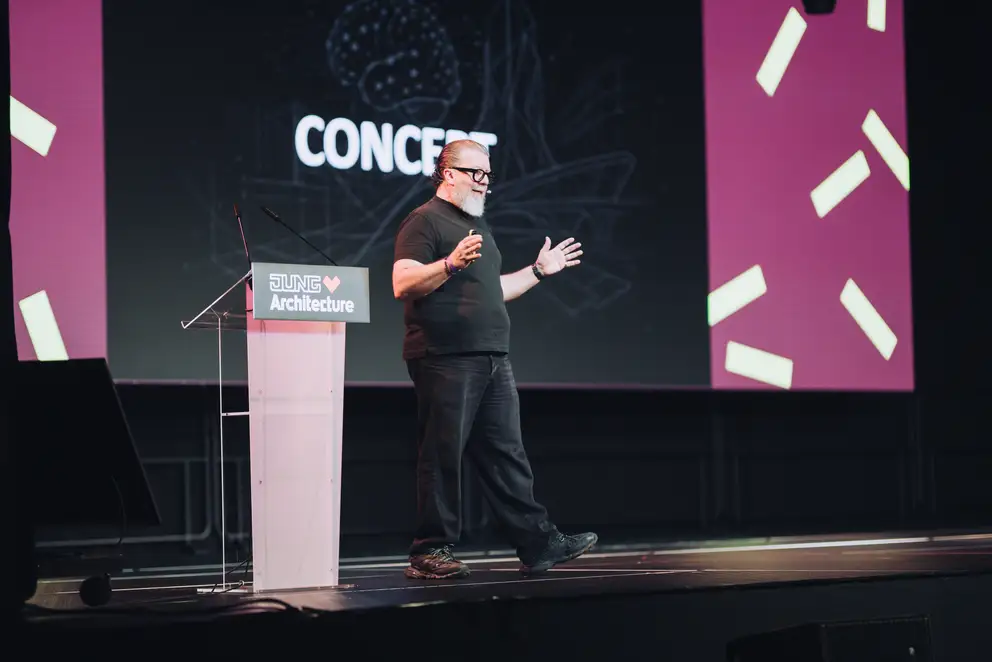
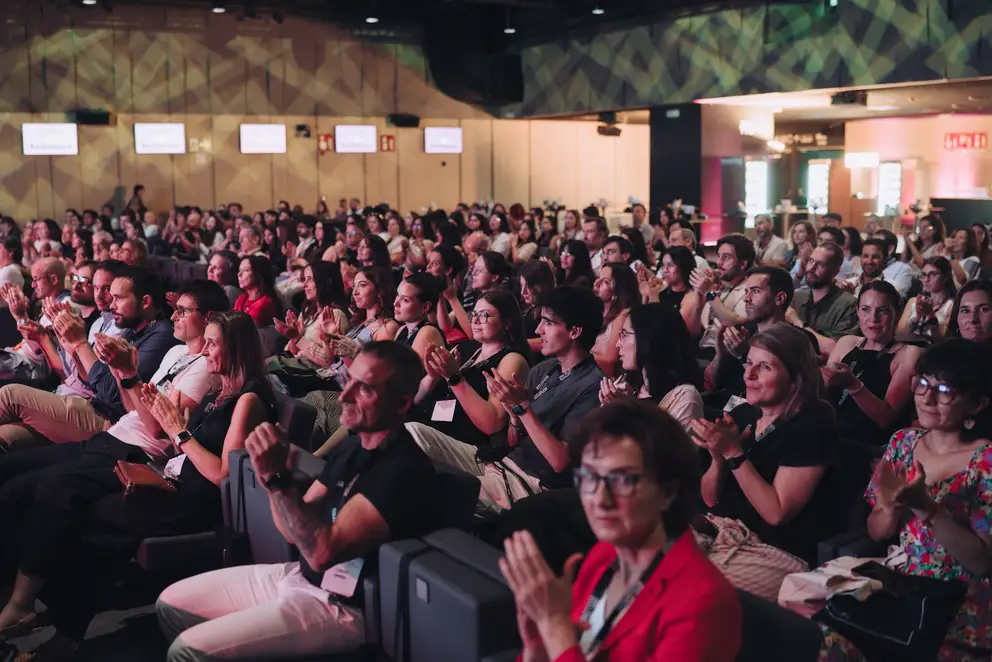
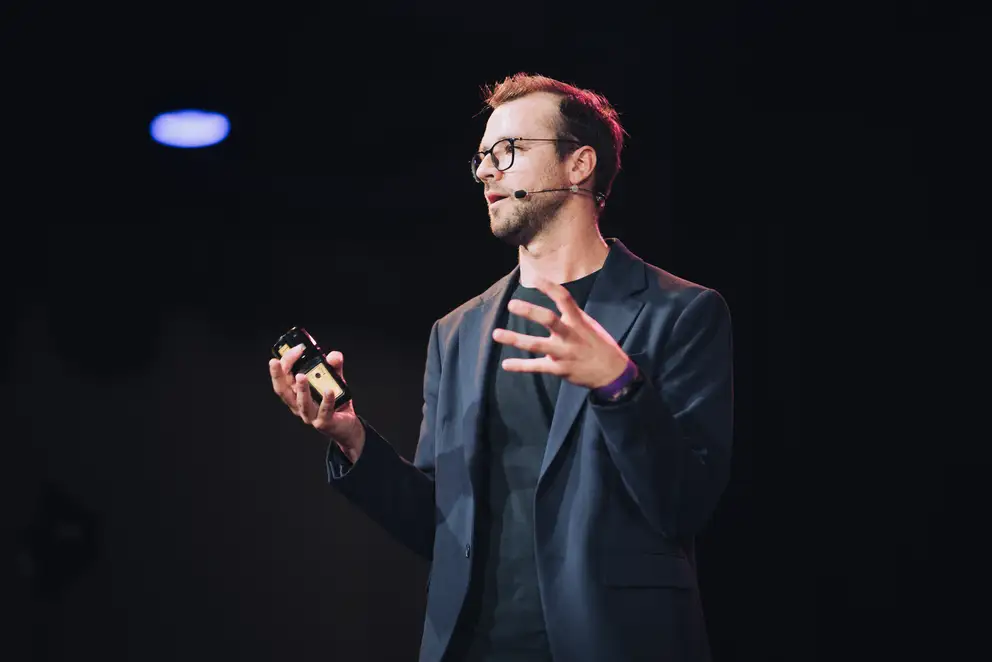
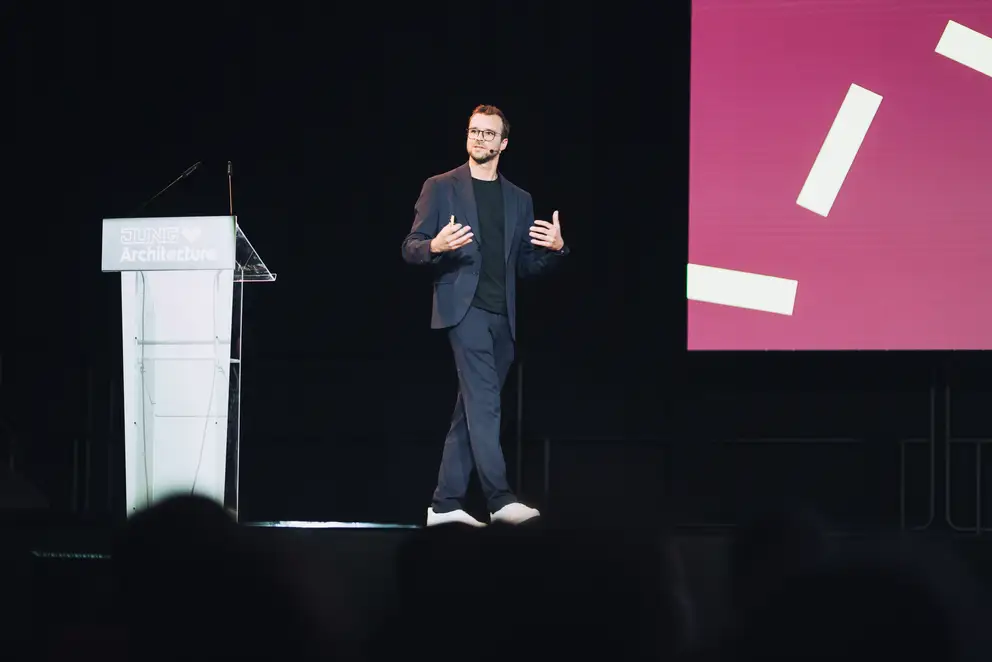
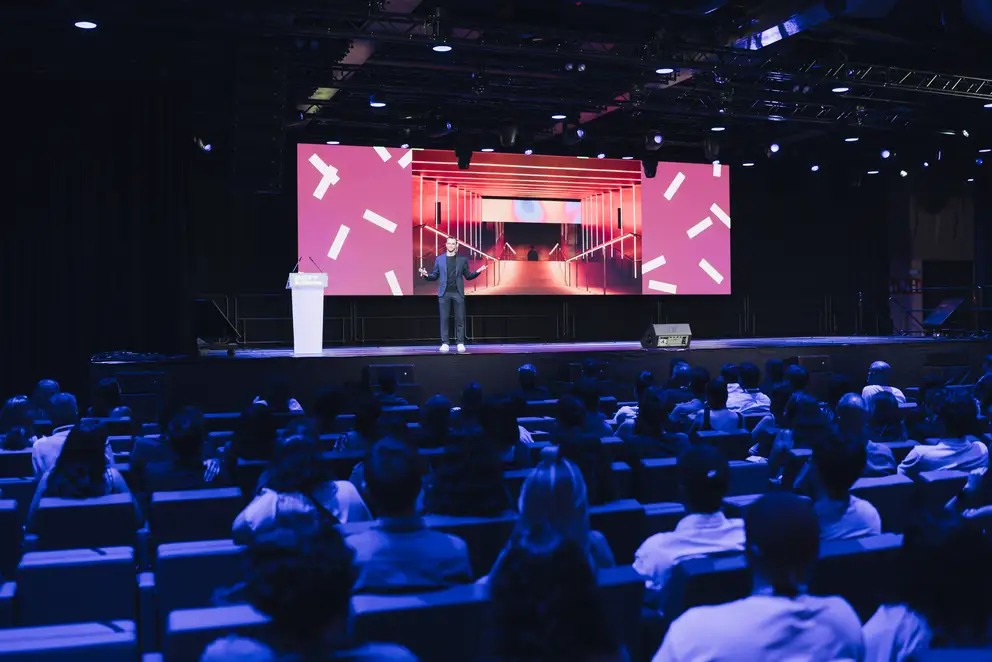
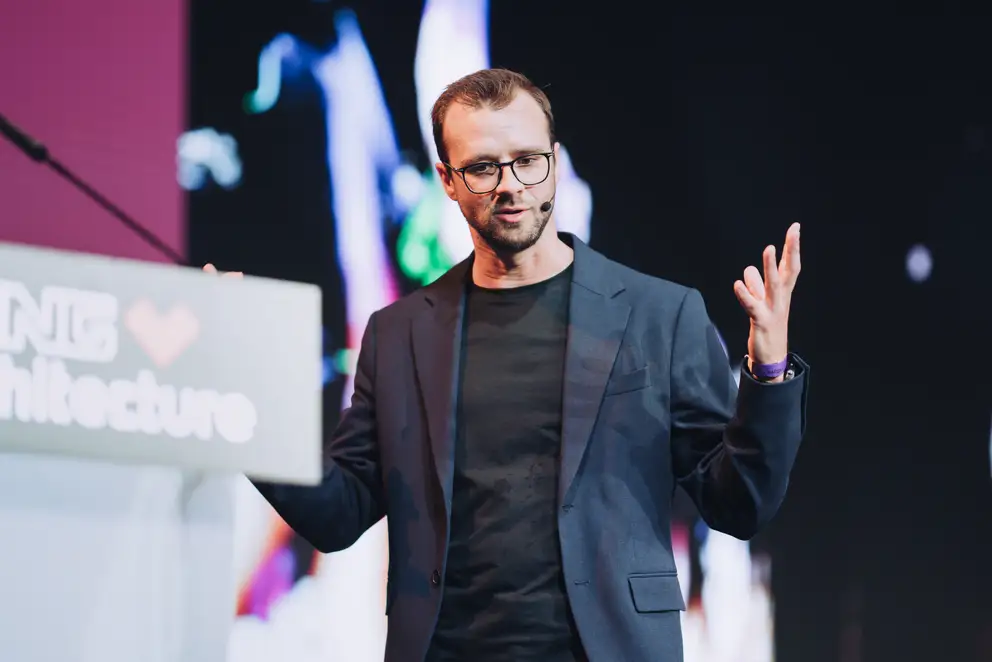
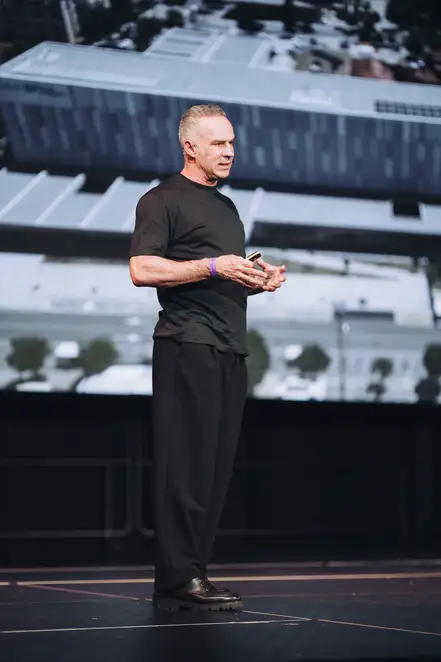
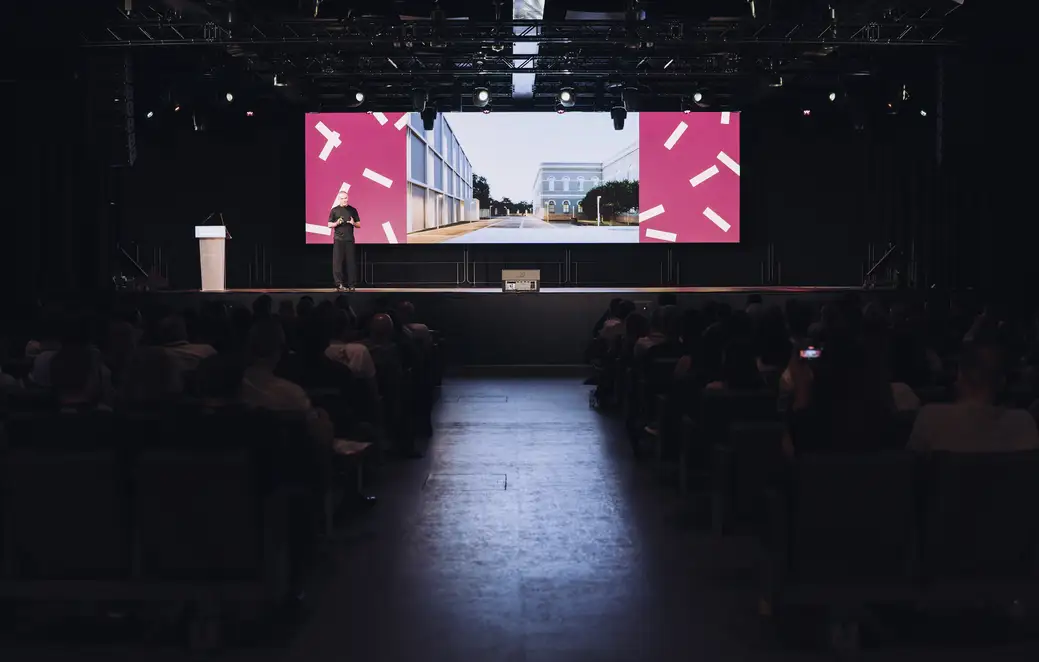
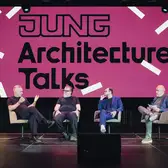
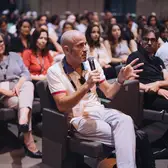
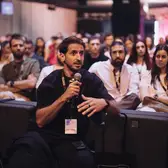
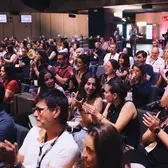
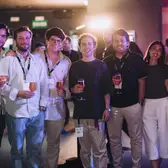
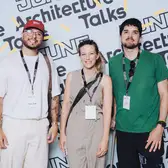
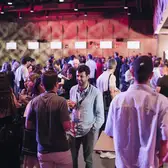
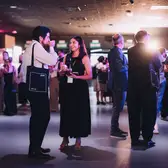
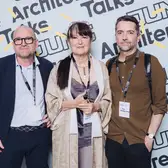
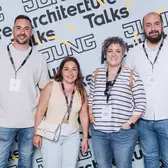
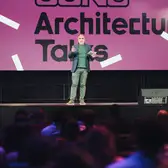
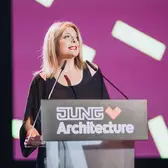
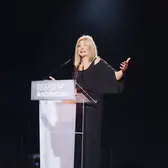
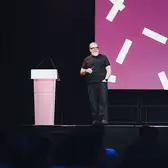
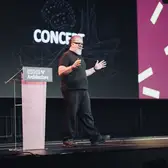
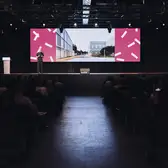
On 4 June, we were delighted to welcome you for the first time to the JUNG Architecture Talks in Valencia. The evening was entitled Designing the Invisible – When technology becomes spatial quality. Together with renowned international and Spanish architects, we explored how technology is now becoming an integral part of high-quality architecture and subtly shapes atmosphere, comfort and spatial quality.
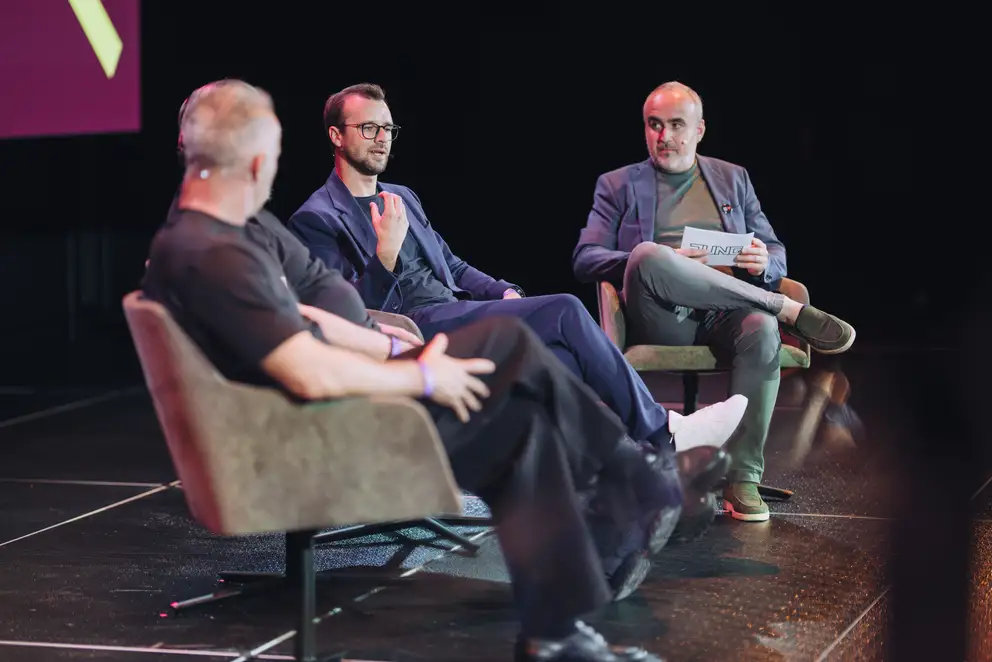
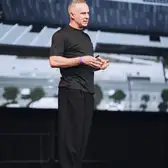
Among our guests on the panel was Mohammed Adib, Design Director at Dewan Architects + Engineers. With international projects that blend innovation, cultural context and technical precision, Dewan is one of the leading architectural firms in the Middle East and beyond. We also welcomed Juan Pedro Romera from ERRE Arquitectura to the panel. The Spanish firm is known for its clear architectural language, contemporary use of materials and a sensitive exploration of space and identity. We were also delighted to welcome architect and designer Ramón Esteve from Valencia, whose internationally acclaimed projects are characterised by timeless elegance, atmospheric clarity and the harmonious integration of architecture, interior design and design.
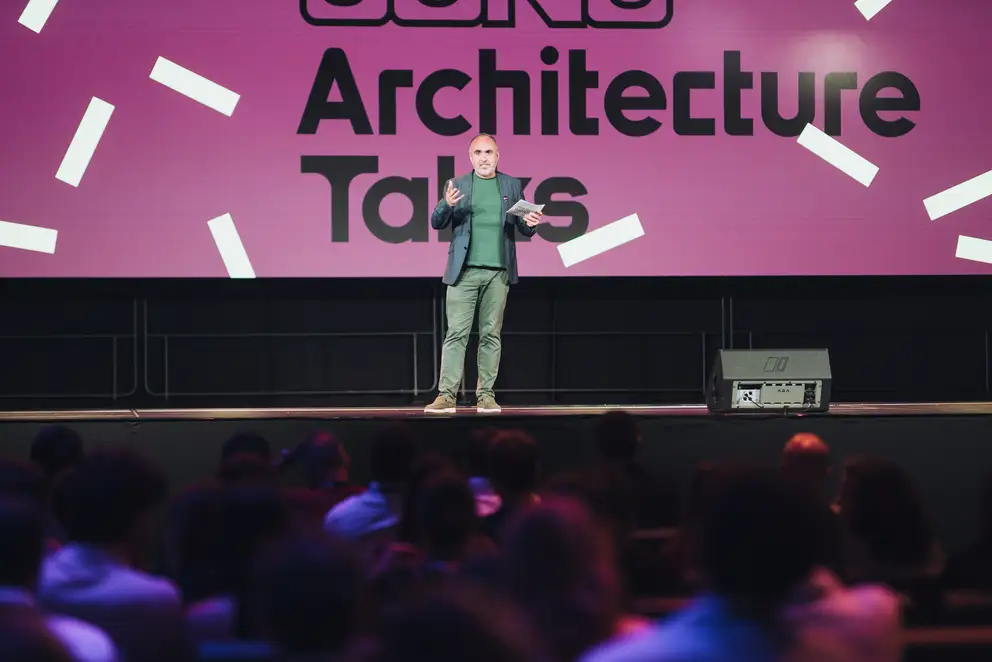
The evening was hosted by Ivan Blasi, Director of the EU Mies Award.
On 4 June, we were delighted to welcome you for the first time to the JUNG Architecture Talks in Valencia. The evening was entitled Designing the Invisible – When technology becomes spatial quality. Together with renowned international and Spanish architects, we explored how technology is now becoming an integral part of high-quality architecture and subtly shapes atmosphere, comfort and spatial quality.
Among our guests on the panel was Mohammed Adib, Design Director at Dewan Architects + Engineers. With international projects that blend innovation, cultural context and technical precision, Dewan is one of the leading architectural firms in the Middle East and beyond. We also welcomed Juan Pedro Romera from ERRE Arquitectura to the panel. The Spanish firm is known for its clear architectural language, contemporary use of materials and a sensitive exploration of space and identity. We were also delighted to welcome architect and designer Ramón Esteve from Valencia, whose internationally acclaimed projects are characterised by timeless elegance, atmospheric clarity and the harmonious integration of architecture, interior design and design.
The evening was hosted by Ivan Blasi, Director of the EU Mies Award.
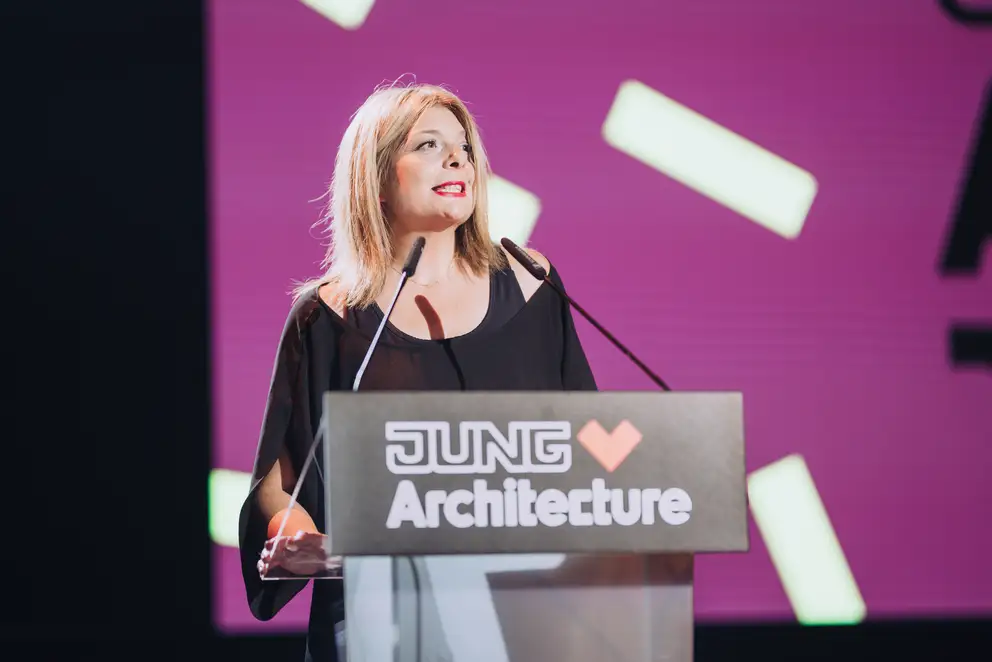
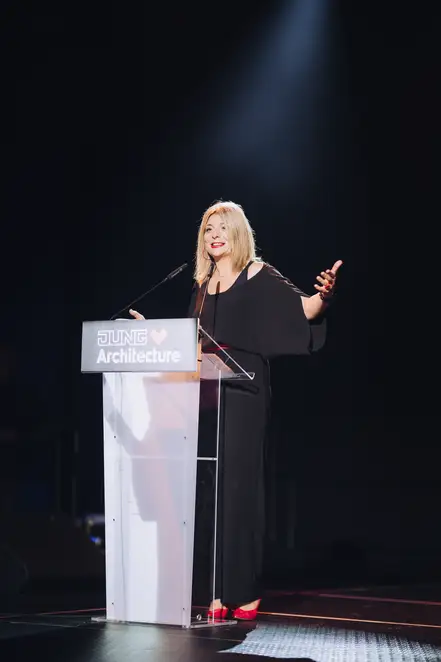
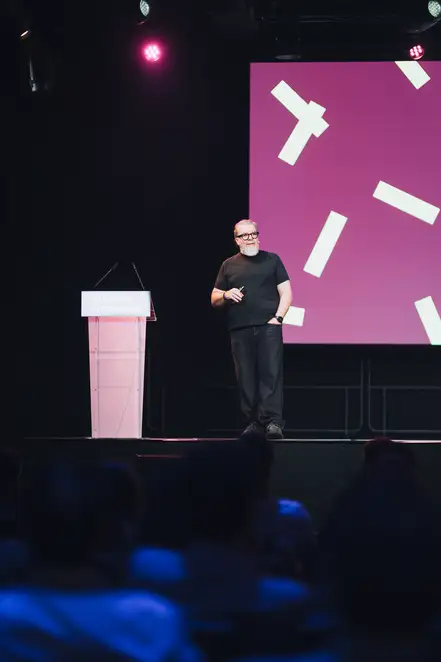
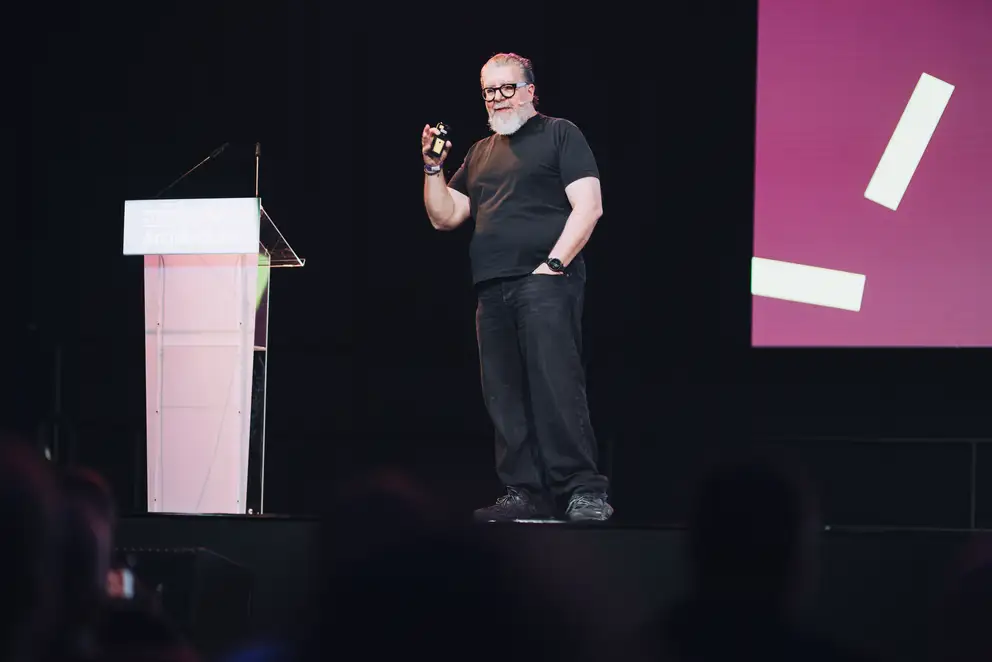
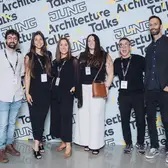
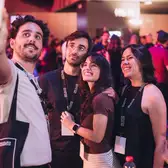
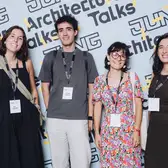
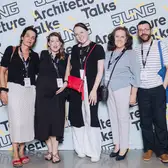
Impressions
































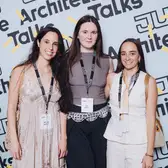
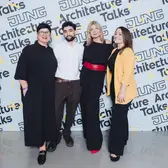

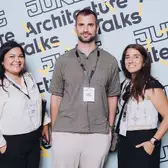


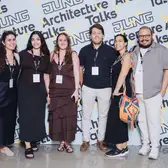





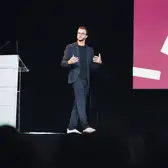
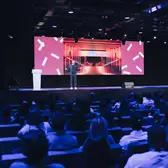
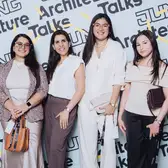
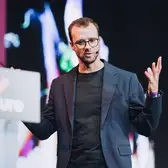


MOHAMMED ADIB
DEWAN ARCHITECTS + ENGINEERS
Mohammed Adib is considered one of the most internationally renowned architects and designers of our time. As Partner and Chief Design Officer at Dewan Architects + Engineers and founder of the studio Intercon, he has been combining architecture, interior design, and sustainable design at the highest level for more than three decades. His projects across Europe, the Middle East, and Asia are distinguished by aesthetic clarity, cultural sensitivity, and innovative technologies. Adib understands architecture as a human-centered discipline in which atmosphere, functionality, and identity take center stage. His recent work includes internationally acclaimed hospitality, residential, and cultural projects in Vietnam, Thailand, and Saudi Arabia. In addition, he is a sought-after speaker on topics such as AI, sustainability, and the future of design.
DEEP’s design philosophy is built around two central principles: PURE and ROSTER. PURE represents an architecture that places people at its core — functional, aesthetic, resilient, and sustainable. Spaces are designed to foster connection, enrich everyday life, and exist in harmony with both the environment and the future. Sustainability is understood as an inherent part of the design process. ROSTER describes the creative process behind every project: from research and observation to storytelling, testing, execution, and continuous refinement of ideas. In this way, architecture emerges from context, culture, and atmosphere, becoming a precise fusion of innovation, craftsmanship, and identity.
DEEP’s design philosophy is built around two central principles: PURE and ROSTER. PURE represents an architecture that places people at its core — functional, aesthetic, resilient, and sustainable. Spaces are designed to foster connection, enrich everyday life, and exist in harmony with both the environment and the future. Sustainability is understood as an inherent part of the design process. ROSTER describes the creative process behind every project: from research and observation to storytelling, testing, execution, and continuous refinement of ideas. In this way, architecture emerges from context, culture, and atmosphere, becoming a precise fusion of innovation, craftsmanship, and identity.

JUAN PEDRO ROMERA
ERRE ARQUITECTURA
Juan Pedro Romera is an architect and Director of Sports & Entertainment Projects at ERRE Arquitectura in Valencia. Since joining the renowned Spanish architecture studio in 2013, he has played a key role in shaping large-scale sports, cultural, and urban development projects that contribute significantly to Valencia’s architectural landscape.
Romera studied architecture at the Universitat Politècnica de València (UPV), where he graduated in 2013. Since 2017, he has been pursuing a PhD at the Department of Architectural Projects at UPV, focusing on computational urbanism and digital analysis tools in urban contexts. Alongside his professional work, he is also active as a lecturer in architectural design.
Among the most notable projects Juan Pedro Romera has contributed to are the Roig Arena, Marina Port Valencia, and L’Alqueria del Basket — an internationally awarded sports complex recognized for its innovative architecture and materiality. His work combines architectural practice with urban research and digital design processes, representing a contemporary approach to architecture that integrates technology, sustainability, and social context.
Among the most notable projects Juan Pedro Romera has contributed to are the Roig Arena, Marina Port Valencia, and L’Alqueria del Basket — an internationally awarded sports complex recognized for its innovative architecture and materiality. His work combines architectural practice with urban research and digital design processes, representing a contemporary approach to architecture that integrates technology, sustainability, and social context.

RAMÓN ESTEVE
RAMÓN ESTEVE ESTUDIO
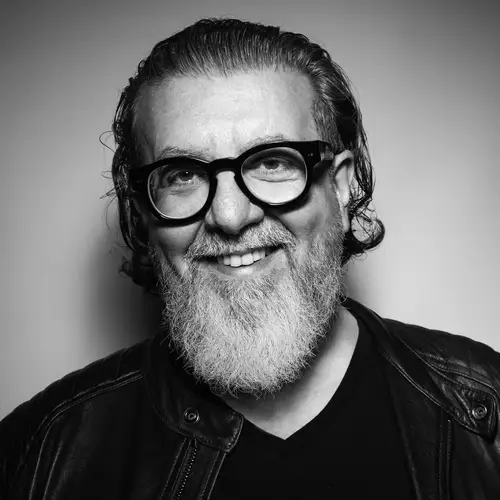
Ramón Esteve is the founder, director, and creative soul of Ramón Esteve Estudio. He holds a PhD in Architecture and graduated as an architect from the Escuela Superior de Madrid. In 1991, he founded his studio. Since then, his work has developed across the fields of architecture, interior design, industrial design, and art direction, both nationally and internationally.
His portfolio includes extensive experience in public healthcare, educational, and cultural buildings, as well as private buildings for public use such as offices, hotels, and restaurants. In addition, he designs exclusive private residences in which his architectural philosophy is expressed in its fullest dimension.
"Architecture is the expression of ideas in space, where the quality of matter is transformed through its interaction with light, creating an order and proportion that define habitable places. It is through our lives that architecture acquires meaning, reflecting our needs and aspirations."
"Architecture is the expression of ideas in space, where the quality of matter is transformed through its interaction with light, creating an order and proportion that define habitable places. It is through our lives that architecture acquires meaning, reflecting our needs and aspirations."