The ideal number of sockets for every room
Sockets are often overlooked. However, if there are none in a newly built or renovated house, you have to make do with extension cables and multiple sockets. The more electrical devices you have, the more sockets you need in your home. But how many sockets does each room need? Having sufficient socket strips in the electrical installation avoids the need for cumbersome extension cables and multiple sockets. This is sustainability right from the start.
That's what matters:
More convenience: Enough sockets in the right places save annoying cable clutter and enable the flexible use of electrical appliances.
Safety: A sufficient number of sockets prevents the overload of power strips and thus reduces the risk of fire caused by numerous multiple sockets, for example.
Value retention: A modern electrical installation increases the value of your property.
The recommended number of sockets follows the RAL-RG 678 guideline. This gives recommendations for various equipment values, from minimum equipment to comfort equipment. The more comfort you want, the more sockets you need. Planning ahead is essential. It is important to have enough electrical circuits and sockets, otherwise electrical loads will be supplied with power via multiple socket strips. However, if too many of these are used, the earth protection system will no longer work. Additionally, fires can occur if the multiple socket strips are installed incorrectly, for instance behind curtains or under carpets. This article is based on the Gold Centre, which is the standard equipment according to the RAL guidelines.
The right number of sockets: a question of need
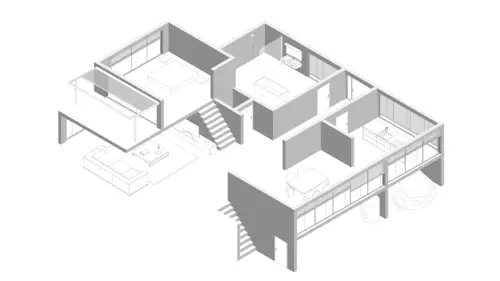
The optimum quantity of sockets depends on various factors: Larger rooms naturally require more sockets. The more devices you want to use, the more sockets you need. And more sockets are needed in the kitchen than in the bedroom, because the kitchen is the room with the highest demand for sockets.
Kitchen sockets - the centrepiece of the household

Enough sockets in the living room - for optimal entertainment
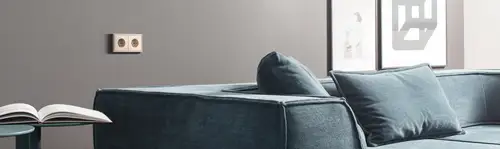
Enough connections for entertainment electronics and cosiness
- TV area: Min. three sockets for TV, soundbar and consoles.
- Sofa area: A conventional socket, a socket with USB ports or a charger are ideal near the sofa for lamps, for example.
- Dining area: Two to five sockets should be provided where the family gathers to eat. For floor lamps or a smart speaker.
- Corners and niches: Additional sockets in corners and niches offer flexibility when furnishing and lighting the living area.
Further contributions

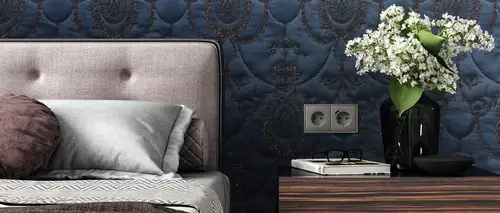
Sockets in the bedroom - peace and quiet
But which socket is the right one?
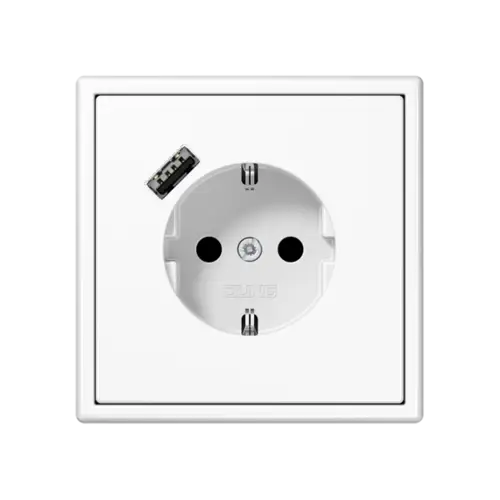
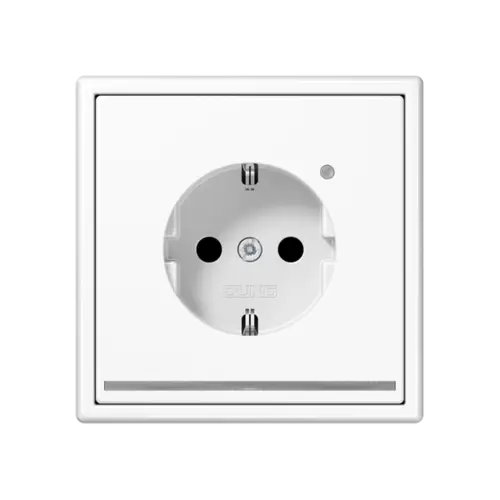
There are many sockets. Which ones offer the right added value such as a USB port, orientation light and hinged lid?

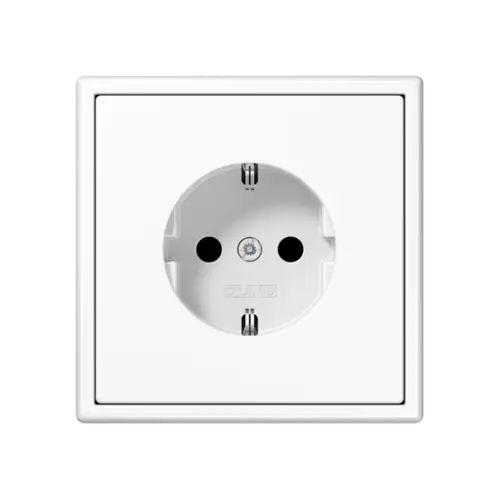
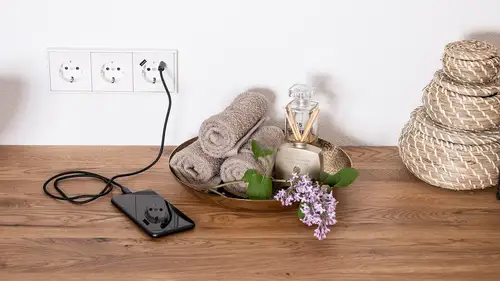
In addition to the classic SCHUKO® socket, there are numerous socket models with additional functions. Many sockets have an integrated contact protection(shutter), an internal locking mechanism. This shutter reduces the risk of contact with the live parts of a socket. The protection is permanently attached to the socket and cannot be removed. Sockets with USB connections, for example, help to combat the growing clutter of chargers and multiple sockets. For charging mobile devices, these space-saving all-rounders offer slots for the widely used USB-A and USB-C plug types - naturally equipped with increased contact protection (shutter) as standard. If you want to recharge your smartphone particularly quickly, these USB sockets are also available with a single USB port and the Quick Charge® function. Sockets with an orientation light also offer significant added value. An integrated LED light shines downwards in a defined manner, providing safe orientation in dark corridors or entrance areas. The light only switches on when it detects movement and it is dark.
Special protection: sockets with hinged lids
Security, protection from external influences and an attractive design
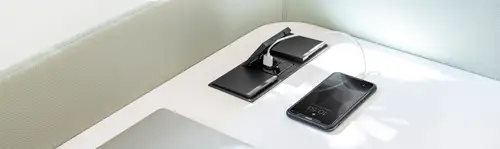
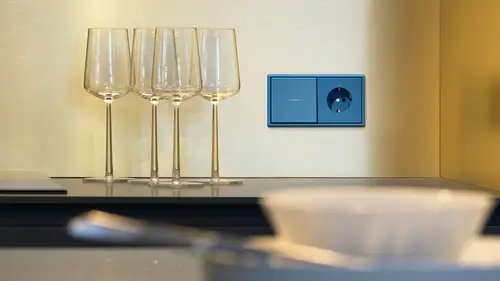
SCHUKO® sockets with hinged lids are optimally protected against dirt. At the same time, the lid visually pushes the socket into the background. Sockets with hinged lids can contribute to a uniform and modern design, especially when combined with other elements such as switches. Hinged lids with a safety lock offer a further additional benefit. They prevent unauthorised persons from using the socket in public areas. Outdoors in the open air, sockets with a degree of protection of min. IP44 should be used. IP44 stands for protection against solid foreign bodies and splash water from all directions. The sockets from JUNG for exteriors are equipped with a hinged lid and are also protected by a special sealing gasket so that they meet all safety requirements. Because sockets on terraces or balconies are often particularly visible, JUNG also offers them in the design of the JUNG switch series. Building owners thus have the option of realising all electrical installations in exteriors and interiors with a uniform, stylish look.
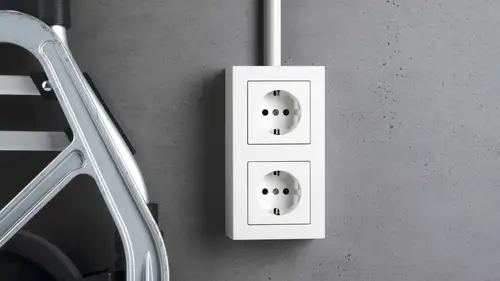
Outstandingly practical: surface-mounted sockets
Visible cables and sockets up on the wall? A real stylistic device.
Conclusion
The number of sockets you need depends on your individual requirements. Careful planning during a renovation or refurbishment is the first step towards a convenient and safe electrical installation. Seek advice from a specialist electrical contractor and work together to create a concept that is tailored to your needs. A socket upgrade is a worthwhile investment in your living comfort and the safety of your family. With a sufficient number of sockets in the right places, you can create a home in which you feel completely at ease.