0

From Lights to Vibes: Immersive Smart Entertainment at Home

Photo credits: Zac, @slackzack.
A home is more than just a place to stay — it's where we unwind and recharge by engaging in relaxing activities, be it catching up on new movies or jamming to our favourite tunes. With today’s advanced smart home ecosystems, home entertainment can rival that of a special effects cinema or concert hall. Delving into ideas on different sensorial systems for home entertainment such as movie nights and karaoke sessions, we explore how an integrated home hub can create a fully immersive experience.

A Multi-Sensory Cinematic Experience

Photo credits: Jerry Linsen on Unsplash
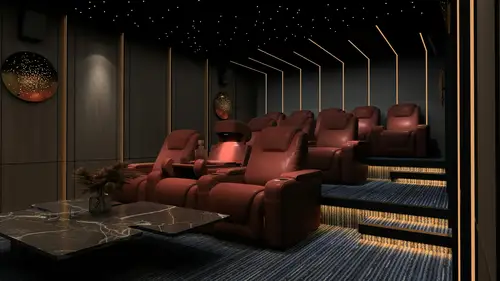
The classic way to kickstart a movie night in a smart home is by triggering a scene where lights dim, curtains close, the air-conditioner turns on, and the TV switches on. By integrating other forms of sensory technology, a more immersive and cinematic experience can be achieved. Here's how!

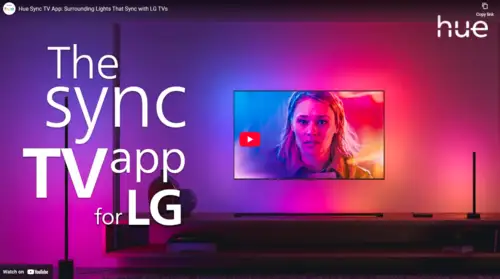
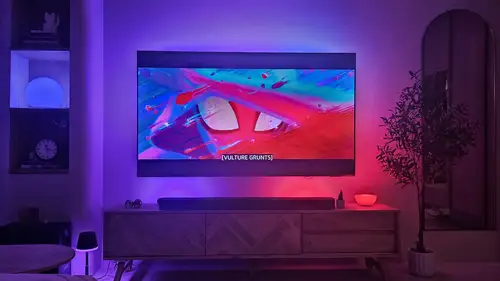
Real-time content-synced lighting

What this means: Smart lights around the room dynamically match the mood, colour, and intensity of the movie currently playing.

How this feels: Through content detection and real-time colour analysis, smart RGB lights — such as LED strips behind your TV or ceiling cove lighting — change colours in real time to match what’s happening on screen. For example, fire and explosions scenes will be matched with warm orange flickering effects, while jump scares will be accompanied by strobe effects or a momentary blackout.

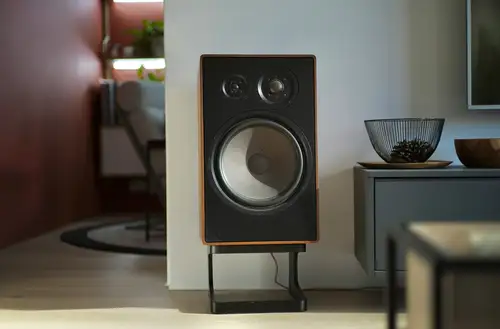
Object-based audio

Photo credits: Yevhenii Ometsynskyi on Unsplash.
What this means: Multiple unique sounds from the movie scenes can move around, above, and behind you to correspond with what you are currently watching.

How this feels: Individual audio elements that are placed in a virtual 3D sound field are projected by the audio system, moving around you in real-time according to how it would feel as if you were in the movie itself. For example, for a scene where a helicopter is flying overhead, you can hear the helicopter starting its engine and lifting off behind you, flying over your head and away from you in front.

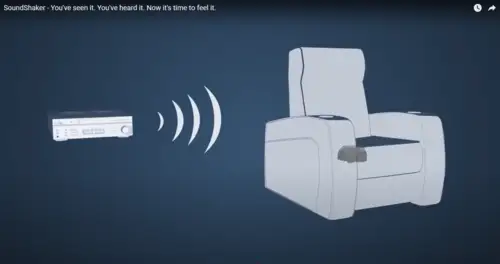
Haptic feedback

What this means: Vibrations corresponding to the on-screen visuals are felt from furniture such as sofas to let you physically feel the action.

How this feels: Low-frequency audio signals are picked up by the embedded transducers and converted into physical motion such as a rumble, shake, or pulse. For example, a scene with an earthquake will result in a deep and sustained rumble in your seat, while during a tense buildup, you might feel subtle pulses in your seat — like your body anticipating what’s to come on screen.

Although these different systems can work independently, using a smart home hub to intelligently sync and coordinate them ensures that they all react simultaneously corresponding to the movie for a seamless experience. When you activate your home hub to prepare for a movie night via a voice command, aside from the classic scene activating, all peripheral lightings, sound system, and haptics system can also be activated to react to the movie you are about to watch. The home hub also allows for advanced logic to be programmed. For example, if it is past 10pm while the movie is playing, it will set haptics settings to low.
A Theatrical Performance

Photo credits: Pexels on Pixabay.
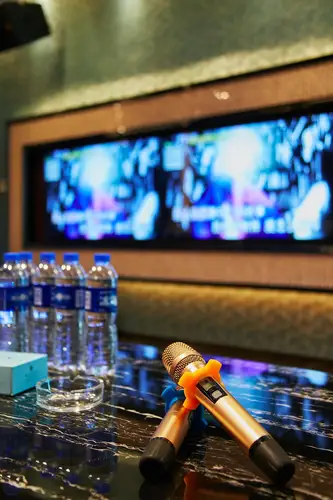
Karaoke sessions at home can be more than a sing-along session — with the right technology integrated within the smart home, it can become a stage set up for a theatrical performance for family and friends. Here are some ideas:

Pre-set genre-based lighting

Photo credits: 倩生 王 on Pixabay.
What this means: Peripheral RGB lighting in the room changes in colour tone, brightness, and animations according to the genre and stylistic tone of songs. 

How this feels: By identifying the genre of the currently playing song, the home hub can activate the appropriate pre-programmed scene. For example, these popular genres can have the following associated lighting scene. 

  • Pop: Neon pink, electric blue, and lime green with quick strobe flashes to match the upbeat rhythm 

  • K-Pop: Pastel purples and sky blue with bursts of light matching choreography transitions 

  • R&B: Dim deep purple, warm amber and gold lights with slow fades and gentle pulses 

  • Rock: Fiery red and yellow lights that flash during guitar solos and rapid colour changes to match tempo shifts

Real-time sound-reactive lighting

What this means: RGB lighting adjust in real time by flashing, pulsing, and changing colour based on your singing and the backing track. 

How this feels: By analysing audio signals for volume amplitude, beat detection, tempo, pitch and frequency, the home hub can adjust the lighting based on specific audio triggers, for example:

  • Vocal climax: Colours burst

  • Soft verse: Dim, slow fading lights 

  • Beat drops: Rapid strobes or pulsing lights

  • Duet songs: Lights split colours (e.g. red and blue) based on who is singing
By combining these two forms of smart lighting, your karaoke sessions can become a more dynamic and immersive experience. Genre-based lighting establishes the overall lighting atmosphere according to the song's genre before it plays, while sound-reactive lighting dynamically animates it according to the actual beat and singer's volume. This helps to boost the energy of the room and create a fun atmosphere, which are great for parties with guests.

Gesture-based controls

Credits: Jordan Whitfield on Unsplash.
What this means: Instead of using voice commands to operate the home hub, which may not work reliably in audio-heavy environment like karaoke rooms, you can control the home hub using hand gestures. 

How this feels: By using gesture sensors or cameras with AI-based gesture recognition, the home hub can be controlled to adjust the media, volume, special effects and more. For example, swiping left and right can skip songs or go back to the previous song, while holding your hand up can start/stop the media player.
Be it immersing yourself in a fast-paced action film with earth-shaking bass or jamming to your favourite tunes with friends during a lively karaoke session, a well-integrated smart home can transform your space into an interactive, immersive environment. As technology continues to evolve, the number of compatible experiential systems will only grow - making a flexible, future-ready smart home hub even more essential for further upgrades.