0
For architects

Giving Interiors a Glow Up: A Guide on Lighting in Homes

Beyond providing visibility and illumination, good lighting can also transform the experience of spaces. From the type of lighting, such as architectural lighting that accentuates key features and decorative lighting that acts as a piece of art, to qualities of lighting such as its intensity and colour temperature, a combination of factors can create a functional and inviting ambience. 

Good lighting does not just stop at artificial lighting sources; when orchestrated in concert with natural light and intricately planned fixtures and fittings, its effects in the home can be further compounded. As both a science and an art form, lighting is a multi-faceted aspect of interior design. In this blog piece, let’s explore different ways to light up spaces.

Ambient lighting

Graphite Apartment, Kyiv, Ukraine. Credits: Bezmirno Architects
As the most prevalent form of lighting in homes, ambient lighting is the backdrop of the area’s lightscape, providing overall illumination to create a cosy and inviting atmosphere. A wide array of light sources can be used to create this: from commonly used downlights, snuggly cove lights, modern track lights, trendy wall sconces, to statement chandeliers.

Task lighting

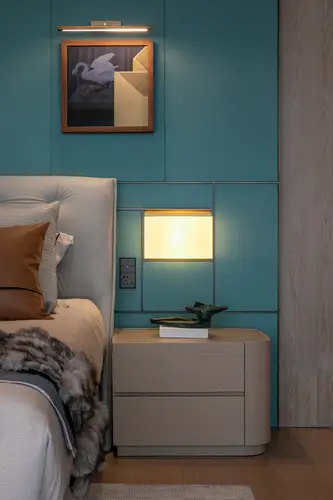
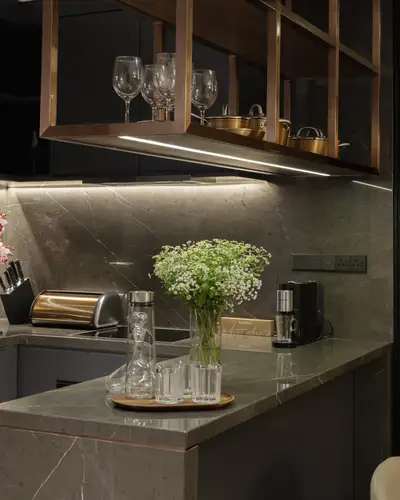
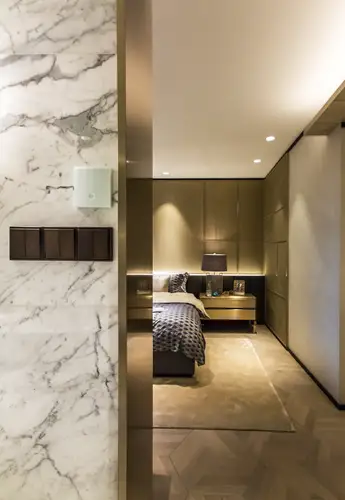
Focus Hangzhou Apartment Complex, Hangzhou, China. Credits: Cheng Chung Design & Horizontal Design
Specialised lightings for specific tasks are known as task lighting, such as a bedside reading lamp or kitchen cabinet lighting. Planned with the goal of illuminating a selected zone to a comfortable brightness level to enhance focus on details and avoid straining the eye, task lighting are often situated to shine light without casting harsh shadows. Available in multiple forms, such as lamps, pendants, and under-cabinet lighting, they can be expertly integrated into the interior design for a cohesive look.

Accent lighting

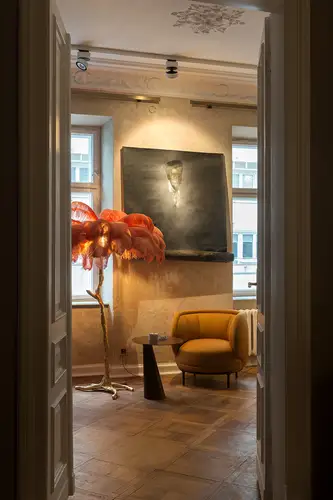
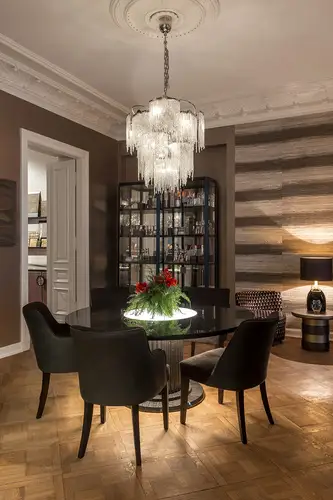
Koszykowa 24 Showroom. Credits: Jacek Kucharczyk
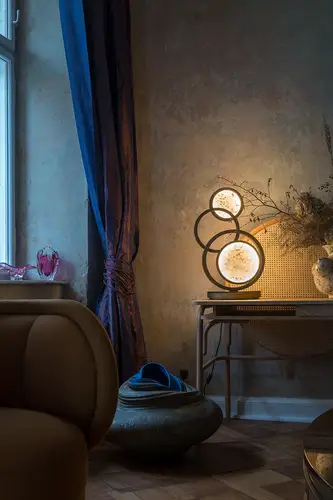
Aside from its functional properties, lighting can also elevate interiors as an artistic element, which is known as accent lighting. On one hand, by using spotlights or track lights, art pieces or standout objects can be highlighted, accentuating their key features. On the flipside, lightings such as intricate lamps can become the statement piece of the room themselves, adding depth and creating a sense of drama to the space. Accent lighting in either form are great additions to homes with their dynamism.
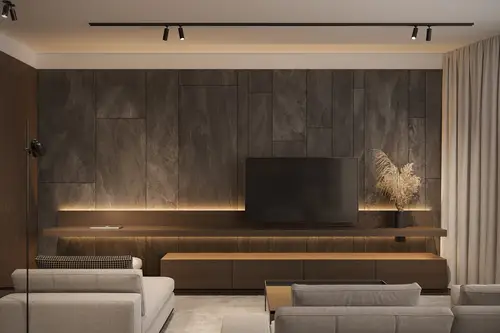
Creating a glow effect

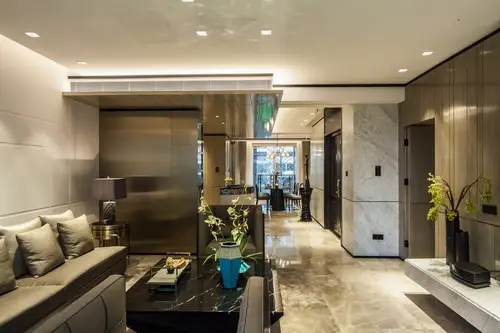
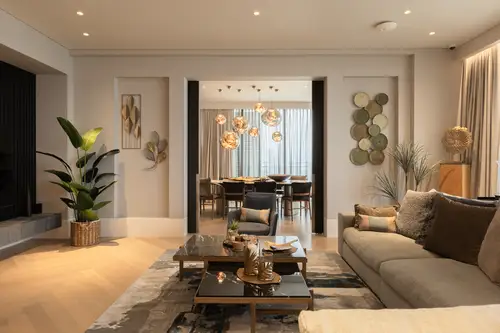
Changfeng Residence, Shanghai, China. Credits: JSP Architects
Lighting effects do not necessarily have to be created with a specific light source; the interplay between existing lighting and choice of materials can add an unexpected quality to spaces. By cladding interiors with reflective materials such as metal accents and marble floorings and wall laminates, warm light generated from ambient lighting can be amplified, creating a glowing halo effect that endows the space with opulence.

Enhancing brightness by enlarging spaces

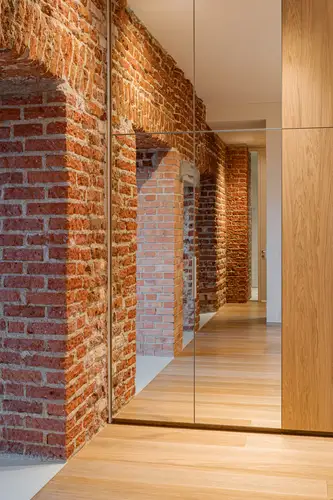
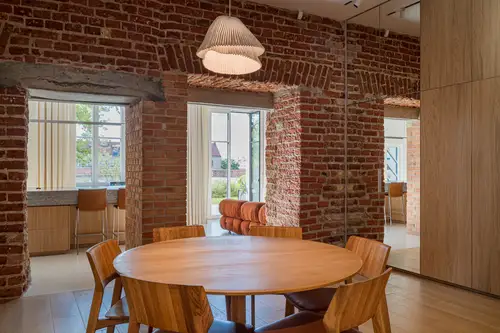
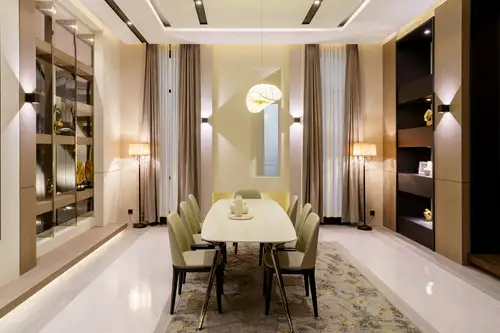
Private Residence in Vilnius, Lithuania. Credits: Andrej Vasilenko
Similarly, lighting can also be enhanced with the use of mirrors, which do exceptionally well in reflecting light from downlights and chandeliers. When placed next to or opposite light sources, they help brighten the space while also giving it an enlarged and airy feel. Be it with trendy floor-to-ceiling mirrors or statement mirror pieces, they can amplify both natural and artificial light.

Allowing natural light in

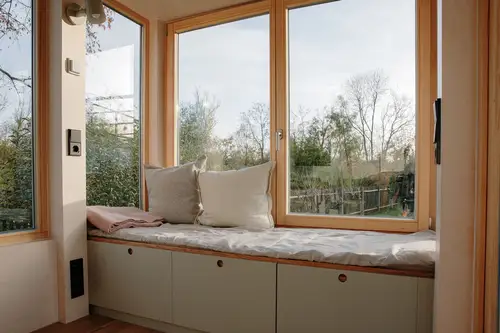
Vagabundo Tiny House, Munich, Germany. Credits: Sophia Hünnekens
Apart from artificial light, the integration of natural light in rooms cannot be understated. The benefits of natural daylight are clear as day, from boosting vitamin D absorption to improving sleep, and should be a priority when designing for interiors. Especially relevant for existing builds where windows are fixed, special zones where residents linger, such as lofts, can be planned around the windows for maximum utilisation of the abundant natural light. Artificial light such as downlights and cove lights can also be incorporated into these zones to supplement the brightness on shady days.
While there are many different approaches to brightening up spaces, the best results are often achieved when a variety of lightings and synergistic fixtures are expertly placed and used in conjunction. By layering them, a nuanced and dynamic atmosphere can be created, adding a multi-dimensional appeal while retaining its functionality.