0

Unveiling the Hidden Power of Texture in Interior Design

In the world of interior design, elements like colour and lighting often take center stage, overshadowing texture — a subtle yet crucial component. While texture is typically associated with occasional tactile encounters, its impact transcends mere touch. This article delves deeper into the overlooked realm of texture and its pivotal role in shaping captivating interiors.

Texture in interior design spans two main types: tactile, which encompasses the physical surfaces that invite touch with their three-dimensional qualities, and visual/simulated, which creates an illusion of depth despite lacking tangible dimensionality. While simulated textures may seem inconspicuous, they quietly enhance interior aesthetics, a facet we'll explore further. Together, these textures enrich sensory experiences, transforming ordinary spaces into vibrant, engaging environments. 

Here are several prevalent methods textures find its way into living spaces:

Wall Coverings

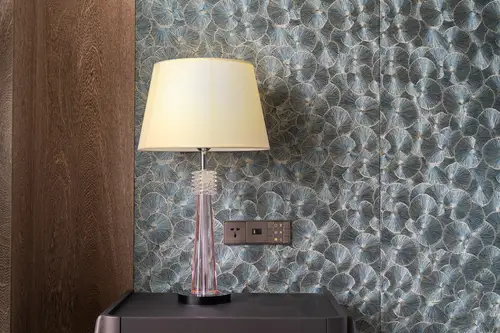
Wall coverings emerge as the quintessential method to infuse texture, transforming architecturally plain spaces into visually captivating areas devoid of excessive decor. Spanning from wallpapers to laminates crafted from diverse materials, these coverings cater to every interior design aesthetic. Within the realm of wallpapers alone, a myriad of options await, ranging from vinyl to fabric and even grasscloth, each boasting unique patterns and textures. This convergence of patterns and materials imbues wallpapers with a tactile richness. Patterns, in their two-dimensional form, create a visual interplay of layers and depth, while the choice of material lends walls a palpable texture, whether it be coarse or luxuriously smooth.
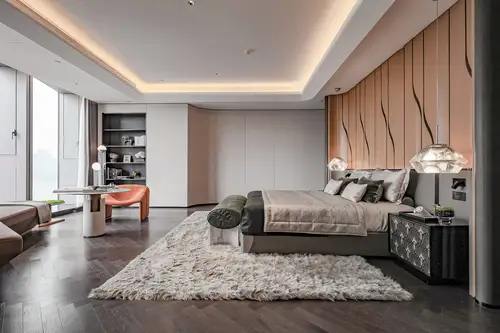
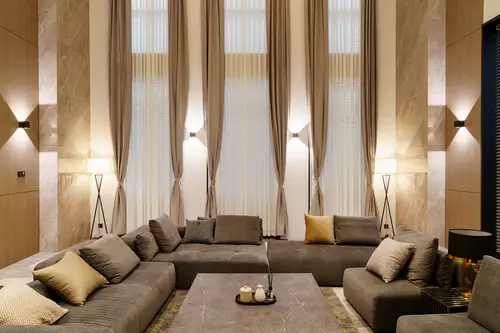
To achieve a more organic aesthetic, many opt for wall laminates crafted from wood or marble, prized for their natural surface characteristics that soften the rigid lines typical of furniture and fixtures. Wood panels exemplify a nuanced visual texture: although smooth to the touch, their intricate grains and contrasting patches create a convincing illusion of three-dimensional depth. Likewise, marble panels feature distinctive organic streaks that set them apart visually, and their cool, glossy surfaces providing a striking contrast to metallic accents, soft fabrics, and matte materials.
427 House, Bangkok, Thailand. Credits: Beersingnoi ArchPhoto
Tiles present a versatile wall covering that not only serves functional purposes, such as moisture resistance in wet areas but also introduces compelling tactile and visual textures. Available in an array of shapes and sizes, their geometric patterns create a grid-like three-dimensional texture when aligned on walls. By employing tiles of varied shades, designers can craft abstract or mosaic arrangements that infuse spaces with captivating visual intrigue.

Masonry

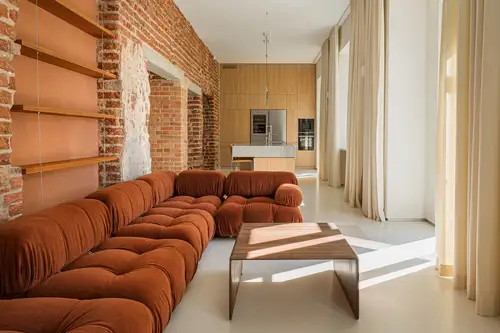
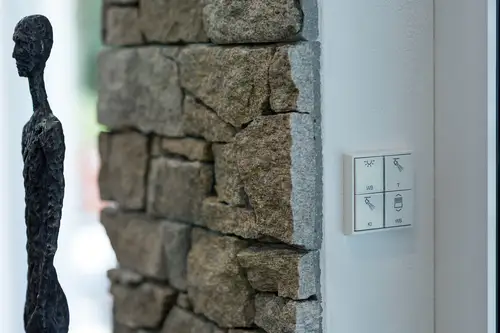
To infuse spaces with a blend of raw organic charm and refined modernity, consider integrating masonry elements into your design palette. Granite, limestone, and bricks each offer distinct characteristics, adding unique tactile textures to interiors. Their rough, jagged surfaces can starkly contrast with the plush softness of sofas and carpets, creating a distinctive spatial experience. In urban residences where structural elements are concealed, faux masonry like stone veneer can replicate the natural stone effect effectively.

Fabrics and Textiles

On the softer side of tactile textures, fabrics play a pivotal role in lightening the ambiance of a room. From luxurious velvet and warm leather to soft linen, textiles contribute to a cozy atmosphere while imparting character through their individual properties. Rather than focusing solely on sofas, explore underutilized forms of upholstery.

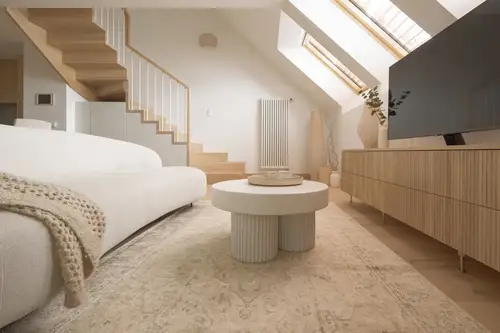
Shag rugs, once popular in the 1960s, are making a comeback with their chic and comfortable appeal. Composed of fluffy yarn fibers, these rugs feature an uneven texture that breaks the rigidity of spaces, offering a gentle and satiny touch that transforms rooms with a new dimension.
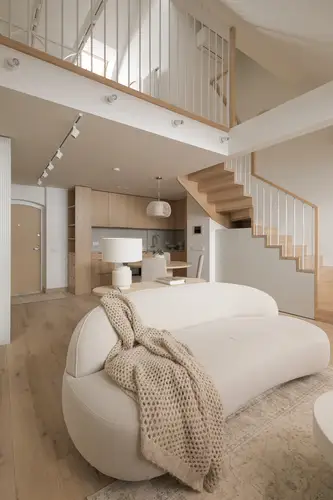
Private living in light colours, Vilnius, Lithuania. Credits: Jevgenija Žukova Černova
Throw blankets are another trendy way to add layers and textural interest to spaces, especially atop sofas. Whether in cozy fleece, sumptuous cashmere, or airy linen, these blankets introduce a velvety texture that invites relaxation. Their versatile styling options can intentionally create a sense of casual elegance, reflecting personal style and enhancing comfort.

Plantlife

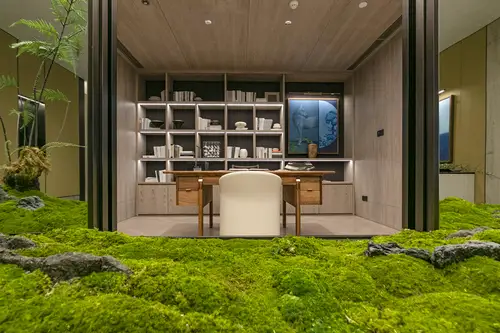
Introducing plant life into living spaces not only brings greenery but also serves as a visual and tactile textural element. Organic shapes and textures of plants contrast beautifully with rigid lines, while their coarse surfaces juxtapose with smooth ceramics, creating a natural synergy that mimics the outdoors.

Lighting

For a sophisticated interplay of texture and lighting, consider directional lighting such as wall sconces. These fixtures cast focused light to create shadow patterns that simulate a two-dimensional texture with an illusion of depth. Strategically placed, they can highlight architectural features and enrich the visual dynamics of a space.
Texture transcends mere tactile sensation, profoundly influencing how we perceive and interact with spaces. It fills surfaces, sets tones, and adds visual weight, making each element of a room uniquely stand out. By skillfully juxtaposing different textures, you can showcase the distinctive character of any space, creating a harmonious balance between raw natural elements and contemporary elegance.
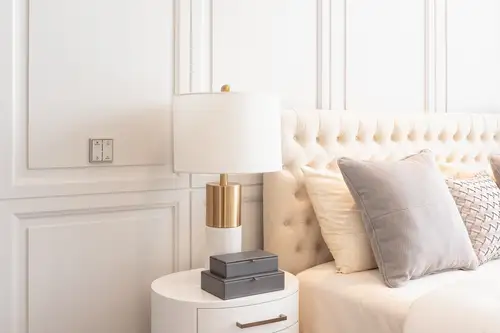
Q1 Sukhumvit, Bangkok, Thailand. Credits: Swita Uancharoenkul